Source Kitchen Food Container Lid Organizer for Kitchen, Pantry, and Dining
Compare 30 listings for the Kitchen Food Container Lid Organizer to find options in bamboo or plastic with wall-mounted or standing designs. Buyers can review features like eco-friendly materials, FDA and LFGB certifications, and customizable logos from suppliers in China.
Key considerations
Products List
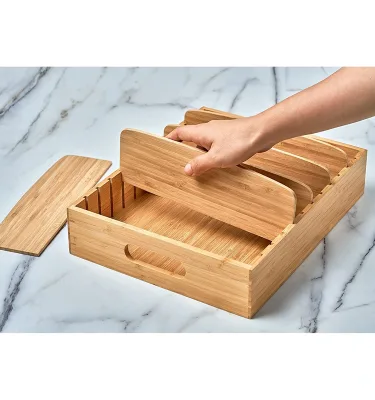
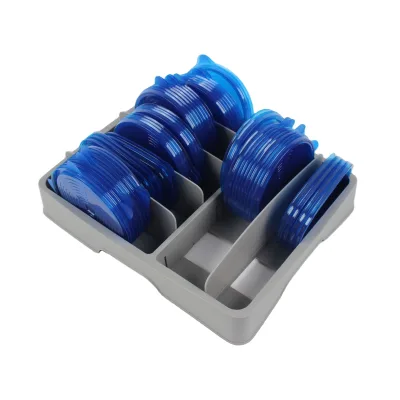


Multi Compartment Food Storage Containers with Lids Kitchen Organizers
$0.05 - $1.00
MOQ: 30000 Pieces


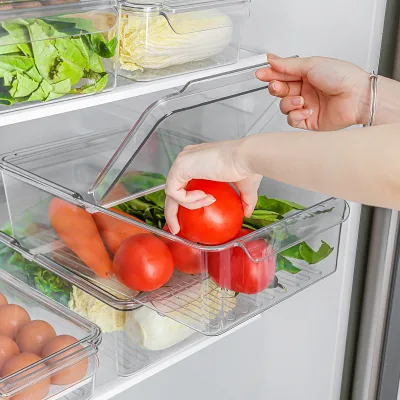


Wholesale BPA Free Kitchen Food Storage Container Fridge Drawer Organizer
$1.85 - $1.95
MOQ: 1000 Pieces


Comprehensive Sourcing Guide
Kitchen Food Container Lid Organizer Sourcing Guide
Sourcing a Kitchen Food Container Lid Organizer requires a clear understanding of the diverse product landscape, which ranges from simple wall-mounted bamboo racks to complex plastic storage systems. Buyers must navigate between distinct material choices, such as natural bamboo and durable plastics, each offering different aesthetic and functional benefits. The observed market signals indicate a strong emphasis on eco-friendly materials and multifunctional designs, with many suppliers highlighting features like freshness preservation and customized branding. Understanding these variations is critical for aligning procurement with specific brand values and kitchen storage needs.
The procurement process involves evaluating a wide array of technical specifications, including tier configurations, installation types, and dimensional tolerances. Listings reveal significant variability in product attributes, from single-phase standing units to four-layer wall-mounted organizers. Buyers need to carefully verify these details to ensure the selected product fits their physical space and operational requirements. This guide provides a structured approach to evaluating these products, focusing on technical verification, compliance, cost analysis, and supplier qualification to mitigate sourcing risks.
Product Scope and Observed Listing Signals
The current market for kitchen lid organizers presents a fragmented landscape with distinct product categories. One prominent segment features bamboo-based organizers, often marketed as eco-friendly and multifunctional. These products typically emphasize natural aesthetics and sustainable sourcing, appealing to buyers focused on green procurement. Another significant segment includes plastic-based storage solutions, which often highlight durability, modern styling, and specific volume capacities for food containers. Buyers should distinguish between these material types early in the sourcing process, as they cater to different customer preferences and price points.
Listing signals also reveal variations in installation and structural design. Some products are designed as wall-mounted units to save counter space, while others are standing racks that offer flexibility in placement. The observed data includes products with four layers of storage capacity, as well as single-phase units, indicating a need for precise specification matching. Additionally, features such as customized logos and OEM availability suggest that many suppliers are prepared to support private label projects. Buyers must assess whether their procurement goals align with these customization options and structural configurations.
Technical Specifications to Verify
Dimensional accuracy and structural integrity are paramount when sourcing lid organizers. Buyers should verify dimensional tolerances, which can vary significantly between suppliers, with some claiming less than ±1mm and others allowing up to ±5mm. These tolerances directly impact the fit and stability of the organizer, especially when holding multiple lids of varying sizes. It is essential to request detailed technical drawings or product samples to confirm that the physical dimensions match the stated specifications, ensuring that the product will function as intended in a real-world kitchen environment.
Material composition and weight specifications also require careful verification. Bamboo organizers are often highlighted for their natural color and eco-friendly properties, while plastic units may emphasize modern styles and specific volume standards such as 850ML or 4600ML capacities. Buyers should confirm the single gross weight and package dimensions to calculate shipping costs accurately. Additionally, the number of tiers and the type of installation, whether wall-mounted or standing, must be explicitly confirmed to avoid mismatches between the ordered product and the intended use case.
Compliance and Safety Documentation
Food contact safety is a critical consideration for any kitchen storage product. Buyers must verify that suppliers hold relevant food safety certifications, such as FDA and LFGB, which are commonly cited in the market for plastic and bamboo products. These certifications ensure that the materials used in the organizers do not leach harmful substances into food items. It is important to request valid certification documents and verify their authenticity with the issuing bodies, as compliance is non-negotiable for products intended to store food or kitchenware.
Beyond food safety, buyers should inquire about broader environmental and quality certifications. While some listings mention eco-friendly attributes, specific environmental certifications may not always be explicitly stated. Buyers should ask suppliers to provide evidence of sustainable sourcing practices, particularly for bamboo products, to support marketing claims. Additionally, verifying that the products meet general quality standards for durability and finish can help prevent issues related to product longevity and customer satisfaction.
Cost Drivers and Commercial Terms
Pricing in the lid organizer market is influenced by material costs, customization levels, and order volumes. The observed price range is broad, reflecting the diversity of products from simple plastic units to more complex bamboo organizers. Buyers should analyze the cost structure based on the chosen material and design, keeping in mind that customized logos and OEM services may incur additional fees. Understanding the minimum order quantity (MOQ) requirements is also crucial, as these can range from small batches to large industrial orders, impacting the overall cost per unit.
Lead times and delivery terms are significant factors in the total cost of ownership. Suppliers typically offer delivery times ranging from 15 to 30 days, with sample times varying between 7 and 10 days. Buyers should negotiate clear delivery schedules and penalty clauses for delays to mitigate supply chain risks. Additionally, packaging standards, such as standard export packaging, should be confirmed to ensure that products arrive in good condition, minimizing the risk of damage and associated costs.
Supplier Qualification and Quality Control
Supplier qualification begins with verifying their manufacturing capabilities and quality control processes. Buyers should assess whether the supplier has experience in producing the specific type of organizer they are sourcing, whether bamboo or plastic. Requesting references or case studies from previous clients can provide insights into the supplier’s reliability and product quality. It is also important to verify the supplier’s location, as this can impact logistics and communication efficiency, with many suppliers operating in regions like Fujian and Guangdong in China.
Quality control measures should be established before placing large orders. Buyers should define clear acceptance criteria for product dimensions, material quality, and finish. Conducting pre-shipment inspections or requesting third-party inspection reports can help ensure that the delivered products meet the agreed-upon standards. Additionally, establishing a clear communication channel for addressing any quality issues post-delivery is essential for maintaining a productive supplier relationship and ensuring long-term procurement success.
Long-Term Procurement Checks
Long-term procurement success depends on continuous monitoring of supplier performance and market trends. Buyers should regularly review supplier delivery times, product quality, and responsiveness to ensure they meet evolving business needs. Keeping an eye on market developments, such as new material innovations or design trends, can help buyers stay competitive and offer relevant products to their customers. Building a strong relationship with suppliers can also facilitate better pricing and priority treatment during peak demand periods.
Sustainability and compliance should remain top priorities in long-term sourcing strategies. Buyers should periodically re-verify supplier certifications and sustainability claims to ensure ongoing compliance with regulatory requirements and corporate social responsibility goals. Additionally, exploring opportunities for product improvement or customization based on customer feedback can help maintain product relevance and drive sales. By maintaining a proactive approach to supplier management and market analysis, buyers can secure a reliable and competitive supply of kitchen food container lid organizers.
FAQs
What material is used for the Kitchen Food Container Lid Organizer?
The organizer is constructed from natural bamboo material to ensure eco-friendly performance. This design supports a four-layer structure for efficient storage in kitchen spaces while maintaining a modern aesthetic.
Can I request a customized logo for the bamboo lid organizer?
Yes, customized logos are acceptable for this product to meet branding needs. Buyers can also select from natural or customized colors depending on specific requirements for the kitchen storage solution.
What is the minimum order quantity for the food container lid organizer?
The minimum order quantity varies, with observed values ranging from 1 to 30,000 units. Specific listings indicate MOQs of 500 or 100 pieces, so buyers should verify the exact requirement for their selected model.
How long does it take to receive samples of the lid organizer?
Sample preparation typically requires 7 to 10 days for processing. This timeline applies to the bamboo lid organizer before the main production lead time of 15 to 30 days begins for bulk orders.
Which certifications does the Kitchen Food Container Lid Organizer hold?
The product holds FDA and LFGB certifications to ensure safety for food contact. These standards confirm the organizer is suitable for storing food, tableware, spices, and sundries in a kitchen environment.
What is the installation type for the bamboo lid organizer rack?
Installation options include wall-mounted or standing types depending on the specific model configuration. The product is designed as a non-folding rack with a single phase structure for stable kitchen organization.
Where is the Kitchen Food Container Lid Organizer manufactured?
Manufacturing locations include Fujian, China, and Chaozhou, Guangdong, China. These origins support the production of various models with different capacities ranging from 850ML to 4600ML for diverse storage needs.