Source Knee Socks for Sports, Compression, and Daily Wear
Explore 30 verified listings for Knee Socks designed for athletic performance, compression therapy, and everyday comfort. Buyers can compare features like breathability, material composition, and customization options from suppliers in China.
Key considerations
Products List


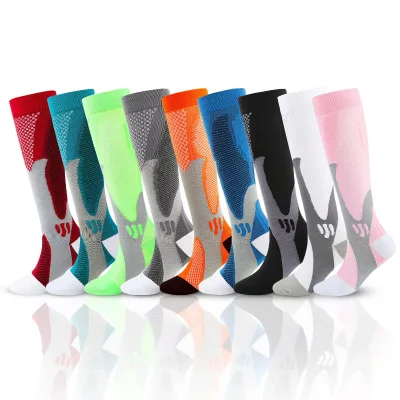
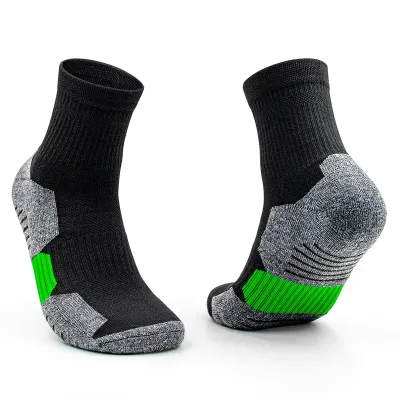


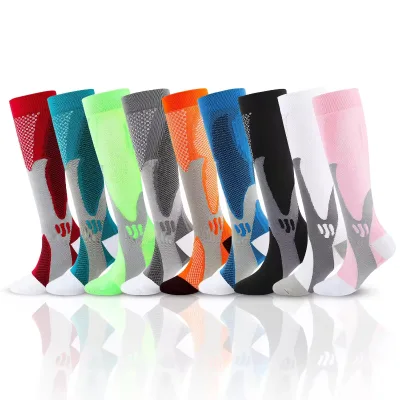

Comprehensive Sourcing Guide
Strategic Sourcing Guide for Knee Socks Procurement
Navigating the global market for Knee Socks requires a disciplined approach that balances technical specifications with supply chain reliability. The core keyword "Knee Socks" encompasses a diverse range of products, from athletic compression wear to casual fashion items. For B2B buyers, the primary challenge lies in distinguishing between generic inventory and specialized manufacturing capabilities. This guide synthesizes available product data and industry standards to provide a framework for evaluating potential suppliers, ensuring that procurement decisions are grounded in verifiable facts rather than marketing assertions.
Technical Specifications and Product Attributes
The first step in sourcing Knee Socks is a rigorous analysis of technical attributes. The market data indicates a significant variation in product definitions, which can lead to confusion if not carefully managed. A critical observation from the available product pool is the diversity in length and style classifications. While the core search term is "Knee Socks," the data reveals specific model identifiers such as DL-AS-02 and DL-WS-135, alongside generic descriptors like "Sports socks" and "lady socks." Buyers must verify that the supplier's definition of "knee" aligns with their specific operational needs.
One of the most distinct technical attributes observed is the height classification. The product list explicitly notes "Height: Middle" and "Height: Tall" alongside "Height: Ankle Sock." This suggests that suppliers may use these terms interchangeably or offer a range of heights under a single SKU. For Knee Socks specifically, the data confirms the existence of a "Knee Socks" length specification and a "Knee" style attribute. However, the presence of "Leggings" as a style attribute in the same dataset highlights the need for precise communication regarding the garment's intended coverage.
Material composition is another vital technical parameter. The data points to a blend of "Polyester & Cotton" as a common material configuration. This combination typically offers a balance of durability and comfort, suitable for both athletic and casual use. Furthermore, the "Technic: Knitting" specification indicates the manufacturing method, which directly influences the fabric's elasticity and fit. Buyers should request detailed fabric composition certificates to confirm the percentage of cotton versus synthetic fibers, as this affects moisture management and shrinkage rates.
| Attribute Category | Observed Data Points | Verification Requirement |
|---|---|---|
| Length/Style | Knee Socks, Knee, Leggings, Ankle | Confirm exact measurement from crotch to hem. |
| Height | Middle, Tall, Ankle | Define "Knee" height in centimeters (e.g., 24x12cm). |
| Material | Polyester & Cotton | Verify blend ratio and fiber origin. |
| Function | Sweat-absorbent, Compression (20-30mm Hg) | Validate functional claims with test data. |
| Packing | 1pair/OPP Bag, 1pair with Brand Card | Confirm packaging dimensions (e.g., 15x5x5 cm). |
Compliance, Certification, and Standards
In the realm of textile procurement, compliance is not merely a formality but a critical risk mitigation strategy. The provided data mentions "SGS" as a product standard for specific models, such as FY-0642. This indicates that some suppliers in the market are capable of meeting international third-party testing requirements. However, the data also lists "custom size" as a standard for other models, suggesting that compliance protocols may vary significantly between suppliers.
Buyers must not assume that all Knee Socks in a supplier's catalog carry the same certification status. The presence of "SGS" in the dataset is a positive signal but should be treated as a specific attribute of certain SKUs rather than a universal guarantee. When evaluating suppliers, procurement teams should explicitly request current SGS reports or equivalent certifications (such as OEKO-TEX or ISO standards) relevant to the specific product line being ordered.
Furthermore, the "Feature" attribute lists several performance claims, including "Eco-Friendly," "Anti-Bacterial," "Deodorization," and "Anti-Slip." These are functional claims that require substantiation. For instance, the "Anti-Bacterial" feature implies a treatment process that must meet specific microbial reduction standards. Similarly, the "20-30mm Hg Pressure" specification for functional sports socks refers to medical-grade compression levels. Buyers must verify that the supplier can provide test reports confirming these pressure levels and antimicrobial efficacy, as these claims often dictate the product's marketability and regulatory compliance in different regions.
Cost Drivers and Pricing Dynamics
Understanding the cost structure of Knee Socks is essential for budgeting and negotiation. The observed price range in the market data spans from $0.30 to $6.80 USD. This wide variance is driven by several factors, including material quality, compression technology, and customization levels. The lower end of the spectrum likely corresponds to basic cotton-polyester blends with standard packaging, while the higher end may reflect specialized compression features, branded packaging, or complex knitting techniques.
A significant cost driver is the "Customization" attribute, which is marked as "Available" and "OEM&ODM: It Is Welcome." Customization introduces variable costs related to mold creation, design setup, and minimum order quantity (MOQ) adjustments. The data shows an MOQ range of 2 to 3000 units. Suppliers with lower MOQs (e.g., 2 units) may charge a premium per unit to cover setup costs, whereas suppliers requiring higher volumes (up to 3000) can offer more competitive unit pricing.
Packaging also influences cost. The dataset lists "1pair/OPP Bag" and "1pair with Brand Card and Put Into Polybag" as distinct options. The inclusion of branded cards and specific polybagging adds material and labor costs. Additionally, the "Single package size" of 15x5x5 cm suggests that logistics costs will be a factor. Buyers should calculate the landed cost by factoring in the volume and weight of the packaged goods, as Knee Socks can be bulky relative to their weight, affecting shipping efficiency.
Typical Applications and Market Segmentation
Knee Socks serve a variety of applications, ranging from high-performance athletics to everyday fashion. The data identifies "Sports socks" and "Functional Sports Socks" as specific product names, indicating a strong presence in the athletic market. The "Feature" list, which includes "Breathable," "Thermal," and "Anti-Slip," supports the use of these products in active environments where temperature regulation and grip are critical.
The "Season" attribute, listing "Spring / Autumn" and "All Seasons," suggests versatility. However, the "Winter" and "Summer" mentions in other entries indicate that specific thermal properties may be engineered for seasonal variations. For example, the "Thermal" feature implies suitability for colder weather, while "Breathable" is crucial for summer activities.
Demographic segmentation is also evident. The "Gender" is listed as "Unisex," and the "Age" group includes "Children" and "All." This broadens the potential market for Knee Socks, allowing suppliers to target schools, sports teams, and general retail. The "Style" attribute, which includes "Knee" and "Leggings," further expands the application to fashion-forward consumers who may prefer the aesthetic of knee-highs over traditional athletic socks. Buyers should align their procurement strategy with their target demographic, ensuring the selected product features match the intended use case.
Supplier Evaluation and Operational Capabilities
Evaluating a supplier for Knee Socks requires a deep dive into their operational capabilities and geographic location. The data indicates that the "prod_origin" is primarily "China," with a specific mention of "Nanchang, Jiangxi Province." This location is a known hub for textile manufacturing, but buyers should verify the specific factory's capacity and reputation.
The "Service" attribute lists "OEM Service" as available, and "Free Sample: Acceptable&Negotiable" is noted. These are positive indicators of supplier flexibility. However, the "Negotiable" nature of free samples suggests that terms may vary, and buyers should clarify any potential costs before requesting samples. The ability to provide samples is crucial for verifying the "Knitting" quality and the accuracy of the "20-30mm Hg" compression claims.
When assessing suppliers, buyers should look for evidence of consistent quality control. The "Standard" attribute varies from "SGS" to "custom size," indicating that some suppliers may lack standardized testing protocols. A robust supplier should have a documented quality management system that covers everything from raw material inspection to final packaging. The "Product name" and "prod_model" consistency across the catalog is also a sign of a mature supplier, whereas a lack of model consistency might indicate a trading company rather than a manufacturer.
Quality Control and Long-Term Procurement
Implementing a rigorous quality control (QC) process is non-negotiable for long-term success in knee sock procurement. Given the "Feature" claims like "Anti-Bacterial" and "Deodorization," buyers must establish a protocol for periodic testing. This should include verifying the durability of these treatments after multiple wash cycles, as these claims can degrade over time.
The "Thickness: Normal" specification provides a baseline, but buyers should define acceptable tolerance ranges for thickness and weight. The "Weight: 38g" for a specific size (24x12cm) serves as a reference point. Deviations from this weight could indicate material inconsistencies or production errors. Regular third-party inspections, similar to the "SGS" standard mentioned in the data, should be scheduled at critical stages of production, such as pre-production, during production, and pre-shipment.
Long-term procurement considerations also involve supply chain resilience. The "Lead time" is not explicitly provided in the data, but the "MOQ" range of 2 to 3000 suggests that suppliers may have varying production capacities. Buyers should assess the supplier's ability to scale production up or down based on demand fluctuations. The "OEM&ODM" capability is a key asset for long-term partnerships, as it allows for product evolution and differentiation in the market.
Finally, buyers should maintain a clear record of all product attributes, including the "prod_packing" and "prod_standard" details. This documentation ensures that future orders match the initial specifications, reducing the risk of receiving non-compliant goods. By adhering to a disciplined, evidence-based approach, buyers can navigate the complexities of the Knee Socks market and secure a reliable supply chain that meets both quality and commercial objectives.
FAQs
What materials are used for Knee Socks?
The Knee Socks are typically made from a blend of Polyester and Cotton. This combination provides durability and comfort suitable for athletic and casual use. Buyers should verify the specific blend ratio to ensure it meets their moisture management needs.
Can I get custom packaging for Knee Socks?
Customization is available for Knee Socks including specific packaging options like OPP bags or polybags with brand cards. The single package size is often around 15x5x5 cm. Buyers should confirm packaging dimensions and branding requirements before placing an order.
Which certifications do Knee Socks manufacturers hold?
Some knee sock models carry SGS certification as a product standard. However, other models may only list custom size standards. Buyers must explicitly request current SGS reports or equivalent certifications for the specific product line to ensure compliance.
How much is the minimum order quantity for Knee Socks?
The minimum order quantity ranges from 2 to 3000 units depending on the supplier and customization level. Lower MOQs often carry higher unit costs to cover setup fees. Buyers should negotiate based on their volume requirements and specific product models.
Where are Knee Socks manufactured?
The products originate from China, with specific mentions of Nanchang in Jiangxi Province. This region is a known hub for textile manufacturing. Buyers should verify the specific factory location and capacity to ensure supply chain reliability.
What compression levels are available for sports Knee Socks?
Functional sports socks feature compression levels of 20-30mm Hg. This specification refers to medical-grade compression suitable for athletic performance. Buyers must verify that the supplier can provide test reports confirming these pressure levels.
Are free samples available for Knee Socks?
Free samples are acceptable and negotiable for Knee Socks. Terms may vary regarding potential costs or conditions. Buyers should clarify sample terms before requesting them to verify knitting quality and compression claims.