Source Knife Case for Fishing, Restaurant, and Outdoor Storage
Source Knife Case options from 30 verified listings. Compare materials like aluminum and wood, check dimensions, and review customization support for fishing, restaurant, and daily storage needs. Evaluate features such as IP ratings, warranty periods, and OEM capabilities to find the right fit for your business requirements.
Key considerations
Products List
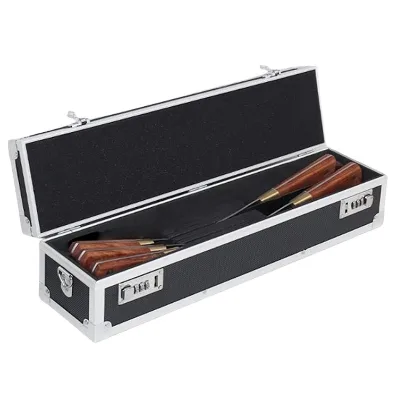
Aluminum Knife Case,Kitchen Knife Tools Case ,Portable Knife Organizer Case
$11.00 - $13.00
MOQ: 50 pieces
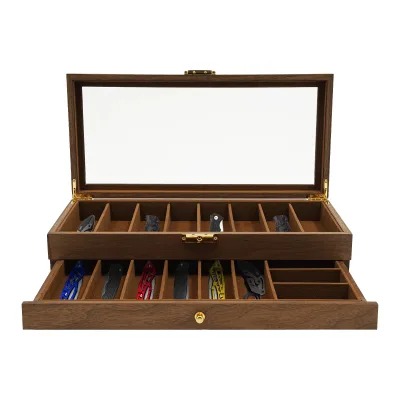
Knife Display Case, Knife Storage Box, 2-Tier Knife Display Case Organizer
$6.00 - $8.00
MOQ: 100 pieces
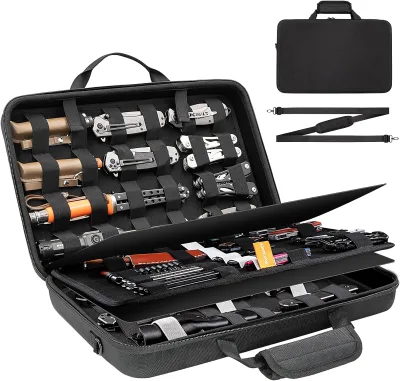
Knife Case Portable Knife Organizer Block Holders Protectors OEM/ODM Support
$11.34 - $13.40
MOQ: 50 pieces

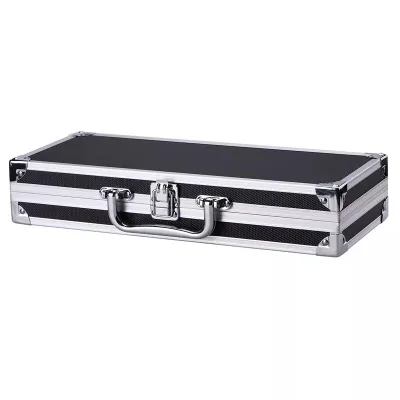
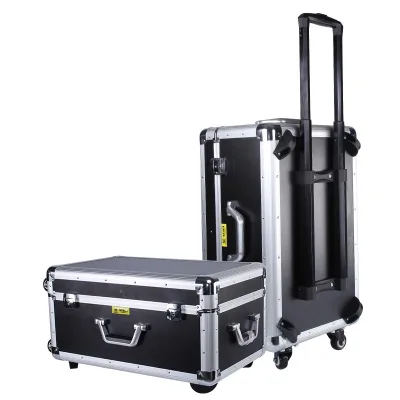
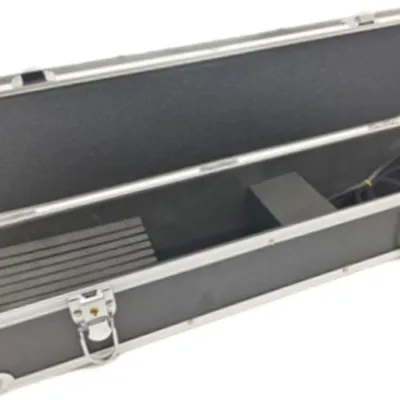


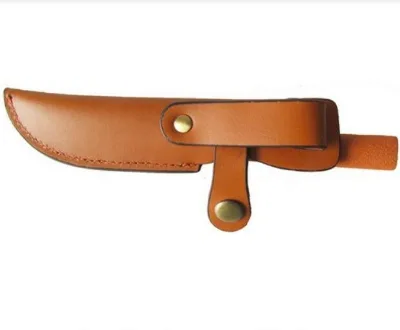
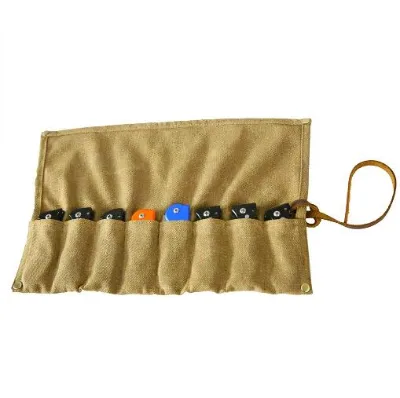


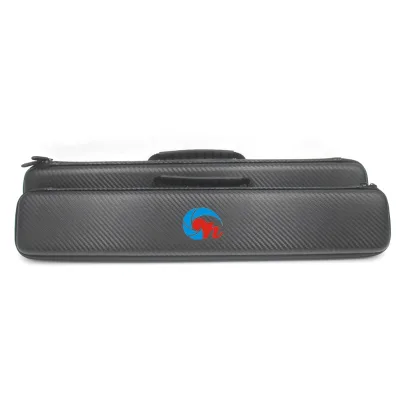
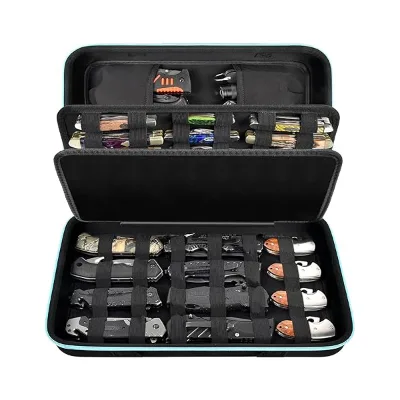

$1.00 - $500.00
MOQ: 1 Pieces

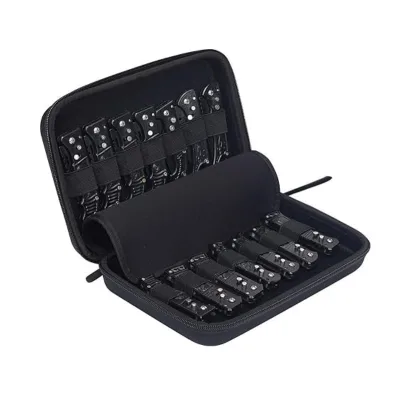

Plastic Waterproof Gun Box Gun Safety Case Plastic Waterproof Case Foam Gun Case
$140.00 - $160.00
MOQ: 1 Pieces


Comprehensive Sourcing Guide
Knife Case Sourcing Guide
Sourcing knife cases requires a clear understanding of the diverse product landscape, which ranges from rugged outdoor storage to elegant display units. Buyers must first distinguish between functional tool protection and aesthetic presentation, as the material and design priorities differ significantly. For instance, aluminum cases offer durability for active use, while wooden or fabric-lined options cater to display or indoor storage needs. This initial segmentation helps narrow the supplier pool to those with relevant manufacturing expertise.
The procurement process also involves evaluating customization capabilities, as many suppliers offer OEM, ODM, and OBM services. This flexibility allows buyers to tailor dimensions, colors, and branding to specific market demands. However, it is crucial to verify the minimum order quantities (MOQs) associated with these customizations, as they can vary widely from standard stock items to bespoke production runs. Understanding these commercial constraints early prevents costly delays and ensures alignment with inventory planning goals.
Product Scope and Observed Listing Signals
The current market for knife cases exhibits a wide variance in materials, with aluminum and wood being prominent options. Aluminum cases often emphasize lightweight durability and weather resistance, suitable for fishing or outdoor activities, while wooden cases may focus on modern, simple styles for daily or restaurant use. Buyers should observe these material distinctions closely, as they directly impact the product's weight, cost, and intended application environment.
Listing signals also reveal significant variation in packaging and dimensions. Some products are packaged in bubble bags and cartons with specific single package sizes, while others may have different gross weights and dimensions. These physical attributes are critical for calculating shipping costs and storage requirements. Buyers must carefully review the single gross weight and package dimensions to ensure compatibility with their logistics infrastructure and to avoid unexpected freight charges.
Technical Specifications to Verify
Dimensional accuracy is paramount when sourcing knife cases, as the internal space must accommodate specific knife sizes and quantities. Buyers should verify the exact internal and external dimensions, noting that some listings provide single package sizes while others offer specific product dimensions. Discrepancies between listed and actual dimensions can lead to fitting issues, so requesting detailed technical drawings or samples is essential before finalizing orders.
Closure mechanisms and structural integrity are other key technical factors. Buckle closures are common, but the quality of these components affects the case's security and longevity. Additionally, features like adjustable straps, wheel types, and the number of tool drawers or pockets influence usability. Buyers should confirm these specifications with suppliers to ensure the case meets the functional requirements of the end-user, whether for professional kitchen use or outdoor adventures.
Compliance and Safety Documentation
While specific certification requirements depend on the target market, buyers should inquire about relevant safety and quality standards. For cases intended for food-related environments, such as restaurants, compliance with hygiene and material safety regulations is critical. Buyers must verify that the materials used, including linings and coatings, are safe for contact with food items and do not pose health risks.
Documentation regarding the product's origin and manufacturing practices should also be reviewed. Knowing the place of origin, such as Guangdong, China, can provide insights into the supply chain and potential regulatory frameworks. Buyers should request any available test reports or compliance certificates from suppliers to ensure the products meet international safety standards, thereby mitigating legal and reputational risks in their respective markets.
Cost Drivers and Commercial Terms
Pricing for knife cases is influenced by material choice, customization level, and order volume. Aluminum cases may carry different price points compared to wooden or fabric-lined alternatives, depending on the complexity of the manufacturing process. Buyers should analyze the price range relative to the features offered, such as IP ratings or warranty periods, to assess value for money. Understanding these cost drivers helps in negotiating better terms and selecting suppliers that offer competitive pricing without compromising quality.
Commercial terms, including MOQs and payment conditions, vary among suppliers. Some may require higher MOQs for customized products, while others offer lower thresholds for standard items. Buyers should clarify these terms early in the sourcing process to align with their budget and inventory strategies. Additionally, understanding the warranty period, which can range from one to three years, provides insight into the supplier's confidence in their product's durability and after-sales support.
Supplier Qualification and Quality Control
Evaluating supplier qualifications is essential to ensure consistent product quality and reliable service. Buyers should assess the supplier's experience in manufacturing knife cases, their production capacity, and their ability to handle customized orders. Verifying their business model, whether they operate as OEM, ODM, or OBM providers, helps determine their flexibility and expertise in meeting specific buyer requirements.
Quality control processes should be clearly defined and agreed upon before production begins. Buyers should inquire about the supplier's inspection procedures, including pre-production, during-production, and pre-shipment inspections. Establishing clear quality standards and acceptance criteria helps minimize the risk of receiving defective products. Regular communication and site audits, if feasible, can further ensure that the supplier maintains high-quality manufacturing practices throughout the production cycle.
Long-Term Procurement Checks
Building a sustainable supply chain for knife cases requires ongoing monitoring and relationship management. Buyers should regularly review supplier performance metrics, such as on-time delivery rates, product quality consistency, and responsiveness to issues. Establishing a feedback loop with suppliers helps identify areas for improvement and fosters a collaborative partnership that benefits both parties in the long run.
Adapting to market changes and evolving customer preferences is also crucial for long-term success. Buyers should stay informed about trends in Knife Case design, materials, and functionality to ensure their offerings remain competitive. Regularly reassessing the supplier portfolio and exploring new sourcing opportunities can help mitigate risks and capitalize on emerging market opportunities, ensuring a resilient and agile procurement strategy.
FAQs
What materials are used for the knife cases?
The knife cases are constructed from aluminum or wood depending on the specific model selected. Some versions feature a nylon lining for added protection. These materials ensure durability while keeping the weight manageable for outdoor activities like fishing.
Can I customize the logo and color of the case?
Yes, you can customize the logo and color to match your brand requirements. The supplier accepts OEM, ODM, and OBM support for these customizations. This allows buyers to create unique products that stand out in the market while maintaining high quality standards.
What is the minimum order quantity for these cases?
The minimum order quantity varies between 50 and 200 pieces depending on the specific product model. Some listings require 50 pieces while others start at 100 or 200 units. Buyers should verify the exact MOQ for their chosen model before placing an order.
How long is the warranty period for the product?
The warranty period ranges from one to three years based on the specific case type purchased. Some durable models offer a three-year warranty while others provide one year of coverage. This ensures long-term reliability for storage and outdoor use applications.
Where are these knife cases manufactured?
These knife cases are manufactured in Guangdong, China. The production facility is located in this region known for its manufacturing capabilities. Buyers can expect consistent quality and efficient logistics from this specific place of origin for all orders.
What are the dimensions of the single package?
The single package size varies by model, ranging from 50x40x30 cm to 70x30x30 cm. Some specific dimensions are listed as 60x50x42 cm for certain units. Packaging includes bubble bags, inner boxes, and cartons to ensure safe transport during shipping.