Source Knitted Cotton Sports Sunglasses for Running, Cycling, and Hiking
Explore 30 listings for Knitted Cotton Sports Sunglasses designed for active lifestyles. Compare features like UV400 protection, polarized lenses, and customizable frames from verified manufacturers to find the right fit for your brand; compare the available evidence and request quotations based on your requirements.
Key considerations
Products List


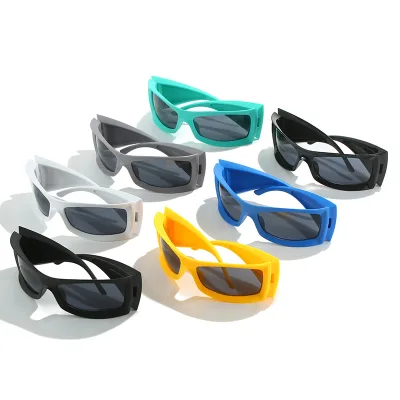
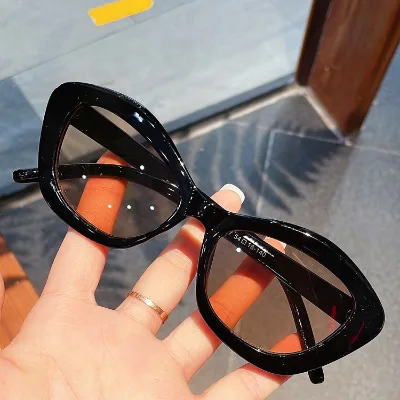


Comprehensive Sourcing Guide
Knitted Cotton Sports Sunglasses Sourcing Guide
The term "Knitted Cotton Sports Sunglasses" presents a specific material contradiction that requires immediate clarification during the initial sourcing phase. While the core keyword suggests a soft, breathable fabric frame, the observed product data indicates that the majority of available sports eyewear utilizes rigid materials such as PC (polycarbonate) or TRL for the frame structure to ensure durability during high-impact activities. Buyers must distinguish between the actual frame composition and any textile accents, as the supplied facts confirm that frames are typically constructed from impact-resistant plastics rather than knitted cotton, which would lack the necessary structural integrity for sports use.
Procurement strategies should focus on verifying the specific material composition of the frame and lens to align with the intended athletic application. The observed listings highlight products with PC frames and polarized or UV400 lenses, which are standard for sports environments where impact resistance and optical clarity are paramount. Sourcing teams should prioritize suppliers who can clearly articulate the material breakdown, ensuring that any "knitted" references refer to temple tips or nose pads rather than the primary frame, thereby avoiding confusion regarding the product's suitability for rigorous physical activities.
Product Scope and Observed Listing Signals
The current market landscape for sports eyewear reveals a diverse range of models, including visor styles and fashion-forward designs, with observed price points ranging from $0.86 to $9.55 per unit. These listings often feature customizable options such as OEM branding and a wide array of frame colors, including black, gunmetal, gold, and silver, alongside various lens tints like smoke, green, and brown. Buyers should note that while the keyword implies a specific textile construction, the actual product scope is dominated by hard-frame sunglasses designed for unisex or specific gender markets, with models like OFFA1009 and OFFR3183 representing the typical structural variations available.
Minimum Order Quantities (MOQs) vary significantly across suppliers, ranging from as low as 2 pieces to as high as 1,200 units, reflecting the flexibility of the manufacturing base. This variance allows buyers to test the market with small batches or secure bulk inventory for large-scale distribution. The observed packing standards, such as 12 pieces per inner box or 300 pieces per carton, provide clear logistical benchmarks for planning shipping and storage. Procurement teams must align their order volumes with these MOQ thresholds to optimize unit costs while maintaining sufficient inventory levels to meet demand without overstocking.
Technical Specifications to Verify
When evaluating technical specifications, the frame dimensions and lens optical attributes are critical determinants of product performance and user comfort. The observed data specifies frame sizes such as 63-65-13mm and 13-17-140mm, with customizable frame shapes available to meet specific facial requirements. Buyers must verify that the lens optical attributes, such as polarization or UV400 protection, match the intended usage environment, as these features directly impact eye safety and visual clarity during outdoor sports. The standard product dimensions of 1.9"x16.4" or 18.0 x 6.0 x 6.0 cm provide a baseline for packaging and display considerations.
Material selection for both the frame and lenses requires rigorous verification to ensure durability and safety standards are met. The supplied facts indicate that PC and TRL are common frame materials, offering high impact resistance essential for sports applications. Lens options include AC, PC, Cr39, and polarized variants, each offering different levels of optical performance and weight. Procurement teams should request detailed material data sheets to confirm that the selected components meet the specific durability and optical requirements of the target market, ensuring the final product delivers on its performance promises.
Compliance and Safety Documentation
Compliance with international safety standards is non-negotiable for sports eyewear, particularly given the high-impact nature of the intended use. The observed product listings frequently cite certifications such as FDA, CE, and compliance with standards like EN1836:2005 and AS/NZS1067:2003. These certifications validate that the sunglasses meet specific requirements for optical quality, impact resistance, and UV protection. Buyers must ensure that the supplier can provide valid, up-to-date certification documents for each batch, as these are often required for customs clearance and retail distribution in regulated markets.
In addition to product-specific certifications, manufacturers should demonstrate adherence to broader quality management systems to ensure consistent production quality. The observed data mentions ISO9001 and EN ISO 12311:2013 as relevant standards, which govern the quality management processes and optical safety of the eyewear. Procurement teams should verify that the supplier's quality control protocols are aligned with these standards, including regular testing for UV transmission and impact resistance. This due diligence helps mitigate the risk of product recalls and ensures that the supplied goods meet the safety expectations of end-users and regulatory bodies.
Cost Drivers and Commercial Terms
The final cost of sports sunglasses is influenced by several key factors, including material selection, customization complexity, and order volume. The observed price range of $0.86 to $9.55 suggests that basic models with standard frames and lenses are available at lower price points, while customized options with premium materials or specialized lens treatments command higher prices. Buyers should analyze the cost structure to understand how factors like OEM branding, specific color requests, and packaging requirements impact the unit price, allowing for more accurate budgeting and margin planning.
Commercial terms, particularly regarding packaging and shipping, play a significant role in the overall procurement cost and logistics efficiency. The observed packing configurations, such as 12 pieces per inner box or 300 pieces per carton, directly affect the volume and weight of shipments, influencing freight costs. Additionally, the origin of the products, primarily from China with specific hubs like Xiamen and Zhejiang, impacts lead times and shipping routes. Procurement teams should negotiate clear terms regarding packaging standards and delivery schedules to ensure that the total landed cost remains competitive while maintaining the integrity of the product during transit.
Supplier Qualification and Quality Control
Selecting a qualified supplier requires a thorough assessment of their manufacturing capabilities and quality control systems. The observed data indicates that many suppliers offer OEM services and accept customized logos, suggesting a flexible production environment. However, buyers must verify the supplier's ability to maintain consistent quality across large production runs, especially when dealing with complex customizations like specific frame colors or lens tints. A robust quality control process should be in place to inspect frames for structural integrity and lenses for optical clarity before shipment.
Quality control checks should extend beyond the final product to include raw material verification and in-process inspections. Suppliers should demonstrate a commitment to high-quality standards, as evidenced by the mention of "High Quality" attributes in the product descriptions. Buyers should request samples for rigorous testing, including impact resistance and UV protection verification, to ensure the products meet the specified standards. Establishing a clear communication channel for quality feedback and resolution is essential for maintaining a successful long-term partnership and ensuring that the supplied goods consistently meet the buyer's expectations.
Long-Term Procurement Checks
Establishing a long-term procurement strategy involves regular audits and performance reviews to ensure ongoing compliance and quality. Buyers should schedule periodic assessments of the supplier's production lines and quality control processes to verify that standards are consistently maintained over time. This proactive approach helps identify potential issues early, allowing for corrective actions before they impact the supply chain. Regular communication regarding market trends and technological advancements in eyewear materials can also help buyers stay ahead of the competition and adapt their product offerings accordingly.
Continuous improvement in the supply chain requires a focus on sustainability and efficiency. Buyers should evaluate the supplier's environmental practices and their ability to adapt to changing regulatory requirements, such as new safety standards or material restrictions. By fostering a collaborative relationship with suppliers, buyers can drive innovation and cost reductions while ensuring that the product line remains competitive. Long-term success in the sports eyewear market depends on the ability to maintain high standards of quality, compliance, and reliability while adapting to the dynamic needs of the global market.
FAQs
How can I customize Knitted Cotton Sports Sunglasses for my brand?
Customization is available, including any Pantone color and a customized logo on the product. You can also choose frame shape, with size 63-65-13 or 13-17-140 as reference dimensions. Branding follows an OEM model, so confirm artwork, logo placement, and packing preferences with the supplier before production begins.
What packaging options are offered for Knitted Cotton Sports Sunglasses?
Several packing formats are listed, such as 1PCS per paper box with 120PCS per carton, OPP plus box, 12PCS per inner box with 300PCS per carton, and 1PC per polybag with 10 or 12PCS per inner box. Single package size is about 19X9X8 cm, and gross weight is roughly 0.100 KG per unit.
What certifications do the listed Knitted Cotton Sports Sunglasses meet?
Listed products reference FDA and CE certification, with some entries also citing SGS, UV, AS/NZS1067:2003, EN1836:2005, ISO9001, UV400, and EN ISO 12311:2013. Treat these as per-listing observations, so request current certificates and test reports from the specific supplier you select before confirming an order.
What materials and lens options are available for Knitted Cotton Sports Sunglasses?
Frame materials listed include PC and TR with PC lenses, and lens options cover AC, PC, polarized, Cr39, and glasses polarized. Optical attributes include UV400 and polarized performance, with smoke, green, brown, and other lens colors. Frame colors range across black, gun, gold, silver, brown, and many more.
Which price and MOQ ranges apply to Knitted Cotton Sports Sunglasses?
Listed prices range from 0.86 to 9.55 USD and MOQs range from 2 to 1200 pieces. These values are observations across current listings, not guarantees for every model. Final pricing depends on material choices, lens type, customization, and order quantity, so request quotations for your exact specification.
Where are these Knitted Cotton Sports Sunglasses produced and shipped from?
Listed origins include China, with specific entries from Xiamen and Zhejiang. Products are adults, unisex or men's fashion sunglasses, and model numbers such as OFFA1009, OFFR3183, LX2201201, and HNB-82 appear in listings. Confirm the exact origin, production capacity, and shipping arrangements directly with each candidate supplier.