Source Knitted Breathable Women Headbands for Daily Use, Winter, and Fashion
Find 30 Knitted Breathable Women Headbands suitable for daily wear and winter seasons. Compare fabric options, customization services, and OEM/ODM capabilities for girls and adults. Source elastic hair bands with simple or cute styles from China.
Key considerations
Products List


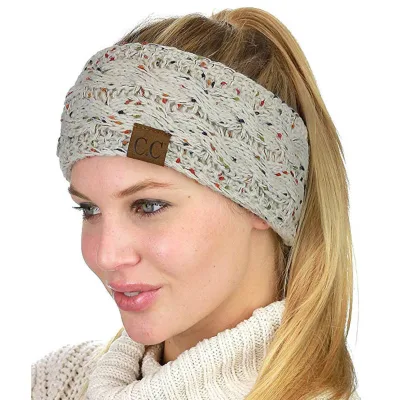
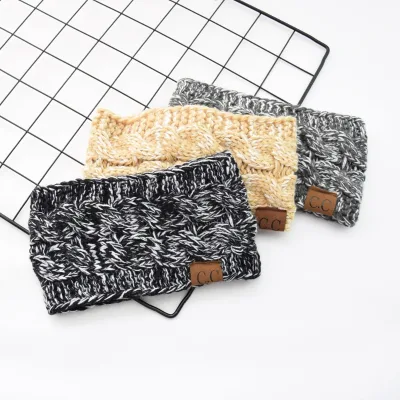
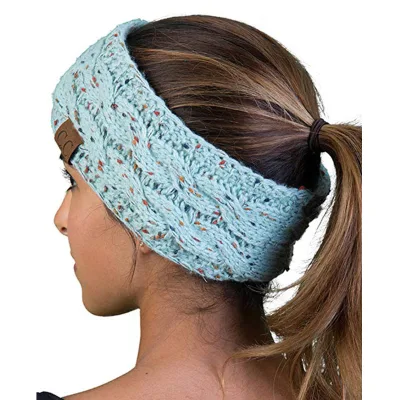


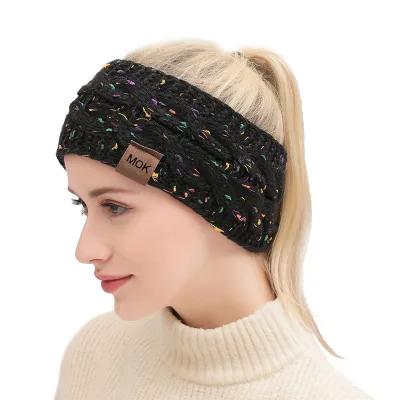


Promotional Fashion Men Women Knit Yoga Headband Adjustable Sports Headband
$0.50 - $2.00
MOQ: 300 Pieces


Women Face Wash Custom Knit Wide Hair Bands Cross Twisted Knotted Headband
$0.73 - $0.83
MOQ: 100 Pieces


Comprehensive Sourcing Guide
Knitted Breathable Women Headbands Sourcing Guide
Sourcing Knitted Breathable Women Headbands requires a nuanced understanding of material composition, manufacturing capabilities, and commercial terms that vary significantly across suppliers. The product category encompasses a wide range of styles, from simple elastic bands to more complex bowknot designs, often targeting both daily use and specific seasonal needs. Buyers must navigate a landscape where customization is prevalent, with many manufacturers offering OEM and ODM services to tailor products to specific brand identities. This guide provides evidence-based procurement strategies to help buyers make informed decisions, ensuring that the final product meets quality, safety, and commercial expectations.
The following sections detail the critical aspects of sourcing these accessories, from verifying technical specifications to evaluating supplier qualifications. By focusing on observable listing signals and standard industry practices, buyers can mitigate risks associated with inconsistent quality or non-compliant materials. The goal is to provide a comprehensive framework for evaluating potential suppliers and products, enabling buyers to secure reliable supply chains for their specific needs.
Product Scope and Observed Listing Signals
The observed product listings indicate a diverse range of headband styles, including elastic hair bands, headbands, and specific models such as hb001, hb002, hb005, and hb007. These products are primarily made from fabric, with some listings specifying a blend of 90% polyester and 10% spandex, which suggests a focus on stretch and comfort. The shapes vary, with bowknot designs being a notable feature, and the styles range from simple and cute to European and American fashion trends. This variety allows buyers to select products that align with their target market's aesthetic preferences, whether for daily use or specific occasions.
Listings also highlight customization options, with many suppliers accepting customized logos and offering sample availability. The packaging is typically described as OPP bags, with some suppliers offering bulk packaging options like 50 pieces per carton. The origin of these products is predominantly China, with Guangdong being a specific place of origin mentioned. Buyers should note that while the core keyword emphasizes "breathable" knitted headbands, the observed listings focus more on general fabric construction and elasticity, so verifying breathability through material composition and knit structure is essential during the sampling phase.
Technical Specifications to Verify
Buyers must verify the material composition and construction details to ensure the headbands meet performance expectations. The observed listings mention a fabric blend of 90% polyester and 10% spandex, which is common for elastic headbands due to its durability and stretch recovery. However, buyers should request detailed material specifications for each product, including the type of knit and any additional treatments that might affect breathability or comfort. It is crucial to confirm that the spandex content is sufficient to provide a secure fit without causing discomfort or leaving marks on the wearer's hair.
Dimensions and weight are also critical technical specifications to verify. Observed listings provide various dimensions, such as 13cm*22cm, 22 cm * 9 cm, and single package sizes of 22X12X3 cm. Buyers should ensure that the dimensions are consistent with their design requirements and that the weight, which ranges from 0.070 kg to 0.3 kg per item or package, aligns with their shipping and cost calculations. Additionally, buyers should verify the elasticity and adjustability of the headbands, as some listings mention adjustable features, which can enhance user satisfaction and reduce returns due to fit issues.
Compliance and Safety Documentation
While specific certification statuses are not explicitly detailed in the observed listings, buyers should prioritize suppliers who can provide relevant safety and compliance documentation. For textile products like headbands, this may include tests for colorfastness, shrinkage, and the presence of harmful substances, depending on the target market's regulations. Buyers should inquire about the supplier's quality control processes and their ability to provide test reports from accredited laboratories. This is particularly important for products intended for children or sensitive skin, as safety standards can be more stringent.
Buyers should also verify the supplier's adherence to international standards for textile products, such as OEKO-TEX or similar certifications, if applicable. Although the observed listings mention "Custom" standards, buyers should clarify what specific standards the supplier follows and whether they can provide documentation to prove compliance. This due diligence helps mitigate risks associated with regulatory non-compliance, which can lead to product recalls or legal issues in the destination market.
Cost Drivers and Commercial Terms
The cost of knitted women headbands is influenced by several factors, including material costs, customization requirements, and order volume. The observed listings show a wide range of prices, from $0.02 to $3.5 per unit, reflecting the diversity in product complexity and quality. Buyers should consider the impact of customization, such as logo printing or unique designs, which can increase production costs. Additionally, the minimum order quantity (MOQ) ranges from 10 to 2400 pieces, allowing for flexibility in order sizes but potentially affecting unit costs for smaller orders.
Commercial terms, such as payment methods, shipping options, and lead times, should be clearly defined in the purchase agreement. Buyers should negotiate terms that align with their cash flow and inventory management strategies. It is also important to consider the packaging details, as some suppliers offer customized packaging options, which can add to the overall cost but may be necessary for brand presentation. Buyers should request detailed quotations that break down costs for materials, labor, customization, and shipping to ensure transparency and avoid hidden fees.
Supplier Qualification and Quality Control
Evaluating supplier qualifications is crucial for ensuring a reliable supply chain. Buyers should assess the supplier's manufacturing capabilities, including their production capacity, quality control processes, and experience in producing similar products. The observed listings mention OEM and ODM services, indicating that many suppliers have the flexibility to accommodate custom orders. Buyers should request information about the supplier's factory audits, certifications, and past performance with other clients to gauge their reliability and professionalism.
Quality control measures should be a key part of the supplier evaluation process. Buyers should inquire about the supplier's inspection procedures, including pre-production, during-production, and pre-shipment inspections. It is also important to establish clear quality standards and acceptance criteria for the headbands, including checks for defects, color consistency, and dimensional accuracy. Buyers should consider conducting their own quality inspections or hiring third-party inspection services to verify that the products meet their specifications before shipment.
Long-Term Procurement Checks
Establishing long-term procurement relationships requires ongoing monitoring and evaluation of supplier performance. Buyers should regularly review key performance indicators (KPIs) such as on-time delivery, product quality, and responsiveness to issues. This helps identify potential problems early and allows for corrective actions to be taken. Buyers should also maintain open communication with their suppliers to discuss any changes in product requirements, market trends, or regulatory updates that may impact the procurement process.
Continuous improvement is essential for maintaining a competitive edge in the market. Buyers should encourage suppliers to innovate and improve their products and processes, such as by introducing new materials or designs that enhance breathability and comfort. Additionally, buyers should stay informed about industry trends and competitor activities to ensure that their product offerings remain relevant and attractive to consumers. By fostering a collaborative relationship with their suppliers, buyers can create a resilient supply chain that adapts to changing market conditions and customer needs.
FAQs
What materials are used for these knitted headbands?
The headbands are crafted from a fabric blend of 90% polyester and 10% spandex. This composition ensures elasticity and comfort for daily wear. The material supports customization and is suitable for whole-year use, including winter seasons. The fabric provides a soft texture while maintaining the structural integrity required for fashion and simple styles.
Can I customize the logo and packaging?
Yes, customization is available for both logos and packaging. You can accept a customized logo on the product. The standard packing is an OPP bag, but you can also choose 1PCS/PP Bag with 50PCS/Carton or request fully customized packaging details. This service supports OEM and ODM requirements for your brand.
What is the minimum order quantity for these items?
The minimum order quantity starts at 10 pieces for girl knit headbands. Some listings indicate an MOQ range up to 2400 pieces depending on the specific model. This low entry point allows for sample testing and small batch orders. The MOQ is flexible to accommodate different buyer needs and customization levels.
Where are these headbands manufactured?
These headbands originate from Guangdong, China. The production takes place in this specific region, which is known for textile manufacturing. The products are designed for global export and meet various style requirements including European and American styles. The origin ensures consistent quality for fashion and daily use accessories.
What sizes and specifications are available?
Available specifications include models like hb001, hb002, and hb007. Sizes vary, with some standard dimensions around 13cm by 22cm or 22cm by 9cm. Customized sizes are also supported to meet specific design needs. The weight is approximately 13g per unit, and single package sizes are around 22x12x3 cm for efficient shipping.
Are samples available for quality checking?
Samples are available for buyers to check quality before placing bulk orders. You can request a sample to verify the fabric, stitching, and customization options. This allows you to assess the product suitability for your target market. The sample process supports the OEM and ODM services provided by the manufacturers.