Source Korean Style Rhinestone Pearl Headband for Daily Wear
Explore 30 listings of Korean Style Rhinestone Pearl Headband options suitable for daily wear, casual occasions, and fashion styling. Compare features like material, color, and customization availability from verified suppliers in China; compare the available evidence and request quotations based on your requirements.
Updated
Key considerations
Products List
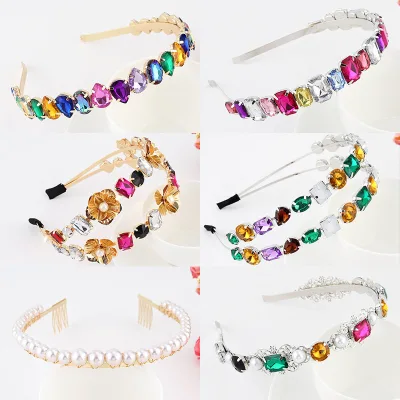
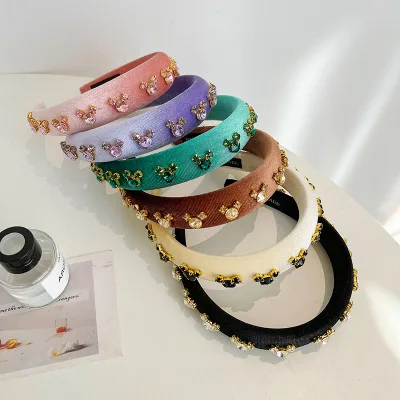
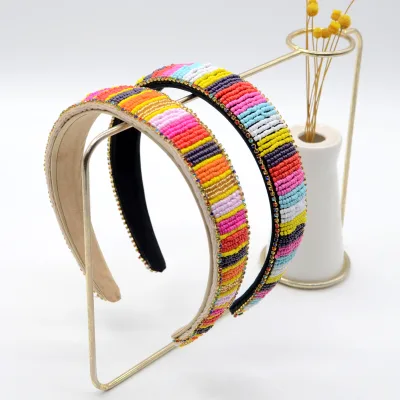
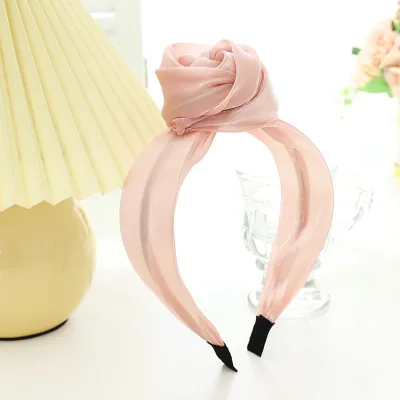
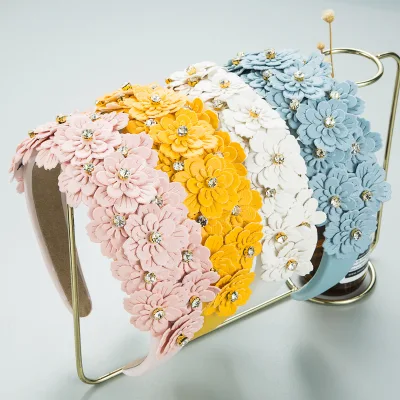
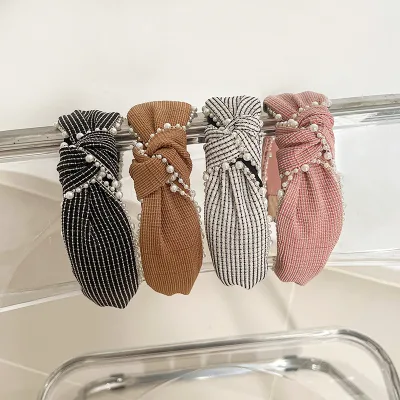
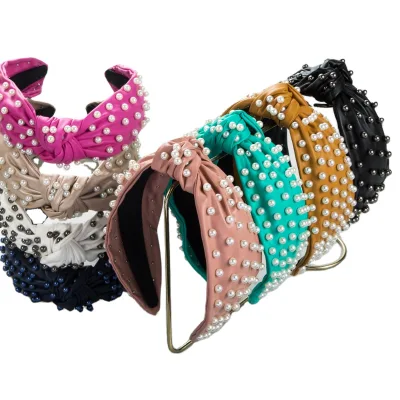
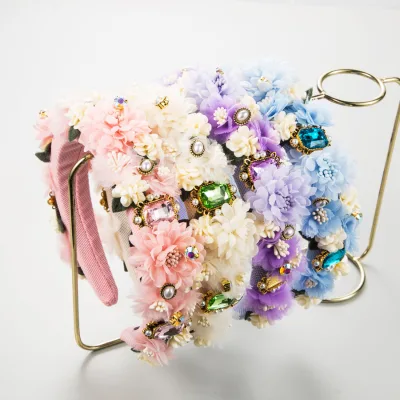
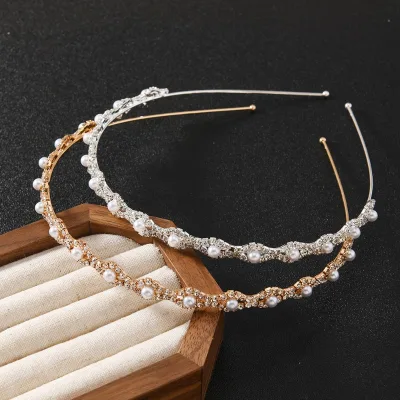
Hot Selling Korean Style Pearl Rhinestone Full Crystal Fairy Headband
$1.0328 - $1.3101
MOQ: 10 pieces
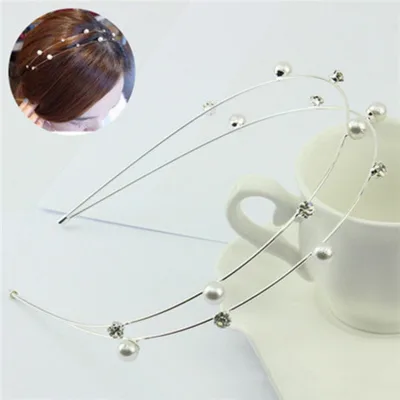
Hot Selling Korean Style Double Row Rhinestone Headband Sweet Pearl Hair Hoop
$0.5112 - $0.7705
MOQ: 20 pieces



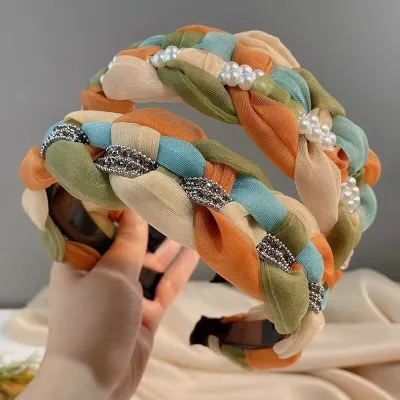
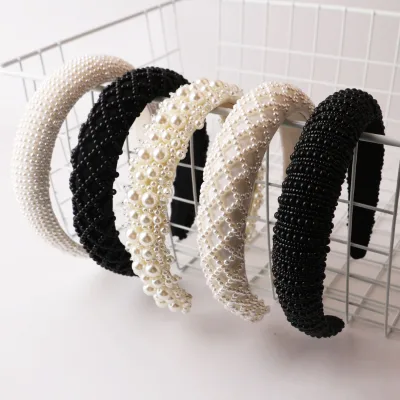
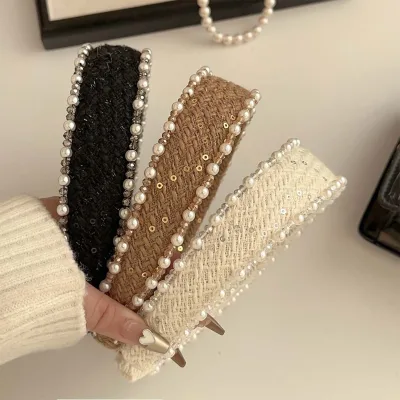
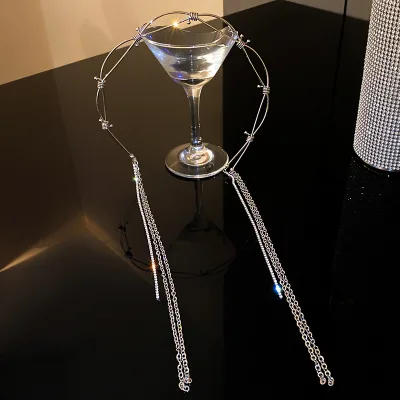


Comprehensive Sourcing Guide
Korean Style Rhinestone Pearl Headband Sourcing Guide
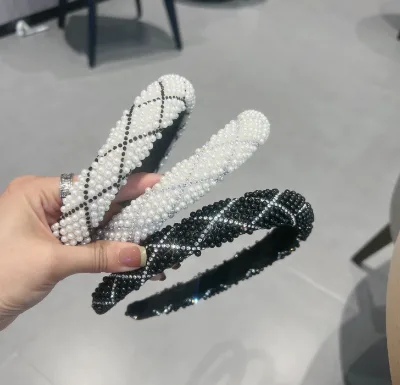
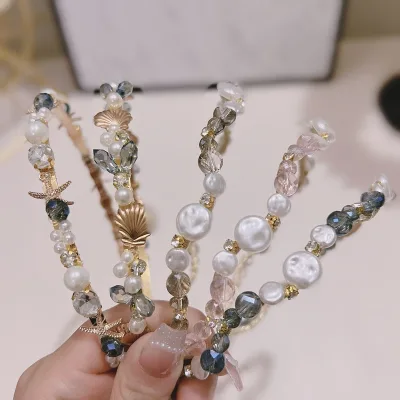
Sourcing Korean-style rhinestone pearl headbands requires a nuanced understanding of aesthetic trends and material quality, as these accessories serve as both functional hair decoration and fashion statements. Buyers must navigate a diverse product landscape where design elements range from simple solid patterns to intricate combinations of pearls, rhinestones, and metallic accents. The observed market signals indicate a strong preference for versatile styles suitable for daily use and casual occasions, with specific models like the "New Korean Product Checked Pearl With Knotted Headband" highlighting the demand for textured, knotted designs that blend traditional craftsmanship with modern aesthetics.
Procurement decisions should be guided by the specific visual attributes observed in current listings, such as the availability of water drop, square diamond, and bead configurations in gold and silver tones. These design variations cater to different consumer preferences, from minimalist elegance to bold, statement-making pieces. Understanding these aesthetic distinctions is crucial for aligning inventory with target market demands, ensuring that the selected headbands resonate with the intended demographic while maintaining the distinctive Korean style that emphasizes delicate detailing and refined finishes.
Product Scope and Observed Listing Signals
The current market for Korean-style rhinestone pearl headbands exhibits a wide variety of color options and material compositions, reflecting the dynamic nature of fashion accessories. Listings indicate the availability of colors such as black, white, purple, beige, green, pink, blue, and sky blue, allowing buyers to curate collections that appeal to diverse tastes. The presence of specific product names and model numbers, such as CA-B068 and CA-B106, suggests a structured inventory system where distinct designs are categorized by their unique features, including the use of fabric bases, acetate materials, and decorative elements like pearls and rhinestones.
Observations also reveal a focus on specific target demographics, with products explicitly labeled for women, ladies, and girls, indicating a broad market reach. The inclusion of seasonal indicators, such as spring and autumn suitability, helps buyers plan inventory cycles effectively. Furthermore, the presence of customization options and OEM/ODM acceptance signals that suppliers are equipped to handle bespoke orders, providing flexibility for brands seeking unique designs. This level of customization capability is a significant advantage for buyers looking to differentiate their offerings in a competitive market.
Technical Specifications to Verify
When evaluating technical specifications, buyers must prioritize the physical attributes that impact both the aesthetic appeal and the durability of the headbands. Key parameters include weight, with observed values ranging from approximately 30g to 76g, which influences comfort and wearability. The single package size of 10x2x10 cm and gross weight of 0.130 kg provide essential data for logistics planning and cost estimation. Verifying these dimensions ensures that the products meet the expected quality standards and fit within the logistical constraints of the supply chain.
Material composition is another critical factor, with fabric and acetate being common bases for these accessories. The presence of elements like pearls and rhinestones adds visual complexity and value, but it also requires careful inspection to ensure secure attachment and longevity. Buyers should verify the model numbers, such as R711 and HO-01751, to confirm specific design features and construction methods. Additionally, checking the origin, such as Zhejiang or Yiwu in China, can provide insights into the manufacturing capabilities and supply chain efficiency associated with these products.
Compliance and Safety Documentation
Compliance and safety documentation are essential for ensuring that Korean-style rhinestone pearl headbands meet international regulatory standards, particularly regarding material safety and chemical content. Buyers should request certificates of conformity that verify the absence of harmful substances, such as lead and cadmium, which are often regulated in fashion accessories. Although specific certification statuses are not provided in the observed data, it is crucial to confirm that suppliers adhere to relevant safety standards, such as those set by the Consumer Product Safety Commission or equivalent bodies in target markets.
Documentation should also include details on the manufacturing processes and quality control measures implemented by the supplier. This includes information on how rhinestones and pearls are attached to the headband base to prevent detachment during use, which is a common safety concern. Buyers should verify that the suppliers have established protocols for testing product durability and safety, ensuring that the final products are safe for consumers, especially for younger demographics like girls. Clear documentation helps mitigate risks and ensures that the products can be legally sold in various jurisdictions.
Cost Drivers and Commercial Terms
Cost drivers for Korean-style rhinestone pearl headbands include the complexity of design, the quality of materials, and the volume of the order. The observed price range of 0.1 to 10.5 USD reflects the diversity in product offerings, from simple fabric bands to intricate designs with multiple decorative elements. Minimum order quantities (MOQs) vary, with some listings indicating MOQs as low as 2 pieces, while others may require higher volumes, impacting the initial investment and inventory management strategies for buyers. Understanding these cost structures is vital for pricing strategies and profit margin calculations.
Commercial terms, such as lead times and payment conditions, also play a significant role in the procurement process. The observed delivery time of 15-30 days provides a baseline for planning, but buyers should negotiate specific terms based on order volume and urgency. Additionally, the acceptance of OEM/ODM services may incur additional costs, which should be factored into the overall budget. Clear communication regarding these terms ensures that both parties have aligned expectations, reducing the risk of delays or disputes during the procurement process.
Supplier Qualification and Quality Control
Supplier qualification is a critical step in ensuring the reliability and consistency of Korean-style rhinestone pearl headband supplies. Buyers should assess suppliers based on their production capabilities, quality control processes, and ability to meet customization requests. The presence of OEM/ODM acceptance indicates that suppliers are equipped to handle bespoke orders, but buyers must verify their capacity to maintain quality standards across different production runs. This includes evaluating their experience with similar products and their ability to manage complex designs involving pearls and rhinestones.
Quality control measures should be rigorously enforced, with buyers requesting samples to inspect the finish, attachment security, and overall aesthetic appeal. The observed variety in colors and designs suggests that suppliers have diverse production lines, but consistency is key to maintaining brand reputation. Buyers should establish clear quality criteria and conduct regular audits or inspections to ensure that the products meet these standards. Effective quality control not only reduces the risk of defects but also enhances customer satisfaction and brand loyalty.
Long-Term Procurement Checks
Long-term procurement checks involve continuous monitoring of supplier performance, market trends, and product quality to ensure sustained success in the Korean-style rhinestone pearl headband market. Buyers should establish key performance indicators (KPIs) to track delivery times, product quality, and responsiveness to issues. Regular communication with suppliers helps maintain strong relationships and facilitates quick resolution of any problems that may arise. Additionally, staying informed about emerging trends in fashion accessories allows buyers to adapt their inventory strategies and remain competitive.
It is also important to review and update procurement contracts periodically to reflect changes in market conditions and supplier capabilities. This includes renegotiating terms based on volume discounts, improved lead times, or enhanced quality standards. Buyers should also consider diversifying their supplier base to mitigate risks associated with single-source dependencies. By implementing robust long-term procurement checks, buyers can ensure a stable and efficient supply chain, supporting the growth and success of their fashion accessory business.
FAQs
What materials are used for these headbands?
The headbands are primarily made from fabric and acetate materials. Some styles incorporate decorative elements such as pearls and rhinestones to enhance their aesthetic appeal. The fabric base ensures comfort and durability for daily wear, while the decorative components add a touch of luxury suitable for various casual occasions.
What colors are available for the Korean style headbands?
Available colors include black, white, purple, beige, green, pink, blue, navy blue, khaki, gray, rose red, sky blue, orange, and gold or silver metallic finishes. Specific designs may feature water drop, square diamond, or pearl patterns in these color options, allowing buyers to select styles that match their inventory needs.
What is the typical MOQ for these products?
The minimum order quantity typically ranges from 2 to 300 pieces depending on the specific supplier and product model. Some listings indicate an MOQ of 3 pieces, while others may require higher volumes for customization. Buyers should verify the exact MOQ with the supplier before placing an order to ensure it aligns with their purchasing requirements.
Can these headbands be customized for branding?
Yes, OEM and ODM customization services are accepted for these headbands. Buyers can request specific designs, colors, or packaging options to suit their brand identity. The suppliers support custom orders, allowing for tailored product specifications. It is advisable to discuss customization details and lead times directly with the manufacturer to ensure feasibility.
What is the estimated delivery time for orders?
The estimated delivery time is generally between 15 and 30 days. This timeframe allows for production and shipping logistics. Buyers should confirm the exact lead time with the supplier, as it may vary based on order volume and customization requirements. Planning for this duration ensures timely inventory replenishment for retail or wholesale needs.
Where are these headbands manufactured?
These headbands are manufactured in Zhejiang, China, and Yiwu, China. These regions are known for their strong manufacturing capabilities in fashion accessories. Buyers can source products directly from these locations, ensuring access to a wide variety of styles and competitive pricing. The origin information helps in assessing logistics and supply chain reliability.