Source Korean Style JK Uniforms for School, Costume, and Daily Wear
Source 30 listings for Korean Style JK Uniform options tailored for high school, middle school, and Halloween costume needs. Compare materials like polyester and cotton blends, sizes from XS to 4XL, and ODM/OEM supply types to find suitable school or cosplay attire.
Updated
Key considerations
Products List
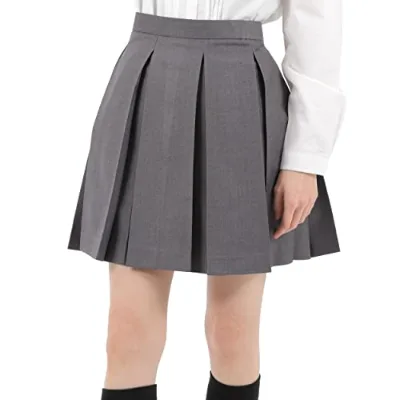
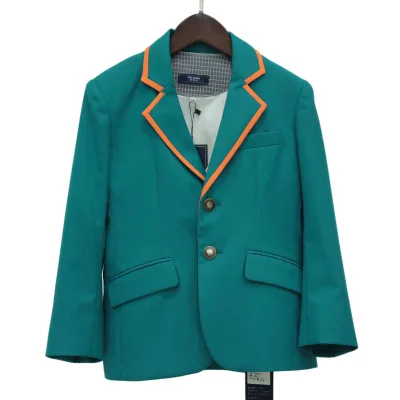
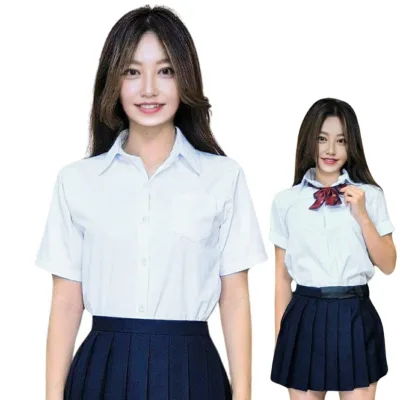
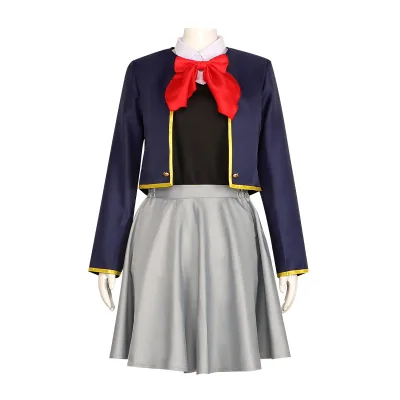
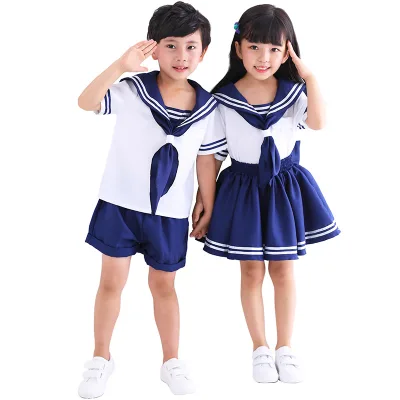
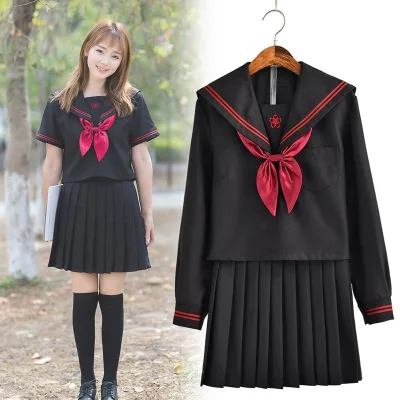


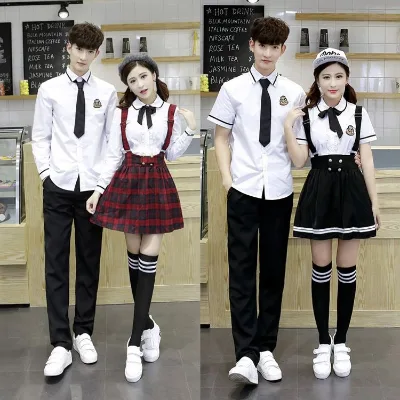
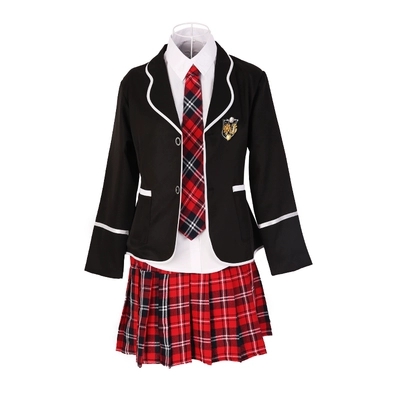
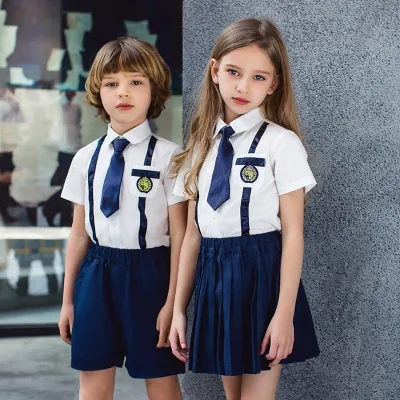
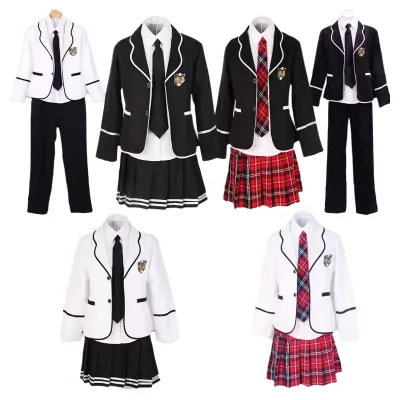
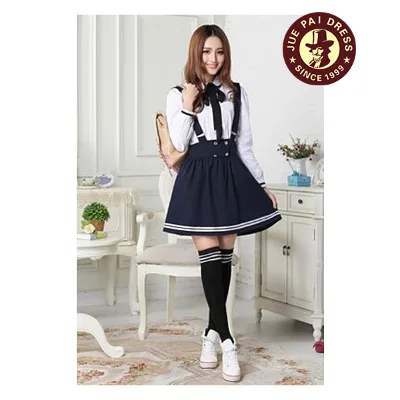
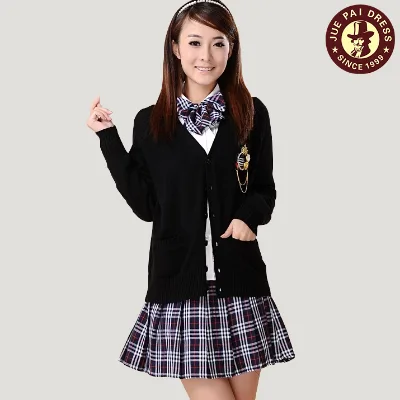
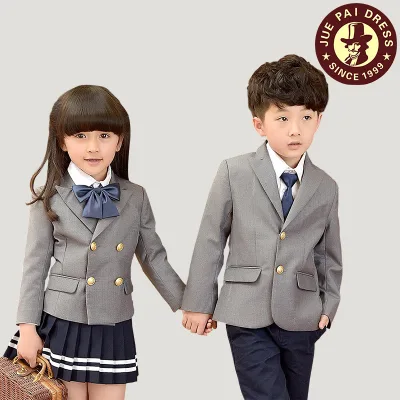
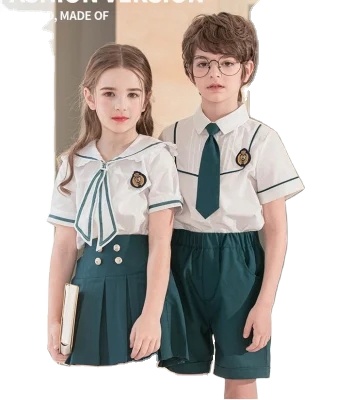

Teen Summer Outfit White Shirt Black Knee Length Skirt Jk School Uniform
$5.07 - $6.34
MOQ: 200 Pieces


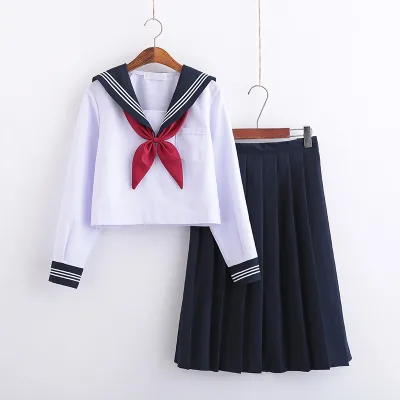

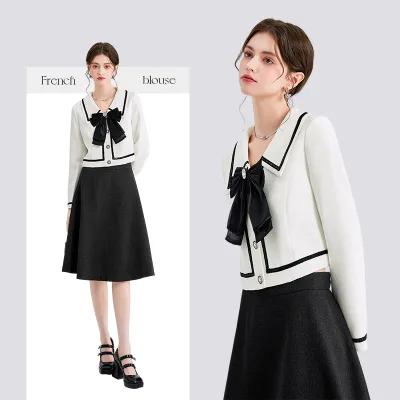

Comprehensive Sourcing Guide
Korean Style JK Uniform Sourcing Guide
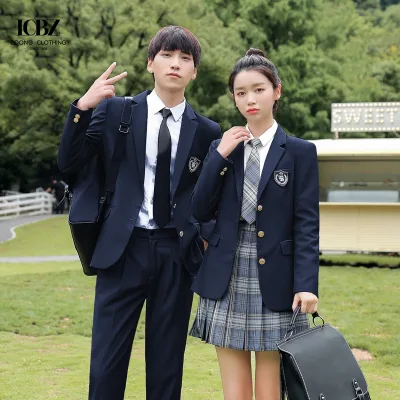
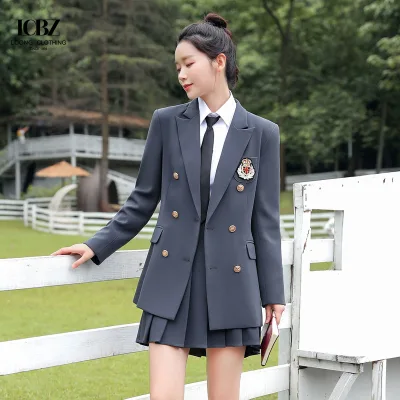
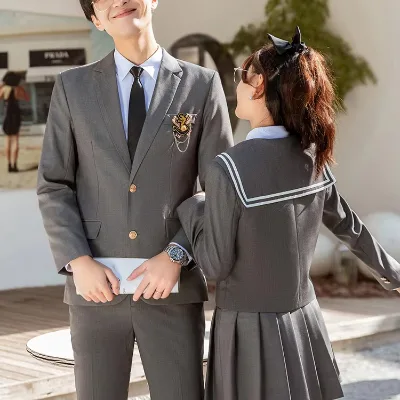
Sourcing Korean-style JK uniforms requires a nuanced understanding of the intersection between traditional Japanese school aesthetics and modern Korean fashion trends. These garments are primarily designed for high school and middle school students, though adult buyers often seek them for cosplay, theatrical performances, or casual wear. The core appeal lies in the pleated skirt designs, sailor collars, and tailored blazers that evoke a youthful, disciplined aesthetic. Buyers must distinguish between authentic educational uniforms intended for daily wear and costume-grade replicas meant for short-term use. This distinction heavily influences material selection, construction quality, and pricing structures.
The market for these uniforms is dominated by suppliers in Guangdong, China, who offer both OEM and ODM services. This regional concentration allows for rapid prototyping and flexible production runs, catering to both small boutique orders and large institutional contracts. However, the diversity of supply types means buyers must carefully verify whether a supplier is offering in-stock items or custom manufacturing. Understanding the supplier’s primary business model is crucial for managing expectations regarding lead times, minimum order quantities, and the ability to customize colors, fabrics, and sizing.
Product Scope and Observed Listing Signals
Current market listings reveal a wide spectrum of product types, ranging from complete suits to individual components like pleated skirts and sailor tops. Observed attributes indicate that materials vary significantly, with options including 100% polyester, polyester-cotton blends, and pure cotton fabrics. Buyers should note that some listings specify "JK uniform" while others label items as "costumes" or "TV & movie costumes," which often implies lower durability and simpler construction. The presence of specific age group tags, such as "Children," "Adults," and "High School," suggests that sizing and fit profiles are tailored to different demographics, requiring careful size chart verification.
Color options are extensive, with common listings featuring green, navy, purple, pink, brown, red, blue, orange, black, and silver. Some suppliers offer custom color services, which is essential for institutions requiring specific brand colors. Additionally, size ranges typically span from XXS to 4XL, accommodating a broad customer base. However, the single package size and gross weight vary considerably, indicating differences in packaging density and material thickness. Buyers must analyze these physical specifications to estimate shipping costs accurately and ensure that the product meets their logistical requirements.
Technical Specifications to Verify
When evaluating technical specifications, the model number and fabric type are critical identifiers. For instance, specific models like "e456" may correspond to distinct pleat patterns or collar styles that define the "JK" aesthetic. Buyers should verify the exact composition of the fabric, as polyester offers durability and wrinkle resistance, while cotton provides comfort and breathability. The blend of polyester and cotton is often preferred for uniforms to balance these properties. It is also important to confirm the needle detection status, as this indicates a level of quality control in the manufacturing process, ensuring no metal fragments remain in the finished garment.
Packaging and shipping details are equally important for operational planning. Listings often specify packing methods such as "1pcs/opp Bag," which affects storage and presentation. The single gross weight and package dimensions must be cross-referenced with shipping carriers to calculate landed costs. Furthermore, the availability of sample orders with a seven-day lead time is a valuable feature for quality assessment before committing to bulk production. Buyers should request physical samples to verify the quality of pleats, stitching, and color fastness, as these elements are difficult to judge from images alone.
Compliance and Safety Documentation
Compliance and safety are paramount, especially when sourcing uniforms for school-aged children. Buyers must ensure that suppliers provide documentation confirming that the materials meet relevant safety standards for textiles, including restrictions on harmful substances like formaldehyde, heavy metals, and azo dyes. The mention of "needle detection" in some listings suggests a basic level of quality assurance, but buyers should request full test reports from accredited laboratories. These reports should cover physical properties such as tensile strength, color fastness to washing and rubbing, and shrinkage rates.
For products marketed towards children or used in educational settings, additional certifications may be required depending on the destination market. Buyers should verify if the supplier adheres to specific regional regulations, such as CPSIA in the United States or REACH in Europe. Even if not explicitly stated, it is prudent to ask for compliance certificates to mitigate legal and reputational risks. Ensuring that the supplier has a robust quality management system in place can help guarantee consistent compliance across production batches, reducing the likelihood of defective or non-compliant shipments.
Cost Drivers and Commercial Terms
The cost of Korean-style JK uniforms is influenced by several factors, including material quality, design complexity, and order volume. Observed price ranges vary widely, reflecting differences in fabric weight, construction details, and brand positioning. Minimum order quantities (MOQ) typically start at 3 pieces for sample or small batch orders, scaling up to 300 pieces for larger productions. Buyers should negotiate terms that align with their inventory strategy, considering the trade-off between lower unit prices for larger orders and the flexibility of smaller MOQs.
Payment terms and shipping methods also impact the total cost of ownership. Common payment options include TT, Trade Assurance, Western Union, and MoneyGram, each with different security and fee structures. Shipping options range from express couriers like DHL, EMS, UPS, and FedEx to sea and air freight, with delivery times varying from 7-15 days for samples to longer periods for bulk shipments. Buyers should factor in these logistics costs and lead times when planning their procurement schedule, ensuring that they have sufficient buffer for potential delays or quality issues.
Supplier Qualification and Quality Control
Supplier qualification involves assessing their capability to deliver consistent quality and meet production deadlines. Buyers should prioritize suppliers who offer ODM or OEM services, as these indicate a higher level of manufacturing expertise and customization ability. The presence of a seven-day sample order lead time is a positive indicator of operational efficiency. However, buyers must also evaluate the supplier’s communication responsiveness, technical support, and after-sales service. A reliable supplier should be transparent about their production processes and willing to accommodate reasonable requests for modifications or improvements.
Quality control measures should be integrated into the procurement process from the outset. Buyers should define clear quality standards and inspection criteria before placing orders. This may include pre-production sample approval, in-line inspections during manufacturing, and final random inspections before shipment. Suppliers who proactively implement these controls demonstrate a commitment to quality and reduce the risk of receiving substandard products. Establishing a strong relationship with the supplier based on mutual trust and clear expectations is essential for long-term success in sourcing JK uniforms.
Long-Term Procurement Checks
Long-term procurement success depends on continuous monitoring of supplier performance and market trends. Buyers should regularly review supplier metrics such as on-time delivery rates, defect rates, and responsiveness to issues. Maintaining a diversified supplier base can mitigate risks associated with single-source dependencies. Additionally, staying informed about changes in fashion trends and consumer preferences is crucial for maintaining the relevance of the product line. The JK uniform market is dynamic, with new styles and variations emerging frequently, requiring buyers to be agile in their sourcing strategies.
Building a robust supply chain also involves fostering open communication and collaboration with suppliers. Regular feedback sessions can help identify areas for improvement and strengthen the partnership. Buyers should also consider the sustainability practices of their suppliers, as ethical sourcing is increasingly important to consumers and regulators. By prioritizing transparency, quality, and ethical practices, buyers can build a resilient and responsible supply chain that supports long-term business growth and customer satisfaction in the competitive JK uniform market.
FAQs
What materials are used for these JK uniforms?
The uniforms are crafted from 100% Polyester or a Polyester and Cotton blend. These materials ensure durability and comfort for daily wear. The fabric type is selected to maintain the structured look of the pleated skirt design while allowing for ease of movement. This composition supports the high-quality finish expected in school attire.
Can I get a sample order quickly?
Yes, a sample order lead time of 7 days is supported. This allows buyers to verify quality and fit before committing to bulk production. The supplier offers ODM and OEM services to accommodate specific design requirements. Quick sampling ensures that the final product meets the exact specifications needed for the target age group.
What sizes are available for these skirts?
Sizes range from XXS to 4XL, covering various body types. The sizing chart includes XS, S, M, L, XL, 2XL, 3XL, and 4XL options. This extensive range ensures a proper fit for both children and adults. Buyers can select the appropriate size based on their specific requirements for school uniforms or costume purposes.
What is the minimum order quantity for bulk purchase?
The minimum order quantity starts at 3 pieces. This low MOQ allows for flexible ordering for small batches or testing purposes. Buyers can order single items or larger quantities up to 300 pieces. This flexibility supports both individual purchases and larger institutional orders for schools or events.
Where are these uniforms manufactured?
These uniforms are manufactured in Guangdong, China. This region is known for its robust textile and garment manufacturing industry. The production location ensures efficient supply chain management and quality control. Buyers can rely on the established manufacturing infrastructure in this area for consistent product delivery.
Are these uniforms suitable for Halloween costumes?
Yes, these uniforms are suitable for Halloween costumes. The Japanese charming kids sailor uniform outfit design fits the theme perfectly. The product is categorized under TV and movie costumes, making it versatile for various events. The bright colors and distinct style make it an excellent choice for festive occasions.