Source Korean Simple Temperament Hair Claw for Daily, Party, and Travel
Explore 30 listings for the Korean Simple Temperament Hair Claw, comparing options from suppliers in Guangdong, Zhejiang, and Fujian. Buyers can evaluate materials like zinc alloy and plastic, along with customization services and packaging details for various occasions; compare the available evidence and request quotations based on your requirements.
Updated
Key considerations
Products List
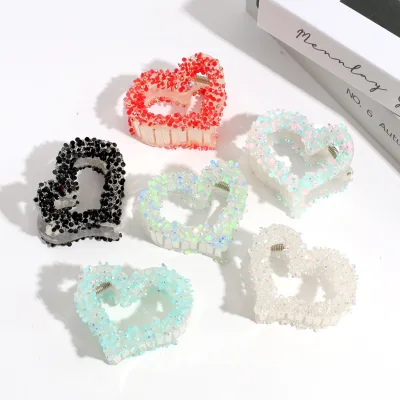
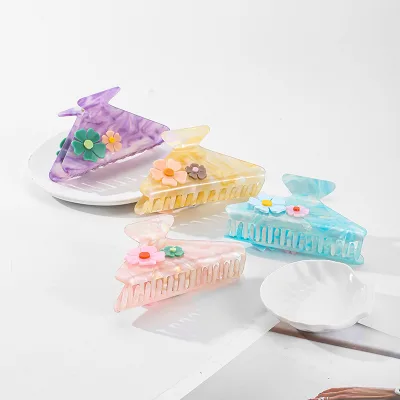
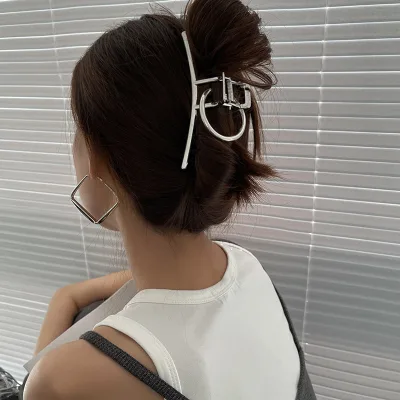
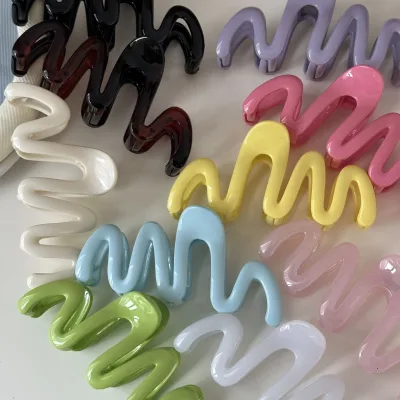
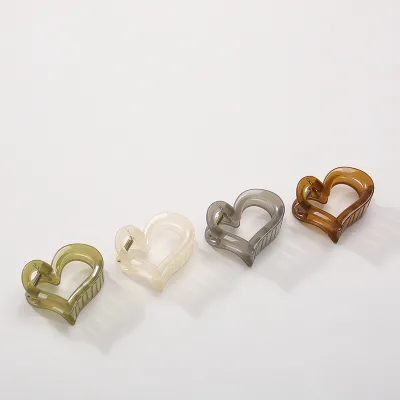
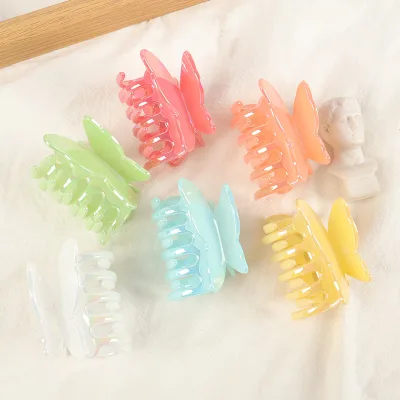


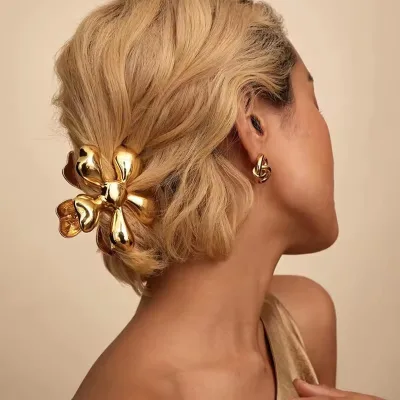
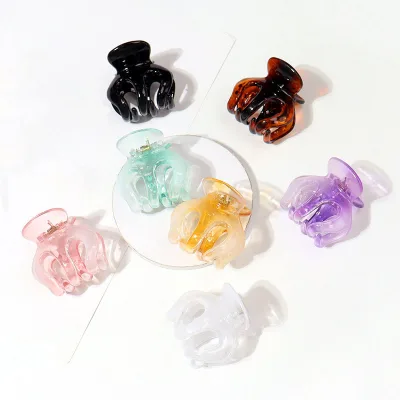
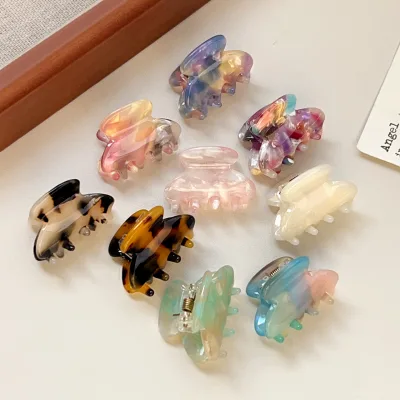
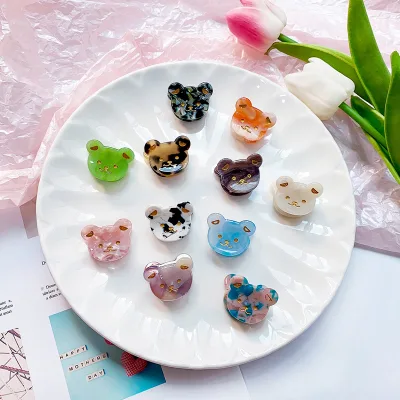
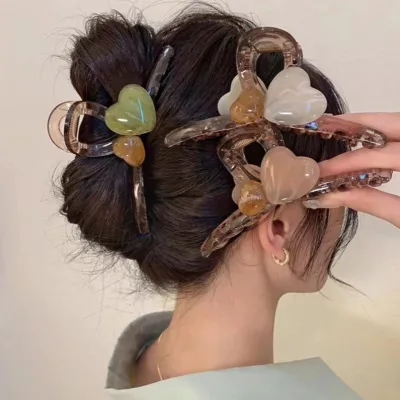
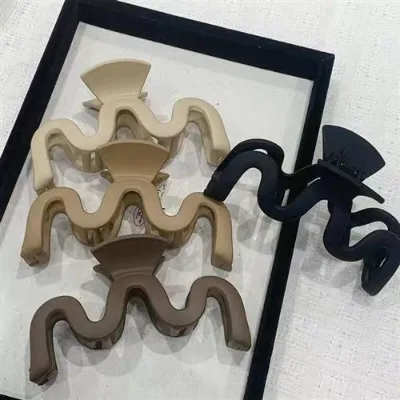
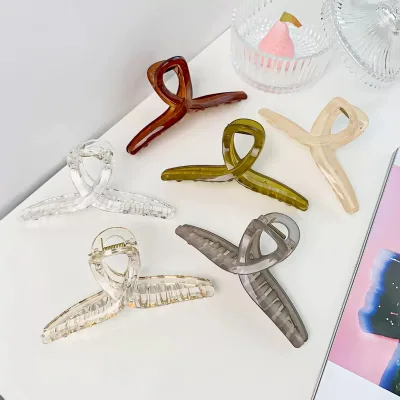
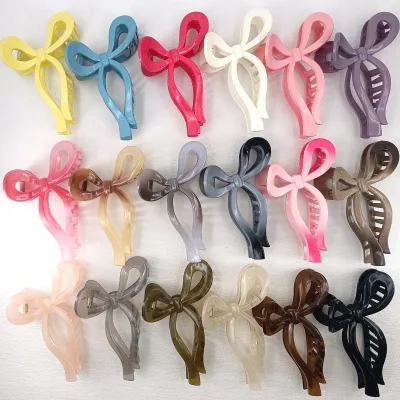
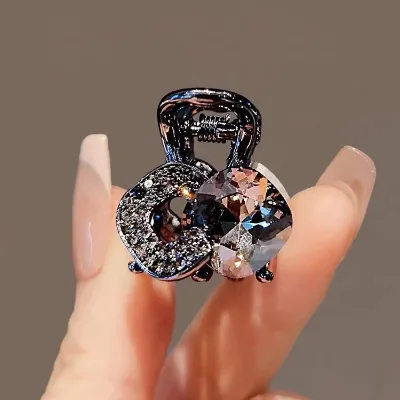


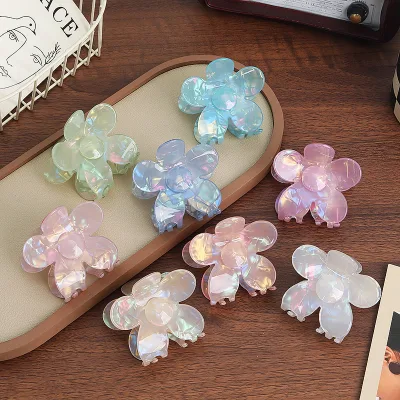
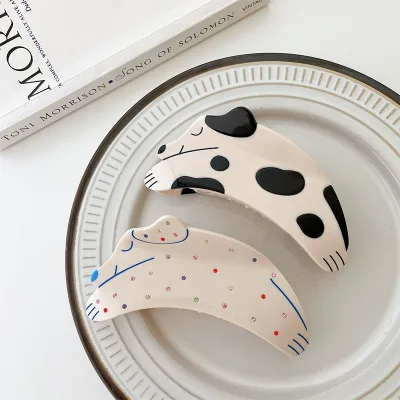

Women Winter Furry Hair Accessories Cute Multi Colors Flower Shark Hair Claw
$0.45 - $0.69
MOQ: 50 pieces


Comprehensive Sourcing Guide
Korean Simple Temperament Hair Claw Sourcing Guide
Sourcing hair claw clips that embody a Korean simple temperament requires a nuanced understanding of current aesthetic trends and manufacturing capabilities in China. The observed market data indicates a strong presence of suppliers from Guangdong, Zhejiang, and Fujian provinces, each offering distinct advantages in terms of material variety and design complexity. Buyers must navigate a landscape where "Korean style" is often used as a stylistic descriptor rather than a strict geographic origin, necessitating careful verification of design authenticity and production quality. The core keyword suggests a preference for minimalist, elegant designs that prioritize functionality without sacrificing visual appeal, a trend that aligns with the observed product attributes such as "Fashion" style and "Korea" style tags.
Procurement teams should focus on identifying suppliers who can consistently deliver on the promise of simple yet sophisticated designs. The available product listings reveal a wide range of materials, including zinc alloy, metal, plastic, and alloy, which directly impact the final look and feel of the hair accessory. Understanding these material differences is crucial for selecting the right product for your target demographic. For instance, metal and alloy options often provide a more premium, durable finish suitable for high-end fashion brands, while plastic options may offer greater color versatility and cost-effectiveness for mass-market appeal. This distinction is vital for aligning product selection with brand positioning and customer expectations.
Product Scope and Observed Listing Signals
The current market for Korean-style hair claw clips is characterized by a diverse array of product specifications and branding strategies. Observed listings highlight products with model numbers such as N-1334, Sales-041321, and Jiris-952, indicating a fragmented supply chain with numerous small to medium-sized manufacturers. The product names vary from "Hair Claw Clip" to "Big Shower grabber," suggesting that some suppliers may use generic or translated terms that do not accurately reflect the product's intended use or aesthetic. This variability requires buyers to scrutinize product images and detailed descriptions carefully to ensure that the item matches the desired "simple temperament" aesthetic. The presence of OEM and ODM services further complicates the landscape, as it allows for significant customization but also demands rigorous quality control to maintain brand consistency.
Color and packaging options are significant indicators of a supplier's flexibility and attention to detail. The observed color palettes range from single solid colors like pink, beige, and white to multi-color options labeled as "1,2,3,4,5,6" or "Colorful." This suggests that suppliers can cater to both minimalist and vibrant design preferences. Additionally, packaging customization is widely available, with options including carton, cardboard, and opp bag packaging. This flexibility is crucial for brands looking to create a cohesive unboxing experience that reinforces their brand identity. Buyers should leverage these customization options to differentiate their products in a crowded market, ensuring that the packaging aligns with the simple, elegant aesthetic associated with Korean fashion trends.
Technical Specifications to Verify
Verifying technical specifications is paramount when sourcing hair claw clips to ensure product durability and user satisfaction. Key attributes to confirm include the material composition, with options ranging from zinc alloy and metal to plastic and alloy. The choice of material affects not only the aesthetic but also the functional performance, such as grip strength and resistance to corrosion. For example, metal and alloy clips often offer superior durability and a premium feel, while plastic clips may be lighter and more flexible. Buyers should request detailed material specifications and, if possible, physical samples to assess the texture, weight, and finish of the clips. The observed single gross weights, ranging from 0.04 kg to 0.050 kg, provide a baseline for understanding the product's heft, but actual weight can vary based on design complexity and material density.
Size and dimensional accuracy are critical for ensuring that the hair claw clips meet the functional requirements of different hair types and styles. The observed sizes include 10cm, 10.5cm, and other unspecified dimensions, highlighting the need for precise measurement verification. Buyers should confirm the exact dimensions of the clips, including the jaw width and overall length, to ensure they are suitable for their target market. Additionally, the single package sizes, such as 10X10X8 cm and 12X8X8 cm, are important for logistics and storage planning. Accurate dimensional data helps in optimizing packaging efficiency and reducing shipping costs. It is also essential to verify the model numbers and any specific design features that contribute to the "Korean simple temperament" aesthetic, ensuring that the final product aligns with the brand's design vision.
Compliance and Safety Documentation
Ensuring compliance with safety standards is a critical aspect of sourcing hair accessories, particularly those intended for use by women and girls. While specific certification details are not provided in the observed data, buyers must proactively request relevant safety documentation from suppliers. This includes verifying that the materials used, such as zinc alloy, metal, and plastic, comply with international safety standards for consumer goods. For instance, if the clips are intended for the European market, compliance with REACH regulations regarding restricted substances is essential. Similarly, for the US market, adherence to CPSIA standards for lead and phthalate content in plastic components is crucial. Buyers should ask suppliers to provide test reports from accredited laboratories to confirm that the products meet these regulatory requirements.
Beyond material safety, buyers should also consider the overall product safety, including the design and finish of the hair claw clips. Sharp edges or rough finishes can pose a risk of injury to users, so it is important to verify that the products have been finished smoothly and safely. Suppliers should be able to demonstrate their quality control processes for ensuring consistent finish quality. Additionally, if the clips are marketed as suitable for daily use or specific occasions like parties and holidays, buyers should ensure that the products are durable enough to withstand regular use without breaking or losing their shape. Requesting samples for hands-on testing can help identify any potential safety issues before placing a large order.
Cost Drivers and Commercial Terms
Understanding the cost drivers and commercial terms is essential for effective procurement planning. The observed price range of 0.07 to 3.41 USD indicates a wide variation in pricing, likely driven by factors such as material quality, design complexity, and order volume. Buyers should analyze these price differences to determine the value proposition of each supplier. Higher prices may correlate with better materials, more intricate designs, or superior quality control processes. Conversely, lower prices might indicate the use of cheaper materials or less rigorous manufacturing standards. It is important to balance cost with quality to ensure that the final product meets brand expectations and customer satisfaction levels.
Minimum Order Quantities (MOQs) and payment terms are also significant commercial considerations. The observed MOQ range of 2 to 1200 pieces suggests that suppliers offer flexible ordering options, catering to both small businesses and large retailers. Buyers should negotiate MOQs that align with their inventory management strategies and cash flow constraints. Additionally, understanding the lead times and production schedules is crucial for planning product launches and managing stock levels. Suppliers that offer sample making and mold making services can provide greater flexibility for custom designs, but these services may incur additional costs and longer lead times. Buyers should clarify all commercial terms, including pricing, MOQs, lead times, and payment methods, before finalizing any agreements to avoid unexpected expenses or delays.
Supplier Qualification and Quality Control
Supplier qualification is a critical step in ensuring the reliability and consistency of the hair claw clip supply chain. Buyers should conduct thorough due diligence on potential suppliers, verifying their business licenses, manufacturing capabilities, and quality management systems. The observed data indicates that many suppliers offer OEM and ODM services, which suggests a level of flexibility and customization capability. However, buyers should also assess the supplier's experience in producing Korean-style hair accessories, as this specific aesthetic requires a keen understanding of design trends and quality standards. Requesting references or case studies from previous clients can provide valuable insights into the supplier's performance and reliability.
Quality control processes are equally important for maintaining product consistency and meeting customer expectations. Buyers should inquire about the supplier's quality control procedures, including incoming material inspections, in-process checks, and final product testing. Suppliers that offer sample making services can provide an opportunity to evaluate the quality of their work before committing to a larger order. It is also advisable to conduct third-party inspections or audits to verify the supplier's quality control practices. Additionally, buyers should establish clear quality standards and acceptance criteria in their contracts, ensuring that any deviations from these standards are addressed promptly. Regular communication and feedback with suppliers can help build a strong partnership and improve product quality over time.
Long-Term Procurement Checks
Establishing long-term procurement checks is essential for maintaining a sustainable and efficient supply chain. Buyers should implement regular performance reviews to assess supplier reliability, product quality, and adherence to agreed-upon terms. This includes monitoring key performance indicators such as on-time delivery rates, defect rates, and responsiveness to issues. By tracking these metrics, buyers can identify potential problems early and take corrective actions to mitigate risks. Additionally, buyers should stay informed about market trends and consumer preferences to ensure that their product offerings remain relevant and competitive. The observed trends in Korean-style hair accessories suggest a continuous evolution in design and functionality, requiring buyers to be agile and responsive to changes in the market.
Building strong relationships with suppliers is also crucial for long-term success. Buyers should foster open communication and collaboration with their suppliers, encouraging feedback and continuous improvement. This can lead to better product quality, more competitive pricing, and improved service levels. Additionally, buyers should consider diversifying their supplier base to reduce dependency on any single source and mitigate supply chain risks. By maintaining a robust supplier network, buyers can ensure continuity of supply and flexibility in responding to market fluctuations. Finally, buyers should regularly review and update their procurement strategies to align with changing business objectives and market conditions, ensuring that they remain competitive and resilient in the long run.
FAQs
What materials are used for these hair claw clips?
The hair claw clips are primarily made from zinc alloy and metal. Some listings also specify plastic or alloy materials. These materials ensure durability while maintaining a fashionable style suitable for daily use and special occasions like parties.
Can I request custom packaging for my order?
Yes, custom packaging is available for these hair claw clips. Suppliers offer options including cartons, cardboard, and OPP bags. This service allows buyers to brand the product effectively while ensuring safe transport and presentation for retail or wholesale distribution channels.
Which locations supply these hair accessories?
These hair accessories originate from multiple regions in China, including Guangdong, Zhejiang, and Fujian. Buyers can source products from factories located in these provinces. The diverse supply base offers various options for lead times and logistics depending on the specific manufacturer selected.
How do I order samples before bulk production?
You can request samples as most suppliers provide sample making services. Some vendors also offer mould making for custom designs. This process allows you to verify product quality and specifications before committing to a larger order volume or custom branding requirements.
What is the minimum order quantity for these clips?
The minimum order quantity varies, with observed values ranging from 2 to 1200 pieces. One specific listing indicates a standard MOQ of 100 pieces. Buyers should confirm the exact requirement with the supplier to ensure it aligns with their inventory needs and budget constraints.
Which colors are available for these hair claws?
These hair claws come in a wide range of colors including pink, beige, white, gray, black, green, yellow, purple, brown, and sky blue. Some listings also mention colorful options. This variety allows buyers to select shades that match current fashion trends or specific brand identities.