Source Korean Style Stainless Steel Mug for Hotel Bar Restaurant
Explore 30 listings for the Korean Style Stainless Steel Mug, featuring double-layer designs and eco-friendly materials. Buyers can compare customized sizes, colors like gold and silver, and thermal insulation performance ranging from 0 to 6 hours for office, home, or outdoor use.
Updated
Key considerations
Products List







Comprehensive Sourcing Guide
Korean Style Stainless Steel Mug Sourcing Guide
Sourcing Korean-style stainless steel mugs requires balancing aesthetic minimalism with functional durability, a combination that has gained significant traction in both B2B promotional markets and direct-to-consumer retail channels. The observed product landscape indicates a strong preference for designs that merge modern simplicity with classic elegance, often featuring double-layer structures to enhance thermal performance. Buyers must navigate a diverse array of customization options, from logo placement to color finishes, ensuring that the final product aligns with brand identity while meeting practical usage demands.
The market signals suggest that these mugs are versatile tools for various occasions, ranging from daily office use to special events like weddings and corporate gifts. Suppliers frequently highlight eco-friendly attributes and health-conscious materials, appealing to environmentally aware consumers. However, the sheer variety of specifications, including capacity variations and structural designs, necessitates a rigorous verification process. Procurement teams must carefully evaluate each listing to ensure that the claimed features, such as thermal insulation duration or material purity, are substantiated by tangible product data rather than marketing fluff.
Product Scope and Observed Listing Signals
The current market for Korean-style stainless steel mugs exhibits a wide range of price points, typically observed between $0.01 and $4.35 USD, reflecting significant variation in quality, customization depth, and order volume. Minimum Order Quantities (MOQs) are equally diverse, ranging from as low as 10 pieces for sample or small-batch testing up to 5,000 pieces for large-scale industrial orders. This flexibility allows buyers to scale their procurement strategies effectively, whether they are launching a new product line or replenishing existing inventory for seasonal promotions.
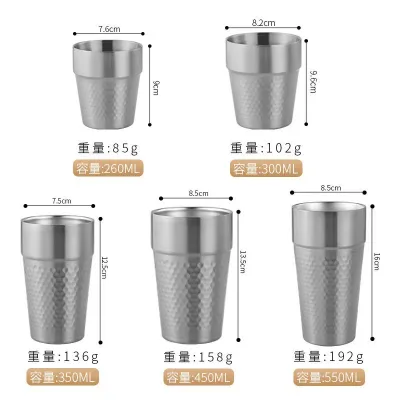
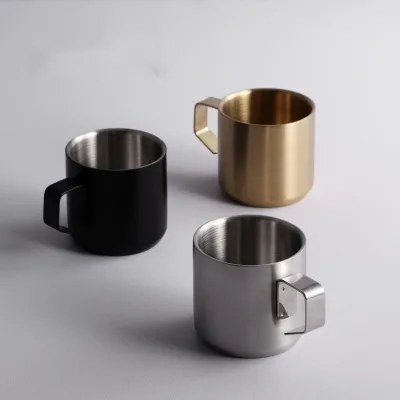
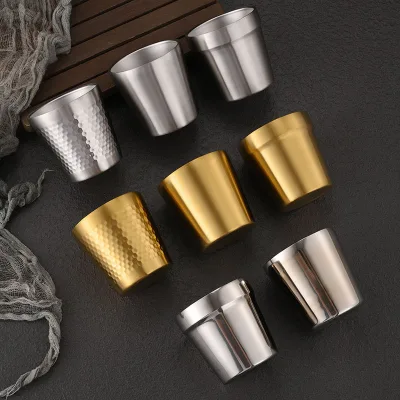
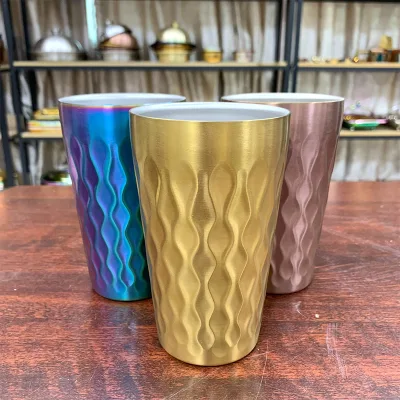
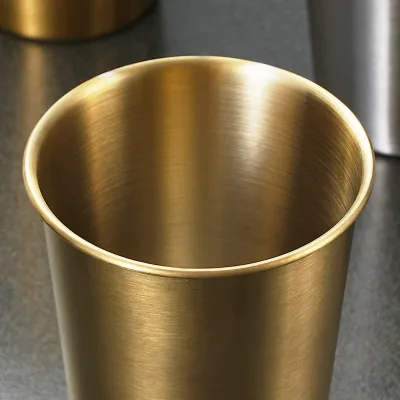
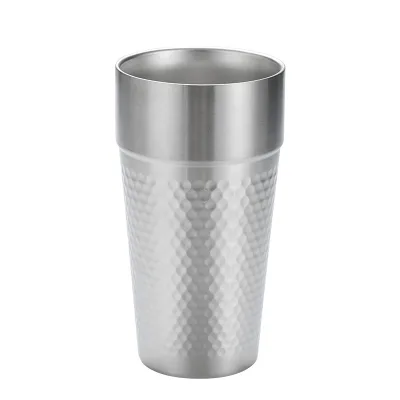
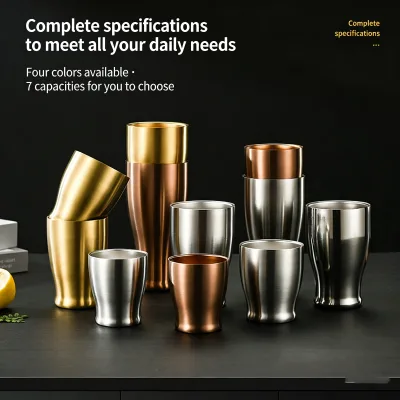
Product listings frequently emphasize customization capabilities, including accepted designs, logos, and packaging solutions, which are critical for brand differentiation. Common attributes include double-layer ceramic or stainless steel constructions, with capacities varying from 150ml to 16oz, catering to different beverage preferences such as coffee, tea, or beer. Colors like gold, silver, and black are prevalent, often paired with modern or classic design styles. Buyers should note that while "eco-friendly" and "healthy" are common claims, these should be verified against specific material certifications to ensure they meet regulatory standards in target markets.
Technical Specifications to Verify
Thermal insulation performance is a critical technical parameter for stainless steel mugs, with observed data indicating a range of 0-6 hours for heat retention. Buyers must verify the specific construction method, such as double-layer vacuum insulation, to ensure that the claimed performance is achievable under real-world conditions. Additionally, the material composition, specifically the grade of stainless steel used, should be confirmed to guarantee durability and resistance to corrosion. This is particularly important for mugs intended for boiling water or frequent dishwasher use, where material integrity is paramount.
Capacity and structural design also play vital roles in user experience. Listings show capacities ranging from 150ml to 16oz, with shapes typically being round to facilitate comfortable handling. The inclusion of features like portability and eco-friendly materials adds value, but buyers should request detailed specifications on wall thickness and lid design to prevent leaks. Furthermore, the applicability for various beverages, including milk, wine, and outdoor camping drinks, should be cross-referenced with the mug’s cleaning requirements and material compatibility to avoid staining or odor retention issues.
Compliance and Safety Documentation
Food safety compliance is non-negotiable when sourcing stainless steel drinkware, requiring suppliers to provide documentation that verifies the absence of harmful substances like lead or nickel leaching. Buyers should insist on certificates of conformity that align with international standards, such as FDA or LFGB, depending on the destination market. Although specific certification statuses are not universally listed in general product descriptions, the presence of "eco-friendly" and "healthy" claims necessitates rigorous verification through third-party lab tests. These tests should confirm that the materials used are safe for direct contact with hot and cold beverages.
Packaging and labeling regulations also impact compliance, especially for products intended for retail sale. Customized packaging must adhere to local labeling laws, including ingredient disclosures if applicable, and recycling symbols. Buyers should ensure that suppliers provide clear information on the origin of materials and the manufacturing process, as transparency in the supply chain can mitigate risks associated with counterfeit or substandard products. Additionally, verifying that the production facilities adhere to quality management systems like ISO 9001 can provide an additional layer of assurance regarding consistent product quality and safety.
Cost Drivers and Commercial Terms
The cost of Korean-style stainless steel mugs is influenced by several key factors, including the complexity of customization, material quality, and order volume. Higher MOQs typically result in lower unit prices, making bulk orders more cost-effective for established brands. However, the inclusion of custom logos, unique designs, or specialized packaging can significantly increase production costs. Buyers should negotiate clearly defined pricing tiers based on volume brackets to optimize their budget while maintaining quality standards. It is also essential to clarify whether tooling fees for custom molds are included in the unit price or charged separately.
Payment terms and lead times are critical commercial considerations that affect cash flow and inventory management. Suppliers may offer sample provisions to allow for quality assessment before committing to large orders, which can help mitigate risk. Buyers should establish clear agreements on production lead times, especially for customized orders, to ensure timely delivery for seasonal campaigns or product launches. Additionally, understanding the return policy for defective items and the process for handling quality disputes is crucial for maintaining a smooth procurement process and protecting the buyer’s investment.
Supplier Qualification and Quality Control
Evaluating supplier qualifications is essential to ensure reliability and consistency in product quality. Buyers should prioritize suppliers with a proven track record in manufacturing stainless steel drinkware, particularly those with experience in exporting to target markets. Verification of business licenses, production capabilities, and past client references can provide insights into the supplier’s operational stability and quality control practices. Suppliers located in regions like Guangdong, China, often have established supply chains and expertise in metalworking, which can be advantageous for sourcing high-quality mugs.
Quality control measures should be integrated into the procurement process, including pre-production samples and during-production inspections. Buyers should define clear acceptance criteria for defects, such as dents, scratches, or logo misalignment, and communicate these standards to suppliers upfront. Implementing a robust inspection protocol, potentially involving third-party inspection services, can help identify and rectify issues before shipment. Additionally, establishing a feedback loop for continuous improvement ensures that any recurring quality issues are addressed promptly, fostering a long-term partnership based on mutual trust and quality assurance.
Long-Term Procurement Checks
Sustaining a successful procurement strategy for Korean-style stainless steel mugs requires ongoing monitoring of market trends and supplier performance. Buyers should regularly review product listings to identify emerging design trends, such as new color palettes or innovative structural features, to keep their offerings competitive. Engaging with suppliers for regular updates on material innovations or production efficiencies can also provide opportunities for cost savings or product enhancements. Staying informed about regulatory changes in target markets ensures that products remain compliant and accessible to consumers.
Building a resilient supply chain involves diversifying suppliers and maintaining open communication channels to mitigate risks associated with production delays or quality issues. Regular performance reviews, including assessments of delivery times, product quality, and responsiveness, help identify areas for improvement and reinforce accountability. Additionally, exploring opportunities for collaborative product development with suppliers can lead to exclusive designs or improved functionalities that differentiate the buyer’s brand in the marketplace. This proactive approach ensures long-term success and adaptability in a dynamic sourcing environment.
FAQs
Can I customize the logo and design on these mugs?
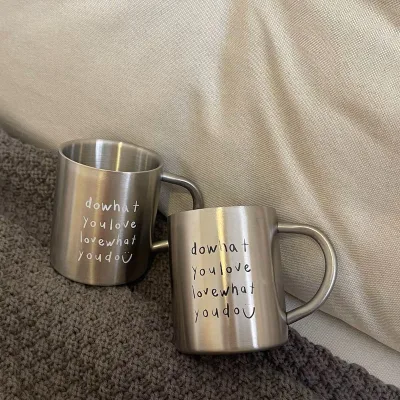
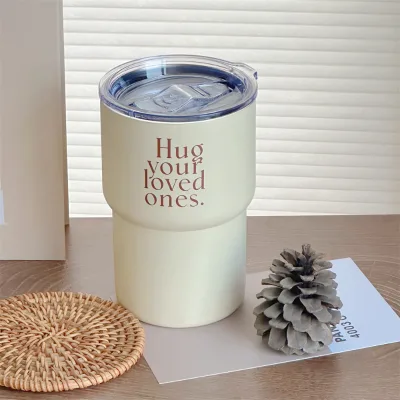
Yes, customized logos and designs are accepted for these stainless steel mugs. Suppliers offer options for classic or modern simple styles, allowing you to tailor the appearance to your brand. This customization is suitable for various applications including bar, hotel, restaurant, and home use, ensuring the product aligns with your specific aesthetic requirements.
What is the typical MOQ for ordering these mugs?
The minimum order quantity varies by supplier, ranging from 10 pieces to 5000 pieces. Some vendors require a MOQ of 50 pieces, while others may accept orders as low as 10 pieces. This flexibility allows buyers to start with smaller test orders or scale up production based on their specific business needs and inventory requirements.
Are these mugs suitable for holding boiling water?
Yes, these stainless steel mugs are applicable for boiling water. They feature thermal insulation performance lasting between 0 to 6 hours, making them ideal for hot beverages like coffee and tea. The double-layer structure helps maintain temperature, ensuring the drink remains hot while keeping the exterior comfortable to hold during daily use or outdoor activities.
What materials and colors are available for these mugs?
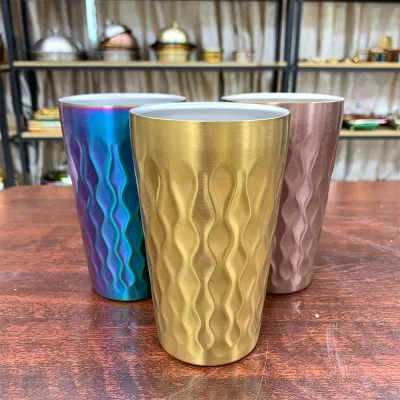
These mugs are primarily made from stainless steel, with some options featuring double-layer ceramic construction. Available colors include gold, silver, black, and multicolor options. The material ensures durability and eco-friendly usage, while the color choices allow for versatile styling in various settings such as weddings, parties, or everyday office and home environments.
Where are these mugs manufactured and shipped from?
These mugs are manufactured in China, with specific origins noted in Guangdong. The products are exported globally, supporting various applications including office, home, outdoor, and gift uses. Buyers can expect sourcing from established manufacturing regions known for quality stainless steel and ceramic drinkware production, ensuring reliable supply chains for international B2B transactions.
Is sample provision available before placing a bulk order?
Yes, sample provision is available for these mugs. Buyers can request samples to evaluate the product quality, design, and insulation performance before committing to a larger purchase. This service helps ensure that the customized logo, size, and color options meet your expectations, reducing risk and confirming suitability for your specific market or promotional needs.