Source Laser Printer Scanner Head for Copiers, Fax, Printers
Find a Laser Printer Scanner Head for your office equipment needs. Compare 30 available options including parts for HP LaserJet models. These components support printing, copying, and faxing functions with various certifications and packaging options available for immediate shipment; compare the available evidence and request quotations based on your requirements.
Key considerations
Products List


Original Cab Printer Head A2+ Thermal Transfer Printhead Barcode Printhead 600dpi
$668.00 - $770.00
MOQ: 1 Pieces

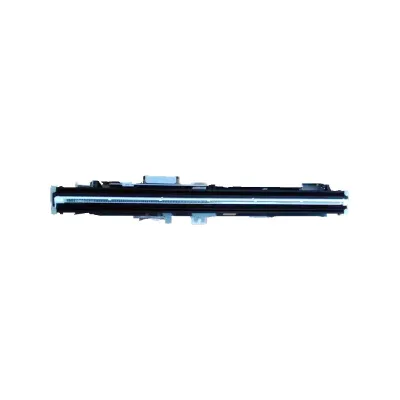


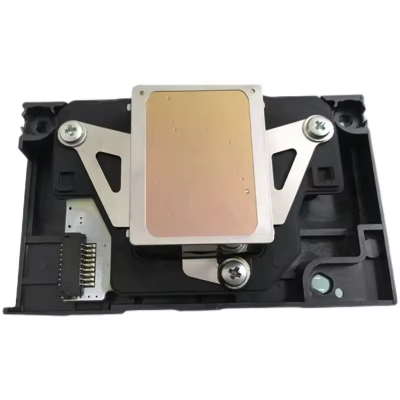


Comprehensive Sourcing Guide
Laser Printer Scanner Head Sourcing Guide
Procuring replacement scanner heads for laser printers requires a precise understanding of component compatibility and mechanical integrity. These optical assemblies are critical for maintaining image quality in multifunction devices, serving as the primary interface between the document and the digital imaging system. Buyers must recognize that these parts are often model-specific, meaning a single unit may not fit multiple printer series without significant modification or risk of damage. The sourcing process involves identifying the exact original equipment manufacturer (OEM) part number and cross-referencing it with compatible third-party or refurbished alternatives.
The market for these components is fragmented, with suppliers offering everything from brand-new OEM units to refurbished or compatible generic versions. Understanding the distinction between "Original New," "Original Old," and generic replacements is vital for budgeting and performance expectations. Refurbished units may offer cost savings but require rigorous inspection to ensure the optical sensors and mirrors are free from dust, scratches, or misalignment. Buyers should prioritize suppliers who provide clear condition descriptions and warranty terms, as the longevity of a scanner head directly impacts the operational uptime of the entire printing system.
Product Scope and Observed Listing Signals
Current market listings indicate a wide variance in product types, ranging from dedicated scanner heads to broader categories like nozzles and printheads, which may indicate listing inaccuracies or bundled offerings. Observed price points span from low-cost generic items to premium OEM replacements, reflecting differences in quality, origin, and certification status. Many listings specify compatibility with major brands such as HP, Heidelberg, Komori, and Man Roland, suggesting a diverse supply chain catering to both office and industrial printing environments. Buyers should carefully scrutinize the "Compatible" field to ensure the part matches their specific printer model, such as the HP LaserJet M276 or M631 series.
Shipping and packaging details provide additional signals regarding supplier professionalism and product protection. Standard packaging often includes neutral boxes or brown cartons, designed to protect delicate optical components during transit. Some suppliers offer customized packaging solutions, which can be crucial for bulk orders or sensitive industrial applications. The presence of "in stock" indicators and short delivery times, such as within one to five working days, suggests a ready-to-ship inventory model. However, buyers should verify if these lead times apply to all quantities or only to small sample orders, as larger purchases may require additional processing time.
Technical Specifications to Verify
Verifying technical specifications is the most critical step in preventing procurement errors. Buyers must confirm the exact model number, such as those for HP LaserJet M1522, M2727, M375, M475, M631, M632, M681, M682, M725, M775, M830, and M880 series printers. The part number, such as C8569-60001, serves as a unique identifier that should be cross-checked against the printer’s service manual. Additionally, physical dimensions, including standard sizes like 32CM x 8CM x 6CM or 251610, must match the internal chassis of the target device to ensure proper fitment.
Electrical and operational parameters also require careful attention. Input voltage specifications, typically 220V or 110V, must align with the local power infrastructure to prevent damage to the scanner head or the printer’s power supply. The print technology, often laser-based, dictates the optical path and sensor requirements. Buyers should also inquire about the unit’s condition, whether it is OEM, new, or refurbished, as this affects performance longevity. Confirming the unit’s weight and packing dimensions helps in calculating accurate shipping costs and ensuring the component arrives without internal damage.
Compliance and Safety Documentation
Compliance with international standards is essential for ensuring the safety and reliability of electronic components. Many suppliers list certifications such as CE, ISO, and RoHS, which indicate adherence to European safety, environmental, and quality management standards. These certifications provide a baseline assurance that the product has undergone certain testing procedures, although buyers should request valid certificates directly from the supplier for verification. RoHS compliance, in particular, is crucial for environmental regulations, ensuring the absence of hazardous substances in the electronic assembly.
Beyond certifications, buyers should verify the supplier’s adherence to specific industry standards for electronic components. While some listings mention "100% Made in China" or specific origin locations like Hangzhou, these do not substitute for formal quality audits. Buyers should ask for test reports or quality control records that demonstrate the scanner head’s performance under standard operating conditions. Additionally, understanding the warranty terms, such as a three-month warranty period, provides recourse in case of early failure. Clear documentation of these compliance measures helps mitigate risk and ensures regulatory alignment in the buyer’s jurisdiction.
Cost Drivers and Commercial Terms
Several factors influence the final cost of a Laser Printer Scanner Head, including the part’s condition, certification status, and packaging requirements. New OEM parts typically command higher prices due to their guaranteed quality and longevity, while refurbished or compatible units offer a more budget-friendly alternative. Customization options, such as specific packaging or branding, can also add to the cost. Buyers should evaluate the total cost of ownership, considering potential downtime and replacement frequency, rather than focusing solely on the initial purchase price.
Commercial terms, including shipping methods and payment conditions, significantly impact the overall procurement expense. Shipping terms are often negotiable, allowing buyers to choose between air freight for speed or sea freight for cost efficiency. Minimum order quantities (MOQ) can range from single units to larger batches, affecting unit pricing through economies of scale. Buyers should clarify whether the quoted price includes taxes, duties, and insurance, as these can vary by destination. Establishing clear payment terms and delivery schedules helps in managing cash flow and ensuring timely receipt of critical spare parts.
Supplier Qualification and Quality Control
Evaluating supplier qualification is crucial for ensuring consistent quality and reliable service. Buyers should assess the supplier’s experience in the printing component industry, looking for a track record of supplying compatible parts to reputable brands. Verification of their business license, export credentials, and customer reviews can provide insights into their reliability. Suppliers who offer samples allow buyers to test the product’s quality before committing to larger orders, reducing the risk of receiving defective or incompatible parts.
Quality control processes should be transparent and rigorous. Buyers should inquire about the supplier’s inspection procedures, including visual checks, functional testing, and packaging integrity assessments. Suppliers who use high-guaranteed protection packaging demonstrate a commitment to preventing transit damage. Additionally, understanding the supplier’s return and replacement policies is essential for managing potential issues. Establishing a clear communication channel with the supplier ensures that any discrepancies or defects are addressed promptly, maintaining the integrity of the procurement process.
Long-Term Procurement Checks
Establishing long-term procurement checks ensures sustained quality and cost-effectiveness in the supply chain. Regular audits of supplier performance, including delivery times, product quality, and customer service, help identify potential issues early. Buyers should maintain a database of approved suppliers and their performance metrics, allowing for data-driven decisions when placing repeat orders. Continuous monitoring of market trends and price fluctuations can also help in negotiating better terms and identifying alternative sources if needed.
Building strong relationships with suppliers can lead to preferential treatment, such as priority processing or exclusive discounts. Buyers should engage in regular communication with their suppliers to discuss future needs, potential product updates, and any changes in compliance requirements. This proactive approach fosters trust and collaboration, ensuring a stable supply of critical components. Additionally, staying informed about technological advancements in scanner head technology can help buyers anticipate future compatibility needs and plan for upgrades or replacements accordingly.
FAQs
What models are compatible with these scanner heads?
These scanner heads are compatible with original new and old parts for various HP LaserJet models. Specific models include the M276, M1522, M2727, M631, M632, M681, M682, M375, M475, M830, M880, M775, and M725. They are designed to fit original equipment specifications for reliable performance.
Can I get customization for these printer scanner heads?
Yes, customization is available and accepted for these products. Buyers can request specific modifications to meet their operational needs. The supplier offers flexible options to tailor the scanner heads, ensuring they integrate seamlessly with existing printing systems and meet unique technical requirements for various printer types.
What certifications do these scanner heads have?
These scanner heads hold CE, ISO, and ISO RoHS certifications. These credentials ensure compliance with international safety and environmental standards. The certifications verify that the products meet rigorous quality and regulatory requirements, providing buyers with confidence in the safety and reliability of the components for their printing operations.
How long is the delivery time for orders?
The delivery time is within one to five working days after payment is received. This quick turnaround ensures that buyers receive their orders promptly. The efficient processing allows for rapid restocking and minimizes downtime for printing operations, making it suitable for urgent procurement needs and just-in-time inventory management strategies.
What is the warranty period for these products?
The warranty period for these products is three months. This coverage provides buyers with assurance regarding the quality and durability of the scanner heads. The warranty ensures that any defects or issues arising within this timeframe are addressed, offering peace of mind and support for the purchased components during initial use.
Are these scanner heads in stock for immediate shipping?
Yes, these scanner heads are currently in stock for immediate shipping. The availability ensures that buyers can place orders without waiting for production lead times. This ready stock facilitates quick fulfillment and delivery, allowing businesses to maintain their printing operations without interruption and meet urgent procurement demands efficiently.