Source Lead Saltwater Fishing Hooks for Deep Sea, Tuna, and Bass
Find 30 listings for Lead Saltwater Fishing Hooks designed for deep sea, tuna, and bass applications. Buyers can compare specifications like high carbon steel construction, various weights, and barbed hook types from verified suppliers in China.
Key considerations
Products List
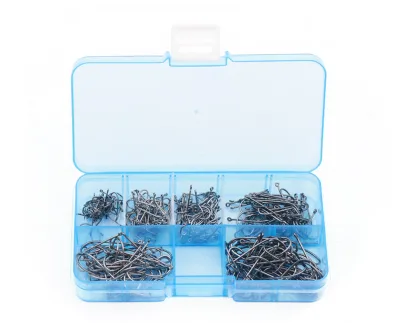
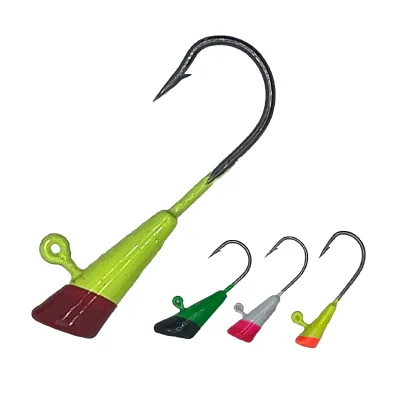
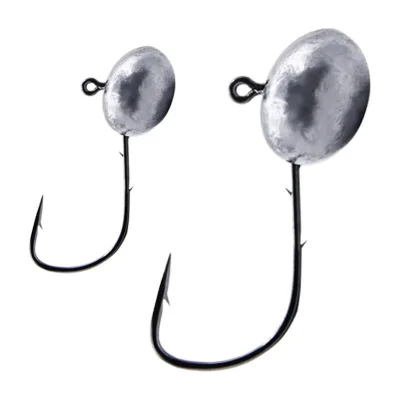
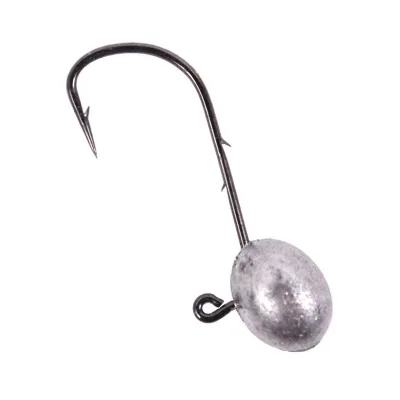
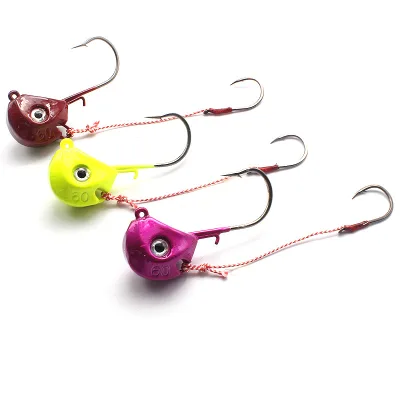
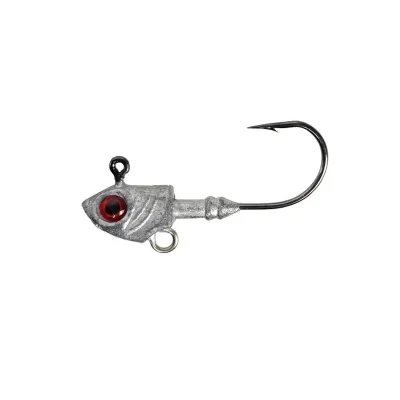
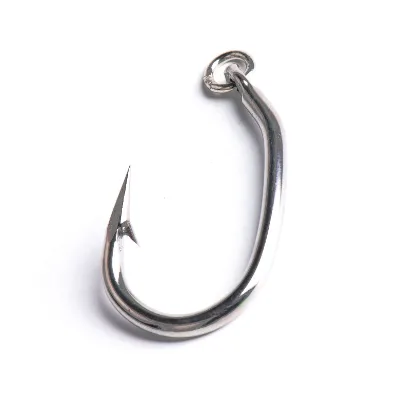
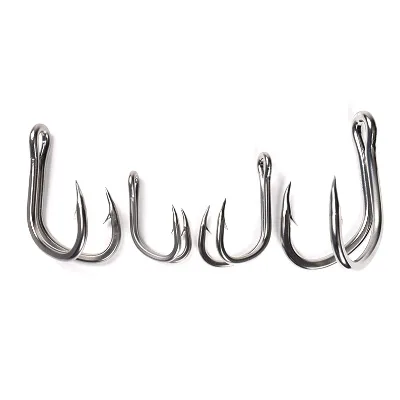


Freshwater Assortment Small Fishing Panfish Bass Trout Bluegill Fishing Hooks
$0.03 - $0.05
MOQ: 25000 Pieces


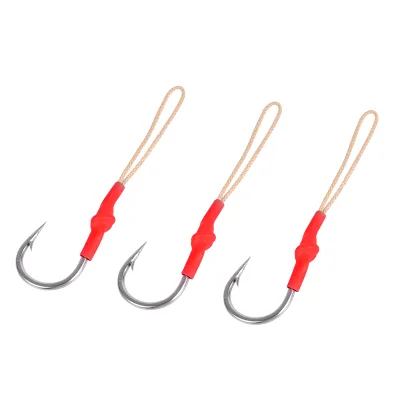

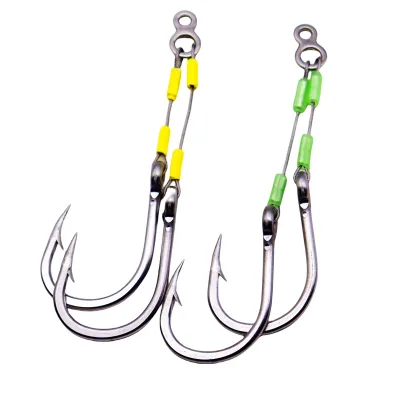
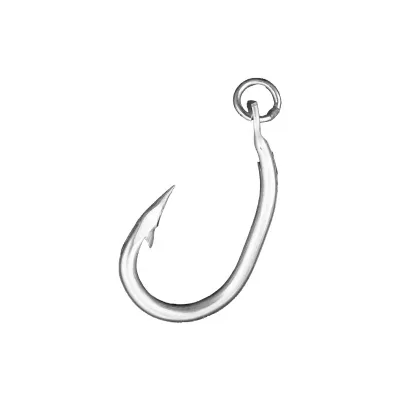

Comprehensive Sourcing Guide
Strategic Sourcing Guide for Lead Saltwater Fishing Hooks
Understanding Product Composition and Technical Specifications
When sourcing Lead Saltwater Fishing Hooks, buyers must first distinguish between the primary structural components and the functional weighting elements. The core hook material is predominantly high carbon steel, a choice driven by the need for extreme tensile strength and resistance to corrosion in saline environments. This material ensures that the hook point remains sharp and the shank does not bend under the pressure of large saltwater species. However, the specific application of "lead" in this category often refers to the jig head or the weighted component attached to the hook, rather than the hook shank itself. The supplied data indicates a composite material profile where high carbon steel is paired with lead to create weighted lures, or where stainless steel is utilized for specific heavy-duty applications like deep-sea tuna fishing.
The physical dimensions of these hooks vary significantly based on the target species and the fishing technique employed. Sourcing catalogs list a wide array of weight specifications, ranging from lightweight options of 0.85g and 1.75g up to heavy-duty units of 40g, 60g, 80g, and even 100g. For jigging applications, specific weight increments such as 1.5g, 2.5g, 3.5g, 4.5g, and 6.5g are common. Additionally, sizing is not always linear by weight; some product lines utilize a numerical sizing system, such as 3.0# to 5.0#, which corresponds to the hook gauge and shank length. Buyers must verify that the "size" attribute aligns with the intended fishing method, whether it is stream fishing, river fishing, lake fishing, or ocean beach fishing. The physical form factor is critical; the hooks are often described as barbed hooks designed for specific applications like jigging or general fishing, with some models specifically engineered for deep fisheries and commercial tuna longline operations.
Application Scenarios and Target Species Analysis
The versatility of Lead Saltwater Fishing Hooks is defined by their ability to target a diverse range of marine life. The observed product attributes highlight a broad spectrum of target species, including bass, snapper, sea bass, steelhead, and tilapia. For commercial operations, the focus shifts to larger pelagic species, with specific product lines marketed as "saltwater Deep Fisheries commercial tuna fishing hooks." The application extends beyond simple hooking; these products are integral to techniques such as jigging, which requires a specific balance of weight and hook geometry to mimic prey movement in deep water columns.
The environment in which these hooks are used dictates the necessary durability. Saltwater fishing presents unique challenges due to the corrosive nature of the ocean. While high carbon steel provides the necessary strength, the presence of lead heads often requires specific coating or design considerations to prevent rapid degradation. The sourcing data indicates that these hooks are suitable for both freshwater and saltwater environments, suggesting a dual-purpose design for many models. However, for dedicated saltwater use, particularly in deep-sea scenarios, the material composition becomes paramount. The distinction between general fishing hooks and specialized commercial tuna hooks is significant; the latter often require higher MOQs and specific model numbers, such as the bst-3874, to ensure they meet the rigorous demands of industrial fishing.
Cost Drivers and Pricing Structure Analysis
The pricing landscape for Lead Saltwater Fishing Hooks is influenced by several variable factors, primarily material costs, manufacturing complexity, and order volume. The observed price range in the market spans from $0.01 to $6.50 USD, a wide disparity that reflects the difference between basic single-item units and specialized, high-performance commercial gear. The lower end of the spectrum typically corresponds to standard barbed hooks with simple lead heads, often sold in single-item selling units. Conversely, the higher price points are associated with specialized models, such as those designed for deep-sea tuna fishing, which may involve more complex engineering, higher-grade stainless steel components, or specific branding like BST or hysun.
Order volume is a critical determinant of the final unit cost. The Minimum Order Quantity (MOQ) varies drastically across suppliers, ranging from as low as 1 piece for sampling purposes to 25,000 pieces for large-scale industrial procurement. Specific listings indicate MOQs of 1,000 pieces for certain standard models and 500 pieces for others. Buyers must understand that purchasing below the standard MOQ often incurs a premium per unit or may not be feasible depending on the supplier's production line configuration. Furthermore, the packaging specifications, such as single package sizes of 30x5x5 cm or 28x21x14 cm, and bulk packaging like 50 pieces per carton, impact logistics costs. The weight of the single gross weight, listed at 0.070 kg for some units, also influences shipping expenses, which can be a significant hidden cost in international trade.
Supplier Evaluation and Operational Capabilities
When evaluating potential suppliers for Lead Saltwater Fishing Hooks, buyers should focus on operational transparency and logistical reliability. The supplied data confirms that the primary place of origin for these products is Zhejiang, China, a region known for its manufacturing infrastructure in fishing tackle. A key indicator of supplier capability is their willingness to accommodate sample requests. The data explicitly states that samples are available, which is a crucial step for buyers to verify product quality before committing to large orders. This "Sample: Yes" or "Samples Avaliable" attribute allows for physical inspection of the hook sharpness, lead attachment integrity, and coating quality.
Another vital aspect of supplier evaluation is their flexibility regarding customization. The attribute "OEM: Acceptable" suggests that many suppliers are open to Original Equipment Manufacturing, allowing buyers to brand the hooks with their own logos or specifications. This is particularly important for distributors and private labelers. Buyers should also verify the delivery timelines, which are observed to range between 15 to 30 days. This lead time is standard for manufacturing and shipping from the region but requires careful planning to ensure inventory levels are maintained. Additionally, the "Quality: Super" attribute found in some listings serves as a self-reported claim; while it indicates a high standard, it should be treated as an observation rather than a guaranteed certification. Buyers must rely on their own quality control processes to validate these claims.
Quality Control and Material Verification Protocols
Ensuring the quality of Lead Saltwater Fishing Hooks requires a rigorous verification process that goes beyond relying on supplier descriptions. The primary concern is the integrity of the high carbon steel and the secure attachment of the lead head. Since the material composition is listed as "High Carbon Steel / Lead" or "Stainless steel" for specific models, buyers must request material certificates or conduct independent testing to verify the absence of impurities that could lead to hook failure. The "Super" quality claim should be backed by observable evidence, such as the sharpness of the point and the resistance of the barb to bending.
Compliance and safety are also paramount, especially regarding the use of lead. While lead is effective for weighting, environmental regulations in various markets may restrict its use or require specific handling procedures. Buyers should verify if the products meet local environmental standards regarding heavy metals, although specific certification numbers are not provided in the source data. The physical inspection of the product should include checking for consistent sizing, as the data shows multiple size variations (e.g., 3.4g, 40g, 60g). Inconsistencies in weight or hook gauge can lead to poor performance in the field. Furthermore, the packaging integrity must be assessed to ensure that the hooks, which are sharp and potentially hazardous, are protected during transit. The single package size and gross weight data provided should be used to calculate the maximum safe stacking height and shipping volume to prevent damage.
Long-Term Procurement and Strategic Considerations
For buyers looking to establish a long-term supply chain for Lead Saltwater Fishing Hooks, strategic planning must address scalability and market adaptability. The wide range of target species, from bass to tuna, suggests that a diversified product portfolio is necessary to meet varying customer demands. Buyers should consider the trend toward specialized hooks for specific techniques, such as the "jigging hook" or "tuna hooks for longline fishing," as these niche products often command higher margins and foster stronger customer loyalty.
The availability of OEM services provides a significant advantage for building a branded product line. By leveraging the "OEM: Acceptable" capability, buyers can differentiate their offerings in a competitive market. However, this requires a clear understanding of the minimum order quantities required for custom runs, which can range from 500 to 1,000 pieces depending on the model. Buyers should also monitor the lead time of 15-30 days closely, as delays in production can disrupt inventory flow. Establishing a relationship with a supplier that offers consistent sample availability and transparent communication regarding production status is essential. Finally, buyers must remain vigilant about the evolving regulatory landscape regarding lead usage in fishing gear, ensuring that their procurement strategy remains compliant with international environmental standards to avoid future market restrictions.
Comparative Overview of Product Attributes
| Attribute Category | Standard Observation | Specialized/Commercial Observation |
|---|---|---|
| Primary Material | High Carbon Steel | High Carbon Steel / Lead or Stainless Steel |
| Weight Range | 0.85g to 6.5g | 40g to 100g |
| Target Species | Bass, Snapper, Sea Bass | Tuna, Saltwater Deep Fisheries |
| Fishing Technique | Jigging, General Fishing | Longline, Deep Sea Jigging |
| MOQ Range | 1 (Sample) to 1,000 pcs | 500 pcs to 25,000 pcs |
| Origin | Zhejiang, China | Zhejiang, China |
| Lead Time | 15-30 Days | 15-30 Days |
| Packaging | Single Item or 50pcs/CTN | Bulk Carton (50pcs/CTN) |
This table summarizes the key distinctions between general-purpose and specialized Lead Saltwater Fishing Hooks. The data underscores the importance of matching the specific product attributes to the intended application. While standard hooks serve a broad range of recreational anglers, specialized hooks for commercial tuna fishing require different specifications in terms of weight, material, and order volume. Buyers must carefully align their procurement strategy with these distinctions to ensure product success in the market.
FAQs
What materials are used for Lead Saltwater Fishing Hooks?
The hooks are primarily made of high carbon steel or stainless steel, often combined with lead for weighting. This composite ensures strength and corrosion resistance suitable for both freshwater and saltwater environments.
Which target species can these hooks catch effectively?
These hooks are designed for a wide range of species including bass, snapper, sea bass, steelhead, tilapia, and commercial tuna. Specific models target deep-sea fisheries while others suit general jigging applications.
How do the weight specifications vary for these hooks?
Weights range from lightweight options like 0.85g up to heavy-duty units of 100g. Common increments include 1.5g, 2.5g, 3.5g, 4.5g, and 6.5g for jigging, with larger sizes available for commercial longline fishing.
Can buyers request samples before placing a large order?
Yes, samples are available for verification of product quality and specifications. Buyers can inspect the hook sharpness and lead attachment integrity before committing to bulk procurement based on the supplier's sample policy.
What is the typical minimum order quantity for these hooks?
Minimum order quantities vary from 1 piece for sampling up to 25,000 pieces for industrial procurement. Standard listings often require 500 or 1,000 pieces depending on the specific model and customization needs.
Where are these fishing hooks manufactured and shipped from?
The products originate from Zhejiang, China, and are shipped from this location. Buyers should expect a standard delivery lead time of 15 to 30 days for manufacturing and international shipping.
Are customization and OEM services available for these hooks?
Yes, OEM services are acceptable, allowing buyers to customize branding and specifications. Suppliers support private labeling and specific design requests to meet unique market requirements for distributors.