Source Leather Spray Shoe Cleaner for sneakers, leather, and shoes
Find 30 verified Leather Spray Shoe Cleaner options for smooth leather, sneakers, and various shoe materials. Compare specifications like foam formulation, capacity, and OEM support from suppliers in China.
Key considerations
Products List
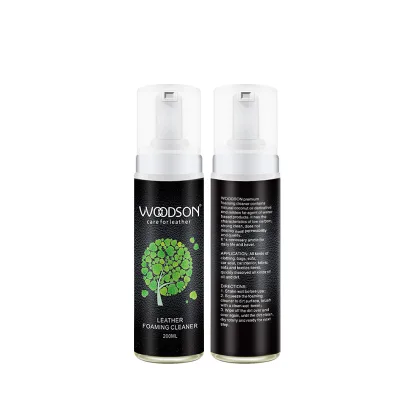
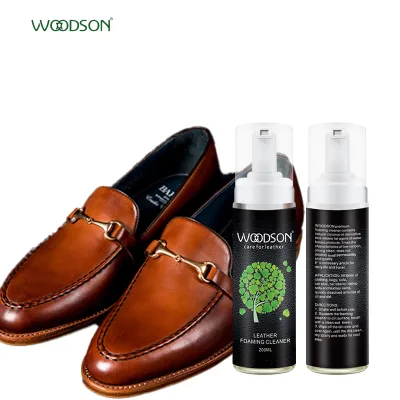
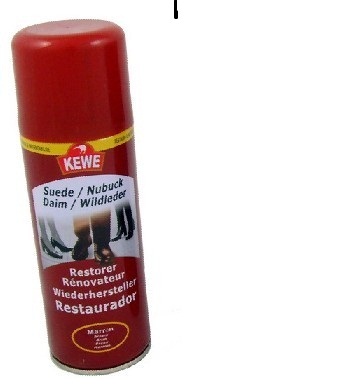


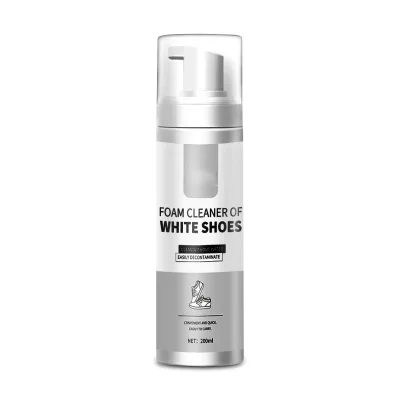
Daan Price Sport Shoe Cleaner Spray Foam Multipurpose Foam Cleaner Shoe Cleaner
$0.45 - $0.53
MOQ: 1000 Pieces


Factory Wholesale Shoe Cleaner Comes with Brush Head to Remove Shoe Stains
$0.34 - $0.42
MOQ: 5000 Pieces




Comprehensive Sourcing Guide
Strategic Sourcing Guide for Leather Spray Shoe Cleaners
Understanding Product Variants and Technical Specifications
When sourcing leather spray shoe cleaners, buyers must first navigate the diverse technical specifications that define product performance and utility. The market presents a range of formulations, primarily categorized by their physical state and application method. Observations from current listings indicate a strong prevalence of foam-based formulations, labeled explicitly as "Foam" or "Foaming Cleaner," which are designed to penetrate leather pores without oversaturating the material. In contrast, other variants appear as "Liquid Cleaner" or "Shoe Deodorizer," suggesting different viscosity profiles and functional focuses. The core function of these products often centers on cleaning, with specific mentions of "Odor Elimination" as a secondary or primary capability depending on the formulation type.
The physical attributes of the product are equally critical for logistics and shelf-life planning. Available data highlights a capacity range extending from 120ml to 200ml, with specific models identified as 150ml and 200ml variants. Packaging dimensions vary significantly, with single package sizes recorded as 22x12x10 cm, 10x20x15 cm, 22x12x16 cm, and 15x15x19.6 cm. These dimensional differences directly impact shipping costs and palletization efficiency. Furthermore, the gross weight of individual units is observed at 1.500 kg, a figure that likely includes the packaging and potential bulk components, rather than just the liquid volume. Buyers should verify the exact net weight against the gross weight to ensure accurate freight calculations.
Color and scent profiles also play a role in market segmentation. While some products are noted as "White" in appearance, others may carry specific scent profiles such as "Fruit Scent," which can influence consumer appeal in retail environments. The application scope is generally broad, covering "All kind of smooth leather" and "sneaker" materials, with some formulations claiming applicability to "All Materials." This universality requires careful verification during the sampling phase to ensure the cleaner does not damage specific leather finishes or synthetic overlays common in modern footwear.
Compliance, Certification, and Safety Standards
Navigating the regulatory landscape for chemical cleaning products requires a rigorous approach to compliance and certification. While specific certification names are not universally listed in the provided product data, the presence of "Eco-friendly" as a key feature suggests that buyers should demand evidence of environmental compliance. This could include adherence to REACH regulations in Europe or EPA guidelines in the United States, though these specific standards must be verified with the supplier rather than assumed. The "Customized Standard" noted in several product entries indicates that manufacturers may tailor their compliance documentation to meet specific regional requirements, making it the buyer's responsibility to request the relevant test reports.
Safety data sheets (SDS) are non-negotiable for any chemical product entering the supply chain. Buyers must ensure that the supplier provides up-to-date SDS documents that detail the chemical composition, handling precautions, and first-aid measures. The "Customized Logo Acceptable" and "OEM & ODM" capabilities imply that the chemical formulation might be adjusted for different markets, which necessitates a fresh compliance review for every batch or customization request. Additionally, the "Shelf Life" varies between 2 and 3 years, a critical factor for inventory management and product rotation. Buyers should verify the expiration date marking on the packaging and ensure that the storage conditions recommended by the manufacturer are feasible within their distribution network.
For products claiming to be "Eco-friendly," buyers should look for third-party verification or specific ingredient disclosures that confirm the absence of harsh solvents or volatile organic compounds (VOCs). The "Standard" field in some listings shows values like "150ml" or "200ml," which appear to be volume-based rather than regulatory standards. This ambiguity underscores the need for buyers to explicitly request the regulatory standard numbers (e.g., ISO, ASTM, or local chemical safety codes) that the product adheres to. Without this documentation, the "Eco-friendly" claim remains an unverified observation rather than a compliant guarantee.
Cost Drivers and Pricing Dynamics
The pricing structure for leather spray shoe cleaners is influenced by a complex interplay of factors, including formulation complexity, packaging materials, and order volume. The observed price range spans from $0.19 to $1250, a disparity that reflects the difference between single-unit samples and bulk industrial orders or complete care kits. The lower end of the spectrum likely represents basic liquid cleaners in small volumes, while the higher end may include comprehensive shoe care kits or large-scale bulk shipments with custom branding.
Minimum Order Quantity (MOQ) is a significant cost driver in this sector. Data indicates an MOQ range from 1 to 26,112 units. For buyers seeking to test the market, an MOQ of 1 allows for sample acquisition, but this comes at a premium unit cost. Conversely, the "Customized Starting Quantity" of 5,000 units suggests that significant branding and formulation customization require substantial volume commitments to achieve cost efficiency. The "Selling Units" are listed as "Single item," which can be misleading if the buyer is looking for bulk pricing; the actual unit price will drop significantly as the order quantity moves from single units to the 5,000-unit threshold.
Packaging and logistics also contribute to the final cost. The variation in package sizes and the specific gross weight of 1.500 kg per unit mean that shipping costs can vary widely depending on the chosen configuration. Buyers should calculate the cost per liter or per unit of active ingredient rather than relying solely on the sticker price. Additionally, the "OEM & ODM" support implies that custom molding, labeling, and packaging design will incur additional setup fees, which should be factored into the total cost of ownership. The "Carton" and "Box" packing types mentioned suggest that the outer packaging material quality will also influence the final price, with corrugated cartons generally being more cost-effective than rigid boxes for bulk shipping.
Typical Applications and Market Segmentation
The application of leather spray shoe cleaners extends beyond simple cleaning, encompassing a broader spectrum of shoe care and maintenance needs. The primary use case is the cleaning of "All kind of smooth leather," which includes dress shoes, boots, and leather accessories. The "Foam" formulation is particularly suited for this application as it allows for controlled application, reducing the risk of water damage or over-saturation that can occur with liquid cleaners. The "Sneaker" application is equally prominent, with specific products marketed as "White Sneaker Cleaner," indicating a specialized focus on maintaining the brightness and cleanliness of canvas and leather sneaker uppers.
Beyond cleaning, the market also sees products designed for "Odor Elimination," targeting the hygiene aspect of footwear. These "Shoe Deodorizer" variants are essential for athletic shoes and footwear used in high-traffic environments where bacterial growth is a concern. The "Shoe Care Kit" category suggests a bundled approach, where the spray cleaner is part of a larger system that may include brushes, cloths, or conditioners. This segmentation allows buyers to target different customer personas, from the casual sneaker enthusiast to the professional leather goods retailer.
The versatility of these products is further highlighted by the "Applicable Materials" field, which lists "All Materials." While this is a broad claim, it suggests that the formulations are designed to be safe for a wide range of synthetic and natural materials found in modern footwear. However, buyers should exercise caution and verify the compatibility with specific materials like suede, nubuck, or patent leather, as these often require specialized care distinct from smooth leather. The "Professional Leather Care" feature implies that these products are suitable for use in professional shoe repair shops and retail environments, where consistent and high-quality results are expected.
Supplier Evaluation and Sourcing Strategy
Evaluating suppliers for leather spray shoe cleaners requires a focus on their manufacturing capabilities, customization options, and geographic location. The "Place of Origin" data points to major manufacturing hubs in China, specifically Guangdong, Jiangsu, and Henan provinces. Guangdong is known for its robust chemical and packaging industries, while Jiangsu and Henan offer diverse manufacturing bases. Buyers should verify the specific factory location to assess the supply chain resilience and logistics capabilities.
The "OEM & ODM" support is a critical indicator of a supplier's flexibility. Suppliers offering these services can tailor the product formulation, packaging, and branding to meet specific buyer requirements. The "Customized Logo Acceptable" feature confirms that branding is a standard service, but buyers should inquire about the minimum customization quantities and the associated setup costs. The "Service" field explicitly mentioning "OEM/ODM" reinforces the supplier's commitment to partnership rather than just transactional sales.
When evaluating potential partners, buyers should look for evidence of consistent quality control processes. The "Shelf Life" of 2 to 3 years indicates a stable product formulation, but buyers should request batch-to-batch consistency data. The "Model Number" variations, such as "JJ-002," "HY137," and "P8401," suggest a diverse product portfolio. Buyers should ensure that the supplier has the capacity to maintain these SKUs without interruption. Additionally, the "Customized Starting Quantity" of 5,000 units sets a clear threshold for serious buyers, distinguishing between small-scale testers and large-scale distributors.
Quality Control and Long-Term Procurement Considerations
Implementing a robust quality control (QC) protocol is essential for maintaining product integrity in the leather spray cleaner market. Given the "Eco-friendly" claims and the chemical nature of the products, buyers should establish a sampling plan that includes visual inspection, pH testing, and efficacy trials on various leather types. The "Feature" list includes "easy clean" and "professional leather care," which are performance claims that must be validated through practical testing. Buyers should conduct side-by-side comparisons with existing products to ensure the new cleaner meets or exceeds current performance standards.
Long-term procurement considerations involve building a relationship with a supplier who can scale with demand. The "Capacity" of 200ml and the varying package sizes suggest that the supplier can accommodate different market needs, but buyers should verify the production lead times and the ability to ramp up manufacturing during peak seasons. The "Single gross weight" of 1.500 kg and the specific package dimensions require careful logistics planning to optimize container loading and reduce shipping costs.
Sustainability is another long-term consideration. As "Eco-friendly" becomes a more significant market differentiator, buyers should work with suppliers to reduce packaging waste and ensure that the chemical formulations align with evolving environmental regulations. The "Standard" field showing "Customized" values indicates that the supplier is willing to adapt to new standards, but buyers must proactively communicate their sustainability goals. Finally, the "Shelf Life" of 2 to 3 years allows for strategic inventory planning, but buyers should monitor storage conditions to prevent degradation and ensure that the product remains effective throughout its lifecycle.
Comparative Analysis of Product Attributes
To facilitate decision-making, the following table summarizes the key attributes observed across the different product listings. This comparison highlights the diversity in specifications, capacities, and origins available to buyers.
| Attribute | Product Variant A | Product Variant B | Product Variant C | Product Variant D |
|---|---|---|---|---|
| Product Name | Leather/Sneaker Foaming Cleaner | Spray Shoe Polish | White Sneaker Cleaner | Shoe Deodorizer |
| Type | Liquid Cleaner / Foam | Liquid Cleaner | Foam | Liquid Cleaner |
| Capacity | 200ml | Not Specified | 150ml / 200ml | 120ml |
| Form | Foam | Liquid | Foam | Liquid |
| Color | White | Brown | White | Not Specified |
| Scent | Not Specified | Not Specified | Not Specified | Fruit Scent |
| Shelf Life | 2 Years | 3 Years | Not Specified | Not Specified |
| Origin | Guangdong, China | Jiangsu, China | Henan, China | China |
| Brand | WOODSON | OEM | YIJIELIANG | Not Specified |
| Model Number | JJ-002 | HY137 | P8401 / YIJIELIANG | 120ml / 100ml |
| Application | Smooth Leather, Sneaker | Not Specified | White Sneaker | All Materials |
| Core Function | Cleaning | Not Specified | Cleaning | Odor Elimination |
| MOQ (Custom) | Not Specified | Not Specified | Not Specified | 5000 |
This table illustrates that while the core function of cleaning remains consistent, the specific attributes such as scent, color, and origin vary significantly. Buyers must align these attributes with their specific market requirements and brand identity. The variation in shelf life and capacity further emphasizes the need for detailed specification checks before placing large orders. By carefully analyzing these differences, buyers can select the most suitable product variant for their specific procurement needs, ensuring a successful and sustainable sourcing strategy.
FAQs
What is the shelf life of Leather Spray Shoe Cleaner?
The shelf life ranges from 2 to 3 years depending on the specific model and formulation. Buyers should verify the expiration date on the packaging and ensure storage conditions match manufacturer recommendations to maintain product stability.
Which capacity options are available for foam cleaners?
Available capacities include 120ml, 150ml, and 200ml variants for foam and liquid formulations. These sizes accommodate different application needs while maintaining consistent packaging dimensions for efficient logistics and shipping calculations.
Can suppliers provide customized logos and branding?
Yes, most manufacturers support customized logos and OEM or ODM services for branding. However, significant customization typically requires a minimum order quantity of 5000 units to justify the setup costs and ensure cost efficiency.
What materials can Leather Spray Shoe Cleaner clean?
These cleaners are designed for all kinds of smooth leather and sneakers, with some formulations claiming applicability to all materials. Buyers should verify compatibility with specific finishes like suede or patent leather before bulk ordering.
How does the minimum order quantity affect pricing?
The minimum order quantity ranges from 1 unit for samples to 26112 units for bulk industrial orders. Unit prices decrease significantly as order volume increases, with customized branding often requiring a starting quantity of 5000 units.
Where are the primary manufacturing locations for these products?
Primary manufacturing locations are in Guangdong, Jiangsu, and Henan provinces in China. These regions offer robust chemical and packaging industries, allowing for diverse supplier options and varying logistics capabilities for international buyers.
What features define eco-friendly leather spray cleaners?
Eco-friendly features often include formulations free from harsh solvents and volatile organic compounds. Buyers should request third-party verification or specific ingredient disclosures to confirm environmental compliance rather than relying solely on product labels.