Source Leather Seat Heavy Truck for logistics, mining, and transport
Find 30 verified options for Leather Seat Heavy Truck featuring air suspension and lumbar support. Compare specifications like size, weight, and adjustment ranges from suppliers in Shaanxi, China to match your fleet needs.
Key considerations
Products List
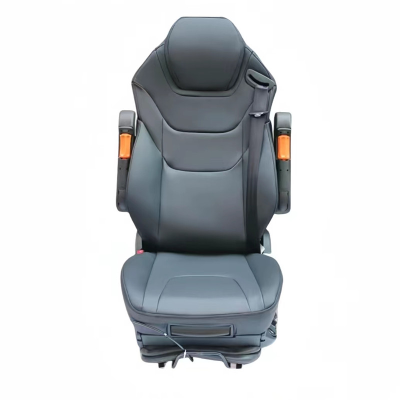
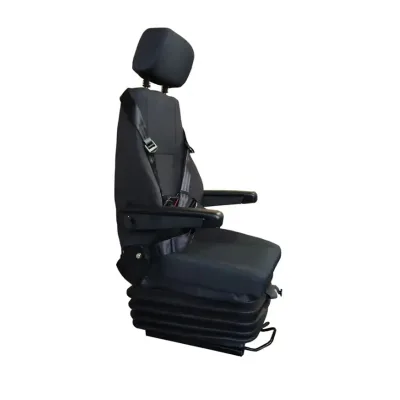
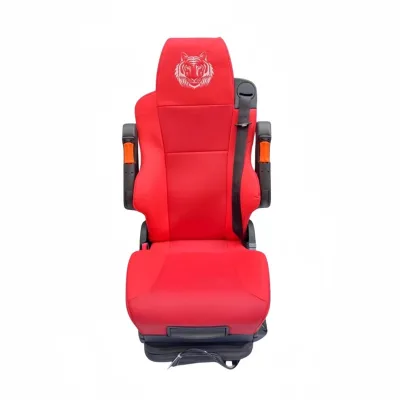
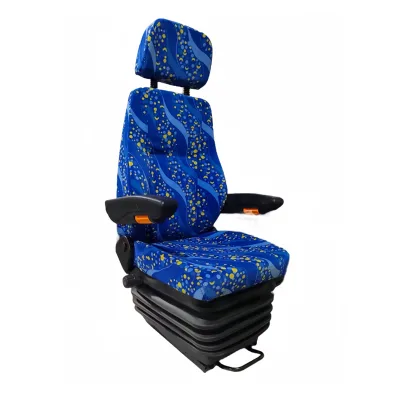
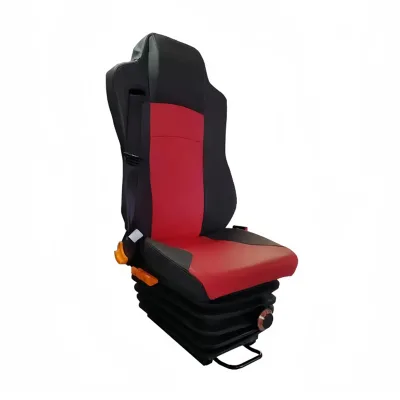


Multi-Functional Aviation Seat Shock Absorption for Main Driver of Heavy Trucks
$200.00 - $260.00
MOQ: 1 Pieces


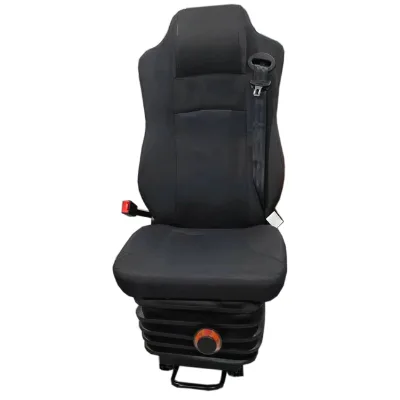


Heavy Duty Truck Driver Seat with Mechanical Suspension and Black Trim
$186.00 - $210.00
MOQ: 4 Pieces


Heavy Duty Mechanical Driver Seat Featuring Manual Controls and Durable Fabric
$200.00 - $220.00
MOQ: 4 Pieces

Heavy Duty Fabric Seat with Sliding Dual Rails and Adjustable Headrest
$325.00 - $375.00
MOQ: 4 Pieces

Heavy Vehicle Air Seat Offering Dual Sliding Rails and Integrated 3-Point Belt
$325.00 - $375.00
MOQ: 4 Pieces


Comprehensive Sourcing Guide
Strategic Sourcing Guide for Heavy Truck Leather Seats
The global logistics and transportation sector relies heavily on the durability and comfort of heavy truck seating, particularly for long-haul operations where driver fatigue is a critical safety concern. When sourcing a "Leather Seat Heavy Truck," buyers must navigate a complex landscape of technical specifications, material variations, and supplier capabilities. The market offers a diverse array of options ranging from universal fitment models to specialized heavy-duty units designed for specific chassis configurations. This guide provides a structured approach to evaluating these products, ensuring that procurement decisions are grounded in verified data and practical operational requirements rather than marketing assertions.
Technical Specifications and Functional Capabilities
The core of any heavy truck seat procurement decision lies in the detailed technical specifications. Unlike passenger vehicle seats, heavy truck seats must withstand rigorous vibration, constant load bearing, and frequent adjustments. The observed product data reveals a variety of functional attributes that define performance. A primary consideration is the suspension mechanism. High-end models feature pneumatic suspension functions with a specific stroke of ±30mm, which is crucial for absorbing road shocks and reducing driver fatigue. This is often paired with vertical lock functions utilizing a seat air compression system to maintain stability during operation.
Adjustability is another critical technical pillar. Buyers should verify the range of motion for the backrest, which in observed models spans from 80° to 120°, or offers a forward range of 63° and a backward range of 32°. Furthermore, front tilt adjustments are essential for ergonomic customization, with observed ranges extending from -4° to 12°. The horizontal adjustment function often includes a double lock mechanism, allowing for a significant adjustment stroke of up to 200 mm. For weight adaptation, some units offer a weight adjustment function with a range of 40 to 130 kg, ensuring the seat supports drivers of varying body types effectively.
Dimensions and physical fitment are equally important. The standard size for many heavy truck seats is approximately 570mm x 570mm x 1170mm, though larger luxury variants may measure 600mm x 630mm x 1100mm. The single package size for shipping often exceeds the product dimensions, with observed values around 65cm x 68cm x 120cm or 130cm, reflecting the need for robust packaging. The gross weight of these units varies significantly, ranging from 60 kg for lighter models to 120 kg for heavy-duty versions, impacting freight costs and handling requirements.
Material Composition and Surface Options
The term "leather seat" in the heavy truck market often encompasses a spectrum of materials, from genuine leather to high-grade Polyurethane (PU). While some products explicitly list "Leather" as the surface material, others specify "Pu" as the primary material, indicating a synthetic alternative that mimics the look and feel of leather while offering enhanced durability and ease of cleaning. The choice between these materials depends on the specific operational environment and budget constraints.
Surface material selection is often customizable, allowing buyers to choose based on aesthetic preferences or functional needs. Color options are typically available, with black and red being common observations in the current market, though "as photo" indicates that custom color matching may be possible. The integration of accessories such as handrests, ventilation, and heating systems adds layers of comfort and functionality. These accessories are frequently listed as optional or included depending on the specific model configuration. For instance, some units come with integrated lumbar support featuring front and side airbag adjustments, while others list lumbar support as an optional accessory.
Compliance, Certification, and Safety Standards
When evaluating heavy truck seats, compliance with safety standards is non-negotiable. The supply chain data indicates the presence of a "Four point safety-belt" system in certain models, which is a critical safety feature for heavy vehicles. However, buyers must exercise caution regarding broader certification claims. While background information mentions ISO9001, this should be treated as a general industry standard rather than a guaranteed attribute of every listed product.
Buyers should verify that the supplier can provide specific test results or certification documents relevant to the target market. In the absence of explicit certification data in the product listings, procurement teams must request proof of compliance with regional safety regulations, such as ECE R17 in Europe or FMVSS 207 in the United States. The "Universal" car fitment attribute suggests broad compatibility, but this does not automatically imply compliance with all regional safety standards. Therefore, the verification process must include a direct inquiry into the specific safety certifications held by the manufacturer for the exact model number being purchased.
Cost Drivers and Pricing Dynamics
The pricing for heavy truck leather seats is influenced by a multitude of factors, including material quality, functional complexity, and order volume. The observed price range in the market spans from $55 to $391.68 USD, reflecting the vast difference between basic PU models and fully equipped luxury units with pneumatic suspension and heating systems. This wide variance underscores the importance of defining clear requirements before requesting quotes.
Minimum Order Quantity (MOQ) is a significant cost driver. The market data shows an MOQ range from 1 piece to 500 units. Some suppliers offer an MOQ of 1 piece, which is beneficial for small fleet replacements or testing purposes, while others require a minimum of 2 sets or higher volumes. The "Selling Units" are typically listed as single items, but bulk purchasing often unlocks better pricing tiers. Additionally, the packaging method, such as "Wooden Case" or "Carton+wooden Box," impacts the final landed cost due to the weight and volume of the packaging materials. Buyers should factor in these logistics costs when comparing the base price of the seat against the total cost of ownership.
Supplier Evaluation and Operational Logistics
Selecting the right supplier requires a thorough evaluation of their operational capabilities and reliability. The observed data indicates that a significant number of products originate from Shaanxi, China, a region known for its manufacturing base. The "Brand Name" varies, with examples like "SLYT" and "SL" appearing in the listings, alongside "OEM: Welcomed OEM," indicating that many manufacturers are open to private labeling.
Lead time is a critical logistical factor. The observed delivery time ranges from 7 to 15 days, which is relatively short but can be affected by order volume and customization requirements. Buyers should confirm the actual lead time for their specific order, as this can fluctuate based on production schedules. The "Single gross weight" and "Single package size" are essential for calculating shipping costs and planning warehouse storage. For example, a seat weighing 120 kg requires different handling equipment than one weighing 60 kg.
When evaluating suppliers, buyers should verify the consistency of their product attributes. Discrepancies in model numbers, such as "LS31-3" versus "SLA-42," suggest a diverse product line, but buyers must ensure the specific model matches their technical requirements. The presence of "OEM" services suggests flexibility in branding, but it also requires clear communication regarding design specifications and quality control standards.
Quality Control and Long-Term Procurement Considerations
Ensuring long-term value from heavy truck seat procurement involves rigorous quality control measures. The "Integrated Lumbar support" and "Ventilation Heating System" are complex features that require precise assembly. Buyers should request sample units to test the functionality of the pneumatic suspension, the durability of the leather or PU surface, and the reliability of the adjustment mechanisms. The "Stroke ±30mm" and "Adjustable range 80°-120°" are specific metrics that should be verified physically rather than relying solely on product descriptions.
Long-term considerations include the availability of spare parts and the durability of the materials under continuous use. The "Weight adjustment function" and "Horizontal adjustment function" are mechanical components that are prone to wear and tear. Buyers should inquire about the warranty period and the supplier's policy on replacing worn components. The "Packing" method, whether "Wooden Case" or "Carton+wooden Box," also plays a role in protecting the product during transit, which is vital for maintaining quality before installation.
Furthermore, the "Keywords" associated with the products, such as "Heavy truck seats" and "Heavy Truck," indicate the intended application. Buyers must ensure that the seat is designed for the specific type of heavy truck they operate, as load capacities and vibration profiles can vary between different vehicle classes. The "Safety-belt" integration must be compatible with the vehicle's existing safety systems to ensure a seamless installation.
Comparative Analysis of Key Product Attributes
To facilitate a clearer understanding of the market offerings, the following table summarizes the key technical and logistical attributes observed in the heavy truck seat market. This comparison highlights the diversity in specifications and helps buyers identify the features most relevant to their needs.
| Attribute Category | Observed Specification Range | Key Variations |
|---|---|---|
| Material | Leather, Pu | Surface material can be chosen; PU vs. Leather options |
| Dimensions | 570x570x1170 mm to 600x630x1100 mm | Size varies by model; single package size 60-68 cm width |
| Suspension | Pneumatic (Stroke ±30mm) | Vertical lock via air compression system |
| Backrest Adjustment | 80°-120° or 63° forward/32° backward | Range varies significantly by model |
| Weight | 60 kg to 120 kg (Gross) | Heavy-duty models weigh significantly more |
| MOQ | 1 pc to 500 units | Some models require 2 sets minimum |
| Lead Time | 7-15 Days | Standard delivery window |
| Safety Features | Four point safety-belt | Integration varies; some models list as optional |
| Color | Black, Red, As Photo | Customization often available |
| Accessories | Handrest, Ventilation, Heating, Lumbar | Optional or integrated depending on model |
Conclusion
Sourcing a heavy truck leather seat requires a meticulous approach that balances technical specifications, material quality, and logistical feasibility. The market offers a wide range of options, from basic PU seats to luxury units with advanced pneumatic suspension and heating systems. Buyers must carefully verify the specific model numbers, such as LS31-3 or SLA-42, against their operational needs. While the observed data provides a solid foundation for understanding the market, the absence of universal certification claims necessitates direct verification of safety standards and quality control processes. By focusing on the functional attributes like suspension stroke, adjustment ranges, and material durability, procurement teams can make informed decisions that enhance driver comfort and safety while optimizing total cost of ownership. The flexibility in MOQ and OEM services further allows for tailored solutions, but success depends on rigorous supplier evaluation and clear communication of requirements.
FAQs
What materials are used for heavy truck leather seats?
Heavy truck seats are typically constructed from Leather or Pu materials. Buyers can often choose the surface material based on specific needs, with options including black or red colors, or custom matches as shown in photos.
How does the pneumatic suspension function work?
The pneumatic suspension function provides a stroke of plus or minus 30mm to absorb road shocks. This system often includes a vertical lock function using seat air compression to maintain stability during heavy truck operations.
Which adjustment ranges are available for the backrest?
Backrest adjustment ranges vary by model, typically spanning from 80 to 120 degrees or offering a forward range of 63 degrees and backward range of 32 degrees. Some units also feature front tilt adjustments ranging from minus 4 to 12 degrees.
Can I find seats with a specific minimum order quantity?
Yes, minimum order quantities range from 1 piece to 500 units depending on the supplier. Some specific models require a minimum of 2 sets, while others allow single item purchases for testing or small fleet replacements.
What are the standard dimensions for these heavy truck seats?
Standard seat sizes are approximately 570mm by 570mm by 1170mm, though luxury variants may measure 600mm by 630mm by 1100mm. Single package sizes for shipping are larger, typically around 65cm by 68cm by 120cm or 130cm.
How long is the delivery time for these products?
The standard delivery time ranges from 7 to 15 days for most orders. This lead time applies to products originating from Shaanxi, China, though it may vary based on order volume and specific customization requirements.
What safety features are included in heavy truck seats?
Certain models include a four-point safety-belt system as a standard safety feature. Additional safety and comfort options like integrated lumbar support with airbag adjustments or optional headrests may be available depending on the specific configuration.