Source Leather Shine Dashboard Polish for Car Wash, Clean & Polish, Anti-Water
Compare 30 Leather Shine Dashboard Polish options from verified Chinese manufacturers offering OEM/ODM services. These products feature eco-friendly formulas, protective wax properties, and volumes ranging from 220ml to 650ml for automotive interior maintenance.
Key considerations
Products List


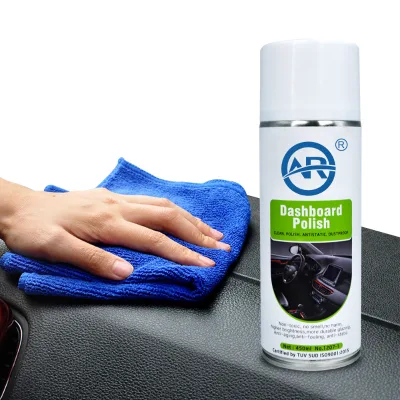
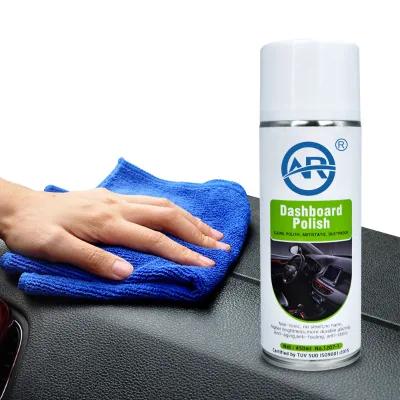

Dashboard Polish Shine Leather Car Care Cleaning Wax Dashboard Polish Spray
$0.65 - $0.90
MOQ: 7500 Pieces


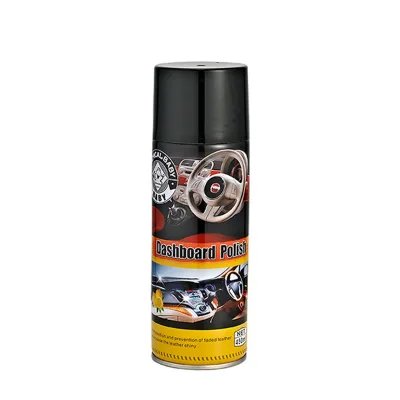
China Manufacturer High Gloss Shine Restoring Luster Dashboard Polish for Car
$0.64 - $0.72
MOQ: 3000 Pieces


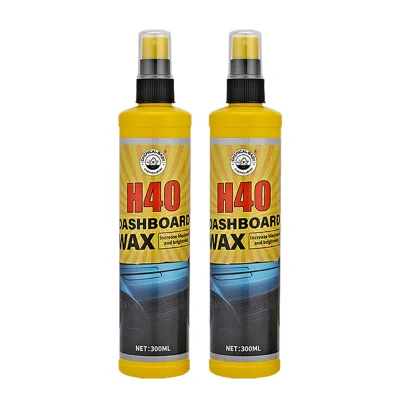
Effectively Shinning Car Polish Spray Anti-Ultraviolet Dashboard Polish Products
$0.35 - $0.49
MOQ: 3000 Pieces




Comprehensive Sourcing Guide
Strategic Sourcing Guide for Leather Shine Dashboard Polish
Understanding Product Specifications and Formulation Variations
When sourcing Leather Shine Dashboard Polish, buyers must first navigate the diverse technical specifications that define the product category. The market offers formulations ranging from aerosol sprays to liquid protective waxes, each serving specific application needs. Based on observed product data, the physical condition of these items is consistently liquid, delivered in volumes that typically range from 220ml to 650ml, with 450ml being a prevalent standard size for single-unit sales. The packaging formats vary significantly, with options including carton boxes containing 12 to 24 pieces per unit, or bulk cartons with specific dimensions such as 27.521.526.5cm or 41.527.520.8cm.
A critical distinction in this category is the functional mechanism. Some products are marketed specifically as "Dashboard Leather Polish" designed to provide a shiny gloss and polish the dashboard surface, while others function as "Protective Wax" or "Silicon Grease Protective Wax" intended to offer anti-water properties alongside glossing and polishing capabilities. The application method is often aerosol-based, which facilitates even distribution, though the underlying chemical composition may differ between standard polishes and those with specific anti-water or grinding functions. Buyers should verify the exact "prod_model" or product code, as identifiers like LS-101001, CYJDP01, or VSL-1C often correlate with specific volume standards or packaging configurations. Understanding these variations is essential to ensure the selected product aligns with the intended use case, whether it is for routine cleaning and polishing or for long-term protective waxing of interior surfaces.
Compliance, Certification, and Regulatory Standards
Navigating the regulatory landscape is a paramount step in B2B procurement for automotive care products. The supply chain for dashboard polish involves strict adherence to safety and quality management standards. Verified product data indicates that reputable suppliers often hold certifications such as MSDS (Material Safety Data Sheet), which is crucial for the safe transportation and handling of chemical products. Furthermore, quality management system certifications like ISO9001 and ISO14001 are frequently observed, ensuring that the manufacturing process meets international standards for quality and environmental management.
In addition to general quality certifications, specific regional or industry-specific approvals may be required. Some product listings reference German TUV quality management system certification, alongside other third-party verification bodies like BV (Bureau Veritas) and API (American Petroleum Institute) standards. These certifications are not merely marketing labels; they serve as evidence of the supplier's commitment to product safety and consistency. For buyers importing these goods, the presence of an MSDS is non-negotiable for customs clearance and safety compliance. When evaluating potential suppliers, procurement teams should request copies of these certificates to verify their validity and ensure they cover the specific product models being ordered. The absence of these documents should be treated as a significant risk factor, as it indicates a potential lack of quality control or regulatory compliance.
Cost Drivers and Pricing Dynamics
The pricing structure for dashboard polish is influenced by a complex interplay of factors, including volume, customization, and packaging. Observed market data reveals a wide price range, with unit costs fluctuating between $0.30 and $1.47 USD. This variance is not arbitrary but is driven by several key cost drivers. The primary determinant is the Minimum Order Quantity (MOQ). The observed MOQ range spans from 24 units to 24,000 units, creating a significant disparity in unit economics. Buyers purchasing at the lower end of the MOQ spectrum, such as 24 to 3000 pieces, will typically face higher per-unit costs compared to those committing to bulk orders near the 24,000-unit threshold.
Customization services, including OEM (Original Equipment Manufacturer) and ODM (Original Design Manufacturer) capabilities, also impact the final price. Suppliers offering the ability to customize branding, packaging, or formula composition often charge a premium or require higher volume commitments to amortize the setup costs. Additionally, the physical specifications, such as the volume (e.g., 450ml vs. 650ml) and the type of packaging (e.g., carton box vs. specialized retail packaging), contribute to the overall cost. Buyers must carefully analyze the total landed cost, factoring in shipping, which is heavily influenced by the gross weight (e.g., 4.35kgs per carton) and the specific carton dimensions. Understanding these dynamics allows procurement teams to negotiate more effectively and align their order volumes with their budgetary constraints.
Typical Applications and Functional Performance
The functional scope of Leather Shine Dashboard Polish extends beyond simple cleaning. These products are engineered for specific applications within the automotive interior, primarily focusing on "Car Beauty" and "Car Wash" activities. The core function is to provide a "Shiny Gloss" while simultaneously polishing the dashboard surface. However, advanced formulations offer additional benefits, such as "Anti-Water" protection, which helps repel moisture and maintain the integrity of the leather or dashboard material. The "Used On" specification confirms that these products are designed for in-car use, specifically targeting dashboard surfaces and leather components.
The application process is generally straightforward, often utilizing an aerosol mechanism for ease of use. The product is intended to be applied to the dashboard to restore shine and provide a protective layer. Some variants include "Grinding" functions, suggesting a more aggressive polishing capability for removing minor scratches or imperfections before the final gloss is applied. The shelf life of these products is typically three years, provided they are stored in a cool and dry place. This longevity is a critical factor for inventory management, ensuring that stock remains viable for extended periods. Buyers should verify that the product's intended function matches their specific requirements, as some products may be optimized for daily maintenance while others are designed for deep cleaning and restoration.
Supplier Evaluation and Service Capabilities
Evaluating suppliers requires a deep dive into their service capabilities and operational reliability. The market offers suppliers that provide comprehensive OEM and ODM services, allowing buyers to brand products under their own labels or customize formulations. The "Service" attribute consistently highlights the availability of these customization options, which is a significant advantage for brands looking to differentiate their product lines. When assessing suppliers, buyers should look for evidence of a robust supply chain, indicated by the origin of the products. Common origins include Guangdong, Shandong, and Guangzhou in China, regions known for their manufacturing infrastructure.
The reliability of a supplier is also measured by their lead times and sample availability. Typical sample times range from 3 to 5 days, allowing buyers to test product quality before committing to large orders. Delivery times for bulk orders are generally estimated at 20 to 25 working days, though this can vary based on the specific order volume and shipping method. Payment terms are often negotiable, providing flexibility for buyers to structure their financial commitments. A thorough evaluation should include checking the supplier's history of certifications, their capacity to handle large MOQs, and their responsiveness to customization requests. Buyers should prioritize suppliers who demonstrate transparency in their production processes and offer clear documentation regarding their quality control measures.
Quality Control and Long-Term Procurement Considerations
Implementing a rigorous quality control (QC) protocol is essential for maintaining product integrity in the dashboard polish market. The expiration date of three years provides a window for testing and distribution, but buyers must ensure that the storage conditions—specifically a cool and dry place—are maintained throughout the supply chain. Quality control should begin at the factory level, where suppliers should adhere to standards like ISO9001 and maintain detailed records of their production batches. For buyers, this means requesting batch-specific test results and ensuring that the physical condition of the product remains liquid and free from separation or contamination upon arrival.
Long-term procurement considerations involve building a sustainable relationship with suppliers who can consistently meet quality and volume demands. The variability in product models and specifications requires a flexible procurement strategy that can adapt to changing market needs. Buyers should establish clear communication channels with suppliers to address any issues regarding packaging, labeling, or product performance. Additionally, monitoring the market for new certifications or standards is crucial, as regulatory requirements may evolve. By focusing on suppliers with a proven track record of compliance and quality, buyers can mitigate risks and ensure a steady supply of high-performance dashboard polish.
Comparative Analysis of Product Attributes
To facilitate decision-making, it is helpful to compare key attributes across different product models. The following table summarizes the observed variations in specifications, certifications, and packaging, providing a clear overview for buyers.
| Attribute | Product Model A (Example) | Product Model B (Example) | Product Model C (Example) |
|---|---|---|---|
| Product Name | OAR Dashboard Polish | LS-101001 | CYJDP01 |
| Physical Condition | Liquid | Liquid | Liquid |
| Volume | 450ml | 450ml / 650ml | 300 - 500ml |
| Packaging | Carton Box (24 pcs) | 12PCS/CTN | Carton Packing |
| Certifications | MSDS, German TUV | ISO9001 | ISO9001, ISO14001, BV, API, MSDS |
| Origin | Guangdong, China | Shandong, China | Guangzhou, China |
| Function | Shinny Gloss, Polish | Protective Wax | Glossing, Polishing & Grinding |
| MOQ Range | 24 - 24000 | 3000 PCS | Negotiable |
| Shelf Life | 3 Years | 3 Years | 3 Years |
This comparison highlights the diversity in the market. While all products share the core function of polishing and glossing, the specific certifications and packaging configurations vary significantly. Buyers should use this data to align their procurement choices with their specific operational requirements, ensuring that the selected product meets both functional and regulatory standards. By carefully analyzing these attributes, procurement teams can make informed decisions that optimize cost, quality, and supply chain efficiency.
FAQs
What certifications are available for Leather Shine Dashboard Polish?
Reputable products often hold MSDS, ISO9001, ISO14001, German TUV, BV, and API certifications. Buyers should verify these documents for safety compliance and quality management standards before placing orders.
How long is the shelf life of dashboard polish?
The typical shelf life is three years if stored in a cool and dry place. This duration applies to liquid formulations like protective wax and standard polishes found in the market.
Can I customize the packaging for dashboard polish orders?
Yes, OEM and ODM services are available for customization of branding and packaging. Suppliers typically offer carton boxes with varying counts, such as 12 or 24 pieces per unit.
What is the minimum order quantity for this product?
Minimum order quantities range from 24 units up to 24,000 units depending on the supplier. Lower MOQs suit smaller buyers, while bulk orders often secure better per-unit pricing.
Which volume sizes are standard for dashboard polish?
Standard volumes include 220ml, 300ml, 450ml, and 650ml options. The 450ml size is a prevalent standard for single-unit sales in many product listings.
How long does delivery take for bulk orders?
Delivery times are generally estimated at 20 to 25 working days for bulk shipments. Sample times are shorter, typically ranging from 3 to 5 days for quality verification.
What functions does Leather Shine Dashboard Polish provide?
Products provide shiny gloss, polishing, and anti-water protection for in-car use. Some advanced formulations also include grinding capabilities to remove minor surface imperfections.