Source Leather Seat Sitrak Tractor Truck for Mining, Logistics, and Construction
Find 30 available models of the Leather Seat Sitrak Tractor Truck designed for heavy-duty applications. Compare specifications including horsepower, drive wheels, and load capacity to identify the right configuration for your fleet needs.
Key considerations
Products List


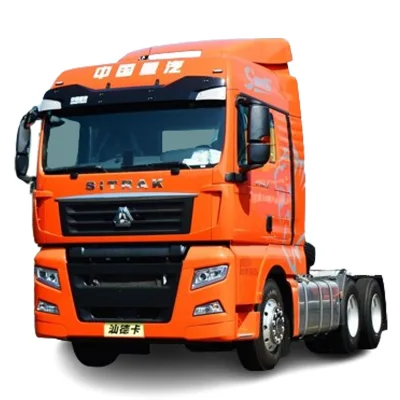
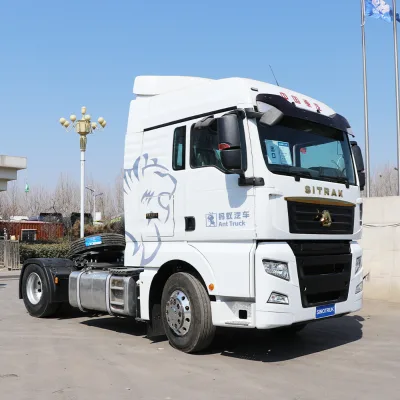


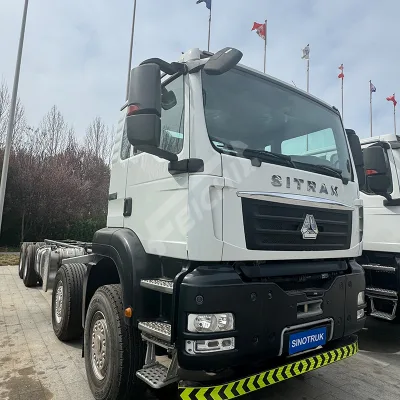
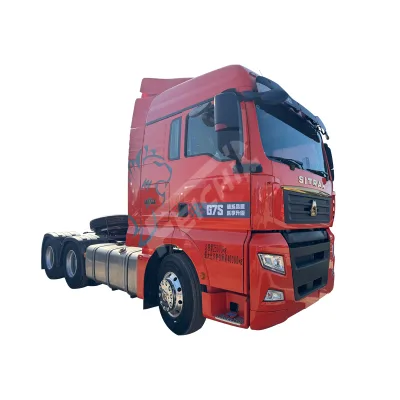
100% Original New Sitrak 6X4 371/375/420HP Prime Mover Tractor Truck
$6000.00 - $13000.00
MOQ: 1 Pieces


Sitrak4X2 Diesel Tractor Suitable for Construction and Transportation Trucks
$9990.00 - $39999.00
MOQ: 1 Pieces


Sitrak4X2 Tractor Is Suitable for Construction and Trailer Truck Manufacturer Directory
$9990.00 - $39999.00
MOQ: 1 Pieces

Sinotruck Heavy Duty Tractor with Air Suspension Seat for Towing Semi Trailer
$9990.00 - $39999.00
MOQ: 1 Pieces



Comprehensive Sourcing Guide
Leather Seat Sitrak Tractor Truck Sourcing Guide
Sourcing a Sitrak tractor truck equipped with a leather seat requires a disciplined approach to verifying both the vehicle’s mechanical integrity and the specific interior configuration. The Sitrak brand, manufactured by Sinotruk, offers a range of heavy-duty trucks that are popular in international markets due to their robust engineering and competitive positioning. When targeting a model with a leather seat, buyers must navigate a market where interior finishes can vary significantly between new and used units, as well as between different chassis configurations such as the C7H or G7 series. The presence of a leather seat is often an indicator of a higher trim level or a specific customization request, which necessitates clear communication with suppliers to ensure the final delivery matches the procurement specification.
The procurement process for these vehicles involves balancing technical performance metrics with commercial terms that reflect the current market conditions. Observed listing data indicates a wide price range, suggesting that factors such as engine capacity, drive wheel configuration, and vehicle condition heavily influence the final cost. Buyers must also consider that "leather seat" may refer to genuine leather, high-quality synthetic leather, or leather-wrapped upholstery, each carrying different implications for durability, maintenance, and cost. Therefore, the sourcing strategy must prioritize detailed specification verification over generic marketing claims to avoid discrepancies between the ordered unit and the delivered asset.
Product Scope and Observed Listing Signals
The product scope for Sitrak tractor trucks encompasses a variety of configurations, primarily driven by the engine capacity and drive wheel setup. Listings frequently highlight models with 6x4 drive wheels and engine capacities exceeding 8 liters, which are typical for heavy-haul applications requiring substantial torque and power. The observed data points to specific models like the SITRAK C7H and ZZ4257N3847W, which are often associated with higher performance tiers. These vehicles are generally powered by diesel engines, with horsepower ratings ranging from 351-450hp to over 450hp, catering to diverse load capacities from 31-40t to over 50t. The inclusion of a leather seat is often found in these higher-spec configurations, particularly in models featuring the Max-E Cab or C9h-H cab variants, which are designed for long-haul comfort.
Listing signals also reveal significant variation in vehicle condition, with both new and used units available in the market. New units often come with customizable options, including color and interior materials, allowing buyers to specify leather seating as part of the initial order. In contrast, used units may have existing leather seats that require inspection for wear and tear, making the verification of interior condition as critical as the mechanical inspection. The observed minimum order quantity (MOQ) is typically low, often starting at one unit, which facilitates flexible procurement for individual fleet expansions or replacement needs. However, buyers should be aware that customization requests, such as specifying leather seats, may impact lead times and production scheduling, even if the MOQ remains low.
Technical Specifications to Verify
Verifying the technical specifications of a Sitrak tractor truck is essential to ensure it meets the operational requirements of the intended application. Key areas of focus include the engine type, transmission, and chassis configuration. The supplied facts indicate that engines are often sourced from MAN, paired with HW transmissions, which are known for their reliability in heavy-duty service. Buyers must confirm the exact engine displacement and emission standard, as listings may reference Euro standards or specific engine capacities that differ from the actual delivered unit. Additionally, the drive wheel configuration, such as 6x4 or 4x2, must align with the payload and terrain requirements, as this directly affects fuel efficiency and tire wear.
The interior specifications, particularly the seat type, require precise verification to avoid misunderstandings regarding material quality and comfort features. While the core keyword specifies a leather seat, buyers should confirm whether the seat is heated, ventilated, or equipped with air suspension, as these features significantly impact driver comfort during long hauls. The supplied data mentions an air suspension seat, which is a valuable feature for reducing driver fatigue, but its availability may vary by model and trim level. Furthermore, the tire specification, such as 12R22.5 radial or bias tires, and the tire design, whether tubeless or tube-type, should be confirmed to ensure compatibility with existing fleet maintenance protocols and regional road conditions.
Compliance and Safety Documentation
Compliance and safety documentation are critical for the legal operation and insurance coverage of imported Sitrak tractor trucks. Buyers must ensure that the vehicle meets the regulatory standards of the destination country, which may include certifications such as ECE, GCC, ISO, or DOT. The observed listings mention these certifications, indicating that some units are prepared for international markets, but buyers must verify that the specific VIN and model number correspond to the claimed certifications. This is particularly important for vehicles with modified interiors, such as those with added leather seats, as any non-standard modifications must not void the vehicle’s compliance status.
In addition to regulatory certifications, buyers should request comprehensive safety and maintenance documentation, including the vehicle history report for used units and the original manufacturer’s warranty details for new units. The warranty coverage should explicitly include the interior components, such as the leather seats, to protect against premature wear or defects. For used vehicles, a detailed inspection report highlighting the condition of the upholstery, dashboard, and other interior elements is essential. Buyers should also verify that the vehicle’s gross vehicle weight rating (GVWR) and load capacity are accurately documented, as this affects licensing and operational legality in many jurisdictions.
Cost Drivers and Commercial Terms
The cost of a Sitrak tractor truck with a leather seat is influenced by several factors, including the vehicle’s condition, specifications, and the extent of customization. New units with factory-installed leather seats and high-performance engines typically command a higher price, reflecting the additional manufacturing costs and premium materials. Used units, while generally more affordable, may incur additional costs for interior refurbishment or replacement if the existing leather seats are damaged or worn. The observed price range of $4,397.56 to $55,000 USD highlights the significant variance based on these factors, emphasizing the need for a clear budget and specification alignment before engaging with suppliers.
Commercial terms, including payment methods, shipping arrangements, and lead times, also play a crucial role in the total cost of ownership. Buyers should negotiate clear terms regarding the inclusion of accessories, such as spare tires or toolkits, and clarify who is responsible for import duties and taxes. The observed packing methods, ranging from bulk transportation to nude packing after painted wax, can affect shipping costs and the risk of damage during transit. Additionally, buyers should inquire about the availability of after-sales support and spare parts, as the cost of maintenance and repairs can significantly impact the long-term economic viability of the procurement.
Supplier Qualification and Quality Control
Qualifying suppliers for Sitrak tractor trucks requires a thorough assessment of their reputation, experience, and quality control processes. Buyers should prioritize suppliers who have a proven track record in exporting heavy-duty trucks and who can provide verifiable references from previous clients. It is essential to verify the supplier’s ability to handle customization requests, such as installing leather seats, and to ensure that they have the necessary facilities and expertise to execute these modifications to a high standard. Suppliers should also be able to provide detailed information about their sourcing channels, whether they are direct agents of the manufacturer or independent dealers, as this affects the authenticity and support available for the vehicle.
Quality control measures should be implemented throughout the procurement process, from the initial specification agreement to the final pre-shipment inspection. Buyers should request high-resolution photos and videos of the vehicle, focusing on the interior upholstery to verify the quality and condition of the leather seats. For used vehicles, a third-party inspection service may be warranted to assess the mechanical condition and interior wear. Establishing a clear acceptance criteria document, which includes specific checks for the leather seat material, stitching, and overall interior finish, can help mitigate the risk of receiving a vehicle that does not meet the agreed-upon standards.
Long-Term Procurement Checks
Long-term procurement success depends on establishing a sustainable relationship with suppliers and implementing continuous improvement processes. Buyers should regularly review the performance of the Sitrak tractor trucks in their fleet, monitoring metrics such as fuel efficiency, maintenance costs, and driver feedback on the leather seats. This data can inform future purchasing decisions, allowing buyers to refine their specifications and negotiate better terms based on actual operational experience. Additionally, staying informed about updates in Sitrak’s product lineup and market trends can help buyers identify new opportunities for cost savings or performance enhancements.
It is also important to maintain open communication with suppliers regarding any issues that arise post-purchase, such as warranty claims or spare parts availability. A proactive approach to supplier management, including regular performance reviews and feedback sessions, can help build a partnership that supports the long-term needs of the fleet. Buyers should also consider the environmental and social impact of their procurement decisions, ensuring that suppliers adhere to ethical labor practices and environmental standards. By focusing on these long-term checks, buyers can optimize their Sitrak tractor truck procurement strategy and achieve greater value over the lifecycle of the assets.
FAQs
What customization options exist for leather seats on Sitrak trucks?
Customization is available for the leather seats on these Sitrak tractor trucks. Buyers can select specific colors and configurations to match their preferences, ensuring the interior meets unique operational requirements while maintaining the standard Max-E or C9h-H cab features.
Which Sitrak models feature air suspension driver seats?
The Sitrak C7H and G7 models feature air suspension driver seats for enhanced comfort. These trucks are available in various horsepower ranges exceeding 450hp or between 351-450hp, offering a robust driving experience with the specified seating comfort technology.
Can I find Sitrak trucks with a load capacity over 50 tons?
Yes, Sitrak tractor trucks are available with a load capacity exceeding 50 tons. These heavy-duty units typically feature a 6x4 drive wheel configuration and are powered by diesel engines with capacities greater than 8 liters to handle such significant loads.
What tire certifications are standard for these Sitrak trucks?
Standard tire certifications for these Sitrak trucks include ECE, GCC, ISO, and DOT. The vehicles often come equipped with 12r22.5 tires in either tubeless or radial designs, ensuring compliance with international safety and performance standards for global transport.
How is the Sitrak C7H truck packed for international shipping?
The Sitrak C7H truck is packed using bulk transportation or sea transportation methods. Some units are shipped in a nude state after being painted and waxed, while others may be packed specifically for bulk transport to ensure safe delivery from the Shandong origin.
What is the minimum order quantity for a Sitrak tractor truck?
The minimum order quantity for a Sitrak tractor truck is one unit. This low MOQ allows buyers to source individual vehicles or small fleets directly, with prices observed in the range of approximately 4397 to 55000 USD depending on the specific configuration.