Source LED Electric Fake Fire Basket for Indoor Decor, Events, and Heating
Compare 30 listings for LED Electric Fake Fire Basket units featuring LED flame effects, heating functions, and remote control options. Buyers can evaluate specifications including voltage, installation types, and certifications from suppliers in Guangdong, China.
Key considerations
Products List
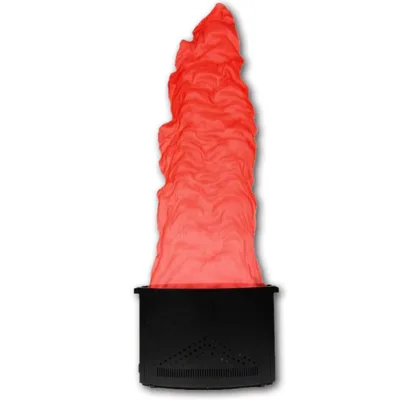


Decorative 3D Water Vapor Style LED Flame Indoor Burning Fake Electric Fireplace
$92.00 - $124.00
MOQ: 200 Pieces


2024 New Design Home Decoration Indoor Space Fake Electric Fire Place
$92.00 - $124.00
MOQ: 200 Pieces
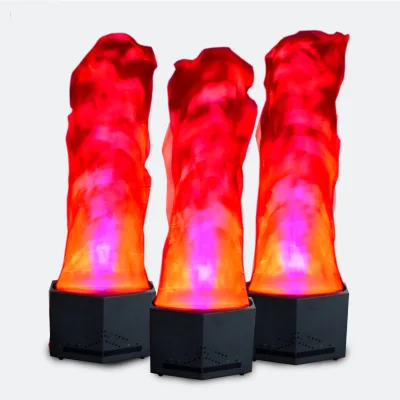


48 Inch LED Bulbs Steam Fake Electric Water Vapor LED Flame Intelligent Fireplace
$990.00 - $1100.00
MOQ: 1 Pieces


60 Inch Simulation Flame 3 LED Mist Fire Electricwater Vapor LED Flame Intelligent Fireplace
$1245.00 - $1390.00
MOQ: 1 Pieces

LED Mist Fire Water Steam Electric 3D Vapor Electric Artificial Fire Flame Fireplace
$990.00 - $1100.00
MOQ: 1 Pieces
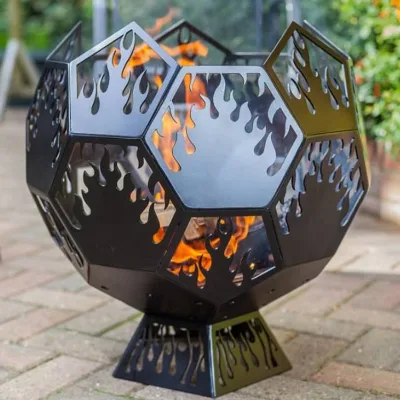

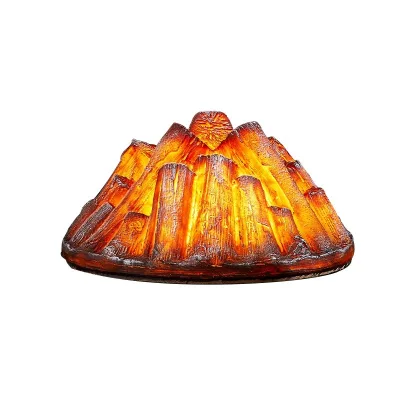
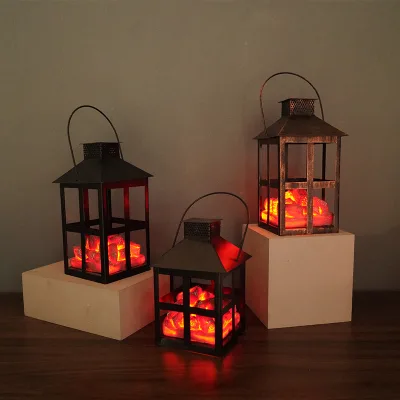
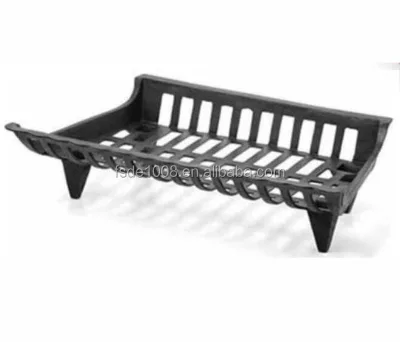
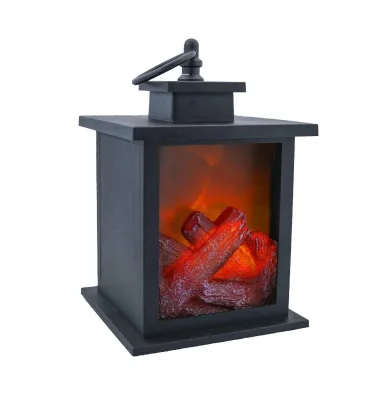
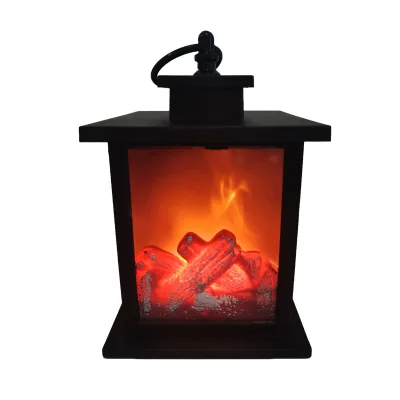
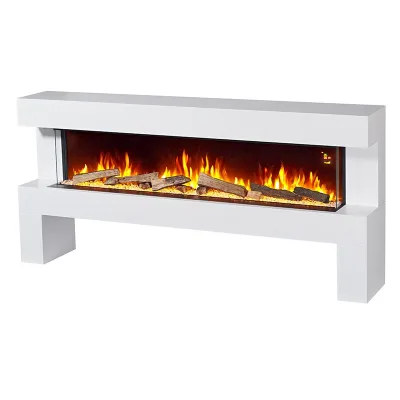
UK Best Selling Home Decoration Panoramic Inset Media Wall Electric Fire 60 Inch
$170.00 - $180.00
MOQ: 100 pieces
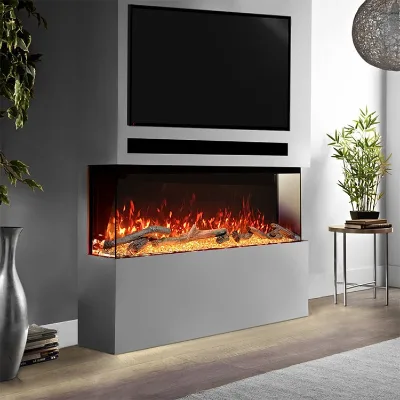
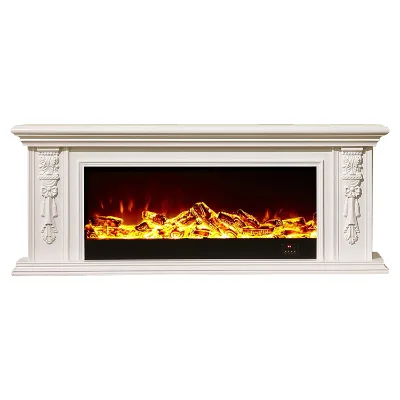


Square Steel Outdoor Fire Basket Portable Fire Pit for Charcoal Burning
$17.80 - $19.80
MOQ: 100 Pieces


Comprehensive Sourcing Guide
Sourcing Guide for LED Electric Fake Fire Basket Systems
The global demand for realistic yet safe heating and decorative solutions has elevated the profile of LED Electric Fake Fire Basket systems. These units, often marketed as silk fire flame machines or electric stoves, combine the visual allure of a traditional hearth with the safety and efficiency of modern LED technology. For B2B procurement professionals, navigating this market requires a disciplined approach to verifying technical specifications, understanding compliance frameworks, and evaluating supplier capabilities. This guide synthesizes observed market data and industry standards to provide a structured framework for sourcing these specialized lighting and heating products.
Technical Specifications and Functional Architecture
Understanding the core technical architecture of LED electric fake fire baskets is the first step in defining procurement requirements. The primary visual component in these units is the LED flame effect, which simulates the movement and color of real fire without the associated risks of open flames. Based on observed product attributes, these systems typically utilize a high-intensity LED light source designed to project through silk or fabric elements to create a dynamic, flickering effect. The observed height of the silk flame effect ranges from 1.5 meters to 2 meters, providing a substantial visual presence suitable for commercial or large residential spaces.
Power consumption and voltage compatibility are critical variables for international procurement. The market data indicates a power rating of approximately 120 watts for standard units, though this can vary based on the specific model and size. Voltage requirements are generally flexible, with many units supporting a broad range of 110V to 220V, ensuring compatibility with different regional electrical grids. However, buyers must verify the specific voltage configuration for each order to prevent equipment failure. The control mechanisms observed include both remote control and manual control options, allowing for user flexibility in adjusting flame intensity and color.
The physical construction of these units often involves metal frames to ensure durability and heat resistance, paired with tempered glass or optional MDF panels for the viewing area. Installation types vary significantly between wall-mounted and freestanding configurations. Wall-mounted units are designed to integrate seamlessly into existing structures, while freestanding models offer portability and placement flexibility. The single package dimensions observed are approximately 50x27x36 cm, with a gross weight of around 6 kg, which is essential for calculating shipping logistics and handling requirements.
Compliance and Certification Verification
In the realm of electrical heating and lighting products, compliance is not merely a regulatory formality but a prerequisite for market access and liability protection. The observed product listings frequently cite certifications such as CE and RoHS, which are standard indicators of conformity with European safety and environmental directives. The CE marking suggests that the product meets EU safety, health, and environmental requirements, while RoHS compliance indicates that the device is manufactured without specific hazardous materials.
Beyond these common marks, some product data references a broader set of standards including GS, EMC, SAA, and ROHS. The GS mark is a German safety certification that is highly respected in Europe, while SAA is the Australian standard for electrical safety. EMC (Electromagnetic Compatibility) ensures that the device does not emit excessive electromagnetic interference that could disrupt other electronic equipment. Buyers must treat these certifications as observations that require validation rather than automatic guarantees. It is imperative to request current, valid certification documents from the supplier for the specific model being purchased, as certifications can be model-specific and subject to renewal.
The "prod_standard" field often lists a combination of these standards, suggesting a comprehensive approach to compliance. However, procurement teams should verify that the certification covers the specific voltage and power configuration of the unit. For instance, a unit certified for 110V may not carry the same certification status when operated at 220V without specific testing. Additionally, the presence of safety features such as overheating protection and ventilation systems is a critical technical specification that complements formal certifications. These internal safety mechanisms are designed to prevent fire hazards and ensure the longevity of the unit, and their inclusion should be explicitly confirmed in the product datasheet.
Cost Drivers and Pricing Dynamics
The pricing of LED Electric Fake Fire Basket systems is influenced by a complex interplay of factors, including material quality, certification scope, and production volume. The observed price range in the market spans from approximately $2.40 to $1,390, a variance that reflects the diversity of product types, from simple decorative lighting effects to fully integrated electric fireplace stoves. The lower end of the spectrum likely corresponds to standalone flame effect units or smaller decorative items, while the higher end encompasses complete electric fireplace systems with advanced heating functions, remote controls, and premium materials.
Material costs play a significant role in pricing. Units constructed with metal frames and tempered glass panels generally command a higher price than those using alternative materials. The inclusion of advanced features such as adjustable thermostats, heating functions, and sophisticated remote control systems also drives up the cost. Furthermore, the complexity of the LED array and the quality of the silk flame material affect the final price. High-fidelity flame effects that mimic the natural movement of fire require more precise engineering and higher-quality components.
Minimum Order Quantity (MOQ) is another critical cost driver. The observed MOQ range spans from 1 unit to 2,000 units. Suppliers often offer lower prices for larger orders, leveraging economies of scale to reduce the per-unit cost. However, buyers must balance the potential savings against inventory holding costs and storage requirements. For small-scale procurement, the ability to order single units is a significant advantage, allowing for market testing without substantial financial commitment. Conversely, large-scale distributors may negotiate better terms by committing to higher volumes, though this requires a clear understanding of the supplier's production capacity and lead times.
Typical Applications and Market Segmentation
LED Electric Fake Fire Basket systems serve a wide array of applications across different market segments. The primary use case is indoor decoration, where the visual appeal of a fire is desired without the logistical challenges of ventilation or fuel storage. These units are particularly popular in commercial settings such as hotels, restaurants, and retail spaces, where they create a warm and inviting atmosphere. The "Modern" style observed in many products aligns well with contemporary interior design trends that favor sleek, minimalist aesthetics.
In residential applications, these systems function as both heating and decorative elements. The "Heating" function mentioned in product attributes indicates that many units are capable of providing supplemental warmth, making them viable alternatives to traditional fireplaces in areas where gas or wood-burning units are impractical or prohibited. The "Indoor" usage specification confirms their suitability for home environments, while the "Wall Mounted" and "Freestanding" options allow for customization based on the architectural layout of the space.
The "Stage effect" and "disco light" applications highlight another niche market. Units with adjustable flame heights and dynamic lighting effects are used in entertainment venues, event staging, and theatrical productions to create dramatic visual effects. The "Fake flame machine" terminology often associated with these products points to their utility in creating ambiance for events where a realistic fire effect is needed for safety or aesthetic reasons. The versatility of these units, ranging from functional heating devices to purely decorative lighting, makes them a valuable asset for a diverse range of buyers.
Supplier Evaluation and Sourcing Strategy
Evaluating suppliers for LED Electric Fake Fire Basket systems requires a rigorous assessment of their capabilities, reputation, and operational transparency. The "Place of Origin" data indicates that a significant portion of these products are manufactured in Guangdong, China, specifically in regions like Shunde, which is known for its manufacturing infrastructure. While this region offers access to a robust supply chain, buyers must conduct due diligence to ensure that the specific supplier has the capacity to meet quality standards and delivery timelines.
Key evaluation criteria should include the supplier's ability to provide OEM (Original Equipment Manufacturer) and ODM (Original Design Manufacturer) services. The "OEM/ODM: Welcome" attribute suggests that many suppliers are open to customization, allowing buyers to brand products or modify specifications to meet specific market needs. Buyers should inquire about the customization process, including lead times for tooling and the minimum quantities required for custom runs.
After-sales service is another critical factor. The "1% Spare Parts" attribute indicates that some suppliers offer a warranty or replacement policy for defective units. However, buyers should clarify the terms of this service, including the duration of the warranty, which ranges from 3 months to 1 year in the observed data, and the process for claiming replacements. A reliable supplier should have a clear protocol for handling defects and providing technical support.
Quality Control and Long-Term Procurement Considerations
Ensuring the long-term reliability of LED Electric Fake Fire Basket systems requires a proactive approach to quality control. Buyers should implement a rigorous inspection process that covers both the manufacturing stage and the final product delivery. Key areas of focus include the integrity of the LED components, the durability of the metal frame, and the functionality of safety features like overheating protection and ventilation.
The "Adjustable Thermostat" and "Overheating Protection" features are essential for safety, and their performance should be tested under various operating conditions. Buyers should request test reports or certification documents that verify the effectiveness of these safety mechanisms. Additionally, the "Ventilation" system must be designed to prevent heat buildup, which could damage internal components or pose a fire risk.
Long-term procurement considerations also involve the availability of spare parts and the supplier's commitment to product lifecycle management. The "1% Spare Parts" provision is a positive indicator, but buyers should ensure that critical components, such as LED drivers and control boards, are readily available for replacement. This ensures that the product remains operational for its intended lifespan, reducing the total cost of ownership.
Finally, buyers should maintain open communication with suppliers regarding market trends and technological advancements. The rapid evolution of LED technology and control systems means that suppliers who invest in research and development can offer more efficient and feature-rich products. By fostering a collaborative relationship with suppliers, buyers can stay ahead of the curve and ensure that their product offerings remain competitive in the marketplace.
Conclusion
Sourcing LED Electric Fake Fire Basket systems requires a balanced approach that combines technical expertise with strategic supplier management. By carefully evaluating specifications, verifying certifications, and understanding cost drivers, buyers can make informed decisions that align with their business objectives. The diversity of applications, from residential heating to commercial decoration, underscores the versatility of these products, making them a valuable addition to any procurement portfolio. With a focus on quality control and long-term partnership, buyers can navigate the complexities of this market and secure high-quality products that meet the highest standards of safety and performance.
FAQs
What certifications do led electric fake fire baskets have?
These units typically carry CE and RoHS certifications to meet European safety and environmental standards. Some models also include GS, EMC, and SAA marks, but buyers must verify specific documents for the exact model and voltage configuration before purchasing.
How high is the flame effect on these machines?
The silk flame effect height ranges from 1.5 meters to 2 meters depending on the specific model. This dimension provides a substantial visual presence suitable for commercial spaces or large residential areas requiring dramatic lighting effects.
Can these units be installed as wall-mounted or freestanding?
Yes, the installation type varies between wall-mounted and freestanding configurations to suit different architectural layouts. Buyers should check the specific product attributes to confirm if the unit supports wall mounting or requires a freestanding placement.
What is the minimum order quantity for these products?
The minimum order quantity ranges from 1 unit to 2000 units depending on the supplier and customization needs. Lower MOQs allow for market testing, while larger volumes may offer better per-unit pricing through economies of scale.
Do these fake fire machines include heating functions?
Many models include heating functions alongside decoration to provide supplemental warmth for indoor use. These units often feature adjustable thermostats and overheating protection to ensure safe operation while simulating a realistic fire effect.
Which control methods are available for these LED lights?
Control methods include both remote control and manual control options to allow user flexibility. Buyers should verify the specific control mechanism listed for the model, as some units may offer only one type of operation.
What materials are used to construct these fire baskets?
The frames are typically constructed from metal for durability and heat resistance. The viewing area often uses tempered glass, with optional MDF panels available for specific models to ensure safety and aesthetic appeal.