Source LED Display Wine Bottle Stand for Bars, Hotels, and Shops
Source the LED Display Wine Bottle Stand for bars, hotels, and specialty stores. Compare 30 customized acrylic and metal options with LED lighting, durable designs, and OEM services from verified manufacturers; compare the available evidence and request quotations based on your requirements.
Key considerations
Products List

LED Illuminant Bar Decoration Liquor Bottle Holder Wine Exhibition Stand
$80.00 - $100.00
MOQ: 1 Pieces

Custom Logo Bottle Display Pub LED Wine Holder Alcohol Exhibition Stand
$80.00 - $100.00
MOQ: 1 Pieces

Illuminated LED Wine Display Stand Spirit Glorifier Wine Bottle Presenter
$100.00 - $120.00
MOQ: 1 Pieces

Custom Design Acrylic Display LED Bottle Display Stand Brewery Exhibition Stand
$80.00 - $100.00
MOQ: 1 Pieces

Brand Spirits Bottle Holder LED Wine Glorifier Bar Glowing Bottle Presenter
$100.00 - $120.00
MOQ: 1 Pieces

OEM Brand Beverage Holder LED Bottle Presenter Night Club Decoration Display
$100.00 - $120.00
MOQ: 1 Pieces
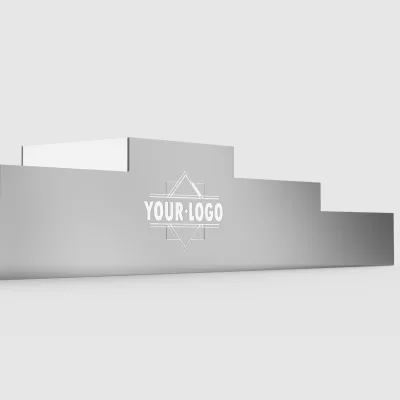
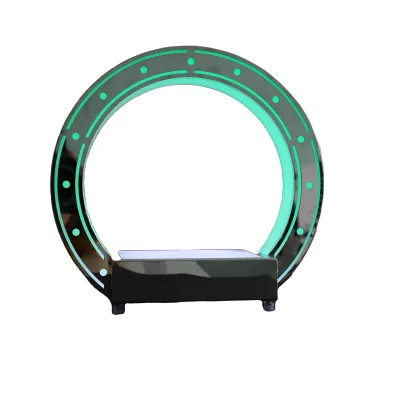


LED Lighted Wine Liquor Bottle Display Illuminated Acrylic Shelf L Stand
$28.00 - $36.00
MOQ: 50 Pieces


Acrylic Wine Bottle Display Stand Wine Bottle Holder Storage Display Rack
$10.00 - $80.00
MOQ: 100 Pieces

New Colorful LED Light Customize 3 Layer Bottle Wine Display Stand for Bar
$30.00 - $50.00
MOQ: 100 Pieces


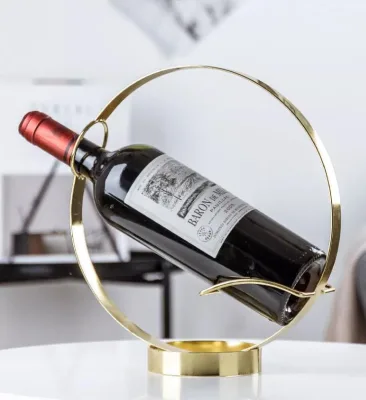


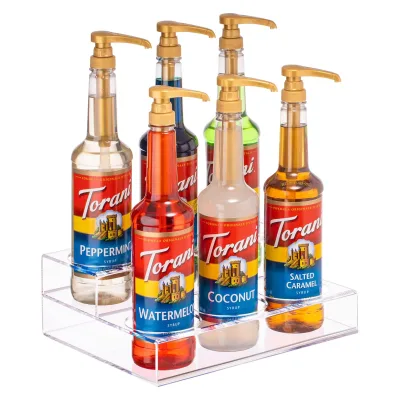

Comprehensive Sourcing Guide
LED Display Wine Bottle Stand Sourcing Guide
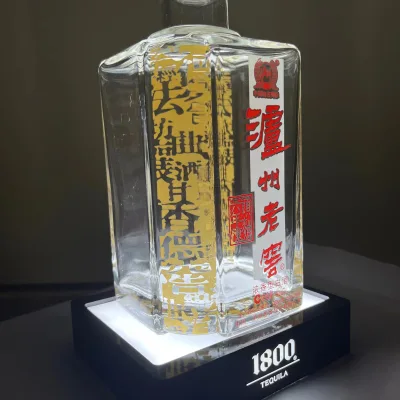
Procuring a LED Display Wine Bottle Stand requires distinguishing between static acrylic shelving and active lighting units designed for experiential marketing. The observed product range includes specialized bases for luxury spirit launches, where the primary function is to make bottles the center of attention through integrated illumination. Buyers must verify whether the unit is a standalone display or a modular component intended for custom installation in high-traffic retail environments.
The market offers both fixed-size units and fully customizable solutions where dimensions and colors can be tailored to specific branding needs. While some listings indicate a standard European or US plug version, others suggest broader compatibility including England standards, necessitating a precise check of electrical requirements before finalizing an order. This distinction is critical for ensuring the display functions correctly in the target market without requiring expensive adapters or rewiring.
Product Scope and Observed Listing Signals
The product scope encompasses durable acrylic and metal structures designed for indoor use in exhibition shows, specialty stores, and home bars. These units often feature knock-down structures for easy assembly and are marketed as energy drink beverage display stands or luxury spirit launchers. The observed listings highlight a focus on aesthetic appeal, with features like shock-proof packing and elegant designs intended to enhance the visual presentation of the beverages.
Buyers should note that customization is a central feature, with options for custom logos, colors, and sizes available from the supplier. The application extends beyond simple storage to include night clubs, hotels, and supermarkets, indicating a versatile design capable of adapting to various commercial settings. However, the specific material composition varies between acrylic and metal across different models, requiring careful selection based on the desired durability and visual weight of the final installation.
Technical Specifications to Verify
Technical verification must begin with the electrical interface, as the observed data lists multiple plug versions including European, US, and England standards. It is essential to confirm the specific voltage and frequency compatibility for the destination market to prevent safety hazards or equipment failure. The presence of LED integration suggests a need to verify the power consumption and heat dissipation capabilities, especially for units intended for continuous operation in enclosed retail spaces.
Dimensional flexibility is another critical technical parameter, with many models offering customer-sized options rather than fixed measurements. Buyers should request detailed CAD drawings or physical samples to ensure the internal cavity accommodates the specific bottle shapes and sizes they intend to display. Additionally, the structural integrity of the floor-standing design must be assessed, particularly for heavy glass bottles, to ensure the unit remains stable under load without tipping or collapsing.
Compliance and Safety Documentation
Safety compliance is paramount for any electrical display unit, and buyers should request evidence of ISO9001 certification to verify the manufacturer's quality management systems. While specific electrical safety certifications like CE or UL are not explicitly listed in the provided facts, the presence of a one-year warranty suggests a baseline commitment to product reliability. Procurement teams must insist on seeing test reports for the electrical components to ensure they meet the safety standards of the importing country.
Documentation regarding the materials used is equally important, as the listings mention both acrylic and metal constructions. Buyers should verify that the acrylic is flame-retardant and that the metal components are treated to prevent corrosion, especially in environments with high humidity like bars or nightclubs. The packaging specifications, which include export cartons with foam protection, should also be reviewed to ensure the product arrives without damage, as this impacts the final inspection and acceptance criteria.
Cost Drivers and Commercial Terms
The cost of a LED Display Wine Bottle Stand is heavily influenced by the level of customization required, ranging from standard models to fully bespoke units with custom logos and colors. The observed price range is broad, reflecting the variance between simple acrylic bases and complex, illuminated systems designed for high-end experiential marketing. Buyers should anticipate that custom sizes and specialized electrical configurations will command a premium over off-the-shelf inventory.
Commercial terms regarding the minimum order quantity and lead time are significant factors in the total cost of ownership. The observed lead time of 15 to 30 days depends on the order quantity, meaning larger batches may incur longer wait times or require phased production schedules. Additionally, the availability of samples allows buyers to validate quality before committing to a full order, but the cost and shipping of these samples should be factored into the initial budget planning.
Supplier Qualification and Quality Control
Supplier qualification should focus on the manufacturer's ability to deliver consistent quality across customized orders, as evidenced by their ISO9001 certification and willingness to accept OEM and ODM requests. The fact that the products originate from Jiangsu, China, a known manufacturing hub, suggests access to a robust supply chain, but buyers must still verify the specific factory's capacity to handle their volume requirements. Requesting references from previous clients in the hospitality or retail sector can provide insight into the supplier's reliability and service quality.
Quality control processes must be clearly defined before production begins, particularly regarding the assembly of the knock-down structure and the installation of the LED components. Buyers should establish clear acceptance criteria for the finish, ensuring that the durable and elegant design claims are met in the physical product. Regular in-process inspections and a final pre-shipment inspection are recommended to catch any defects in the packaging or structural integrity before the goods leave the factory.
Long-Term Procurement Checks
Long-term procurement success depends on establishing a reliable supply chain that can support future restocking and potential design iterations. The one-year warranty provides a baseline for after-sales support, but buyers should negotiate extended terms or clear protocols for handling defects that arise after the warranty period expires. Maintaining open communication with the supplier regarding production schedules and material availability will help mitigate risks associated with supply chain disruptions.
It is also crucial to monitor the performance of the units in the field to ensure they continue to meet the "durable" and "elegant" standards observed in the initial listings. Feedback from end-users in hotels, supermarkets, and nightclubs can reveal practical issues that were not apparent during the sampling phase. Regularly reviewing the supplier's ability to adapt to new trends, such as changes in plug standards or lighting technologies, ensures the display units remain relevant and effective for years to come.
FAQs
What materials are used for these display stands?
The display stands are primarily constructed from durable acrylic and metal materials. These materials ensure a sturdy structure capable of supporting heavy bottles while maintaining an elegant appearance. The choice of material contributes to the overall longevity and aesthetic appeal of the unit in various retail environments.
Can I customize the size and color of the stand?
Yes, customization is available for both size and color. Buyers can request specific dimensions to fit their space and choose any color to match their brand identity. This flexibility allows for a tailored solution that integrates seamlessly into different store layouts and enhances the visual presentation of the products.
What certifications do the manufacturers hold?
The manufacturers hold ISO9001 certification, indicating adherence to international quality management standards. This certification ensures that the production processes meet rigorous quality control requirements. Buyers can rely on this standard for consistent product quality and reliable manufacturing practices when sourcing these display units for their business needs.
How long is the lead time for orders?
The lead time typically ranges from 15 to 30 days, depending on the order quantity. This timeframe allows for proper production scheduling and quality checks. Buyers should plan their inventory accordingly to ensure timely delivery, especially for larger orders that may require additional production time to meet specific customization requests.
Is the stand suitable for indoor exhibition use?
Yes, the stand is designed for indoor display places such as exhibition shows, specialty stores, and homes. Its structure is optimized for indoor environments, providing a stable and attractive platform for showcasing bottles. The design ensures that the product remains the center of attention in various indoor retail and exhibition settings.
What packaging is used for shipping the stands?
The stands are packed in export cartons with foam protection to ensure safety during transit. Some options include wooden boxes or plates for added durability. This shock-proof packing method helps prevent damage during shipping, ensuring that the product arrives in perfect condition and ready for immediate installation and use by the buyer.