Source LED Door Number House Sign for shops, weddings, and bars
Find 30 LED Door Number House Sign options with customized sizes and shapes from suppliers in Guangdong. Compare specifications like LED light sources, waterproof modules, and warranty periods to select the right illuminated signs for storefronts, events, and companies.
Key considerations
Products List
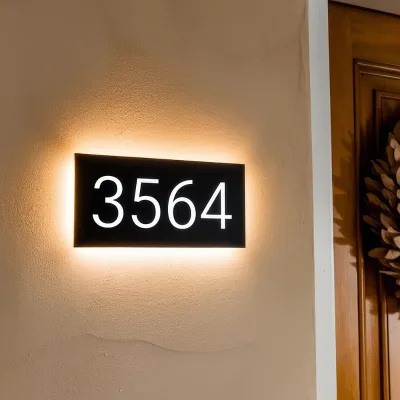
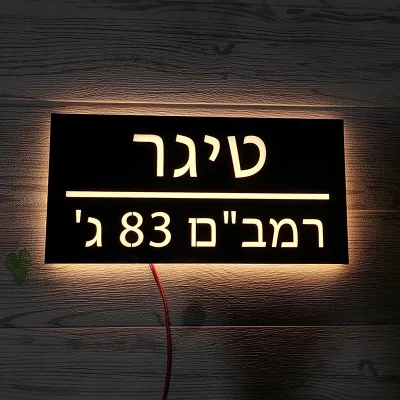
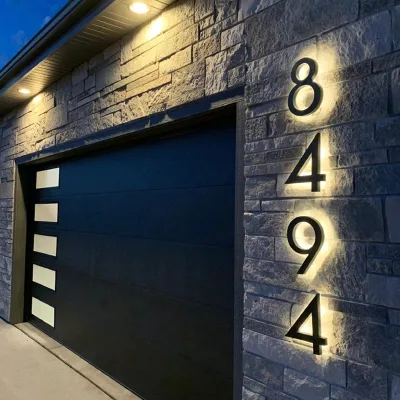
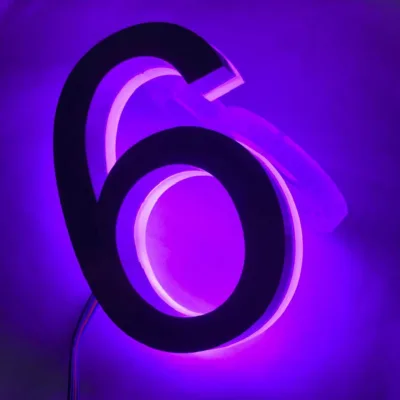


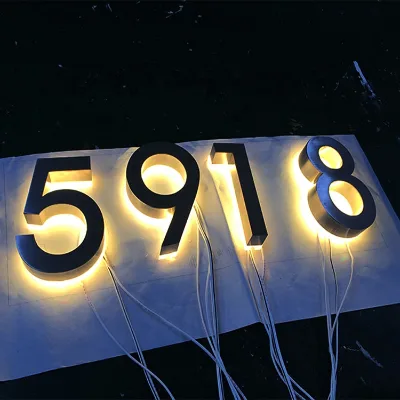
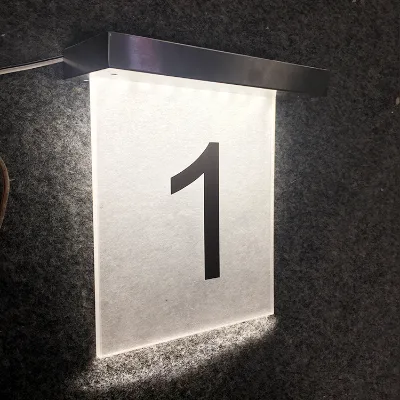


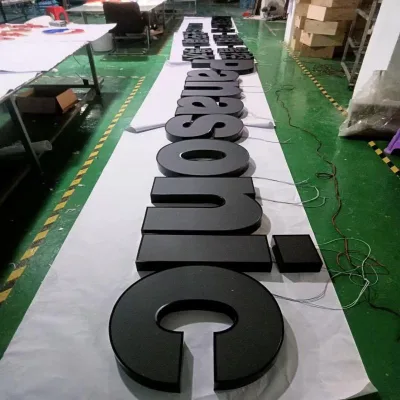
MD Modern House Number Shine Apartment Number House Sign Number Acrylic Door Sign
$14.00 - $18.00
MOQ: 1 square
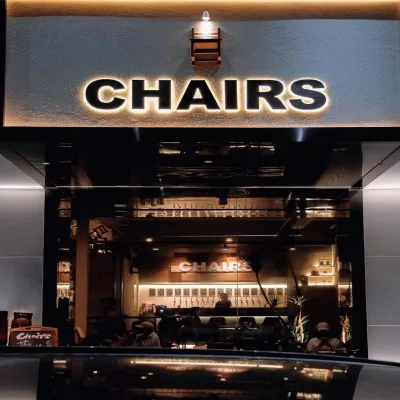


House Address Numbers House Number Sign Door Sign Outdoor Address Signage
$2.99 - $3.99
MOQ: 10 Pieces


Comprehensive Sourcing Guide
Strategic Sourcing Guide for LED Door Number and House Signage
The global demand for illuminated signage has surged as businesses and residential complexes seek to enhance visibility, security, and aesthetic appeal. For procurement professionals focusing on the core keyword "LED Door Number House Sign," the market offers a diverse array of options ranging from custom stainless steel lettering to acrylic-based illuminated displays. This guide synthesizes observed product attributes, technical specifications, and compliance data to provide a disciplined framework for sourcing these critical lighting solutions. Buyers must navigate a landscape where customization is the norm, and technical parameters vary significantly between suppliers. The following sections detail the essential considerations for evaluating products, verifying compliance, and managing the procurement lifecycle effectively.
Technical Specifications and Material Composition
Understanding the physical and electrical characteristics of LED door numbers is the first step in any sourcing strategy. The product data indicates a strong preference for durable materials, with stainless steel and acrylic being the most frequently observed composition. Stainless steel offers robustness and a premium finish suitable for high-traffic commercial environments, while acrylic provides versatility in color and shape. Some listings also note the use of PVC and other composite materials, suggesting a tiered approach to material selection based on budget and environmental exposure.
The electrical architecture of these signs is equally critical. Observed specifications reveal a wide range of input voltage requirements. Some units operate on a low-voltage 12V DC system, which typically requires an external transformer, while others are designed for direct AC 85-265V input, offering greater flexibility for different regional power standards. The light source is consistently identified as LED technology, specifically utilizing LED strips or waterproof LED modules. This distinction is vital for outdoor applications where moisture resistance is paramount.
Performance metrics further define the product's suitability. The working lifetime for high-end units is observed to reach 50,000 hours, whereas other listings indicate a range of 10,000 hours. This variance suggests that buyers must scrutinize the specific quality of the LED chips and driver components. Color temperature is another key specification, with 2700K (Soft Warm White) being a documented standard, creating a welcoming ambiance. However, the Color Rendering Index (Ra) is observed at 60 in some cases, which is relatively low for high-fidelity applications. Procurement teams should verify if higher Ra values are available for applications requiring accurate color representation. The working temperature is noted at 30 degrees, indicating a specific operational range that must be respected during installation in extreme climates.
Compliance, Certification, and Safety Standards
Safety and regulatory compliance are non-negotiable in the lighting industry. The supplied data explicitly lists CE and RoHS certifications as attributes of the products. These certifications indicate that the electrical components meet European safety standards and restrict the use of hazardous substances, respectively. While the data mentions these certifications, buyers must treat them as observations rather than universal guarantees. Every supplier must provide valid, up-to-date certification documents for the specific batch of goods being purchased.
Beyond the listed certifications, the industry generally adheres to standards such as ISO 9001 for quality management and specific lighting standards like UL 8750 for safety in lighting products. Although these standards are not explicitly confirmed for every item in the provided dataset, they represent the benchmark for reputable manufacturing. Buyers should verify that the supplier's quality management system is certified and that the lighting fixtures have undergone appropriate testing for electrical safety, particularly regarding the waterproofing of LED modules used in outdoor settings. The presence of a transformer as the power source also necessitates verification that the transformer itself carries the necessary safety approvals for the target market.
Cost Drivers and Pricing Dynamics
The pricing structure for LED door numbers is highly variable, influenced by material choices, customization levels, and order volume. The observed price range spans from $0.50 to $79.99 USD. This broad spectrum reflects the difference between simple, small-scale acrylic signs and large, custom-fabricated stainless steel installations. The lower end of the price range likely corresponds to standard sizes or basic acrylic models, while the upper end encompasses complex, custom-shaped stainless steel units with advanced lighting features.
Material costs are a primary driver. Stainless steel is inherently more expensive than acrylic or PVC, and the finishing process (brushing, polishing, or coating) adds to the unit cost. Customization is another significant factor. The data repeatedly highlights "Customized Size" and "Customized Shape" as standard attributes. Customization requires unique tooling and manual labor, which increases the unit price compared to off-the-shelf items. Additionally, the complexity of the lighting design, such as the density of LED strips or the inclusion of waterproof modules, impacts the final cost.
Order volume also plays a role in pricing, though the Minimum Order Quantity (MOQ) is observed to be as low as 1 piece for some suppliers, while others may require up to 100 pieces. This flexibility allows for small-scale procurement for individual residences or small businesses, but bulk orders often yield better unit economics. Buyers should calculate the total cost of ownership, including shipping and installation, as the single gross weight can vary from 1.000 kg to 2.000 kg per package, affecting logistics expenses.
Typical Applications and Installation Requirements
LED door number signs are designed for a wide array of application places, including shops, weddings, bars, companies, parks, and events. The versatility of these products allows them to serve both commercial and residential purposes. For commercial entities like storefronts, the signs function as advertising displays, enhancing brand visibility and guiding customers. In residential settings, they serve as address identification, improving security and delivery efficiency.
Installation methods are specified as "Mounted" or "hanging," indicating that the signs are designed for facade integration. The choice between mounting and hanging depends on the architectural features of the building and the desired aesthetic. For outdoor applications, the waterproof nature of the LED modules is a critical feature to ensure longevity against rain and humidity. The working lifetime of 50,000 hours suggests that these units are built for long-term deployment, reducing the frequency of replacement and maintenance.
The following table summarizes the key application scenarios and their corresponding requirements based on observed data:
| Application Scenario | Key Requirements | Observed Attributes |
|---|---|---|
| Retail Storefronts | High visibility, Brand alignment | Stainless steel, Customized Shape, Advertising Display |
| Residential Addresses | Durability, Weather resistance | Waterproof LED Modules, AC 85-265V or 12V |
| Events & Parties | Aesthetics, Quick setup | Customized Color, Illuminated Signs, Portable |
| Corporate Parks | Uniformity, Long lifespan | 50,000 Hours Lifetime, 3-5 Year Warranty |
Supplier Evaluation and Quality Control
Evaluating suppliers requires a rigorous approach to verifying the claims made in product listings. The data indicates a "Product time" of 5-7 working days for production, which serves as a baseline for lead time expectations. However, buyers must confirm this timeline with the specific supplier, as it can vary based on the complexity of the customization. The warranty period is another critical metric, with observed ranges from 2 years to 5 years. A longer warranty often correlates with higher confidence in product quality and manufacturer support.
Quality control should focus on the consistency of the light output and the integrity of the materials. Buyers should request samples to verify the actual color temperature, brightness, and the effectiveness of the waterproofing. The Color Rendering Index (Ra) of 60 observed in some listings is a point of verification; for applications requiring high visual fidelity, buyers should inquire about higher Ra options. Additionally, the "Lighting solutions service" being listed as "Other" suggests that some suppliers may offer design assistance, which can be valuable for complex projects.
When assessing suppliers, check for the presence of a dedicated team for after-sales support. The warranty time of 3-5 years implies a commitment to product reliability, but the actual service experience depends on the supplier's responsiveness. Verify that the supplier can provide technical documentation, including wiring diagrams and maintenance guides, to ensure smooth installation and operation.
Long-Term Procurement Considerations
Sourcing LED door numbers is not just a one-time transaction but a long-term investment in property aesthetics and functionality. The working lifetime of the LEDs and the durability of the housing materials are central to this decision. While some units are rated for 10,000 hours, others reach 50,000 hours, significantly impacting the total cost of ownership over a decade. Buyers should prioritize units with longer lifespans to minimize maintenance costs and replacement frequency.
Maintenance is another consideration. The "Support Dimmer" attribute is listed as "No" in the provided data, indicating that many of these signs operate at a fixed brightness. This simplifies the electrical design but limits flexibility in adjusting light levels for different times of day or events. Buyers should confirm if dimmable options are available if their specific application requires variable lighting.
Packaging is also a factor in long-term logistics. The data mentions "Wooden Packing" for some items, which provides superior protection during shipping compared to standard cartons. This is particularly important for fragile components like acrylic or large stainless steel structures. Ensuring robust packaging reduces the risk of damage during transit, which can lead to costly delays and replacements.
Finally, the customization aspect of these products means that the procurement process is iterative. Buyers should establish clear communication channels with suppliers to manage design revisions and ensure that the final product meets the exact specifications required. The ability to customize size, shape, and color allows for a perfect fit but requires careful planning and validation at every stage of the production process. By adhering to these guidelines, procurement professionals can secure high-quality LED door number signs that enhance their properties while maintaining cost efficiency and operational reliability.
FAQs
What materials are used for led door number house signs?
These signs are primarily constructed from stainless steel and acrylic, with some options using PVC. Stainless steel offers durability for commercial storefronts, while acrylic provides versatility in color and shape for custom designs.
How long do the LED modules last in these signs?
The working lifetime varies significantly, with high-end units rated for 50,000 hours and others lasting 10,000 hours. Buyers should verify the specific LED chip quality to ensure the longevity matches their project requirements.
Can these signs be customized in size and shape?
Yes, both the size and shape are fully customizable to meet specific branding or architectural needs. This customization allows for unique designs suitable for shops, weddings, bars, and corporate parks.
What certifications do these LED signs typically hold?
Products often carry CE and RoHS certifications to ensure compliance with European safety and hazardous substance restrictions. Buyers must verify that valid documentation is provided for the specific batch of goods being purchased.
How is the installation process handled for these signs?
Installation is typically performed by mounting or hanging the units directly onto the facade. The signs are designed for both indoor and outdoor use, with waterproof LED modules protecting against moisture in exterior environments.
What is the typical warranty period for these products?
Warranty periods range from 2 years to 5 years depending on the manufacturer and product tier. A longer warranty often indicates higher confidence in the product's durability and the manufacturer's commitment to after-sales support.
What is the minimum order quantity for these signs?
The minimum order quantity can be as low as 1 piece for some suppliers, while others may require up to 100 pieces. This flexibility allows for small-scale procurement for individual residences or small businesses.