Source LED Electric Cartoon Lantern for Holiday, Home, and Outdoor Use
Compare 30 LED electric cartoon lanterns from verified Chinese manufacturers. These handcrafted options feature silk, iron, and metal materials with CE and BSCI certifications for holiday, home, and commercial decoration needs; compare the available evidence and request quotations based on your requirements.
Key considerations
Products List


Anime Lantern Festival Anime Lantern Crafting for Anime -Themed Lantern
$1888.00 - $2600.00
MOQ: 1 Sets

Cartoon Animal Lanterns Park Tree Lighting Decoration Lamp Zoo Lantern Festival
$1888.00 - $2600.00
MOQ: 1 Sets


Anime Character Shaped Lanterns for Chinese Anime Lantern Manufacturer
$2888.00 - $4888.00
MOQ: 1 Sets


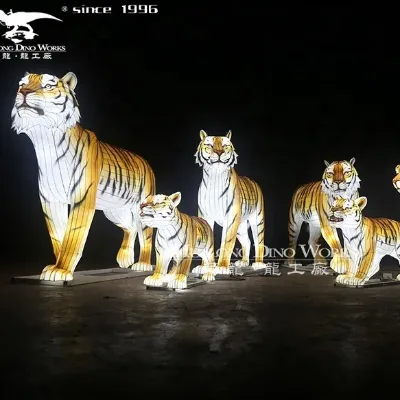
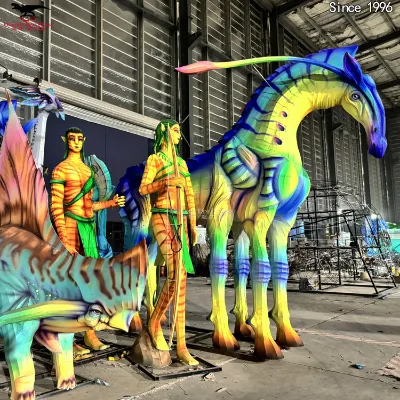


Mini Lanterns LED Light Rechargeable LED Lantern Decor Waterproof Camping Lantern
$23.50 - $27.00
MOQ: 1000 Pieces


Comprehensive Sourcing Guide
LED Electric Cartoon Lantern Sourcing Guide
Procuring led electric cartoon lanterns requires a nuanced understanding of the intersection between decorative aesthetics and functional electrical safety. These products serve as versatile lighting solutions for both indoor and outdoor environments, ranging from holiday displays to commercial amusement parks. Buyers must distinguish between simple decorative items and robust installations designed for high-traffic public spaces. The visual appeal of cartoon-themed designs often masks complex engineering requirements, particularly regarding weather resistance and electrical insulation.
The sourcing landscape for these lanterns is diverse, with manufacturers offering varying degrees of customization and material quality. Observations indicate that products may be constructed from silk, metal, iron, or combinations thereof, such as iron and glass. This variety impacts durability, weight, and installation methods. Procurement teams should prioritize suppliers who provide clear specifications on light source technology, ensuring that the LED components are energy-efficient and long-lasting. Understanding the specific construction materials is essential for predicting the product's lifespan and maintenance needs in different environmental conditions.
Product Scope and Observed Listing Signals
The observed market signals reveal a wide range of product types, including palace lanterns and general decorative lanterns. Listings frequently highlight customization options, allowing buyers to tailor colors, sizes, and movements to specific branding or thematic requirements. The voltage range observed spans from 24V to 220V, indicating that some units are designed for low-voltage safety applications while others connect directly to standard mains power. This diversity necessitates careful verification of electrical compatibility with the intended installation site’s power infrastructure.
Material composition varies significantly across listings, with silk and metal being prominent choices. Some products feature powder-coated iron surfaces for enhanced durability and aesthetic finish. The inclusion of glass elements in certain models suggests a focus on light diffusion and premium visual effects. Buyers should note that "hand-made" attributes are frequently claimed, which can imply higher craftsmanship but also potential variability in unit consistency. Understanding these material distinctions is crucial for aligning product selection with budget constraints and quality expectations.
Technical Specifications to Verify
Voltage compatibility is a critical technical parameter that must be verified before placing any order. The observed range of 24V to 220V means that buyers must ensure the selected lanterns match the local power supply standards. For outdoor or wet locations, low-voltage options may offer enhanced safety, while indoor commercial displays might utilize standard voltage for brighter illumination. Confirming the exact voltage requirement prevents costly retrofitting or safety hazards during installation.
Light source technology and illumination methods are equally important technical considerations. Most observed products utilize LED technology, which offers energy efficiency and longevity compared to traditional incandescent bulbs. Buyers should verify the specific LED specifications, including color temperature and brightness levels, to ensure they meet the desired atmospheric effect. Additionally, the power source, whether electricity-driven or battery-operated, must be clearly defined to determine installation complexity and ongoing operational costs.
Compliance and Safety Documentation
Certification requirements are paramount when sourcing electrical lighting products for international markets. The observed listings mention CE certification, which is essential for selling within the European Economic Area. Buyers must request valid test reports and certificates to verify that the products meet relevant safety standards for electrical equipment. Without proper certification, products may be rejected at customs or deemed non-compliant in regulated markets, leading to significant financial and logistical disruptions.
Additional certifications such as BSCI may be present, indicating adherence to social compliance standards in the supply chain. While primarily focused on labor practices, these certifications can also reflect a supplier’s overall commitment to quality management systems. Buyers should inquire about specific safety tests performed on the lanterns, such as dielectric strength and leakage current tests. Ensuring that all electrical components are properly insulated and grounded is vital for preventing fire hazards and electric shock risks.
Cost Drivers and Commercial Terms
Pricing for led electric cartoon lanterns varies widely, with observed ranges extending from low-cost decorative items to high-end custom installations. The minimum order quantity (MOQ) can range from single units to thousands of pieces, influencing the unit price significantly. Buyers should negotiate based on volume tiers, understanding that higher quantities often yield better per-unit costs. However, extremely low prices may indicate compromises in material quality or safety standards, so value should be assessed holistically.
Lead times and delivery terms are major commercial factors that impact project planning. Observed lead times range from 15 to 60 days, depending on customization levels and production capacity. Buyers must account for these timelines when scheduling installations, especially for time-sensitive events like holidays or grand openings. Freight costs, particularly for bulky items packed in wooden cases or cartons, should also be factored into the total landed cost. Clear agreement on Incoterms helps define responsibility for shipping and insurance.
Supplier Qualification and Quality Control
Supplier verification is a critical step in mitigating procurement risks. Buyers should assess the supplier’s manufacturing capabilities, including their ability to handle hand-made processes and assembly techniques. The presence of specific model numbers and standardized packing methods, such as PE bubble wrap or wooden cases, indicates a level of operational maturity. Requesting factory audits or third-party inspections can provide deeper insights into production quality and consistency.
Quality control protocols should be explicitly defined in the purchase agreement. This includes pre-shipment inspections to verify product dimensions, electrical functionality, and aesthetic finish. For customized orders, approving physical samples before mass production is essential to ensure alignment with design specifications. Buyers should also establish clear criteria for defect rates and return policies. A robust quality control process protects against receiving substandard goods and ensures customer satisfaction.
Long-Term Procurement Checks
Sustainability and after-sales support are key considerations for long-term procurement success. Buyers should inquire about the availability of replacement parts, such as LED drivers or bulbs, to extend the product’s usable life. Suppliers with established service networks can provide faster resolution for warranty claims, reducing downtime for commercial installations. Understanding the supplier’s commitment to product updates and technological improvements can also inform future purchasing decisions.
Environmental impact and material recyclability are increasingly important factors in procurement strategies. Buyers should evaluate whether the materials used, such as iron or silk, can be recycled or disposed of responsibly. Suppliers who adhere to environmental standards may offer more sustainable packaging solutions, reducing waste. Building a long-term relationship with reliable suppliers fosters trust and enables collaborative improvements in product design and supply chain efficiency, ensuring consistent quality over time.
FAQs
How long does production and delivery take for led electric cartoon lanterns?
Lead time is typically 15 to 20 days for production, with delivery times ranging from 15 to 50 days depending on the destination. Some handmade or customized designs may require 45 to 60 days of lead time. Confirm your schedule with the supplier before ordering, especially for seasonal Christmas decoration demand.
What certifications do LED Electric Cartoon Lantern suppliers provide?
Many listed lanterns carry CE certification, and some suppliers also hold BSCI certification covering social compliance. Certification should be verified for each specific model before ordering, since requirements vary by destination market. Ask suppliers for current certificate copies matching the exact model number you intend to purchase.
What sizes are available for led electric cartoon lanterns?
Listed products come in several standard sizes, including 200cm, 300cm, and 500cm heights. Customized sizes can often be produced to match your design or the reference picture. Measure your installation space first, since larger palace-style lanterns need more structure and packaging, such as wooden cases.
Can led electric cartoon lanterns be customized in color, size, and design?
Yes, customization is available. Type, color, size, and movement can be produced customized or made the same as the picture. Provide drawings or reference images and confirm the specification before sample production. Sample charges may be free for some models, so request samples to verify quality before bulk production begins.
What materials are used in LED Electric Cartoon Lantern construction?
Common materials include iron and glass for decorative lanterns, with metal crust and silk used in some designs. Surface treatment often uses powder coating for durability, and colors such as white or black are offered. Handmade construction is common, which can affect lead time and per-piece consistency between orders.
What is the typical MOQ for LED Electric Cartoon Lantern orders?
MOQ varies by model and supplier, with observed listings ranging from 1 to 1000 pieces. One listed decorative lantern for indoor use has an MOQ of 800 pieces. Always confirm the MOQ for your specific model, since handmade and customized items usually carry higher minimums than standard designs.
Where are led electric cartoon lanterns shipped from and packed?
Products originate from China, with one supplier located in Sichuan and another listing FOB port Ningbo. Packing methods include PE bubble wrap with wooden cases for larger lanterns and cartons for smaller items. Confirm packing details with your supplier, especially for fragile glass components or oversized decorative pieces.
What voltage and power requirements do led electric cartoon lanterns use?
These lanterns use LED light sources powered by electricity, with voltage support from 24V to 220V. This range covers both low-voltage display setups and standard mains power for indoor or outdoor use. Check the voltage specification of each model against your local electrical standards before installation.