Source Led Driver MOSFET for LED Lighting, Car Inverter, PC Power
Find 30 Led Driver MOSFET options from Chinese manufacturers featuring ISO and RoHS certifications. Compare specifications for applications in LED lighting, car inverters, and PC power systems with varying power levels and cooling methods.
Key considerations
Products List


Electronic component Non-Isolated LED Lighting Driver SDH6971s Mosfet IC
$0.03 - $0.15
MOQ: 2000 Pieces


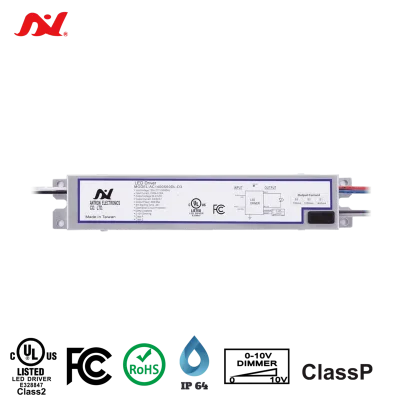
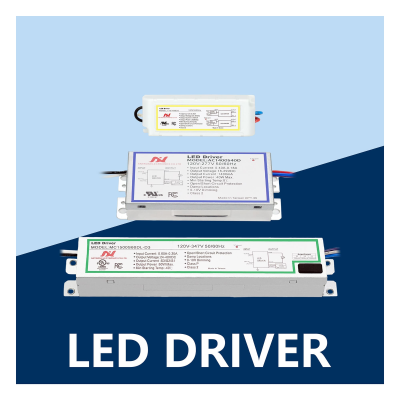
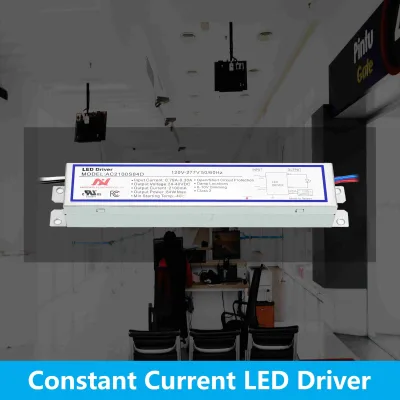


150W/200W/250W 1050mA/1400mA/2100mA/3600mA/4200mA LED Driver Made in China
$8.00 - $15.00
MOQ: 500 Pieces
Comprehensive Sourcing Guide
Strategic Sourcing Guide for Led Driver MOSFET Solutions
Navigating the procurement landscape for LED driver MOSFETs requires a disciplined approach that balances technical performance with supply chain reliability. The core keyword "Led Driver MOSFET" encompasses a diverse range of components, from discrete switching transistors to integrated circuits designed for specific power conversion tasks. Buyers must distinguish between general power switching devices and specialized ICs tailored for LED constant current or constant voltage applications. This guide outlines the critical factors for sourcing these components, grounded in observed market data and verified product attributes, ensuring that procurement decisions are based on factual evidence rather than speculative claims.
Technical Specifications and Component Architecture
Understanding the specific technical architecture of the components is the first step in defining a successful sourcing strategy. The market offers products with varying structural characteristics, including Planar structures and Metal Porcelain Tube shapes, which indicate different thermal and mechanical handling requirements. For high-frequency applications, the Working Frequency attribute is a critical selection criterion. Products labeled as High Frequency are essential for modern LED drivers where efficiency and size reduction are paramount.
The conductive type and integration level further define the component's role. Some solutions are identified as Unipolar Integrated Circuits with LSI (Large Scale Integration) capabilities, suggesting they are part of a more complex control system rather than a simple discrete switch. In contrast, other listings describe Switch Transistors with a Function specifically for switching operations. The encapsulation structure also varies, with options ranging from Plastic Sealed Transistors to SMD (Surface Mount Device) sealing sizes. Buyers must verify if the specific application requires a DIP (Dual In-line Package) shape or a Flat profile to ensure compatibility with the PCB design.
Furthermore, the cooling method is a decisive factor for thermal management. While some high-power units utilize Air Cooled Tube methods, others rely on the inherent thermal properties of the Silicon material used in the substrate. The Power Level is generally categorized as Medium Power for many of these applications, but the specific power handling capability must be matched against the driver's load requirements. The Modulation System, often identified as PWM (Pulse Width Modulation), is standard for regulating LED brightness and current, making it a non-negotiable feature for high-quality driver circuits.
Compliance, Certification, and Regulatory Standards
Compliance is a non-negotiable aspect of B2B procurement, particularly for electronic components destined for global markets. The observed product data highlights a range of certifications that buyers must verify against their target market requirements. Common certifications found in the supply chain include ISO, RoHS, CCC, CE, and TUV. The presence of RoHS compliance indicates adherence to restrictions on hazardous substances, a standard requirement for electronics sold in the European Union and many other regions.
For products entering the Chinese market or those with specific industrial applications, the CCC (China Compulsory Certification) is frequently observed. Additionally, some listings mention a combination of certifications such as CCC, ISORoHS, CE, and TUV, suggesting a robust compliance framework for international distribution. However, buyers must exercise caution; the presence of a certification label on a product page does not guarantee that every unit in a specific batch holds that status. Verification of the actual certificate documentation for the specific lot is essential.
Standards also play a vital role in defining product safety and performance. The TO247 standard is explicitly mentioned as a product standard for certain models, defining the physical and electrical interface of the component. Other products adhere to standards related to voltage ranges, such as AC 85-265V, which is critical for universal input LED drivers. When evaluating suppliers, buyers should request proof of these standards and certifications, ensuring they match the specific regulatory environment of the end-user's location.
Cost Drivers and Pricing Dynamics
The pricing structure for LED driver MOSFETs is influenced by several variables, including integration level, packaging, and order volume. The observed price range in the market spans from $0.03 to $200 USD, reflecting the vast difference between a simple discrete transistor and a complex integrated driver IC. The lower end of this spectrum typically corresponds to basic switching components or standard discrete MOSFETs, while the higher end often includes fully integrated solutions with advanced features like constant current regulation and sophisticated protection circuits.
Minimum Order Quantity (MOQ) is another significant cost driver. The observed MOQ range varies from 1 to 5000 units. Suppliers with low MOQs, such as 1 unit, may cater to prototyping or small-batch production but often carry a higher per-unit cost. Conversely, suppliers requiring MOQs of 5000 units typically offer more competitive pricing for mass production. Buyers must balance their immediate inventory needs against the economies of scale offered by larger orders.
Packaging and logistics also impact the final cost. Products listed with Carton packing are standard for bulk shipments, but the specific dimensions, such as 373729CM, affect shipping volume and freight charges. Customization availability is another factor; while some suppliers offer customization, this often incurs additional setup costs and longer lead times. Buyers should request detailed cost breakdowns that separate the component cost from packaging, certification, and logistics fees to understand the true cost of ownership.
Typical Applications and Industry Alignment
The versatility of LED driver MOSFETs allows them to serve a wide array of industries. The observed data points to specific applications including PC Power, Car Inverters, and general LED Lighting. These applications demand high reliability and stability, as failures in these sectors can lead to significant safety hazards or operational downtime. The characteristics of "Excellent Stability and Uniformity" are particularly relevant for these high-stakes environments.
In the automotive sector, components used in Car Inverters must withstand vibration and temperature fluctuations. The integration of these MOSFETs into LSI circuits suggests they are part of complex power management systems within vehicles. Similarly, in the construction and digital products sectors, the usage of these components in lighting and power supplies requires robust performance. The "Extremely Low Switching Loss" attribute is a key selling point for energy-efficient applications, directly impacting the thermal load and overall system efficiency.
The In-Out configuration also dictates the application. Step-down Type drivers are common for reducing voltage levels in LED strips and panels, while Lifting Pressure Type configurations may be used in specialized industrial lighting. The Constant Voltage options, ranging from 5V to 48V, provide flexibility for different LED string configurations. Buyers should align their component selection with the specific voltage and current requirements of their end products to ensure optimal performance.
Supplier Evaluation and Quality Assurance
Evaluating suppliers requires a focus on their ability to deliver consistent quality and adhere to the stated specifications. The origin of the products, often listed as China, is a common source for these components, but the manufacturing capability and quality control processes vary widely among suppliers. Buyers should prioritize suppliers who demonstrate a clear track record in the specific sub-sectors of LED lighting and power electronics.
Quality control should be a central part of the supplier evaluation process. This includes verifying the production techniques, such as Thin Film IC technology, which can impact the precision and reliability of the integrated circuits. The presence of specific product models, such as OSG65R038HZAF TO247 or SDH6971S, indicates a level of standardization that can simplify the sourcing process. However, buyers must ensure that the specific model numbers match their design requirements exactly, as even minor variations in pinout or electrical characteristics can render a component unusable.
When assessing suppliers, look for evidence of rigorous testing and adherence to the stated standards. The ability to provide test results and performance data for the specific batch is crucial. Suppliers who offer customization should have a clear process for managing design changes and ensuring that the modified components still meet all safety and performance standards. Transparency in the supply chain, including clear communication about lead times and production capacity, is also a key indicator of a reliable partner.
Long-Term Procurement Considerations
Sourcing LED driver MOSFETs is not just a one-time transaction but a long-term relationship that requires strategic planning. The availability of components over the product lifecycle is a critical consideration. With the rapid evolution of LED technology, components may become obsolete, requiring buyers to plan for alternative sources or design changes well in advance. The observed product models suggest a mix of established and newer technologies, and buyers should assess the longevity of the specific components they select.
Supply chain resilience is another long-term factor. Relying on a single source for critical components like MOSFETs can be risky. Diversifying the supplier base, while maintaining quality standards, can mitigate the impact of disruptions. The observed MOQ ranges and lead times should be factored into inventory management strategies to prevent stockouts without incurring excessive holding costs.
Finally, the total cost of ownership extends beyond the purchase price. Factors such as the efficiency of the MOSFET, its thermal performance, and its impact on the overall system reliability contribute to the long-term cost. Components with "Extremely Low Switching Loss" and "Excellent Stability" may have a higher upfront cost but can result in significant savings over the product's lifespan through reduced energy consumption and lower maintenance requirements. Buyers should conduct a comprehensive cost-benefit analysis that includes these long-term factors to make informed procurement decisions.
FAQs
What certifications are available for Led Driver MOSFET products?
Common certifications include ISO, RoHS, CCC, CE, and TUV. Buyers must verify specific certificate documentation for each batch to ensure compliance with target market regulations rather than assuming all units hold every listed status.
Which specifications define the physical structure of these components?
Products often feature Planar structures, Metal Porcelain Tube shapes, or Flat profiles with TO247 standards. The encapsulation may be Plastic Sealed or SMD, requiring verification against PCB design requirements for proper installation.
Can suppliers offer customization for Led Driver MOSFET orders?
Customization is available for certain product listings. However, this option typically incurs additional setup costs and may extend lead times, requiring buyers to request detailed cost breakdowns before placing orders.
What is the typical price range for these electronic components?
The observed price range spans from 0.03 to 200 USD. Lower prices usually correspond to basic discrete transistors, while higher costs reflect complex integrated circuits with advanced regulation features and protection circuits.
How does the minimum order quantity affect procurement costs?
MOQ ranges from 1 to 5000 units depending on the supplier. Low MOQs suit prototyping but often carry higher per-unit costs, whereas larger orders provide economies of scale for mass production needs.
Which industries commonly utilize these Led Driver MOSFET solutions?
Applications include LED Lighting, PC Power, Car Inverters, and general Construction sectors. These environments demand high stability and uniformity to ensure safety and operational reliability in critical power management systems.
What cooling methods are used for high-frequency power switching?
Air Cooled Tube methods are observed for high-power units. The Silicon material substrate also contributes to thermal management, but the specific cooling requirement must match the driver's load and efficiency needs.