Source Lightweight Foldable Inflatable Yacht Boat for fishing, rescue, and leisure
Compare 30 Lightweight Foldable Inflatable Yacht Boat options from verified Chinese manufacturers. These durable PVC vessels support fishing, rescue operations, and leisure activities with capacities ranging from 2 to 7 persons; compare the available evidence and request quotations based on your requirements.
Updated
Key considerations
Products List
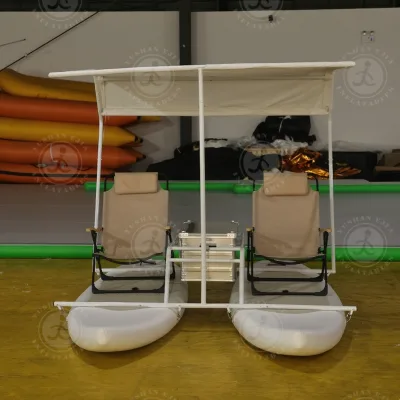
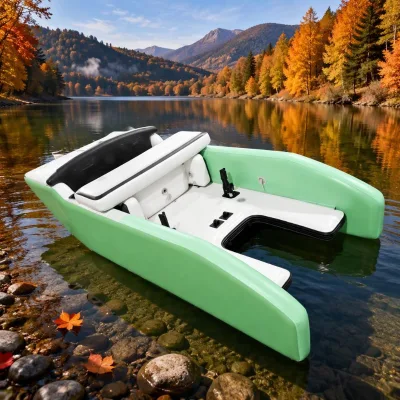
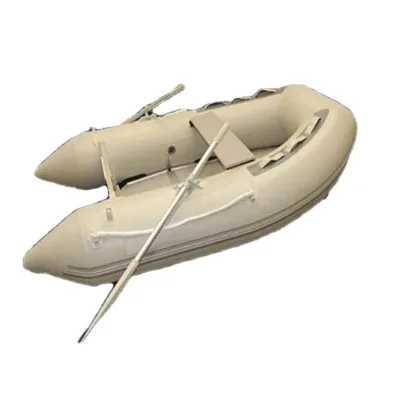
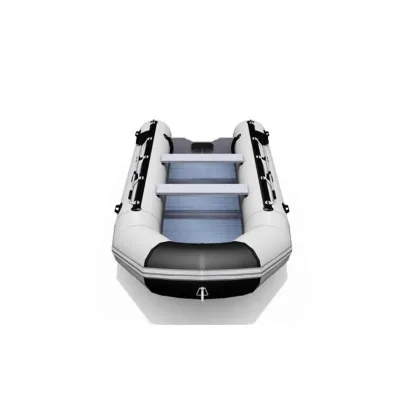
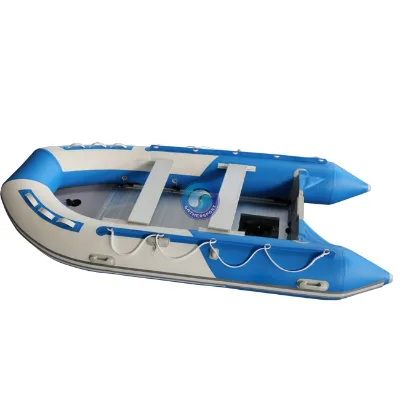
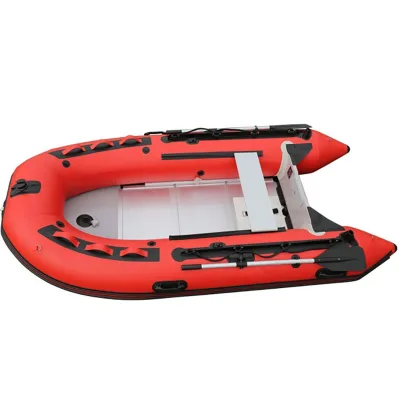
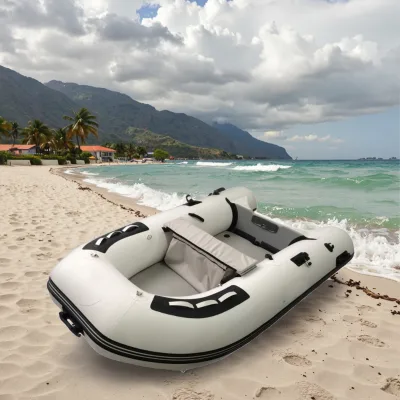
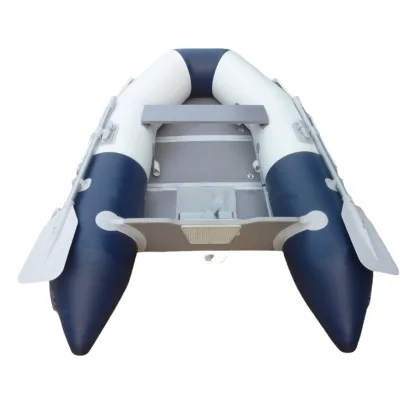
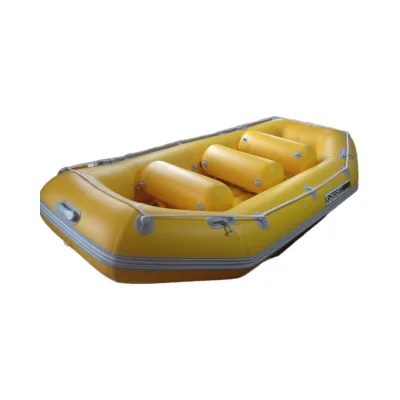
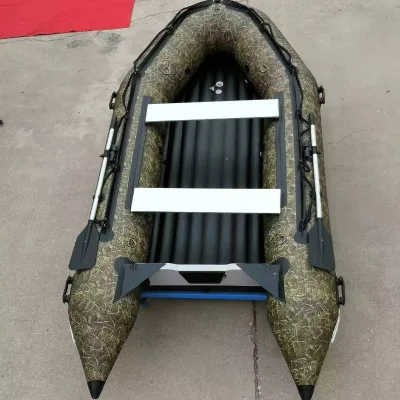


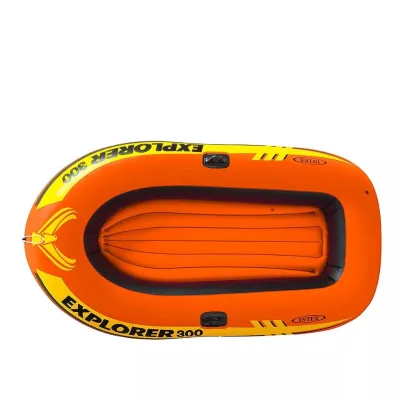


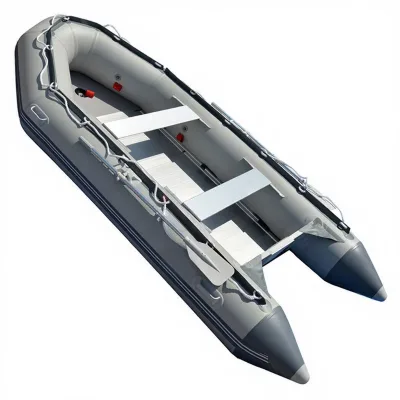
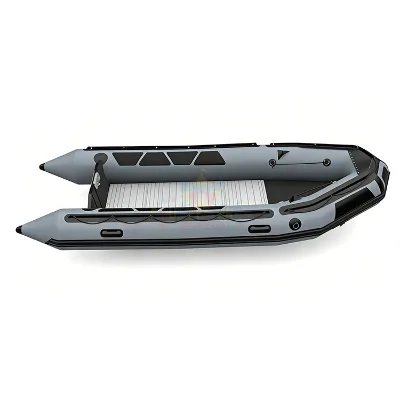
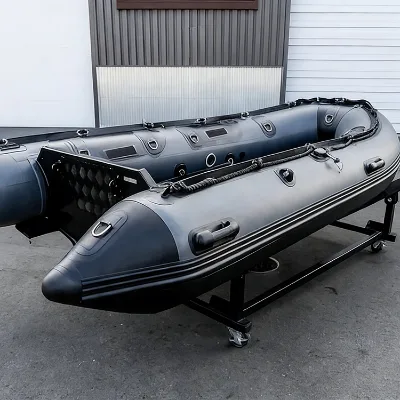
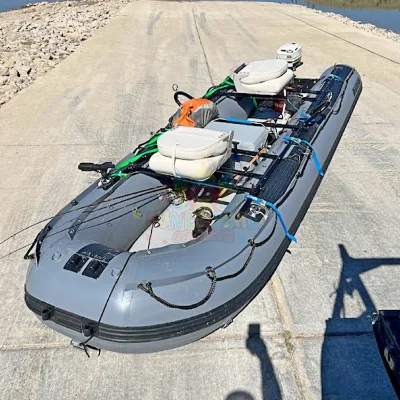
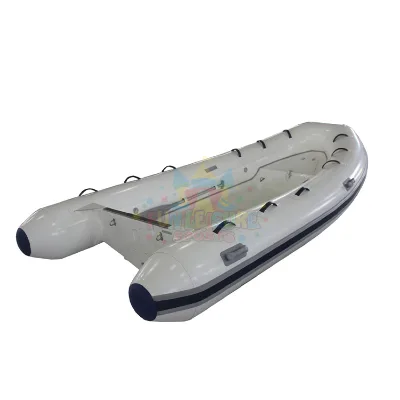


Inflatable Boat, Fishing Inflatable Boat, Speed Inflatable Boat Price
$288.00 - $1800.00
MOQ: 3 Pieces


Comprehensive Sourcing Guide
Lightweight Foldable Inflatable Yacht Boat Sourcing Guide
Procuring a Lightweight Foldable Inflatable Yacht Boat requires careful attention to material thickness and structural design to ensure stability during diverse water activities. The available market data indicates that manufacturers utilize PVC materials ranging from 0.9mm to 1.2mm, which directly influences the vessel's durability and weight profile. Buyers must verify that the selected hull profile, such as the observed fish form, aligns with intended usage scenarios like fishing, drifting, or leisure relaxation on lakes and rivers.
Commercial listings reveal a wide spectrum of capacity options, with specific models supporting two to seven persons depending on the length and design. The observed product lengths vary significantly, ranging from 270cm to 650cm, allowing buyers to match vessel size with group requirements. It is essential to confirm that the folding mechanism and packed dimensions, such as the noted 18x18x24 cm package, facilitate easy transport and storage for outdoor enthusiasts or commercial operators.
Product Scope and Observed Listing Signals
The current market offers inflatable boats designed for multiple applications, including rescue operations, entertainment, and serious recreational fishing. Listings highlight features such as eco-friendly construction and light weight, which are critical for users who need to transport vessels to remote locations like sand beaches or deep water. The observed color options, including white, orange, and multi-colored variants, allow buyers to select vessels that meet specific visibility or aesthetic requirements for their operations.
Buyers should note that customization is available for certain models, enabling tailored solutions for specific commercial or personal needs. The product scope extends to various outdoor activities, with some units explicitly marketed for surfing, diving, and drifting. Understanding these application signals helps in filtering listings to find boats that possess the necessary stability and durability for the intended environment, whether it is a calm lake or a dynamic river setting.
Technical Specifications to Verify
Technical verification must begin with the model number and precise length specifications, as these define the vessel's capacity and performance envelope. Data shows specific models like GSP270 and GSA650 with lengths of 270cm and 650cm respectively, which dictate the number of passengers the boat can safely carry. Buyers should cross-reference the stated capacity, which ranges from two to seven persons, against the physical dimensions to ensure the vessel meets safety standards for the expected load.
Material composition is another critical technical parameter, with observed specifications citing 0.9mm and 1.2mm PVC thicknesses. Thicker materials generally offer enhanced puncture resistance and longevity, which is vital for boats used in rugged environments or for frequent commercial use. Additionally, the hull surface profile, such as the fish form observed in some listings, affects hydrodynamics and stability, requiring buyers to validate that the design supports the specific water conditions they anticipate encountering.
Compliance and Safety Documentation
Safety compliance is a non-negotiable aspect of sourcing inflatable boats, particularly when the vessels are intended for commercial or group recreational use. The supplied context explicitly mentions CE standards for certain products, indicating that buyers should request valid certification documents to verify that the manufacturing process adheres to recognized safety protocols. Without such documentation, the risk of liability increases significantly, especially if the boat is used in rescue scenarios or high-traffic waterways.
Buyers must also verify that the packaging and construction methods meet industry expectations for durability and safety. Some listings mention firm patent products and specific packaging types like seven-layer cartons or brown boxes, which suggest a focus on protecting the product during transit. Ensuring that the supplier provides clear instructions on inflation, maintenance, and safety limits is essential for preventing accidents and ensuring the longevity of the inflatable yacht boat throughout its operational life.
Cost Drivers and Commercial Terms
The cost of lightweight foldable inflatable yacht boats is influenced by material thickness, model complexity, and the level of customization required. Listings indicate a price range between 100 and 1999 USD, reflecting the variance in quality and capacity from basic recreational models to larger, more robust vessels. Buyers should analyze the relationship between material specifications, such as the 1.2mm PVC option, and the final price to determine the best value proposition for their specific budget and usage needs.
Commercial terms, including Minimum Order Quantity (MOQ) and selling units, vary significantly across suppliers, with observed MOQs ranging from single items to ten pieces. Understanding these thresholds is crucial for procurement planning, as bulk orders may offer better unit economics but require higher upfront capital. Buyers should also consider the single package size and weight, as these factors impact shipping costs and logistics, particularly for international orders where freight charges can substantially affect the total landed cost.
Supplier Qualification and Quality Control
Supplier qualification involves verifying the place of origin and the manufacturer's track record in producing inflatable watercraft. The data indicates that products originate from regions such as Shandong and Guangdong in China, which are known manufacturing hubs for PVC goods. Buyers should investigate the specific factory capabilities to ensure they can consistently produce vessels that meet the required material and design specifications without compromising on quality or safety standards.
Quality control processes must be rigorously evaluated to ensure that every unit leaving the factory meets the advertised performance claims. Features like light weight, stability, and durability are frequently highlighted, but these must be validated through independent testing or detailed quality assurance reports. Buyers should request evidence of the manufacturing process, including material testing and final product inspections, to confirm that the inflatable boats will perform reliably in real-world conditions and withstand the rigors of outdoor activities.
Long-Term Procurement Checks
Establishing a long-term procurement strategy requires regular audits of supplier performance and product consistency over time. Buyers should monitor whether the observed features, such as eco-friendly materials and folding capabilities, remain consistent across different production batches. Continuous verification of the model numbers and specifications ensures that the supply chain remains stable and that the products continue to meet the evolving needs of the market and the end-users.
Future-proofing the procurement process involves staying informed about changes in safety standards and material technologies. As the industry evolves, new certifications or improved PVC formulations may become available, offering better performance or compliance. Buyers should maintain open communication with suppliers to anticipate these changes and adjust their sourcing strategies accordingly, ensuring that their fleet of inflatable yacht boats remains safe, compliant, and competitive in the long run.
FAQs
What materials are used for lightweight foldable inflatable yacht boats?
These boats are constructed from durable PVC materials, specifically 0.9mm or 1.2mm thickness options. The 0.9mm PVC variant is used for the GSP270 model, while the 1.2mm PVC is utilized for the GSA650 model. Both materials ensure the vessels remain lightweight and stable for various outdoor activities.
How many people can these inflatable boats accommodate?
Capacity varies by model, with options available for two or three persons. The GSA300 model is designed for two passengers, while the GSP270 model accommodates three people. Larger models like the GSA650 can hold up to seven persons, making them suitable for group leisure or fishing trips.
Are these inflatable boats certified for safety and quality?
Yes, certain models carry CE certification to ensure compliance with safety standards. The GSA300 model is explicitly noted as having CE certification. This standard helps verify the product's quality and safety for recreational use, providing buyers with confidence in the manufacturing standards and material integrity.
What is the minimum order quantity for these inflatable boats?
The minimum order quantity is typically 10 pieces for standard orders. This MOQ applies to models like the GSA300. However, some suppliers may offer lower MOQs starting from one piece for specific items. Buyers should verify the exact MOQ with the supplier based on the chosen model and customization requirements.
Can these boats be customized for specific business needs?
Customization is available for many of these inflatable boat models. Buyers can request specific sizes, colors, or branding to suit their market. The GSA300 model explicitly lists customization as an available option. This flexibility allows businesses to tailor products for specific outdoor activities, such as fishing, racing, or general leisure.
Where are these lightweight inflatable boats manufactured?
These boats are primarily manufactured in China, with origins in Shandong and Guangdong provinces. The GSA650 and GSA300 models originate from Shandong, while the GSP270 model is also produced in China. This regional concentration supports efficient supply chains and consistent manufacturing quality for international buyers.