Source Logo Printed Satin Scrunchies for girls, women, and events
Explore 30 listings for Logo Printed Satin Scrunchies available from suppliers in Zhejiang, China. Buyers can compare materials like satin and silk, MOQs ranging from 16 to 1000 pieces, and customization options for solid colors or floral elements.
Key considerations
Products List
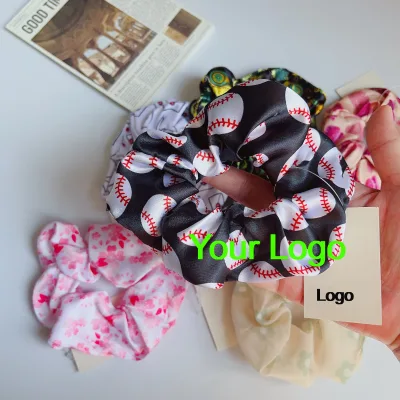
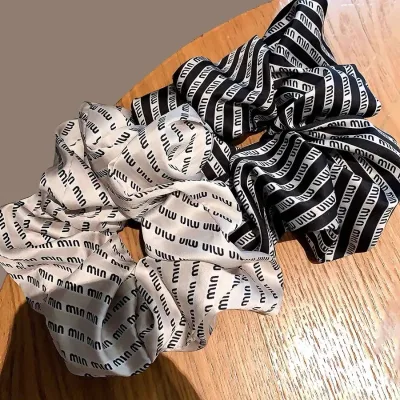
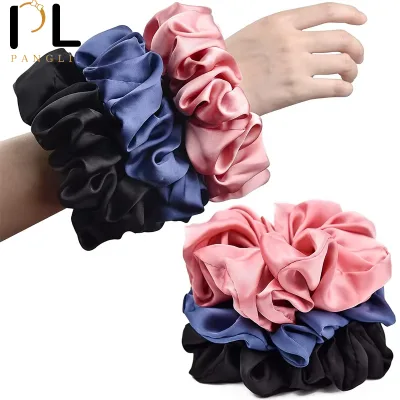
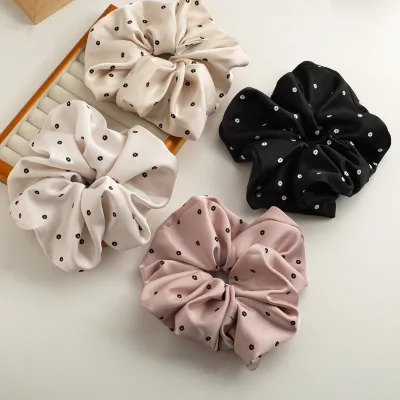


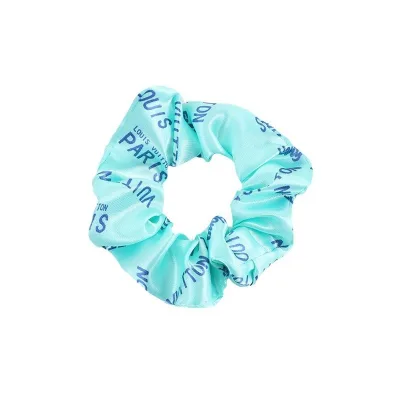


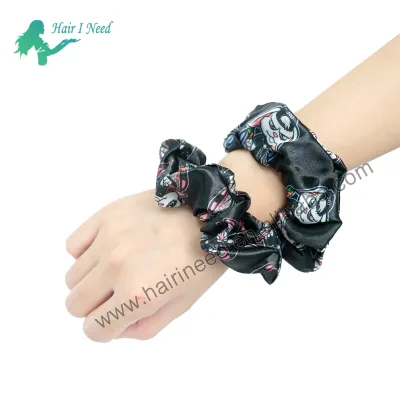
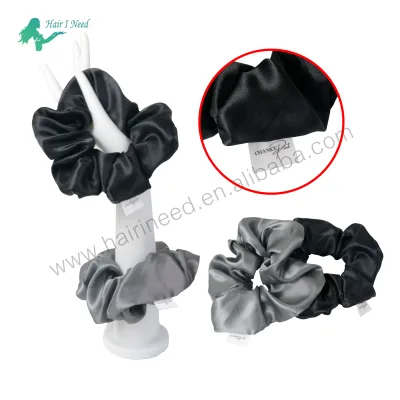
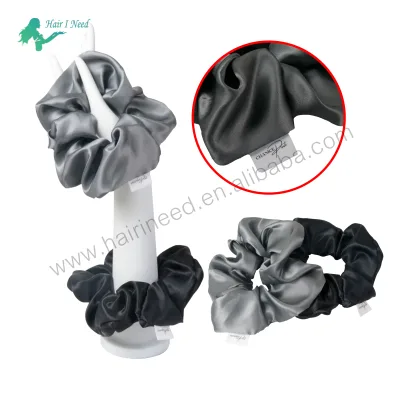
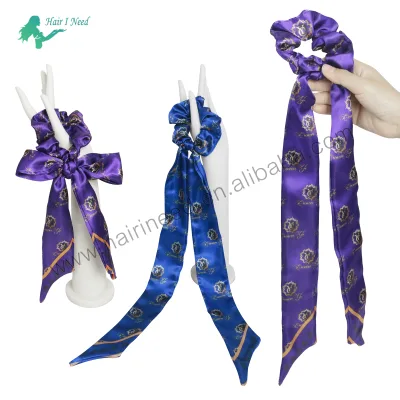
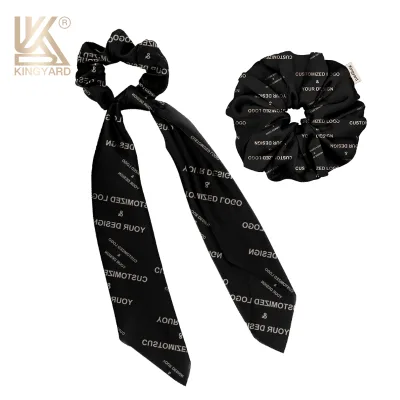
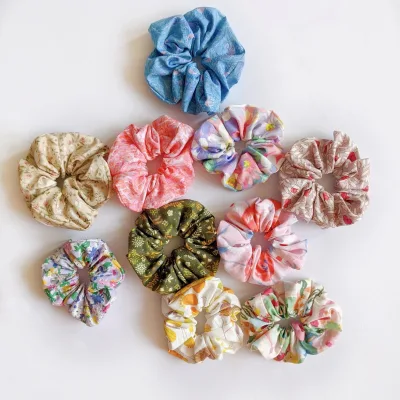
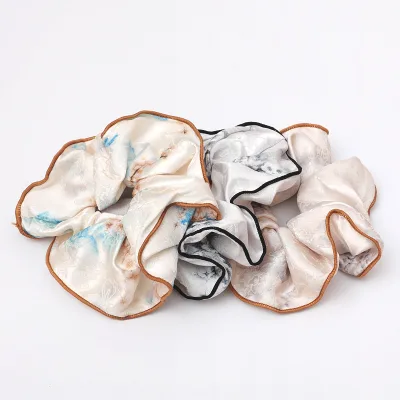
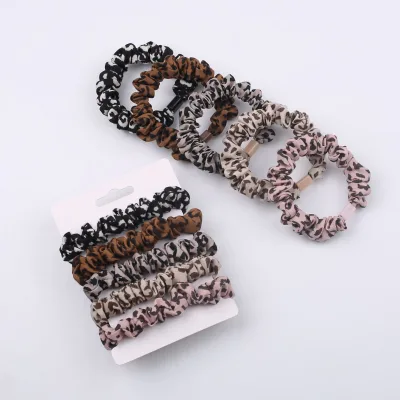
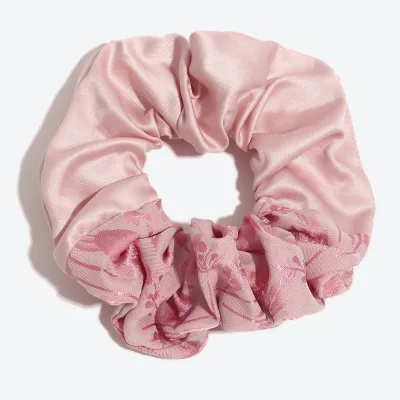
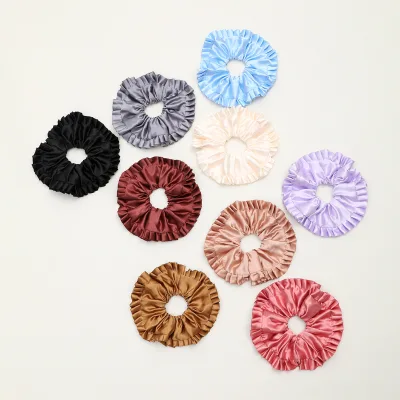
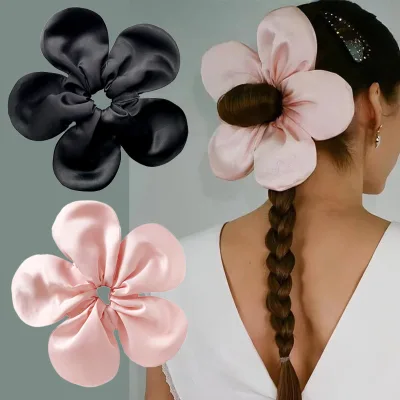
Fashion Creative Girls Simple Hair Tie Solid Color Large Flower Hair Scrunchies
$1.05 - $1.15
MOQ: 12 pieces
Comprehensive Sourcing Guide
Strategic Sourcing Guide for Logo Printed Satin Scrunchies
Understanding Product Specifications and Material Variations
When sourcing Logo Printed Satin Scrunchies, buyers must first navigate the diverse landscape of product specifications available in the current market. The core keyword suggests a focus on satin materials, yet the actual product data reveals a spectrum of fabric compositions that influence the final aesthetic and tactile experience. Observed listings indicate that satin is frequently paired with cotton and chiffon, creating hybrid textures that may appeal to different consumer segments. While some products are explicitly labeled as "silk" or "satin silk," others utilize generic "fabric" or "satin" designations without further breakdown. This variance requires procurement teams to define their material requirements with precision before engaging suppliers.
The physical dimensions of these hair accessories vary significantly across different listings. Size specifications range from approximately 15 cm to 16 cm in circumference, with some entries noting a headband circumference of 6 cm, which likely refers to the gathered fabric width rather than the total loop size. Packaging dimensions also fluctuate, with single package sizes observed between 10.0 x 10.0 x 2.0 cm and 20.0 x 20.0 x 1.0 cm. These dimensional differences directly impact shipping logistics and storage costs. Furthermore, the gross weight per unit is a critical metric for freight calculations, with observed weights ranging from 0.015 kg to 0.06 kg depending on the density of the material and the thickness of the print.
Buyers should pay close attention to the "Elements" attribute, which dictates the visual design of the product. While the core keyword implies a focus on custom logos, the market data shows products categorized by "Solid Color," "Flowers," and specific color codes ranging from 1 to 29 distinct shades. This suggests that a "logo printed" product may exist in a solid color base with the logo applied, or it may be part of a broader design system. The "Style" attribute further differentiates products, with options ranging from "Fashion" to "European and American Style," indicating that the cut and finish of the scrunchie can be tailored to specific regional trends.
Compliance, Certification, and Material Safety Standards
In the realm of hair accessories, particularly those intended for daily use by women and girls, compliance and material safety are paramount. Although the supplied product data does not explicitly list specific certification numbers for every item, it does mention "Eco-friendly" as a feature for certain listings. This indicates a growing market segment where environmental impact is a purchasing factor. Buyers should verify if the "Eco-friendly" claim extends to the dyes used in the printing process and the sustainability of the satin or silk fibers.
Regarding safety standards, the market often references OEKO-TEX as a benchmark for textile safety, ensuring that the fabric is free from harmful substances. While this standard is noted in the background context, it is not explicitly confirmed for every specific product listing provided. Therefore, procurement teams must treat this as a verification requirement rather than an automatic inclusion. When sourcing Logo Printed Satin Scrunchies, buyers should request test reports confirming that the printed inks and the base fabric meet international safety standards for direct skin contact. This is especially crucial for products marketed as "Daily" use items, which are worn for extended periods.
The "Supply Type" listed as "Make-to-Order" for some items suggests a customized production model. In such scenarios, compliance checks must be integrated into the design phase. If a supplier uses specific dyes for custom logos, the buyer must ensure these dyes do not violate chemical restrictions in the destination market. Additionally, the "Feature" attribute highlighting "High Tenacity" implies a focus on durability, which is a form of performance compliance. Buyers should request tensile strength data to ensure the scrunchies will not break or fray during regular use, particularly when holding thicker hair types.
Cost Drivers and Pricing Dynamics
The pricing structure for Logo Printed Satin Scrunchies is influenced by several interconnected factors, including material costs, customization complexity, and order volume. The observed price range in the market spans from 0.1 USD to 6 USD per unit, a wide disparity that reflects differences in material quality and order scale. The lower end of this spectrum likely corresponds to basic satin or fabric blends with minimal customization, while the higher end may involve premium silk, complex printing techniques, or smaller batch sizes.
Minimum Order Quantity (MOQ) is a significant driver of unit cost. The data shows MOQs ranging from as low as 16 pieces to as high as 1000 pieces. This variation allows buyers to test the market with small batches or secure lower unit prices through bulk purchasing. However, the "High Tenacity" and "Eco-friendly" features may command a premium, pushing the price toward the upper end of the observed range. Buyers must balance the desire for customization with the economic reality of MOQs. For instance, a supplier accepting an MOQ of 20 pieces may charge a higher per-unit rate compared to one requiring 1000 pieces, even if the base material is identical.
Logistics and packaging also contribute to the final landed cost. The single gross weight varies from 0.015 kg to 0.06 kg, and packaging sizes range from compact 10 cm cubes to larger 20 cm boxes. These factors affect freight charges, especially for air shipping. Suppliers offering "Opp Bag" or "PP Bag" packaging may provide cost-effective solutions for bulk orders, whereas custom packaging requests could increase the unit price. Additionally, the "OEM/ODM" acceptance indicates that design and branding services are available, which may incur additional setup fees or higher per-unit costs depending on the complexity of the logo application.
Typical Applications and Market Segmentation
Logo Printed Satin Scrunchies serve a diverse range of applications, extending beyond simple hair decoration to become powerful marketing tools and fashion statements. The "Usage" attribute identifies these products primarily as "Girl Hair Decoration," but the "Occasion" is listed as "Daily," suggesting broad utility for everyday wear. This versatility makes them suitable for various market segments, including retail fashion, corporate gifting, and promotional merchandise.
The "Gender" attribute specifies "Women Girl Lady," indicating that the target demographic spans from young girls to adult women. This broad appeal allows brands to utilize these scrunchies for family-oriented marketing campaigns or targeted adult fashion lines. The "Style" variations, such as "European and American Style," suggest that the product can be adapted to fit specific regional fashion trends. For example, a "Flowers" element might appeal to spring collections, while "Solid Color" options with custom logos might be preferred for corporate branding or minimalist fashion lines.
In the context of promotional use, the "Keyword" "scrunchies custom print" highlights the potential for these items to function as branded merchandise. Companies can leverage the "Logo: Accept Customized Logo" feature to create unique giveaways that are both functional and fashionable. The "Feature" of "High Tenacity" ensures that these promotional items remain durable, enhancing the brand's reputation for quality. Furthermore, the "Cool" usage attribute suggests that these items are also marketed as trendy accessories, appealing to younger demographics who value style and self-expression.
Supplier Evaluation and Sourcing Criteria
Evaluating suppliers for Logo Printed Satin Scrunchies requires a multi-faceted approach that considers location, capability, and reliability. The "Place of Origin" is consistently listed as "Zhejiang, China," a region known for its textile manufacturing prowess. Buyers should verify the specific capabilities of suppliers within this region, particularly their ability to handle custom printing and fabric sourcing. The "Service" attribute, which includes "ODM OEM," indicates that suppliers are equipped to handle both original equipment manufacturing and original design manufacturing, offering flexibility in product development.
When assessing suppliers, buyers should examine their "Selling Units" and "Packing" standards. Some suppliers offer "Single item" sales, which may be suitable for small orders, while others may require bulk purchasing. The "Packing" method, such as "Opp Bag" or "1 Piece in 1 PP Bag," should align with the buyer's branding and logistics requirements. Additionally, the "Model Number" and "prod_model" fields provide unique identifiers for specific product lines, allowing buyers to track consistency across orders.
Reliability is further indicated by the "Supply Type" and "MOQ" flexibility. Suppliers offering "Make-to-Order" services demonstrate a commitment to customization, but buyers must ensure that these suppliers can meet lead time expectations. The "Feature" of "Eco-friendly" may also serve as a differentiator, indicating a supplier's commitment to sustainable practices. Buyers should request evidence of these claims, such as material certifications or process audits, to validate the supplier's sustainability assertions.
Quality Control and Long-Term Procurement Considerations
Ensuring consistent quality in Logo Printed Satin Scrunchies is essential for maintaining brand reputation and customer satisfaction. The "Feature" of "High Tenacity" suggests that durability is a key quality metric. Buyers should implement quality control measures that test the tensile strength of the fabric and the adhesion of the printed logo. This includes checking for color fastness, ensuring that the logo does not fade or peel after washing or friction. The "Elements" attribute, which includes "Solid Color" and "Flowers," requires visual inspection to ensure that the print quality matches the design specifications.
Long-term procurement considerations involve building a sustainable supply chain that can adapt to changing market demands. The "OEM/ODM" acceptance and "Logo: Accept Customized Logo" features indicate that suppliers are capable of evolving with the buyer's needs. However, buyers should establish clear communication channels regarding design changes and material updates. The "Single package size" and "Single gross weight" data should be used to optimize logistics planning, ensuring that packaging remains consistent and cost-effective over time.
Furthermore, buyers should monitor the "Color" options available, which range from single colors to extensive palettes of up to 29 shades. This variety allows for seasonal adjustments and trend responsiveness. However, maintaining color consistency across different production batches is crucial. Buyers should request color swatches and approval samples before mass production to ensure that the final product meets the desired aesthetic standards. By focusing on these quality control and long-term strategic factors, buyers can secure a reliable supply of high-quality Logo Printed Satin Scrunchies that meet both functional and branding requirements.
FAQs
What materials are used for Logo Printed Satin Scrunchies?
These scrunchies are commonly made from satin, cotton, chiffon, or silk. Some listings specify satin silk or generic fabric, allowing buyers to select based on texture preferences and budget constraints for their specific order.
Can suppliers accept custom logo printing on these items?
Yes, suppliers accept customized logos and offer OEM or ODM services. Buyers can request specific branding on solid color or floral designs, with packaging options like OPP bags or custom requests available for bulk orders.
What is the minimum order quantity for these scrunchies?
Minimum order quantities vary significantly, ranging from 16 pieces to 1000 pieces depending on the supplier. Buyers should check specific listings as some accept small batches while others require larger volumes for cost efficiency.
Where are these products typically manufactured?
The products are primarily manufactured in Zhejiang, China. This region is a known hub for textile production, offering various suppliers capable of handling custom printing and fabric sourcing for international buyers.
How do the dimensions of the scrunchies vary?
Sizes typically range from 15 cm to 16 cm in circumference, with some variations in headband circumference. Packaging dimensions also differ, affecting shipping costs, so buyers should verify specific single package sizes before ordering.