Source Long Sleeve Children Pajamas for Home, Travel, and Sleep
Compare 30 listings for Long Sleeve Children Pajamas featuring customizable colors, 100% cotton or polyester blends, and snap button closures. Buyers can review models like P201 and LTY533 with varying MOQs and lead times for spring and autumn seasons; compare the available evidence and request quotations based on your requirements.
Key considerations
Products List


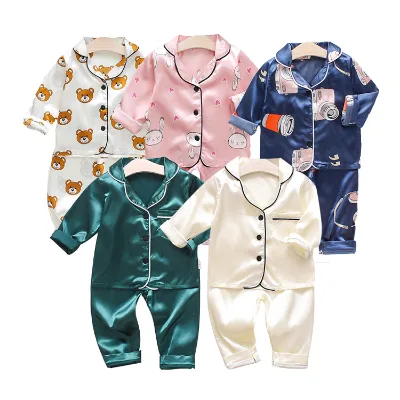

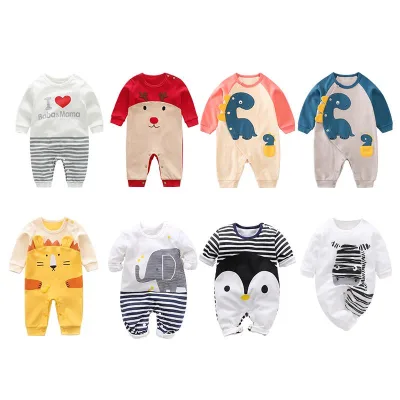


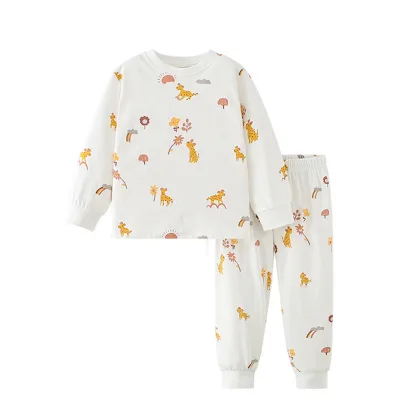


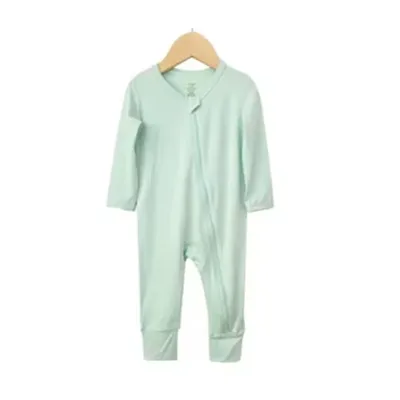
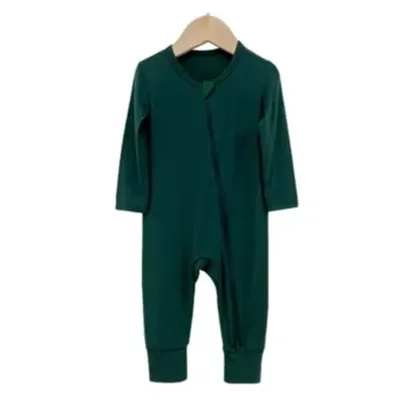

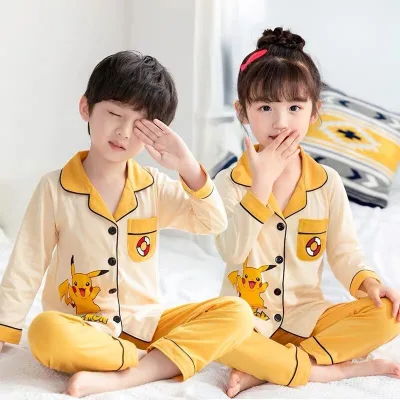
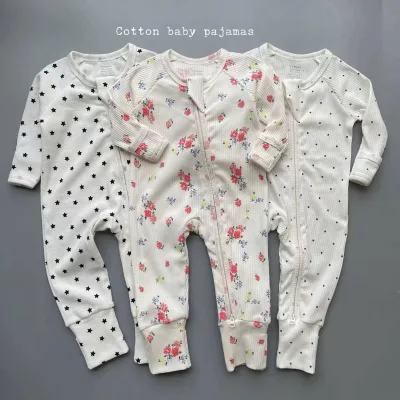


Soft Breathable Soft Children Pajamas Set Long Sleeve Lounge Wear Pajamas Set
$5.99 - $7.99
MOQ: 300 Pieces


Comprehensive Sourcing Guide
Long Sleeve Children Pajamas Sourcing Guide
Sourcing Long Sleeve Children Pajamas requires balancing comfort, safety, and aesthetic appeal to meet the demands of modern retail markets. Buyers must navigate a diverse supplier landscape where product attributes vary significantly across different manufacturers and regions. The observed market signals indicate a wide range of options, from customizable designs to specific material compositions, necessitating a rigorous vetting process. Understanding these variations is crucial for establishing a reliable supply chain that can deliver consistent quality while adhering to strict regulatory standards for children’s apparel.
Procurement teams should focus on identifying suppliers who demonstrate transparency in their production capabilities and compliance documentation. The presence of customizable features and various size ranges suggests that many manufacturers are equipped to handle bespoke orders, which can be advantageous for brands seeking unique product lines. However, this flexibility also introduces complexity in quality control and lead time management. Buyers must therefore prioritize suppliers who can provide clear evidence of their ability to maintain consistency across large production runs, ensuring that every batch meets the specified design and safety requirements.
Product Scope and Observed Listing Signals
The current market for Long Sleeve Children Pajamas exhibits a broad spectrum of product attributes, reflecting diverse consumer preferences and manufacturing capabilities. Observed listings highlight key features such as customizable colors, various size options including S, M, L, and XL, and specific age group targeting from infants to older children. These signals indicate that suppliers are catering to a wide demographic, offering products that range from basic everyday wear to more specialized designs. The availability of different materials, including polyester/cotton blends and 100% cotton, further underscores the need for buyers to carefully select products that align with their brand’s quality standards and target audience expectations.
In addition to material and sizing variations, the observed data reveals significant differences in packaging and supply capabilities. Some suppliers offer simple polybag packaging, while others provide more elaborate options like OPP bags or customized cartons, which can impact logistics and retail presentation. Supply abilities range from modest weekly outputs to substantial monthly volumes, suggesting that buyers should align their order quantities with supplier capacity to ensure timely delivery. The presence of specific model numbers and design tags also indicates that many manufacturers have established product lines, allowing buyers to reference existing successful designs or request modifications to suit their market needs.
Technical Specifications to Verify
Verifying technical specifications is paramount to ensuring that the purchased pajamas meet both functional and aesthetic requirements. Buyers should meticulously review material compositions, as the observed data includes both polyester/cotton blends and 100% cotton options, each offering distinct benefits in terms of durability, breathability, and care instructions. It is essential to confirm that the fabric weight and texture are appropriate for the intended season, particularly for spring and autumn wear, where comfort and temperature regulation are critical. Additionally, verifying closure types, such as snap buttons, ensures ease of dressing and safety for young children, preventing potential hazards associated with loose fastenings.
Size consistency and fit are other critical technical aspects that require thorough verification. The observed size ranges, including specific centimeter measurements for infants and standard S-XL sizing for older children, highlight the importance of accurate grading and pattern making. Buyers should request detailed size charts and, if possible, physical samples to assess fit and proportionality across different age groups. Furthermore, examining construction details such as stitching quality and seam strength can provide insights into the overall durability of the garments. Ensuring that these technical specifications are clearly defined in the purchase order helps prevent discrepancies between ordered and delivered goods, reducing the risk of returns or customer dissatisfaction.
Compliance and Safety Documentation
Compliance with safety standards is non-negotiable when sourcing children’s apparel, given the heightened scrutiny on product safety in this category. Buyers must ensure that suppliers possess relevant certifications, such as BSCI and Oeko-Tex 100, which attest to ethical labor practices and the absence of harmful substances in the textiles. These certifications provide a baseline assurance of product safety and social responsibility, but buyers should also verify that the specific products comply with regional regulations, such as flammability standards and small parts regulations, which vary by market. Requesting test reports from accredited laboratories can further validate that the materials and finished garments meet these stringent safety criteria.
Beyond certifications, buyers should establish clear communication channels with suppliers regarding compliance updates and regulatory changes. The dynamic nature of international trade regulations means that compliance requirements can evolve, necessitating ongoing vigilance and documentation. Suppliers should be required to provide up-to-date compliance certificates for each production batch, ensuring that any changes in material sourcing or manufacturing processes do not compromise product safety. Additionally, understanding the supplier’s quality control processes, including inspection protocols and defect rates, can help buyers assess the reliability of their compliance claims and mitigate risks associated with non-conforming products.
Cost Drivers and Commercial Terms
Understanding the cost drivers associated with Long Sleeve Children Pajamas is essential for effective budgeting and pricing strategy development. Key factors influencing cost include material selection, customization levels, order volume, and packaging requirements. For instance, 100% cotton fabrics typically command higher prices than polyester blends, while extensive customization options, such as unique colorways or design modifications, can increase production costs. Buyers should also consider the impact of packaging choices on overall expenses, as more elaborate packaging solutions may incur additional costs but enhance retail appeal. Negotiating favorable commercial terms, such as flexible MOQs and competitive pricing structures, can help optimize cost efficiency without compromising quality.
Lead times and payment terms are other critical commercial considerations that affect cash flow and inventory management. The observed data indicates varying lead times, from quick sample production to longer delivery periods for bulk orders, highlighting the importance of aligning production schedules with market demand. Buyers should negotiate clear delivery timelines and penalty clauses for delays to mitigate supply chain disruptions. Additionally, establishing transparent payment terms, such as partial upfront payments and balance upon shipment, can help manage financial risk. By carefully evaluating these commercial terms, buyers can secure favorable agreements that support their operational goals and financial stability.
Supplier Qualification and Quality Control
Supplier qualification is a critical step in ensuring a reliable and high-quality supply chain for Long Sleeve Children Pajamas. Buyers should conduct thorough due diligence, assessing suppliers’ production capabilities, quality control systems, and past performance records. This includes verifying their supply ability, such as the observed capacity of 5000 sets per week, to ensure they can meet order volumes without compromising quality. Additionally, evaluating their sample production processes, including lead times and sample quality, can provide insights into their responsiveness and attention to detail. Suppliers who demonstrate a commitment to quality through rigorous internal inspections and adherence to industry standards are more likely to deliver consistent and reliable products.
Implementing robust quality control measures is essential to maintaining product standards throughout the production process. Buyers should establish clear quality specifications and inspection criteria, covering aspects such as fabric quality, stitching integrity, and final product appearance. Conducting pre-shipment inspections or hiring third-party inspection services can help identify and rectify defects before goods are dispatched. Furthermore, fostering a collaborative relationship with suppliers, encouraging open communication and continuous improvement, can enhance quality outcomes. By prioritizing supplier qualification and implementing stringent quality control protocols, buyers can minimize risks and ensure that their products meet the highest standards of quality and safety.
Long-Term Procurement Checks
Long-term procurement success depends on establishing ongoing monitoring and evaluation mechanisms to ensure sustained supplier performance and product quality. Buyers should regularly review supplier metrics, including on-time delivery rates, defect rates, and compliance adherence, to identify areas for improvement and address potential issues proactively. Conducting periodic audits of supplier facilities and quality control processes can help verify that standards are consistently maintained and updated in response to changing regulations or market demands. Additionally, maintaining open lines of communication with suppliers fosters trust and collaboration, enabling joint problem-solving and continuous improvement initiatives that benefit both parties.
Adapting to market trends and consumer preferences is another critical aspect of long-term procurement strategy. Buyers should stay informed about emerging design trends, material innovations, and regulatory changes that may impact the children’s apparel market. By leveraging market intelligence and supplier insights, buyers can anticipate shifts in demand and adjust their sourcing strategies accordingly. This proactive approach enables buyers to maintain a competitive edge, offering products that resonate with consumers while ensuring operational efficiency and compliance. Ultimately, a strategic focus on long-term supplier relationships and market agility is key to achieving sustainable growth and success in the children’s pajamas sector.
FAQs
What materials are used for these Long Sleeve Children Pajamas?
The products are made from 100% cotton or a polyester cotton blend. Some items feature plain dyed techniques for consistent coloring. This ensures comfort and durability for daily wear while meeting safety standards like Oeko-Tex 100 for sensitive skin.
Can I customize the color and design of the pajamas?
Yes, customization is available for both color and design elements. Buyers can select from a wide range of color options or request specific designs. This flexibility allows retailers to tailor products to their specific brand requirements and seasonal trends effectively.
What is the minimum order quantity for these pajamas?
The minimum order quantity varies by product, ranging from one piece to one thousand pieces. Some listings support a low MOQ of two pieces for sampling, while bulk orders may require higher quantities. This allows flexibility for both small startups and large retailers.
How long does it take to receive a sample order?
Sample orders are supported with a lead time of seven days for production. The sample time itself is typically within two weeks after confirmation. This rapid turnaround helps buyers evaluate quality and design before committing to larger production runs.
Which certifications do these pajamas hold for safety?
The products hold BSCI and Oeko-Tex 100 certifications to ensure safety and ethical production. These standards verify that the materials are free from harmful substances. This makes the pajamas suitable for children and adults requiring high-quality, safe textile products.
Where are these pajamas manufactured and supplied from?
Manufacturing takes place in Shanghai and Guangdong, China. The supply type includes in-stock items with a weekly capacity of five thousand sets. This location ensures efficient logistics and reliable delivery schedules for international buyers seeking quality textile goods.
What sizes are available for the long sleeve pajamas?
Sizes range from S to XL for adult options and specific centimeter measurements for baby rompers. The baby sizes include 59 to 80 cm, while adult sizes cover standard fits. This variety ensures a proper fit for different age groups and body types.