Source Long Sleeve Cotton Infant Sweatshirt for Play, Sleep, and Outings
Source a Long Sleeve Cotton Infant Sweatshirt from 30 verified listings. Buyers can compare features like O-neck collars, breathable fabrics, and custom OEM services for ages 1 to 6 years.
Key considerations
Products List
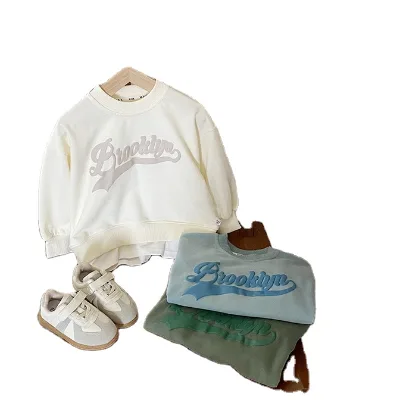
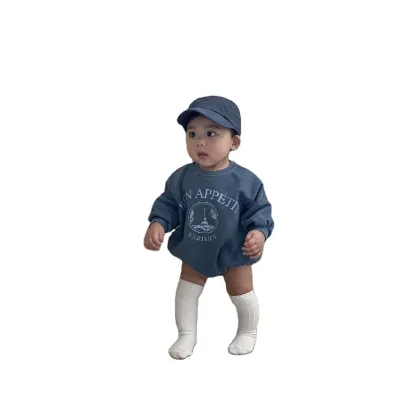
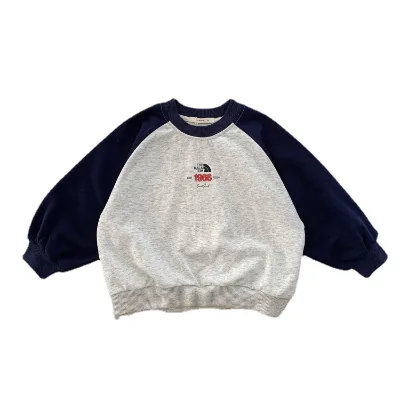
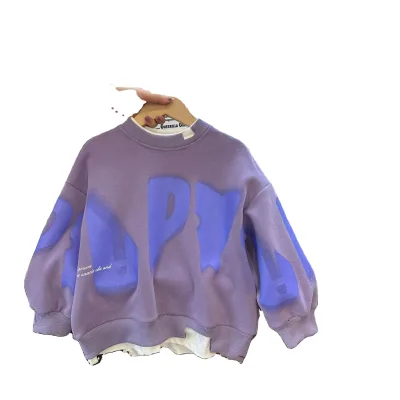
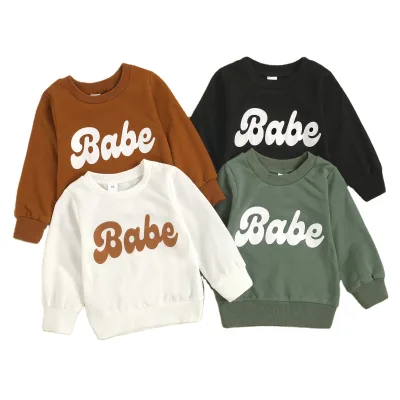
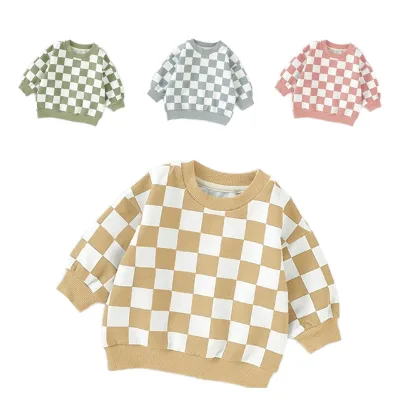
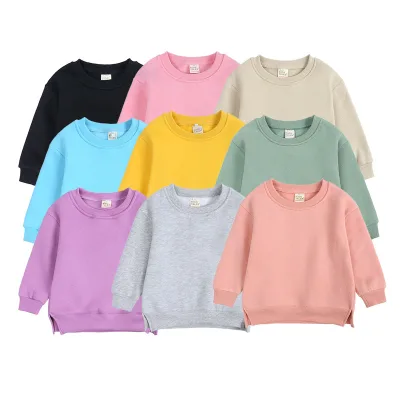
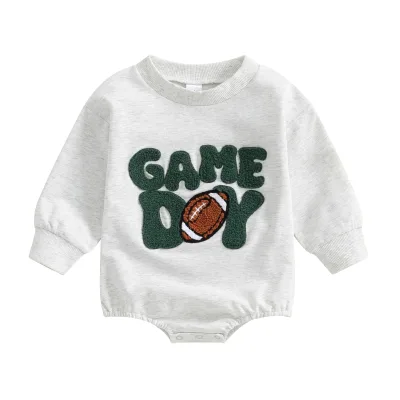
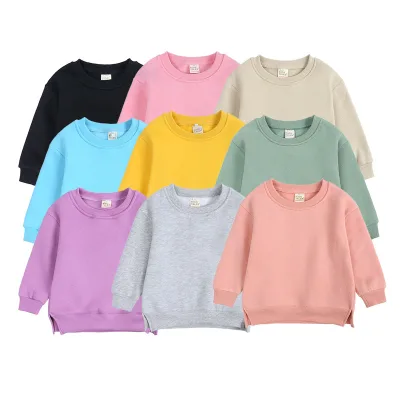
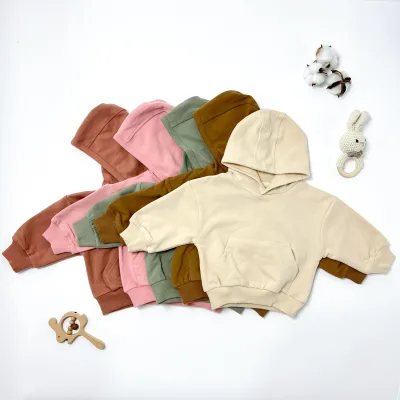
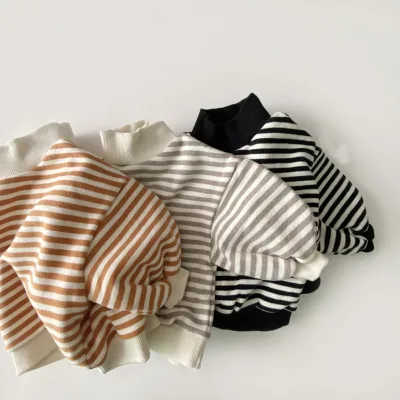


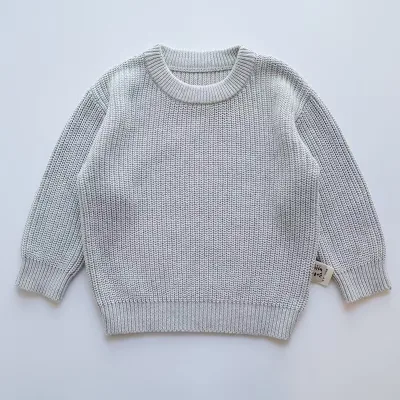
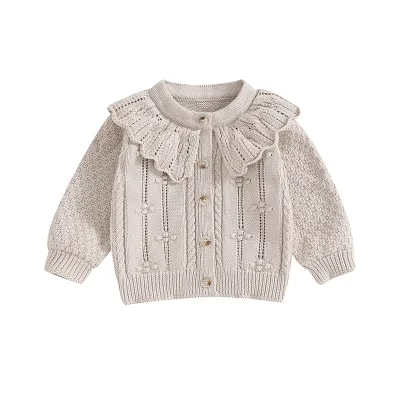

Hoodie Winter Clothes Solid Color Long Sleeve Children's Hoodie Sweatshirt
$1.00 - $8.00
MOQ: 100 Pieces


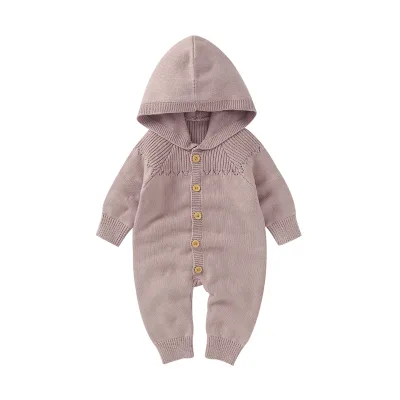
100% Organic Cotton Long Sleeve Baby Oversized Sweater Hoodie Onesies Baby Grow
$10.51 - $11.90
MOQ: 50 pieces
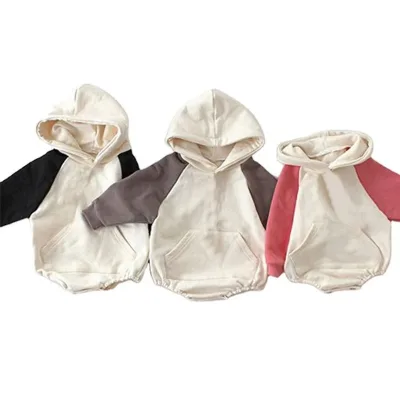
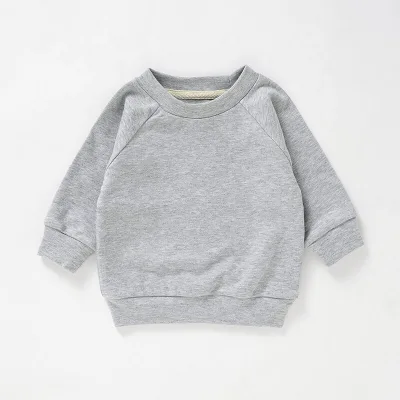
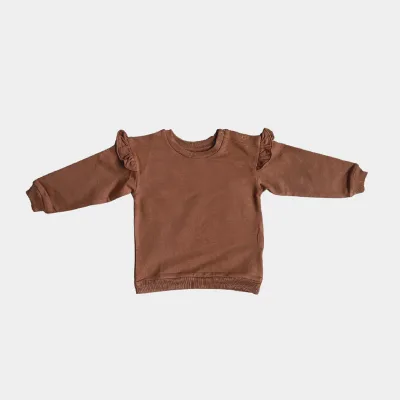


Comprehensive Sourcing Guide
Strategic Sourcing Guide for Long Sleeve Cotton Infant Sweatshirts
The global market for infant apparel demands a rigorous approach to procurement, particularly when sourcing long sleeve cotton sweatshirts. For buyers targeting the infant and toddler demographic, the intersection of material safety, manufacturing flexibility, and logistical reliability defines a successful supply chain. The following guide synthesizes available market data to provide a structured framework for evaluating suppliers and products. This analysis focuses on the specific attributes observed in current listings, including the prevalence of 100% cotton compositions, the dominance of ODM and OEM service models, and the critical nature of age-specific sizing for infants ranging from 1 year to 6 years.
Technical Specifications and Material Composition
When evaluating long sleeve cotton infant sweatshirts, the primary technical differentiator is the fiber content and fabric construction. The observed market data indicates a strong preference for 100% cotton materials, which aligns with the high demand for breathable and skin-friendly fabrics in the infant sector. This material choice is not merely aesthetic but functional, addressing the need for temperature regulation and comfort for young children. The fabric type is frequently identified as "Worsted," a term that suggests a specific yarn preparation process often associated with smooth, durable surfaces suitable for printed designs.
The construction details further define the product's utility. The standard collar style observed is the O-Neck, which offers a classic, non-restrictive fit essential for infant wear. Sleeve configurations are consistently long, with a "Regular" sleeve style being the dominant specification. This design choice supports the seasonal versatility of the garment, although some listings explicitly categorize the item for "Summer" use, suggesting that the cotton weight or weave may be lighter than traditional winter sweatshirts. The product type is broadly classified under "Hoodies / Sweatshirt," indicating a casual style that is often paired with letter patterns or custom logos.
Technical attributes also extend to the finishing techniques. The "Printed" technic is prevalent, allowing for the application of letter patterns or custom graphics. However, a conflicting observation exists where "Yarn Dyed" is listed as a technic. In a procurement context, this discrepancy highlights the necessity for buyers to verify the specific manufacturing process for each order. Whether the color is applied to the yarn before weaving or printed onto the finished fabric significantly impacts the durability of the color and the softness of the hand feel. Buyers must explicitly confirm whether the garment utilizes a printed or yarn-dyed method to ensure it meets the desired quality standards for infant wear.
Compliance, Safety, and Certification Verification
Safety is the paramount concern when sourcing apparel for infants. While the provided data lists "Eco-Friendly" as a feature, it does not provide specific certification status for standards such as OEKO-TEX or GOTS. The background information notes these standards as low-confidence or background elements, meaning they cannot be assumed to be present in every listed product. Consequently, procurement strategies must shift from accepting marketing claims to demanding verifiable documentation.
Buyers should not rely on the "Eco-Friendly" label as a substitute for formal certification. Instead, the procurement process must include a mandatory request for test reports from accredited laboratories. These reports should verify the absence of harmful substances, including formaldehyde, azo dyes, and heavy metals, which are critical for infant safety. The "High Quality" attribute mentioned in some listings is a subjective claim and does not guarantee compliance with international safety regulations.
Furthermore, the "Breathable" and "Quick Dry" features listed are performance claims that require validation. For infant sweatshirts, breathability is essential to prevent overheating, while quick-drying properties are practical for parents managing frequent washing. However, these claims must be backed by specific test data regarding moisture vapor transmission rates. Buyers should verify if the 100% cotton composition contributes to these properties naturally or if chemical treatments are involved, as chemical treatments may introduce additional compliance hurdles. The absence of explicit certification data in the source material necessitates a proactive approach where the buyer defines the required safety standards in the purchase contract and requires pre-shipment inspection reports to confirm adherence.
Cost Drivers and Pricing Dynamics
The pricing structure for long sleeve cotton infant sweatshirts is influenced by several variable factors, including material costs, customization levels, and order volume. The observed price range in the market spans from $0.50 to $20.00 USD. This wide variance suggests that the final unit cost is highly dependent on the specific configuration of the order. The lower end of the spectrum likely corresponds to basic, in-stock items with standard letter patterns and minimal customization. In contrast, the higher price points are likely driven by complex OEM/ODM services, custom logo acceptance, and specialized fabric treatments.
The Minimum Order Quantity (MOQ) is a significant cost driver. The data indicates an MOQ range of 2 to 1000 pieces, with a specific high-confidence observation of 50 pieces. This variability allows buyers to scale their orders based on their inventory needs and financial constraints. However, the "Available Quantity" varies significantly between suppliers, with some listings showing 10,000 units while others show only 898 units. This discrepancy affects the ability to secure large orders at a stable price point. Buyers must assess the supplier's capacity to fulfill large volumes without compromising lead times or quality.
Additional cost factors include packaging and logistics. The standard packing method observed is "1pcs / OPP" or "1pc/polybag," which is cost-effective but may require upgrading for premium branding. The single package size of approximately 30x25x5 cm and a gross weight of 0.250 to 0.300 kg per unit are critical for calculating shipping costs. These dimensions and weights are relatively compact, suggesting efficient container utilization, but the cumulative weight of large orders will impact freight charges. Buyers should factor in the cost of custom packaging if they require branding beyond the standard polybag, as this can significantly alter the total landed cost.
Supplier Evaluation and Service Models
The supply landscape for infant sweatshirts is characterized by a mix of ODM (Original Design Manufacturer) and OEM (Original Equipment Manufacturer) services, alongside in-stock items. This flexibility allows buyers to choose between sourcing ready-made products with established designs or collaborating on custom developments. The "Service" attribute explicitly lists "Custom OEM ODM," indicating that suppliers are equipped to handle both scenarios. The "Design: Custom Welcomed" and "Logo: Accept Customized Logo" attributes further reinforce the supplier's willingness to adapt to buyer specifications.
When evaluating suppliers, the "Place of Origin" is a key indicator of manufacturing capability. The data consistently points to Guangdong, China, a region known for its robust textile industry and supply chain infrastructure. This location offers access to a wide range of raw materials and skilled labor, which can facilitate faster production cycles. However, buyers should verify the specific factory's capacity and history, as the region contains thousands of manufacturers with varying levels of quality control.
The "Delivery Time" is another critical evaluation metric. The observed lead time for sample orders is 7 days, while the general delivery time is listed as 5-7 working days. These timelines suggest a highly responsive supply chain capable of rapid turnaround. However, buyers must distinguish between sample lead times and bulk production lead times. The "7 days sample order lead time" is a positive indicator for prototyping, but bulk orders may require longer durations depending on the complexity of the customization and the current production load. Suppliers with a "High Qualiy" reputation should be prioritized, but this claim must be validated through reference checks and sample inspections.
Quality Control and Inspection Protocols
Ensuring consistent quality in infant sweatshirts requires a multi-layered inspection protocol. The "Feature" list includes "Breathable, Quick Dry, Eco-Friendly," which serves as a baseline for performance expectations. However, the "Quality: High Qualiy" attribute is a generic claim that requires objective verification. Buyers should implement a rigorous quality control plan that includes pre-production, in-line, and pre-shipment inspections.
Pre-production inspections should focus on the verification of the 100% cotton material and the confirmation of the "Worsted" fabric type. Inspectors must verify that the "Printed" or "Yarn Dyed" technic matches the agreed-upon sample. The "Model Number" variations, such as HM-QP-0861, HM-QP-0752, and HM-QP-0862, indicate different product lines, and each may have unique quality benchmarks. Buyers should ensure that the specific model number corresponds to the correct specifications for their order.
In-line inspections are crucial for monitoring the sewing process, particularly for the "O-Neck" collar and "Long Sleeve" construction. Defects such as uneven stitching, loose threads, or misaligned patterns can compromise the garment's integrity and safety. The "Single gross weight" of 0.250 kg to 0.300 kg should be monitored to ensure that the fabric weight and construction density remain consistent across the batch. Pre-shipment inspections should verify the final product against the "Available Quantity" and ensure that the packaging meets the "1pcs / OPP" or "1pc/polybag" standards. Additionally, buyers should test the "Quick Dry" and "Breathable" claims through controlled laboratory tests if these features are critical to the product's value proposition.
Long-Term Procurement Considerations
Sourcing long sleeve cotton infant sweatshirts is not a one-time transaction but a strategic partnership that requires long-term planning. The "Season: Summer" classification in some listings suggests that these garments may be part of a broader seasonal strategy. Buyers should consider the year-round demand for infant apparel and the potential for these sweatshirts to serve as transitional wear in varying climates. The "Age Group: Infant & Toddlers" and specific age ranges (1 year to 6 years) indicate a broad target market, but the "Size: Xs" and age-specific sizing (3-6M, 6-9M, 12M, 24M) require careful inventory management to avoid stockouts in popular sizes.
The "Supply Type: Odm, Oem Service, In-Stock Items" offers flexibility for scaling operations. Buyers can start with in-stock items to test the market and then transition to OEM/ODM models for custom branding as demand grows. The "Design: Popular" and "Design: Custom Welcomed" attributes suggest that suppliers are adaptable to changing fashion trends. However, buyers must maintain a close relationship with suppliers to ensure that design updates and material changes are communicated effectively.
Finally, the "Payment: T/T" term is standard in the industry, but buyers should negotiate favorable payment terms based on the order volume and the supplier's reliability. The "MOQ: 50 Pcs" provides a low barrier to entry for new buyers, but as orders scale, buyers should aim to consolidate orders to reduce per-unit costs and shipping expenses. Long-term success in this sector depends on maintaining a balance between cost efficiency, quality assurance, and supply chain agility. By adhering to these principles, buyers can build a resilient supply chain that meets the demanding requirements of the infant apparel market.
FAQs
What material is used for these infant sweatshirts?
The sweatshirts are made from 100% cotton material. This composition ensures breathability and comfort for infants, aligning with the requirement for skin-friendly fabrics in the toddler age group.
Can I order custom logos on these hoodies?
Yes, custom logos are accepted for these products. The supplier offers ODM and OEM services, allowing buyers to request personalized designs while maintaining the casual style and letter patterns.
What is the minimum order quantity for these items?
The minimum order quantity is 50 pieces. This MOQ applies to the available stock items and custom orders, ensuring flexibility for buyers while maintaining production efficiency in Guangdong, China.
How long does it take to receive a sample order?
A sample order lead time is 7 days. This timeline allows for quick prototyping of the long sleeve cotton sweatshirts before committing to larger bulk orders with specific customization requirements.
Which age groups are these sweatshirts designed for?
These sweatshirts are designed for infants and toddlers aged 1 to 6 years. Specific sizing covers ranges from 3-6 months up to 6 years, ensuring a fit for various developmental stages.
What colors are available for the long sleeve hoodies?
Available colors include light blue, ivory, army green, sky blue, khaki, and black. These options provide variety for the casual style while maintaining the high-quality cotton fabric standard.