Source Luxury Black Leather Pencil Case for school, office, and gifts
Compare 30 Luxury Black Leather Pencil Case options from verified suppliers. Buyers can review specifications like zipper closures, single package sizes, and customization availability for promotional activities and school use; compare the available evidence and request quotations based on your requirements.
Updated
Key considerations
Products List
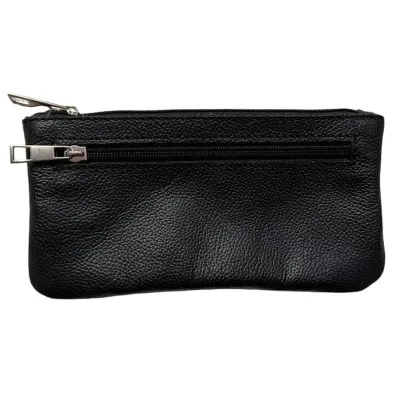
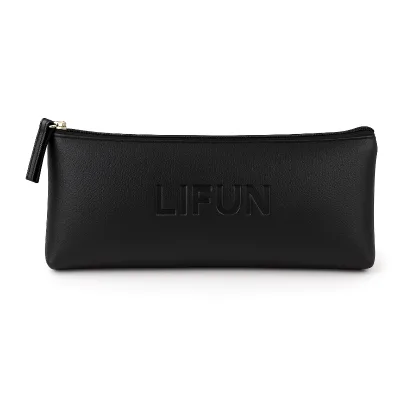
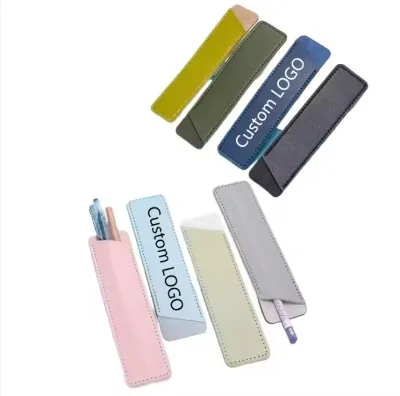
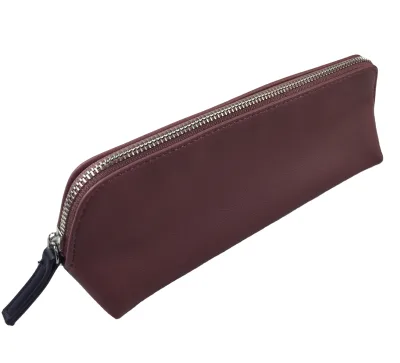
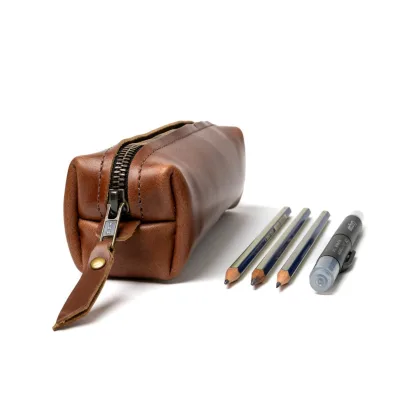
Custom Logo Leather Luxury Pencil Bag Pen Case Holder Handmade Pencil Case
$0.09 - $0.22
MOQ: 25 pieces


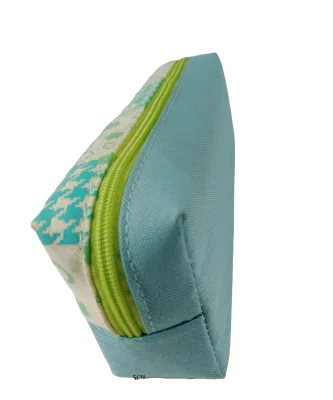
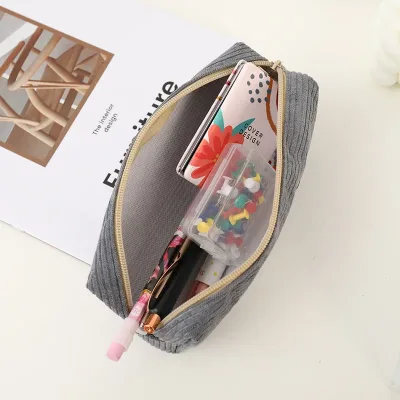
Casual Large Capacity Pencil Case Stationery Box Female Primary Junior Ins
$1.80 - $2.10
MOQ: 300 Pieces
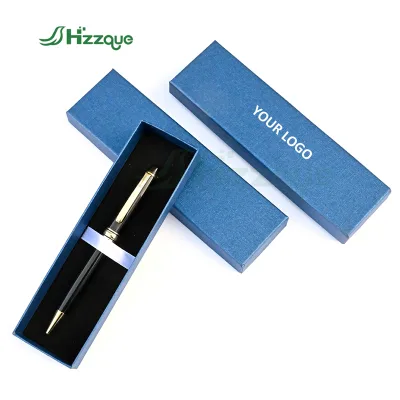
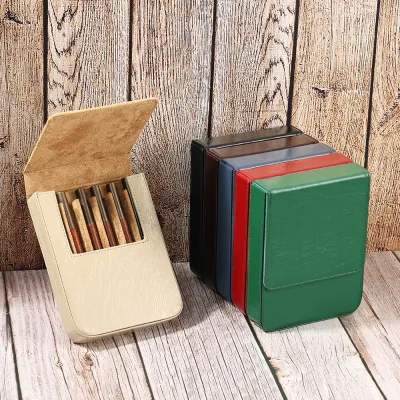
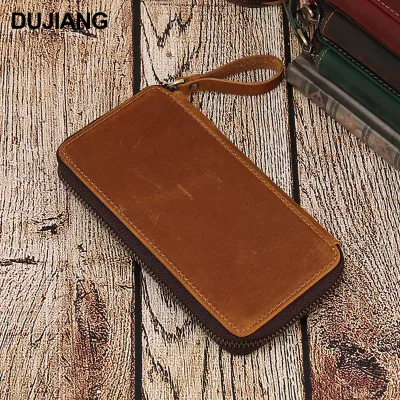


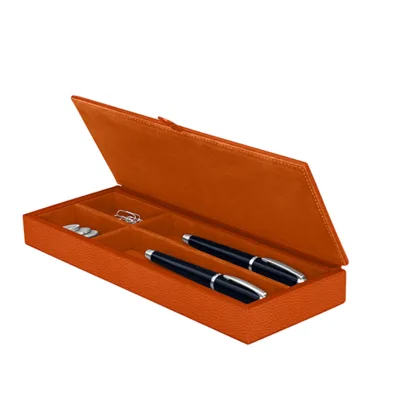
Luxury Genuine Leather Paper Clips, Staples, Two Pen Office Storage Cases with Flap
$5.1341 - $7.1877
MOQ: 300 pieces


Comprehensive Sourcing Guide
Luxury Black Leather Pencil Case Sourcing Guide
Sourcing high-quality leather accessories requires a disciplined approach to material verification and supplier transparency. Buyers must distinguish between genuine leather and synthetic alternatives, as the term "leather" can encompass various grades and treatments. The visual appeal of a black finish often masks underlying quality issues, such as uneven dyeing or poor edge painting. Therefore, initial due diligence should focus on requesting detailed material certificates and physical samples before committing to bulk orders. This step ensures that the tactile experience and durability match the premium positioning of the product.
Commercial negotiations in this sector are heavily influenced by customization requirements and order volume. Suppliers often adjust pricing based on the complexity of the printing techniques, such as silk screen printing, which may be applied for branding purposes. Understanding the minimum order quantity (MOQ) is critical, as it directly impacts the unit cost and inventory risk. Buyers should also consider the logistical implications of single-item packaging and gross weight, which affect shipping costs and storage efficiency. A clear understanding of these commercial terms prevents unexpected expenses during the final stages of procurement.
Product Scope and Observed Listing Signals
The current market landscape for leather pencil cases reveals a diverse range of product attributes and supplier capabilities. Observed listings indicate a price range from $0.09 to $18.53 USD, reflecting significant variation in material quality and brand positioning. The minimum order quantities vary widely, from as low as one piece to 5,000 units, catering to both small boutique orders and large corporate promotional campaigns. This disparity suggests that buyers can find options suitable for various budget constraints and volume requirements, provided they carefully evaluate the associated quality implications.
Specific product models observed include those with model numbers like 260902-01 and T-100529, each with distinct packaging dimensions and weights. For instance, one observed item has a single package size of 20.3x2x10.1 cm and a gross weight of 0.05 kg, while another measures 16.5x4.5x0.5 cm with a weight of 0.150 kg. These physical specifications are crucial for logistics planning and shelf-space optimization. Additionally, attributes such as closure type, color, and style provide insight into the functional and aesthetic design, helping buyers align product selection with their target market's preferences.
Technical Specifications to Verify
Verifying technical specifications is essential to ensure the product meets functional and aesthetic expectations. Buyers should confirm the exact material composition, distinguishing between full-grain, top-grain, and bonded leather, as these affect durability and appearance. The closure mechanism, often a zipper in leather cases, must be tested for smooth operation and longevity. Additionally, the printing technique, such as silk screen printing, should be evaluated for clarity and resistance to fading or peeling over time. These details directly impact the perceived value and usability of the final product.
Packaging and dimensional specifications also play a critical role in the procurement process. The single gross weight and package dimensions must be verified to calculate accurate shipping costs and storage requirements. For example, some listings specify a single item weight of 0.05 kg, while others indicate 0.150 kg, which significantly affects freight charges. Furthermore, the style and color options, such as black or yellow, should be confirmed against the buyer's brand guidelines. Ensuring these technical details are accurately documented in the purchase order prevents discrepancies during production and delivery.
Compliance and Safety Documentation
Compliance with international safety and environmental standards is paramount when sourcing leather goods. Buyers must request documentation verifying that the leather processing chemicals, such as dyes and tanning agents, comply with regulations like REACH or CPSIA, depending on the target market. These standards ensure that the product is free from harmful substances that could pose health risks to users. Without proper certification, buyers risk facing regulatory penalties and reputational damage in strict markets. Therefore, verifying compliance is a non-negotiable step in the sourcing process.
Additionally, intellectual property rights and branding compliance must be addressed, especially for customized products. If the supplier accepts customized logos, buyers must ensure that the design does not infringe on existing trademarks or copyrights. Clear agreements on logo usage and ownership should be established to avoid legal disputes. Furthermore, any promotional claims made by the supplier regarding the product's features or performance should be substantiated with evidence. This diligence protects the buyer from potential legal liabilities and ensures a smooth market entry.
Cost Drivers and Commercial Terms
Several factors influence the final cost of leather pencil cases, including material quality, customization complexity, and order volume. Higher-grade leather and intricate printing techniques typically command higher prices, while larger order volumes can reduce unit costs through economies of scale. Buyers should analyze the cost breakdown to understand how each component contributes to the final price. This transparency allows for more effective negotiation and budget planning. Understanding these drivers helps buyers make informed decisions that balance cost and quality.
Commercial terms such as payment methods, lead times, and return policies also impact the overall procurement cost. Suppliers may offer different payment terms based on the order size and relationship history. Lead times can vary significantly, with some products requiring 35-45 days for production, which affects inventory management and cash flow. Buyers should negotiate clear terms regarding delays and quality issues to mitigate risks. Additionally, understanding the sample time and production name helps in planning the procurement timeline accurately.
Supplier Qualification and Quality Control
Evaluating supplier qualifications is crucial for ensuring consistent product quality and reliable service. Buyers should verify the supplier's business license, production capacity, and quality management systems. Factories with established quality control processes are more likely to deliver products that meet specifications. Additionally, checking the supplier's history and customer reviews can provide insights into their reliability and responsiveness. This due diligence helps identify partners who can sustain long-term collaboration and meet evolving market demands.
Quality control measures should be implemented throughout the production process, from raw material inspection to final product testing. Buyers may consider hiring third-party inspection services to verify product quality before shipment. These inspections can identify defects such as stitching errors, material inconsistencies, or printing flaws. Establishing clear quality standards and acceptance criteria in the contract ensures that both parties have a shared understanding of expectations. Effective quality control minimizes the risk of receiving substandard products and reduces the need for costly returns or replacements.
Long-Term Procurement Checks
Sustaining a successful procurement relationship requires ongoing monitoring and evaluation of supplier performance. Buyers should regularly review key performance indicators such as on-time delivery rates, product quality consistency, and responsiveness to issues. These metrics provide a quantitative basis for assessing supplier reliability and identifying areas for improvement. Continuous feedback loops help maintain high standards and foster a collaborative environment. Regular audits and performance reviews ensure that the supplier remains aligned with the buyer's evolving needs and market expectations.
Additionally, buyers should stay informed about market trends and technological advancements in leather goods production. This awareness enables proactive adjustments to sourcing strategies and product designs. Building a diversified supplier base can mitigate risks associated with single-source dependencies. Furthermore, maintaining open communication channels with suppliers facilitates timely resolution of issues and strengthens the partnership. Long-term procurement success depends on a strategic approach that balances cost, quality, and reliability while adapting to changing market dynamics.
FAQs
What materials are used for the Luxury Black Leather Pencil Case?
The pencil cases listed are made from leather, with some fabric options also available. Leather models typically use a zipper closure and silk screen printing for logos or patterns. Because listings vary, buyers should confirm the exact leather type, lining, and hardware finish with each supplier before placing an order, especially when matching a premium brand image.
Can the pencil case be customized with a logo?
Yes, customization is available on listed models, and custom logos are accepted. Printing is commonly done with silk screen printing, which works well for simple logos on leather surfaces. Buyers should provide artwork files and confirm placement, size, and color with the supplier. Sample time is typically five to seven days, and production runs about thirty-five to forty-five days.
What is the minimum order quantity for a custom order?
Minimum order quantities vary by model. Some leather pen case listings show an MOQ of twenty-five pieces, while other pencil bag styles require five hundred pieces. Lower MOQs usually apply to standard black stock, and custom logo orders may carry different requirements. Always confirm the specific MOQ for the model and customization level you need before requesting a quotation.
How long does production and sampling take?
Sampling generally takes five to seven days after artwork confirmation, and mass production runs about thirty-five to forty-five days depending on order size and customization. Simple single-layer designs with silk screen printing usually move faster than double-layer or sewing-intensive styles. Buyers with fixed launch dates should build in shipping time and confirm the current production schedule with the supplier directly.
What sizes and packaging options are available?
Listed models vary in size, including compact cases around twenty by ten centimeters and larger double-layer styles near eighteen and a half by nine by ten centimeters. Packaging options include one piece per polybag or one bag in an OPP bag, suitable for retail or gift distribution. Confirm exact dimensions and packing configuration with the supplier since specifications differ by model.
Where are these pencil cases produced?
Listed products are manufactured in China, with production concentrated in Guangdong and Zhejiang provinces. These regions host many stationery and leather goods factories with established customization and printing capabilities. Buyers sourcing from these areas can often combine factory visits, sample requests, and shipments efficiently. Confirm the specific origin of each model with the supplier before ordering.
Which styles suit promotional gifting versus retail sale?
Simple single-layer pen case holders with printed logos work well for promotional activities and wholesale gifting, thanks to low weight and compact packaging. Lovely-styled fabric pencil bags in colors like yellow suit school and office retail channels. For a luxury black leather positioning, choose zipper-closure leather models with minimal printing. Match style, capacity, and branding method to your channel.
Can I get samples before committing to bulk production?
Yes, sample requests are a normal step, and typical sample preparation takes five to seven days. Ordering a sample lets you verify leather feel, zipper quality, stitching, and logo printing before mass production. Sample costs and shipping are usually charged separately and may be credited against bulk orders. Confirm the sample policy with each supplier when requesting quotations.