Source Luxury Flat Glass Dropper Bottle for Cosmetic Serum Perfume
Compare 30 Luxury Flat Glass Dropper Bottle options from verified Chinese manufacturers. Buyers can evaluate sizes from 5ml to 100ml, colors including amber and clear, and customization features for cosmetic, serum, and perfume applications; compare the available evidence and request quotations based on your requirements.
Updated
Key considerations
Products List
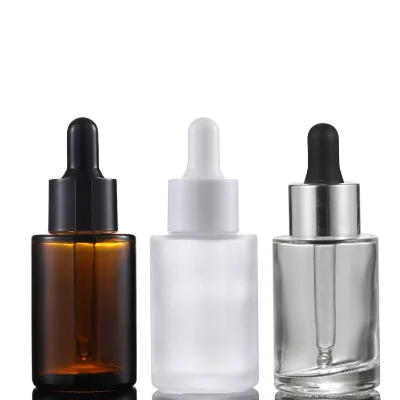


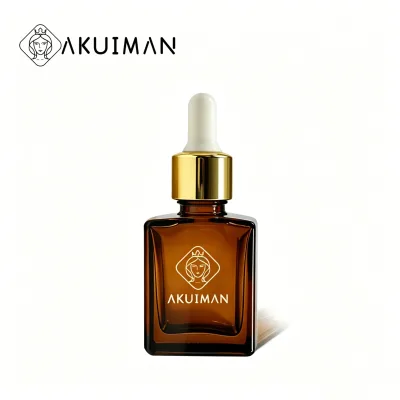


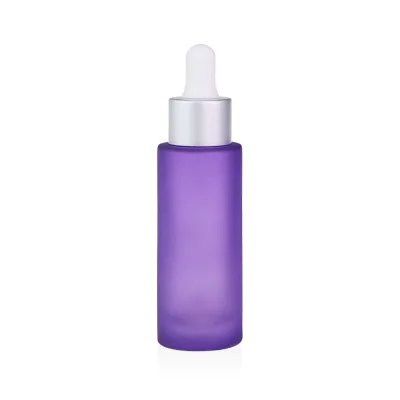
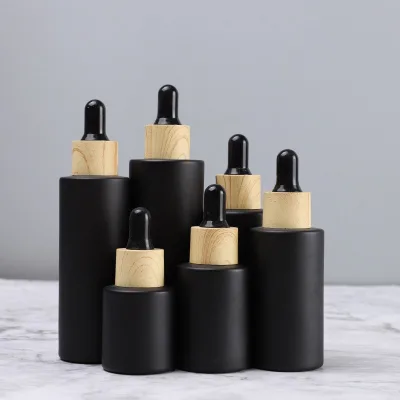
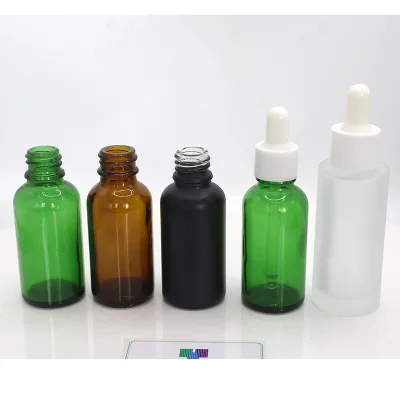
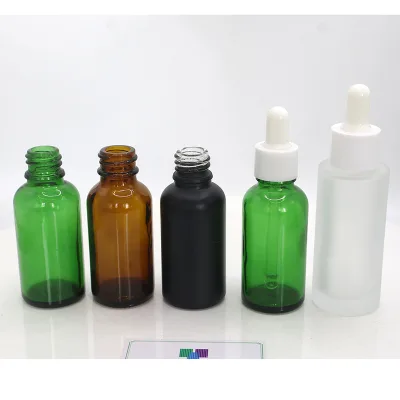


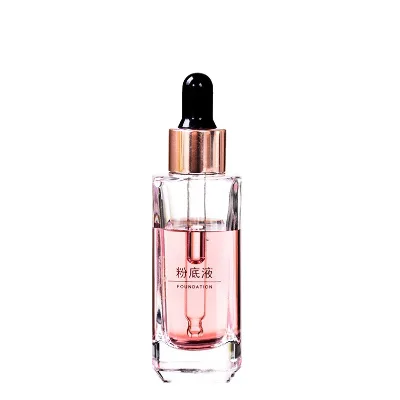

30ml Round Clear Glass Dropper Luxury Bottle with Dropper and Packaging Box
$0.02 - $0.15
MOQ: 5000 Pieces


Luxury 1oz 2oz pink Boston electroplated essential oil glass dropper bottle
$0.25 - $0.39
MOQ: 10000 Pieces


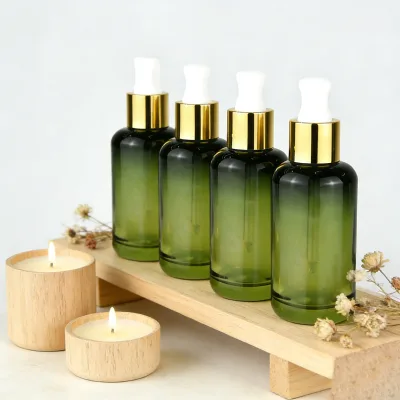
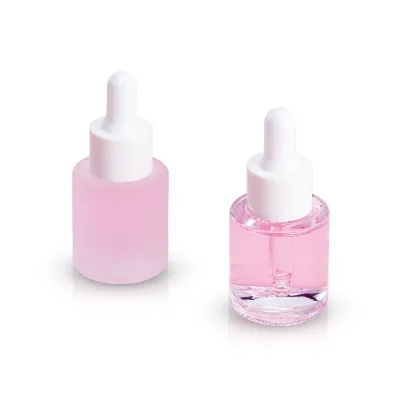
1 oz 15ml dropper flat shoulder glass bottle luxury glass cosmetic bottle gold cap and jar
$0.2573 - $0.2872
MOQ: 10000 pieces
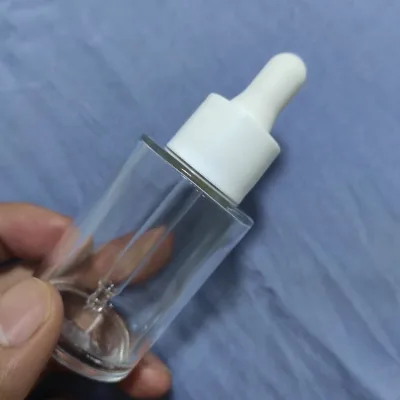
NBR Dropper 30ml 1oz Luxury Round Clear Frosted Glass Dropper Essence Bottle
$0.0513 - $0.1232
MOQ: 1 Minimum
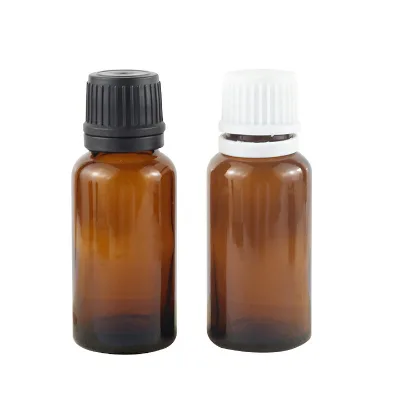
30ml Euro Dropper Bottle Empty Luxurious Brown Glass Bottle with White Black Plug
$0.041 - $0.0512
MOQ: 1 Minimum
Comprehensive Sourcing Guide
Luxury Flat Glass Dropper Bottle Sourcing Guide
A Luxury Flat Glass Dropper Bottle combines a low-profile, cylindrical glass body with a dropper closure, positioning it in the premium segment of cosmetic and skincare packaging. The supplied listings describe products explicitly named "Glass Dropper Bottle" in colors including amber, blue, clear, black, brown, and white, with volumes spanning 5 ml, 10 ml, 15 ml, 20 ml, 30 ml, 50 ml, and 100 ml. Stated uses cover cosmetic serum, beard oil, essential oil, perfume, lotion, and essence, which confirms this format serves high-value liquid products where precise dispensing and shelf presentation both matter.
Buyers entering this category should treat the flat, round glass body as the defining design element that differentiates it from standard tall dropper bottles. Because listings emphasize refillability, customized logos, OEM/ODM acceptance, and box or carton packaging, the category is clearly oriented toward brandable retail packaging rather than commodity containers. The guidance below follows the full procurement cycle, from specification verification through long-term supplier management.
Product Scope and Observed Listing Signals
The observed listings cluster around a consistent set of signals. Volumes are quoted both individually and as a standard series, with one listing stating "VOL=5ml 10ml 20ml 30ml 50ml 100ml" and another specifying "5ml 50ml 100ml." Capacity descriptions such as "5-50 ml" indicate a mid-range family rather than a single SKU. Closure details include screw caps and rubber stoppers as sealing types, and packaging is variously described as box, carton, carton/pallet, and paper pack. Model references such as "wyq-193," "sj388," and "Glass Dropper Bottle-6" suggest established catalog molds rather than one-off items.
Origins are listed as China and China Xuzhou, and commercial signals include MOQ values ranging from 1 to 10,000 pieces, free or provided samples, ISO certification referenced in at least one listing, and delivery times of 7-15 days with air, sea, and express shipment options. These are observations from individual listings, not guarantees that every product carries them. Buyers should treat each listing as a starting hypothesis and confirm which attributes—volume set, color, closure, packing, MOQ—actually apply to the specific SKU they intend to order.
Technical Specifications to Verify
Start with dimensional and material verification. Listings state glass as the material, thickness values of 0.5 cm through 3 cm for glass walls and 0.5 mm for a thinner component, so confirm which thickness applies to the body versus the pipette or collar. Verify actual filled volume against the nominal label—whether a "30 ml" bottle holds a full 30 ml to the fill line with the pipette inserted—because displacement from the dropper assembly can reduce usable capacity. Request drawings showing neck finish dimensions, since the dropper closure must match the bottle thread precisely.
Then verify the closure system and finish quality. Listings mention screw caps and rubber stoppers; confirm whether the rubber stopper is the primary seal or sits beneath a screw cap, and check bulb material compatibility with essential oils and serums, which can degrade inappropriate plastics. For a luxury presentation, inspect wall thickness uniformity, base flatness (critical for "flat" bottles on retail shelves), color consistency across amber, blue, clear, black, and white units, and surface treatment such as frosting or coating if quoted. Approve a golden sample before mass production.
Compliance and Safety Documentation
Because these bottles contact cosmetic and skincare formulations, buyers should request documentation appropriate to their destination market rather than assume compliance from a listing badge. One observed listing references ISO certification; ask for the specific certificate scope and whether it covers the production facility, the quality system, or both. Ask which food-contact or cosmetic-contact glass standards the material meets, and request test reports from an independent laboratory confirming the glass composition and the absence of restricted substances relevant to your market.
Equally important is closure safety documentation. The rubber stopper and any plastic collar or bulb come into contact with the product or its vapor, so request material safety data and migration or compatibility testing for oil-based serums and essential oils. If child-resistant or tamper-evident features are required in your jurisdiction, confirm the closure design supports them. Keep certificates on file with validity dates and verify that the certified factory is the one shipping your goods, since product pages do not establish which entity actually manufactures each listed item.
Cost Drivers and Commercial Terms
Unit cost in this category is driven by several identifiable factors. Volume is a primary driver—smaller 5 ml and 10 ml formats carry proportionally higher per-unit costs than 50 ml and 100 ml sizes due to handling and decoration costs on a smaller canvas. Color matters: clear glass is typically the base offering, while amber, blue, black, and brown glass may involve colored batch glass or coatings with different cost structures. Customization—customized logos, custom sizes, OEM/ODM tooling—adds mold and printing costs that must be amortized across your order quantity.
Commercial terms observed in the listings include MOQs from 1 to 10,000 pieces, free samples, 7-15 day delivery, and air, sea, and express shipping. Use the free sample to validate quality before committing, but budget for shipping and confirm whether sample costs are deducted from a subsequent order. Match shipping mode to urgency: express or air for samples and launch quantities, sea for replenishment. Confirm Incoterms, payment terms, and whether carton/pallet packing is included or quoted separately, since luxury packaging often requires inner boxes that affect both cost and freight volume.
Supplier Qualification and Quality Control
Qualify suppliers against the signals you can verify. One listing cites ISO certification and "Great" quality as an attribute—treat self-described quality as a claim to test, not evidence. Request factory audits or third-party inspection reports, confirm the manufacturer's experience with glass dropper bottles specifically (model numbers like "essential oil bottle" and "glass bottles" suggest catalog depth), and check whether the supplier accepts ODM/OEM work, which indicates in-house tooling and decoration capability. Verify production location, since one listing specifies China Xuzhou, a recognized glass manufacturing region.
For quality control, build an inspection plan around the attributes that define a luxury product. Inspect incoming glass for bubbles, streaks, chips, and dimensional variation; check dropper assembly function, including pipette straightness, bulb compression recovery, and seal integrity when inverted; and verify fill-line accuracy per the volume standard. AQL-based pre-shipment inspection is a reasonable baseline for consumer packaging. Because listings describe packaging as box, carton, or carton/pallet, specify protective inner packaging and test transit-worthiness, since glass breakage in transit is a common and preventable loss in this category.
Long-Term Procurement Checks
After initial orders, shift focus from sourcing to sustaining quality and supply continuity. Establish periodic requalification: re-verify certificates before their stated expiry, repeat dimensional checks when the supplier changes molds, and monitor color and weight consistency batch over batch, since glass furnace or batch-material changes can shift amber, blue, or black tones subtly enough to be visible on a retail shelf. Track defect rates from your own receiving inspections and share data with the supplier so corrective actions are documented rather than anecdotal.
Plan for capacity and product evolution. The observed volume series (5 ml through 100 ml) and customization options mean a qualified supplier can likely support line extensions, but confirm tooling ownership—who owns the mold for your customized bottle and logo, and whether transfer is permitted. Maintain at least a second qualified source for your core SKUs to hedge against production disruption, given delivery windows of 7-15 days may stretch during peak seasons. Review packing configurations annually: as your volumes grow, moving from carton to carton/pallet shipping can reduce breakage and freight cost, and renegotiating MOQ tiers becomes feasible with established order history.
FAQs
What materials and colors are available for glass dropper bottles?
Glass dropper bottles are manufactured from high-quality glass material. Available colors include white, clear, amber, blue, black, and brown. These options allow buyers to select packaging that best suits their brand identity and product protection needs, such as using amber glass for light-sensitive essential oils or serums.
Which volume capacities are offered for these cosmetic bottles?
Standard volume capacities range from 5ml to 100ml. Specific options include 5ml, 10ml, 15ml, 20ml, 30ml, 50ml, and 100ml. Custom sizes are also available upon request. These capacities cater to various applications, including perfumes, essential oils, and cosmetic serums, ensuring precise dosing for end-users.
Can I customize the logo and packaging for bulk orders?
Yes, OEM and ODM services are acceptable for customization. Buyers can request customized logos and specific packaging solutions, such as boxes, cartons, or pallets. This flexibility supports brand differentiation. Minimum order quantities may apply for customizations, so it is advisable to confirm details with suppliers directly before placing large orders.
What certifications do these glass bottles typically hold?
Many suppliers provide glass dropper bottles with ISO certification. This indicates adherence to international quality management standards. Buyers should verify specific certification documents with individual manufacturers. Certifications ensure that the production processes meet safety and quality requirements, which is crucial for cosmetic and pharmaceutical packaging applications.
How long is the delivery time for these products?
The typical delivery time ranges from 7 to 15 days. This lead time applies to standard production and shipping arrangements. Buyers can choose from air, sea, or express shipment methods depending on urgency. Faster delivery options may incur additional costs, so planning ahead is recommended for timely inventory replenishment.
Are free samples available for quality testing before bulk purchase?
Free samples are often provided by suppliers for quality evaluation. This allows buyers to inspect the glass quality, dropper functionality, and seal integrity before committing to large orders. Some suppliers may charge for shipping or require a minimum order for free sample eligibility. Testing samples ensures the product meets your specific requirements.