Source UV Protective Roll-On Bottle for Cosmetics and Personal Care
Find and compare 30 UV protective roll-on bottle options from China. These plastic containers, available in 2.5ml to 15ml capacities, feature screw caps and roll-on applicators for skin care creams and cosmetics. Customization and screen printing are available; compare the available evidence and request quotations based on your requirements.
Updated
Key considerations
Products List


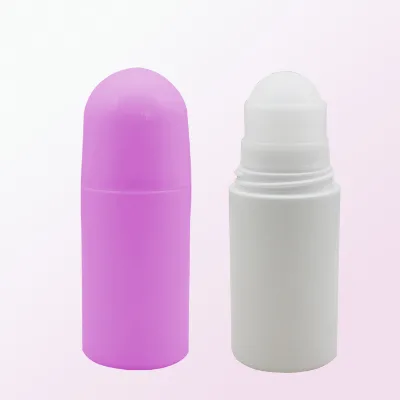
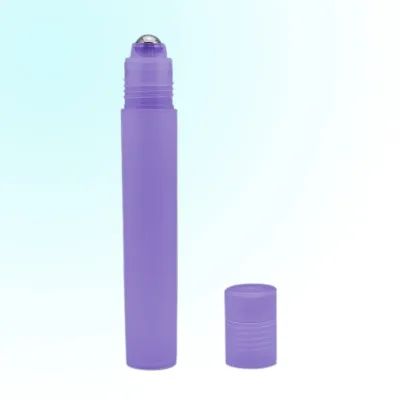
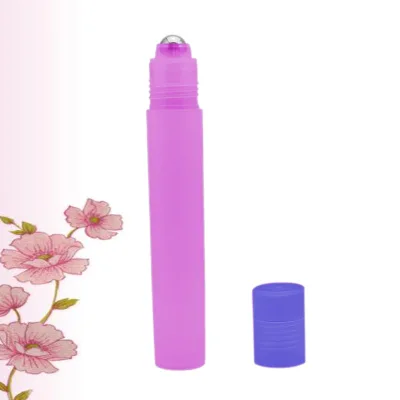
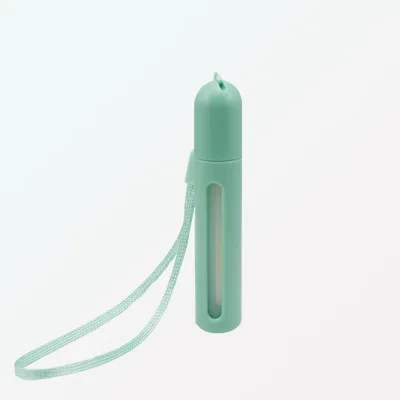
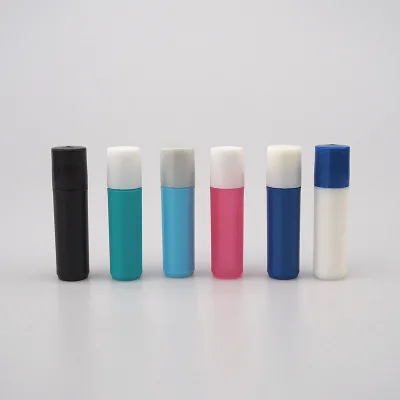
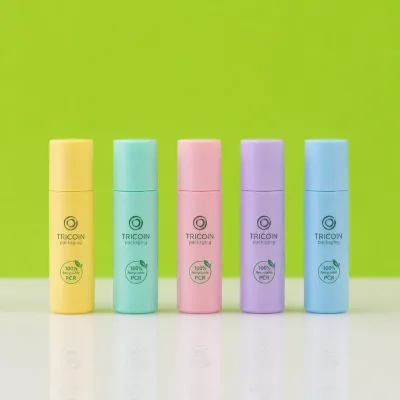
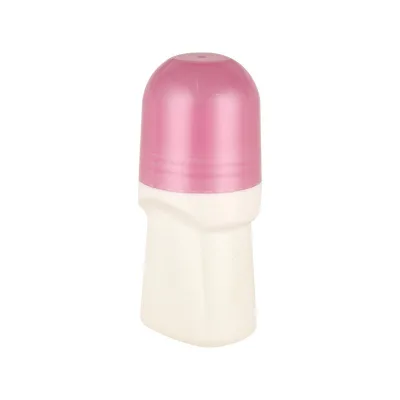


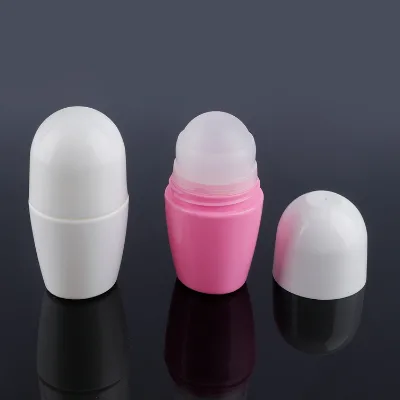
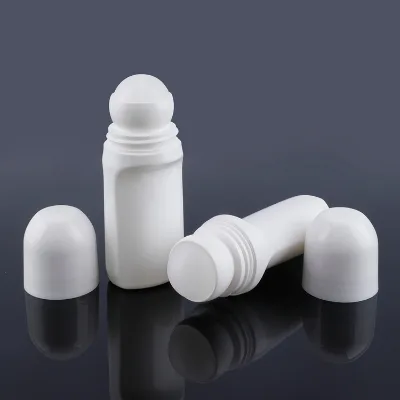
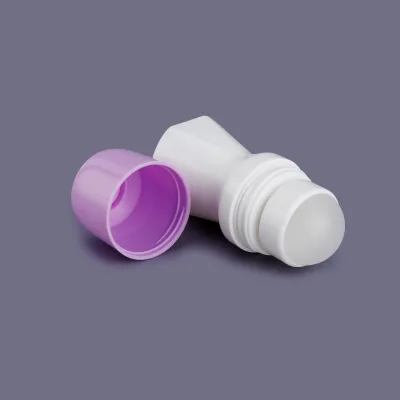

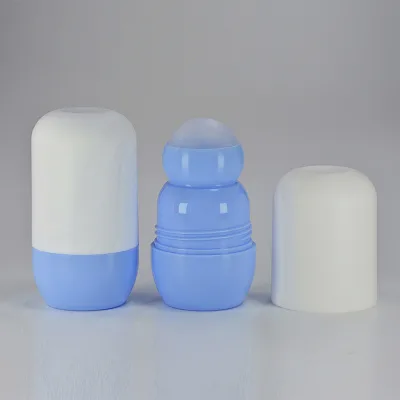
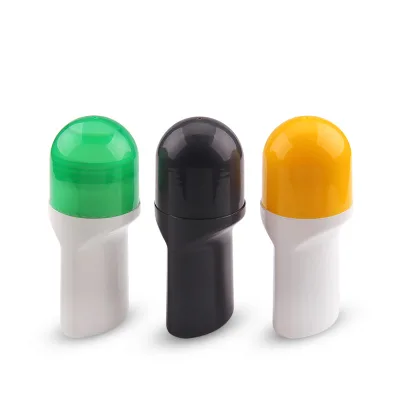


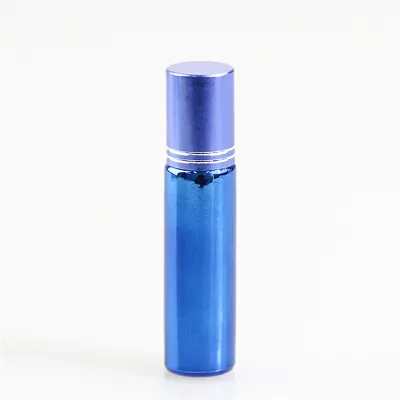
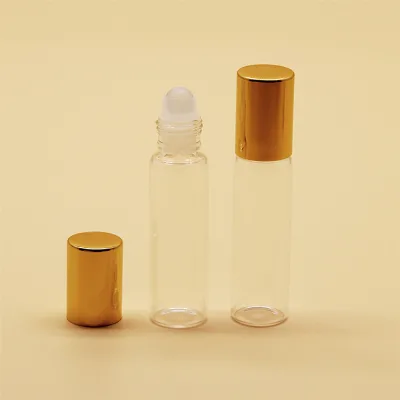
5ml 8ml 10ml Glass Roller Bottles with Screw Lids Roll-on Glass Bottles
$0.1661 - $0.187
MOQ: 10000 pieces

Comprehensive Sourcing Guide
UV Protective Roll-On Bottle Sourcing Guide
Sourcing UV protective roll-on bottles requires careful attention to material integrity and functional design, as these containers serve critical roles in personal care and cosmetics. The observed market data indicates a strong presence of plastic-based solutions, with polypropylene (PP) and high-density polyethylene (HDPE) being the primary materials identified in supplier listings. These materials are selected for their durability and chemical resistance, ensuring that the contents remain stable when exposed to light or varying environmental conditions. Buyers must recognize that "UV protective" often refers to the opacity or additive properties of the plastic itself, rather than a separate coating, which influences both the aesthetic and the protective efficacy of the final product.
The functional scope of these bottles extends beyond simple containment, as they integrate specific dispensing mechanisms like roll-on applicators that are essential for targeted application in skin care and personal care routines. The observed product range includes capacities from 2.5ml to 15ml, catering to concentrated serums, essential oils, or specialized cosmetic treatments. This variety allows procurement teams to match packaging to product viscosity and usage frequency. Understanding the interplay between the bottle’s structural material and its sealing type is crucial, as the roll-on mechanism must maintain a tight seal to prevent leakage while ensuring smooth, controlled dispensing of the product onto the skin.
Product Scope and Observed Listing Signals
The current market landscape for UV protective roll-on bottles reveals a diverse array of models, with specific identifiers such as RO-1102, SH-900-1B, and ROB-003 appearing in supplier catalogs. These model numbers often correspond to distinct dimensional standards, such as 19.4*86mm or various volume capacities like 5ml, 8ml, 10ml, and 15ml. Buyers should note that while some listings emphasize specific capacities, others offer a range of options within the same product line, allowing for flexibility in inventory management. The presence of these specific model codes suggests a standardized manufacturing approach, which can simplify the process of reordering and ensure consistency in packaging dimensions across different production batches.
Observations also highlight significant variation in packaging and origin details, with products originating from regions like Ningbo, Shandong, and Guangdong in China. Packaging formats range from layer-packed cartons to bulk configurations of 1000 pieces per carton, with dimensions such as 573840cm noted for larger shipments. This variability impacts logistics planning and storage requirements, making it essential for buyers to clarify packing details before finalizing orders. Additionally, the availability of customization options, including logo printing via silk screen or screen printing methods, indicates that many suppliers offer branding services, which is a key consideration for companies looking to enhance product visibility and brand recognition in competitive markets.
Technical Specifications to Verify
When evaluating technical specifications, the material composition of the bottle and its collar is a primary verification point. Suppliers list materials such as plastic PP and HDPE, which offer different levels of rigidity and chemical resistance. Buyers must confirm that the selected material is compatible with the specific formulation of the cosmetic or personal care product to prevent degradation or interaction. The thickness of the plastic, observed at 1 mm in some listings, contributes to the bottle’s durability and its ability to protect contents from external factors. Verifying these material properties ensures that the packaging will maintain its structural integrity throughout the product’s shelf life and during transportation.
The sealing mechanism and applicator type are equally critical technical aspects that require detailed verification. The observed sealing types include screw caps and roll-on applicators, each serving distinct functional purposes. Roll-on bottles typically feature a roller ball mechanism that allows for precise application, which is ideal for targeted treatments. Buyers should verify the compatibility of the roller ball with the bottle’s neck finish to ensure a secure fit and prevent leakage. Additionally, the standard dimensions, such as 19.4*86mm, must be checked against existing filling and capping equipment to ensure seamless integration into the production line, avoiding costly modifications or delays in the manufacturing process.
Compliance and Safety Documentation
Compliance with international standards is a fundamental requirement for sourcing UV protective roll-on bottles, particularly for products intended for cosmetic or personal care use. The observed data indicates that suppliers may hold ISO certifications, which serve as a baseline for quality management systems. Buyers should request documentation to verify the specific ISO standards held by the supplier, as this certification often reflects adherence to consistent manufacturing practices and quality control measures. Ensuring that the supplier maintains valid certifications helps mitigate risks associated with product defects and ensures that the packaging meets recognized industry benchmarks for safety and reliability.
In addition to general quality certifications, buyers must verify that the materials used in the bottles comply with relevant safety regulations for cosmetic packaging. This includes ensuring that the plastics, such as PP and HDPE, are free from harmful substances like BPA or other phthalates that could leach into the product. Suppliers should provide material safety data sheets (MSDS) or compliance certificates that confirm the inertness and safety of the packaging materials. Verifying these safety documents is essential to protect end-users and ensure that the final product meets regulatory requirements in target markets, thereby avoiding potential legal issues or product recalls.
Cost Drivers and Commercial Terms
Cost structures for UV protective roll-on bottles are influenced by several key factors, including material costs, production volume, and customization requirements. The observed minimum order quantities (MOQs) range from 10 to 30,000 pieces, with specific listings indicating MOQs of 10,000, 12,000, and 20,000 pieces. Higher volumes typically result in lower per-unit costs due to economies of scale, but buyers must balance this with their inventory capacity and cash flow constraints. Understanding the MOQ requirements is crucial for negotiating favorable terms and ensuring that the order size aligns with the company’s sales projections and storage capabilities.
Lead times and payment terms are also significant commercial considerations that impact the overall procurement process. The observed lead time for production is approximately 20 days, which buyers should factor into their supply chain planning to avoid stockouts. Additionally, sample policies, such as freight collect arrangements, affect the initial cost of evaluation. Buyers should clarify all commercial terms, including shipping costs and payment schedules, before placing orders. Transparent communication regarding these terms helps prevent unexpected expenses and ensures a smooth transaction process, allowing for accurate budgeting and timely delivery of the packaging materials.
Supplier Qualification and Quality Control
Supplier qualification is a critical step in ensuring the reliability and consistency of UV protective roll-on bottle supplies. Buyers should assess suppliers based on their production capabilities, quality control processes, and track record in the industry. The observed presence of multiple models and customization options suggests that many suppliers have versatile manufacturing lines capable of meeting diverse client needs. However, buyers must verify these capabilities through site audits or third-party inspections to ensure that the supplier can consistently meet quality standards and delivery schedules. Establishing a strong relationship with a qualified supplier reduces the risk of supply chain disruptions and ensures a steady flow of high-quality packaging materials.
Quality control measures should be implemented throughout the production process to identify and rectify defects early. Buyers should request quality inspection reports and conduct random sampling of received goods to verify compliance with specifications. Key quality indicators include the integrity of the roll-on mechanism, the accuracy of volume measurements, and the consistency of printing and branding. Implementing a robust quality control protocol helps maintain product standards and customer satisfaction. Additionally, establishing clear communication channels with the supplier for addressing any quality issues ensures that problems are resolved promptly, minimizing the impact on production and sales.
Long-Term Procurement Checks
Long-term procurement success depends on continuous monitoring of supplier performance and market trends. Buyers should regularly review supplier metrics, such as on-time delivery rates, defect rates, and responsiveness to issues. This ongoing evaluation helps identify potential risks and opportunities for improvement in the supply chain. Additionally, staying informed about changes in material costs, regulatory requirements, and technological advancements in packaging allows buyers to adapt their sourcing strategies proactively. By maintaining a dynamic approach to supplier management, companies can ensure that their packaging supply remains reliable, cost-effective, and aligned with evolving market demands.
Sustainability and innovation are increasingly important factors in long-term procurement decisions. Buyers should explore opportunities to source eco-friendly materials or designs that reduce environmental impact, as consumer preferences shift towards sustainable products. Engaging with suppliers who prioritize innovation can lead to the adoption of new technologies or materials that enhance product protection and user experience. Regularly revisiting procurement strategies and supplier relationships ensures that the company remains competitive and responsive to market changes. By focusing on long-term value creation, buyers can build a resilient supply chain that supports business growth and customer satisfaction over time.
FAQs
What materials are used for these plastic roll-on bottles?
The bottles are primarily made from plastic, with specific components constructed from HDPE collars and PP plastic bodies. This combination ensures durability and chemical resistance suitable for personal care and cosmetic applications. The materials are selected to maintain integrity during storage and transport while providing a secure seal for the product contents.
Can I customize the logo on these roll-on bottles?
Yes, customization is available for these products. Buyers can opt for screen printing or silk screen printing to add their logo to the bottle surface. This allows for brand identification and professional presentation. The customization options support various design requirements, ensuring that the final product aligns with your specific branding guidelines and marketing needs.
What is the minimum order quantity for these bottles?
The minimum order quantity varies by supplier, typically ranging from 10,000 to 20,000 pieces. Some suppliers may accept lower MOQs starting at 10 pieces for samples, while others require larger bulk orders. Buyers should verify the specific MOQ with their chosen supplier to ensure it aligns with their procurement volume and budget constraints.
What capacities are available for these plastic roll-on bottles?
Available capacities include 2.5ml, 5ml, 10ml, 15ml, and 40ml options. Specific models like the RO-1102 offer 7ml capacity, while others support 15ml volumes. These sizes cater to various cosmetic and skincare product requirements, allowing buyers to select the appropriate volume for their specific formulation and packaging needs.
How long is the lead time for production?
The standard lead time for production is approximately 20 days. This timeframe allows for manufacturing, quality control, and preparation for shipment. Buyers should account for this duration when planning their inventory and supply chain logistics to ensure timely delivery and avoid stockouts for their cosmetic or personal care products.
Where are these roll-on bottles manufactured?
These bottles are manufactured in China, with specific origins including Ningbo, Shandong, and Guangdong provinces. This geographic concentration provides access to established supply chains and manufacturing expertise. Buyers can leverage these locations for efficient sourcing and potentially reduced logistics costs when importing these cosmetic packaging solutions.