Source Matte Glass Dropper Perfume Bottle for Cosmetics
Find 30 Matte Glass Dropper Perfume Bottle options from China. Compare 5ml to 100ml capacities, glass types, and customization services for cosmetics and essential oils. Evaluate MOQs, lead times, and surface treatments to select the right packaging solution for your brand needs.
Updated
Key considerations
Products List


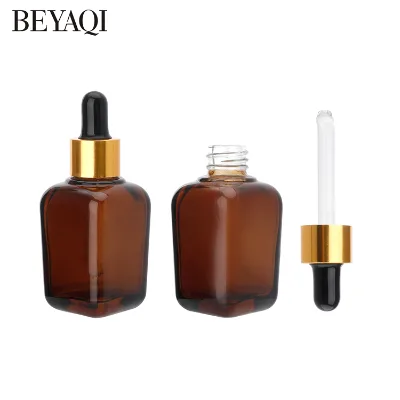


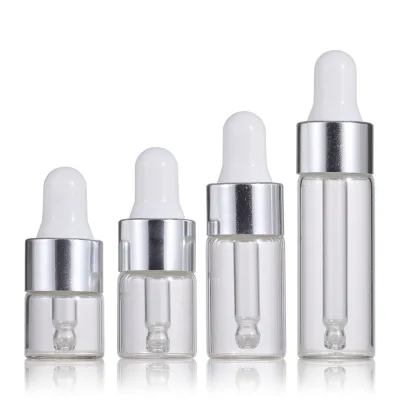
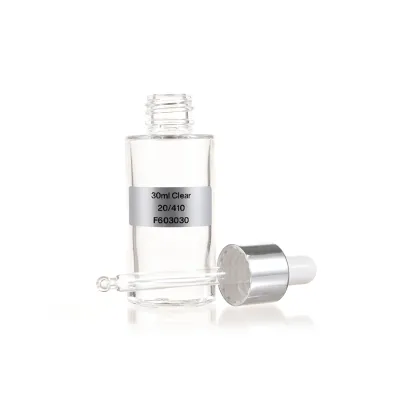
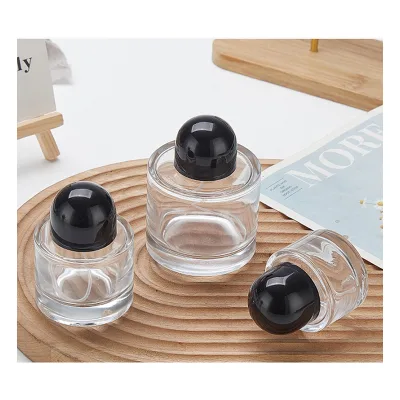
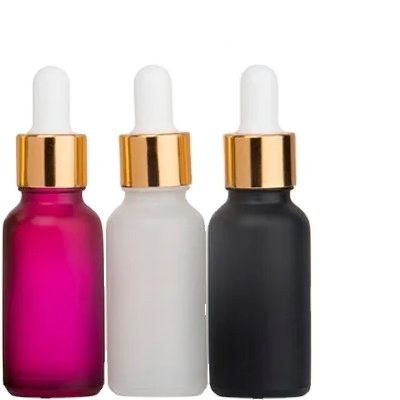
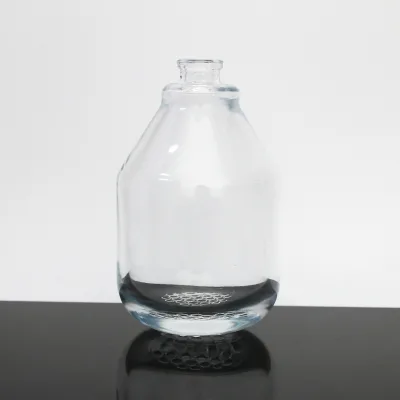

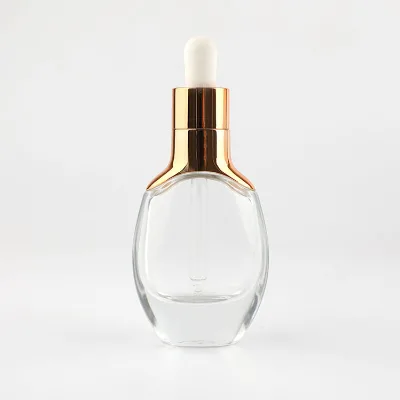
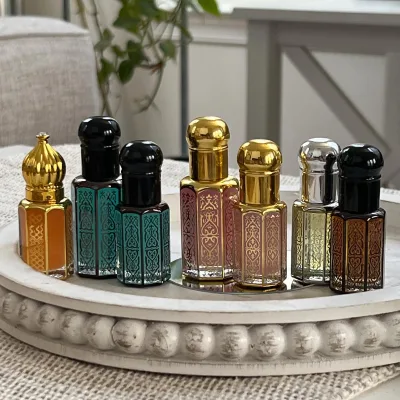


Comprehensive Sourcing Guide
Matte Glass Dropper Perfume Bottle Sourcing Guide
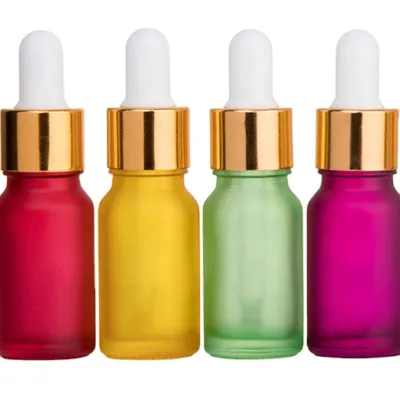
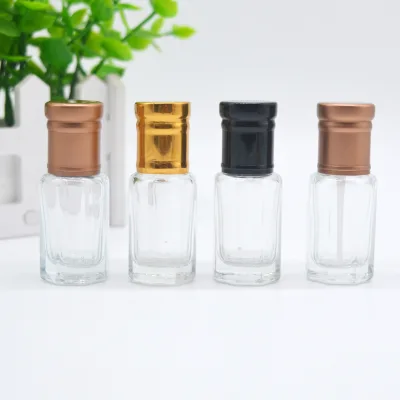
Sourcing matte glass dropper perfume bottles requires a careful balance between aesthetic appeal and functional integrity, particularly when targeting the premium cosmetic and fragrance markets. Buyers must navigate a landscape where visual finish, such as frosted or gradient effects, directly impacts perceived value and shelf presence. The observed market signals indicate a strong preference for cylindrical and round bottle shapes that accommodate standard dropper mechanisms, ensuring a seamless user experience for essential oils and perfumes. Understanding these visual and structural preferences is the first step in defining accurate procurement specifications.
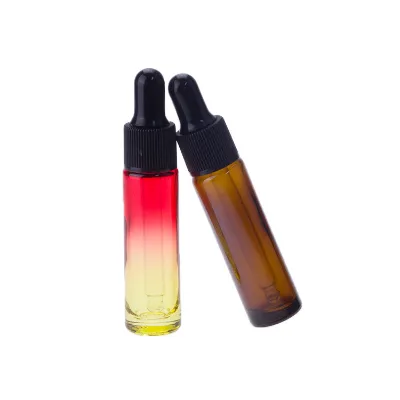
The procurement process also demands attention to capacity variations and material consistency, as suppliers often offer a range of sizes from 5ml to 100ml within the same product line. While the core keyword emphasizes matte finishes, observed listings reveal a diversity of color options, including black, green, and mixed gradient tones, which may influence inventory planning. Buyers should verify whether the matte texture is achieved through frosted surface treatments or specific glass compositions, as this distinction affects both durability and the ability to apply additional branding through screen printing or labeling processes.
Product Scope and Observed Listing Signals
The current market for matte glass dropper bottles exhibits a wide range of capacities, with observed models spanning from 5ml to 100ml, allowing for flexible packaging strategies across different product tiers. Listings frequently highlight specific volume increments such as 10ml, 15ml, and 30ml, which are standard for sample sizes and full-size fragrance offerings. This variety enables buyers to source a unified packaging line for diverse product portfolios, ensuring brand consistency while accommodating different price points and usage volumes in the personal care and chemical sectors.
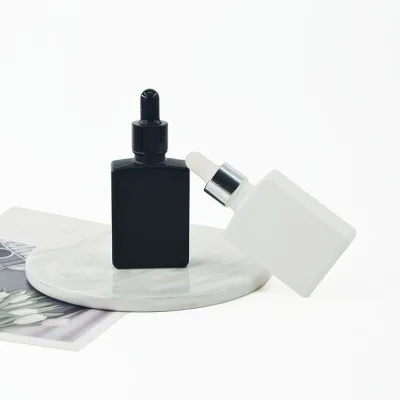
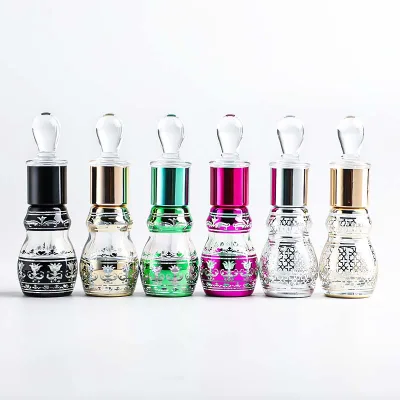
Visual attributes play a critical role in product selection, with observed listings showcasing gradient, black, green, and mixed color options alongside frosted surface treatments. The presence of screen printing and labeling capabilities indicates that these bottles are designed for high customization, allowing brands to integrate their identity directly onto the glass surface. Buyers should note that while some listings specify a single color, others offer extensive customization, requiring clear communication of color codes and finish preferences to avoid discrepancies between samples and bulk production runs.
Technical Specifications to Verify
Verifying the glass type and thickness is essential to ensure the bottle can withstand the pressure of dropper mechanisms and the weight of the liquid contents. Observed specifications indicate the use of soda-lime glass with a thickness of 0.6mm, which provides a balance between durability and material cost. Buyers must confirm that this thickness is consistent across all capacities in their order, as thinner glass in larger volumes may compromise structural integrity during shipping or handling, leading to higher breakage rates and increased waste.
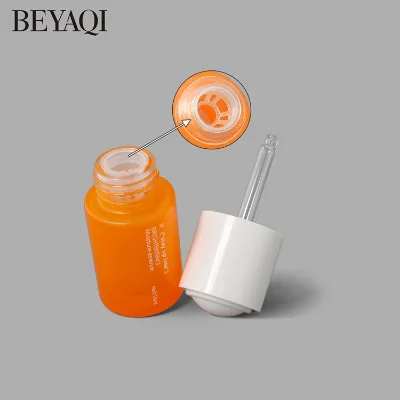
The sealing mechanism and cap type are equally critical, with observed listings specifying both dropper and screw cap options depending on the specific model. It is vital to verify the compatibility between the dropper assembly and the bottle neck to prevent leakage, a common issue in perfume and essential oil packaging. Additionally, buyers should assess the single package dimensions and gross weight, such as the observed 47x38x26 cm carton size and 0.060 kg unit weight, to optimize logistics planning and calculate accurate freight costs for international shipments.
Compliance and Safety Documentation
While specific certification statuses may vary by supplier, buyers should prioritize suppliers who adhere to international safety standards for cosmetic packaging materials. The observed context mentions REACH compliance as a background factor, suggesting that European market entrants must ensure their glass and ink materials meet strict chemical safety regulations. Buyers should request documentation proving that the glass and any surface treatments, such as frosted finishes or screen-printed inks, are free from harmful substances that could leach into the product or pose health risks to consumers.
Quality assurance processes should also be verified, with observed listings indicating that products are marked as "Qualified" and that samples are provided freely for evaluation. Buyers should establish a clear protocol for sample approval, ensuring that the matte finish, color accuracy, and dropper functionality meet their exact requirements before authorizing bulk production. This step is crucial for mitigating the risk of receiving non-conforming goods, especially when dealing with customized colors or specialized surface treatments that may have longer lead times for adjustment.
Cost Drivers and Commercial Terms
Pricing for matte glass dropper bottles is influenced by several factors, including capacity, color complexity, and the extent of customization required. Observed price ranges in the market span from $0.02 to $2.29, reflecting the diversity from simple clear bottles to complex gradient or frosted designs with custom branding. Buyers should analyze the cost structure to understand how surface treatments and color variations impact the unit price, allowing for more accurate budgeting and margin calculations for their final products.
Minimum Order Quantities (MOQs) vary significantly, with observed ranges from 10 to 10,000 pieces, and some customized orders requiring MOQs of 20,000 pieces. This variability allows smaller buyers to test the market with lower initial commitments, while larger brands can benefit from economies of scale. Buyers must carefully align their order quantities with their sales forecasts to avoid excess inventory, while also considering the supplier's production capacity and lead times, which are observed to be around 25 days for standard orders.
Supplier Qualification and Quality Control
Evaluating supplier capabilities involves assessing their production processes, particularly their ability to handle surface treatments like frosted finishes and screen printing consistently. Buyers should inquire about the supplier's quality control measures, including how they inspect for defects in the glass and the alignment of the dropper mechanisms. The availability of free samples, as observed in several listings, provides an opportunity to test the supplier's responsiveness and the quality of their initial output before committing to a larger purchase.
Packaging details are another critical aspect of supplier qualification, with observed listings specifying standard safety export cartons and palletized options. Buyers should verify that the supplier uses robust packaging methods to prevent breakage during transit, given the fragile nature of glass products. Additionally, confirming the supplier's experience in exporting to your target market can provide insights into their familiarity with international shipping requirements and their ability to handle customs documentation efficiently.
Long-Term Procurement Checks
Establishing a long-term partnership with a glass bottle supplier requires regular performance reviews and continuous quality monitoring. Buyers should track metrics such as defect rates, delivery punctuality, and the consistency of color and finish across multiple orders. The observed customization options, including available OEM services, suggest that suppliers are capable of adapting to changing brand needs, but buyers must maintain clear communication channels to ensure that any adjustments in design or volume are executed without disruption.
Sustainability and supply chain resilience are also key considerations for long-term procurement. Buyers should assess the supplier's ability to source raw materials consistently and their commitment to environmentally friendly practices, which are increasingly important in the cosmetic industry. By maintaining a diversified supplier base and regularly evaluating performance, buyers can mitigate risks associated with supply chain disruptions and ensure a steady supply of high-quality matte glass dropper bottles for their products.
FAQs
What glass types are used for matte dropper bottles?
Soda-lime glass is the standard material used for these containers. This type of glass provides durability and chemical resistance suitable for cosmetics and essential oils. The surface treatment can include frosted or matte finishes to enhance aesthetic appeal while maintaining structural integrity for various liquid products.
Can I customize the color of the glass dropper bottle?
Yes, customization is available for these glass dropper bottles. Buyers can select from mixed colors, gradients, black, green, or any specific color requirement. Custom orders typically require a minimum order quantity of 20,000 pieces, allowing brands to align packaging with their unique identity and market positioning.
What is the minimum order quantity for these bottles?
The minimum order quantity varies by product specification and customization level. Standard items may have an MOQ of 150 pieces, while custom color orders often require 10,000 to 20,000 pieces. This flexibility supports both small-scale testing and large-volume production runs for global cosmetic and perfume brands.
How long is the delivery time for bulk orders?
The standard delivery time for bulk orders is approximately 25 days. This timeline applies to production and preparation after order confirmation. Buyers should account for this lead time when planning inventory, especially for customized designs or large capacity orders requiring specific packaging and quality assurance processes.
What capacities are available for these perfume oil bottles?
Available capacities range from 5ml to 100ml, including 10ml, 15ml, 20ml, 30ml, and 50ml options. The 10ml cylinder shape is a common choice for perfume and essential oil packaging. These sizes cater to various industrial uses, including cosmetics, personal care products, and chemical applications.
Are free samples provided for quality verification?
Free samples are provided to allow buyers to verify quality before placing bulk orders. Typically, two to three free samples are available for evaluation. This service helps purchasers assess the glass quality, dropper functionality, and surface treatment finish, ensuring the product meets their specific industrial and cosmetic requirements.