Source Luxury Handmade Yellow Heart Box for jewelry, gifts, and storage
Compare 30 listings for the Luxury Handmade Yellow Heart Box designed for jewelry, gifts, and storage. These customizable options feature eco-friendly materials, velvet lining, and magnetic lids to suit various packaging needs.
Key considerations
Products List


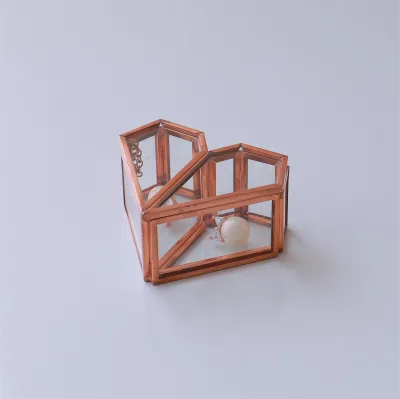
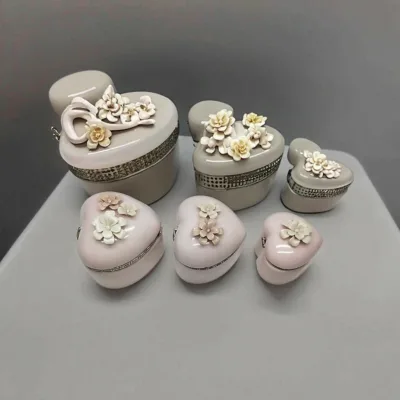


Comprehensive Sourcing Guide
Strategic Sourcing Guide for Luxury Handmade Yellow Heart Boxes
Defining Product Specifications and Design Parameters
When sourcing luxury handmade yellow heart boxes, the primary objective is to align the physical attributes of the product with the high-end aesthetic and functional requirements of the buyer. Based on the available market data, the core product category encompasses folding boxes, lid-and-base configurations, and specialized shapes such as the heart-shaped variant. The defining characteristic of this category is the "handmade" designation, which implies a level of artisanal finishing that distinguishes these items from mass-produced, machine-stamped alternatives.
The material composition is a critical specification. The supply chain predominantly utilizes paper or cardboard as the base material, often reinforced to ensure structural integrity while maintaining a premium feel. For luxury applications, the weight of the material is a significant differentiator. While standard packaging may utilize lighter grades, the observed data indicates a specific weight attribute of 250, likely referring to GSM (grams per square meter) or a specific paper weight classification, which suggests a substantial, rigid feel suitable for high-value items. The color specification is explicitly "Custom Made" or "Customized," allowing buyers to source the specific "yellow" hue required for their branding, ranging from pale pastels to deep, rich golds.
The shape is a decisive factor in the "heart box" classification. The market data confirms the existence of heart-shaped designs alongside standard rectangular options. The dimensions for these custom-sized boxes vary significantly; observed standards include specific measurements such as 30×21×7.5cm for larger flat packing gift boxes and 555532mm for smaller, more compact units. However, the "Customized" standard is the most prevalent, indicating that buyers should expect to provide precise dimensional requirements rather than relying on a fixed catalog size. The opening mechanism is another technical specification to verify; options include magnetic lids combined with side drawers, pull-out mechanisms, or clamshell styles. The presence of a magnetic lid with a side drawer suggests a high-end unboxing experience, while the "flat packing" attribute indicates that the boxes are shipped disassembled to optimize logistics costs before being assembled by the end-user or the supplier's finishing team.
Compliance, Certification, and Material Safety Standards
In the luxury sector, compliance is not merely a regulatory hurdle but a brand assurance mechanism. The sourcing guide must prioritize verifying the certifications held by potential suppliers. The available data highlights ISO9001 as a standard certification present in the supply chain, which validates the supplier's quality management systems. Additionally, for products intended for food or cosmetic applications, the presence of ISO and HACCP standards is observed. These certifications are critical if the heart box is intended to hold edible gifts, chocolates, or cosmetic items, as they ensure the materials do not leach harmful substances.
Material safety is paramount, especially given the "Eco-Friendly" and "Recyclable" features observed in the product attributes. Buyers must verify that the paper and cardboard used are sourced from sustainable forests and that the inks used for the yellow coloring and any logo printing are non-toxic and compliant with international environmental regulations. The "Reusable & Eco-Friendly" feature suggests that the product is designed for multiple uses, which aligns with modern sustainability trends. However, the term "handmade" introduces variables in the finishing process. Buyers should request documentation regarding the adhesives and linings used. The data mentions "Velvet / Felt Lining," which adds a tactile luxury element but requires verification that these linings are free from harmful chemicals and are securely attached.
The origin of the products is primarily China, with specific mentions of Fujian and Zhejiang provinces. These regions are known for their paper and packaging industries. While the origin is a known fact, buyers must ensure that the specific factory meets the required environmental and labor standards. The "Standard Export Carton with Damp Proof Bag" packing method indicates that the supplier is aware of the need to protect the product during transit, which is essential for maintaining the pristine condition of handmade items. Buyers should verify that the damp-proof bags are made from materials that do not off-gas harmful volatiles that could affect the paper or the lining.
Cost Drivers and Pricing Dynamics
Understanding the cost structure of luxury handmade yellow heart boxes is essential for budgeting and negotiation. The observed price range in the market spans from 0.19 to 30 USD, a wide variance that reflects the diversity in size, complexity, and customization levels. The lower end of the spectrum likely corresponds to simple, smaller, or less customized units, while the upper end represents large, complex, or highly decorated boxes.
Several key factors drive the cost of these products. First, the "Handmade" aspect significantly increases labor costs compared to automated production. The inclusion of decorations such as "Handmade Lace & Fabric Flower" adds material and labor expenses. Second, the customization of the color to a specific "yellow" shade requires custom ink mixing and potentially separate printing plates, which adds to the setup costs. Third, the "Logo Printing" feature, which is standard in this category, adds a layer of complexity. If the printing is two-sided, as noted in the data, the cost increases due to the additional processing steps.
The Minimum Order Quantity (MOQ) is another critical cost driver. The observed MOQ range is 100 to 2000 units. For buyers with smaller volume requirements, the per-unit cost will be higher due to the fixed costs of setup and the "Sample Leadtime" of 3-5 working days. Conversely, larger orders benefit from economies of scale but require a higher upfront capital commitment. The "Bulk Production Time" of 15 working days is a standard timeline, but this can fluctuate based on the complexity of the design and the current workload of the supplier. Buyers should also consider the cost of the "Standard Export Carton with Damp Proof Bag" and palletization, which are included in the final landed cost.
Typical Applications and Usage Scenarios
The versatility of luxury handmade yellow heart boxes makes them suitable for a wide array of applications. The data lists specific usage categories including Arts and Crafts, Electronic Products, Jewelry, Food, Garment & Shoes, Greeting Cards, Letters, Gifts, Cosmetic, and Health Care Products. The heart shape and yellow color palette are particularly effective for romantic occasions, Valentine's Day, weddings, and anniversary gifts. The "Applicable Scene" data confirms usage in Jewelry, Gift, Shopping, Packing, and Festival contexts.
For the jewelry industry, the "Velvet / Felt Lining" and "Magnetic Lid + Side Drawer" features provide a secure and luxurious presentation for rings, necklaces, or earrings. The soft lining protects delicate items from scratches, while the magnetic closure ensures the box remains secure during transport. In the food sector, the "HACCP" and "ISO" certifications mentioned in the data make these boxes suitable for packaging premium chocolates, confectionery, or gourmet treats, provided the materials are food-safe. The "Reusable" feature is a strong selling point for eco-conscious consumers who wish to repurpose the box for storage or decoration after the initial gift is consumed.
The "Flat Packing" attribute is particularly advantageous for the e-commerce and retail sectors. It allows for efficient shipping and storage, reducing the carbon footprint associated with logistics. Once received, the boxes can be assembled and used for in-store displays or direct-to-consumer gifting. The "Design Trends" towards sustainability further enhance the appeal of these boxes in the cosmetic and health care markets, where brands are increasingly seeking eco-friendly packaging solutions that do not compromise on luxury aesthetics.
Supplier Evaluation and Verification Protocols
Selecting the right supplier is the most critical step in the procurement process. Given the "Handmade" nature of the product, buyers must evaluate the supplier's craftsmanship capabilities rather than just their production capacity. The data indicates that the products originate from China, specifically Fujian and Zhejiang. Buyers should verify the supplier's location and request a virtual or physical audit of their facilities to ensure they have the necessary artisanal workforce and equipment.
Key evaluation criteria include the supplier's ability to handle custom orders. The "Custom Order: Accept" attribute confirms that customization is a core competency, but buyers must assess the supplier's flexibility in handling complex designs, such as the specific yellow color matching and the application of handmade lace and fabric flowers. The "OEM" service capability is also a positive indicator, suggesting the supplier is experienced in working with brand-specific requirements.
Quality control is another vital aspect. Buyers should inquire about the supplier's internal quality assurance processes. The presence of ISO9001 certification is a baseline requirement, but buyers should also ask for specific quality control checklists related to the handmade elements. For instance, how are the fabric flowers inspected for defects? How is the alignment of the magnetic lid tested? The "Sample Leadtime" of 3-5 working days allows for a rapid evaluation of the product quality before committing to a bulk order. Buyers should always request a physical sample to verify the weight, texture, and overall finish of the box.
Quality Control and Long-Term Procurement Strategy
Implementing a robust quality control (QC) strategy is essential for maintaining the integrity of luxury handmade products. The QC process should begin with the raw materials. Buyers must verify the quality of the paper and cardboard, ensuring it meets the specified weight and rigidity standards. The "Damp Proof Bag" packing method should be inspected to ensure it effectively protects the product from moisture during transit, which is crucial for paper-based products.
For the handmade elements, such as the lace and fabric flowers, a visual inspection is necessary to check for consistency in stitching and attachment. The "Logo Printing" should be sharp, aligned, and free from smudging. The "Two-Sided" printing capability should be verified to ensure that the design is consistent on both sides of the box. The "Bulk Production Time" of 15 working days should be strictly adhered to, but buyers must also account for potential delays due to the complexity of the custom design.
Long-term procurement considerations involve building a strategic partnership with the supplier. Given the "Reusable & Eco-Friendly" features, buyers should discuss the supplier's commitment to sustainability and their ability to scale production while maintaining quality. The "Customized" nature of the product means that the supplier must be flexible enough to adapt to changing design trends and market demands. Establishing a clear communication channel for feedback and continuous improvement will help ensure that the luxury handmade yellow heart boxes continue to meet the buyer's high standards over time.
| Feature | Observation | Verification Requirement |
|---|---|---|
| Material | Paper/Card Board | Verify GSM/Weight (e.g., 250) and sustainability sourcing. |
| Shape | Heart-Shaped / Rectangle | Confirm custom dimensions (e.g., 555532mm). |
| Lining | Velvet / Felt | Check for chemical safety and attachment durability. |
| Certification | ISO9001, ISO, HACCP | Validate current certificates for food/cosmetic safety. |
| Packing | Flat Packing / Export Carton | Inspect damp-proof bag integrity and pallet stability. |
| Lead Time | 3-5 days (Sample) / 15 days (Bulk) | Confirm ability to meet deadlines during peak seasons. |
| Customization | Color, Logo, Size | Verify color matching accuracy and printing quality. |
By adhering to these guidelines, buyers can effectively source luxury handmade yellow heart boxes that meet the rigorous demands of the high-end market while ensuring compliance, quality, and sustainability.
FAQs
What customization options are available for luxury handmade yellow heart boxes?
Customization is available for size, color, and logo printing. Buyers can request specific yellow shades and dimensions like 30×21×7.5cm or fully custom sizes, with options for two-sided offset printing and handmade lace decorations.
Which certifications do these boxes meet for food and cosmetic use?
The boxes meet ISO9001, ISO, and HACCP standards. These certifications ensure material safety for food, cosmetic, and health care applications, confirming that the paper and inks comply with international environmental and safety regulations.
How long does it take to produce a bulk order of these boxes?
Bulk production typically takes 15 working days after sample approval. This timeline applies to orders meeting the minimum quantity requirements, which range from 100 to 2000 units depending on the specific design complexity.
Can these boxes be sourced from specific regions in China?
Yes, suppliers are located in Fujian and Zhejiang provinces. These regions are known for their paper and packaging industries, offering manufacturers capable of producing flat-packed, eco-friendly boxes with velvet or felt linings.
What is the minimum order quantity for custom luxury heart boxes?
The minimum order quantity ranges from 100 to 2000 units. This range allows flexibility for different buyers, with lower MOQs suitable for smaller batches and higher volumes reducing the per-unit cost significantly.
How are the boxes packed to ensure safety during shipping?
Boxes are packed in standard export cartons with damp-proof bags. This packaging method protects the paper and cardboard from moisture during transit, ensuring the handmade elements and linings arrive in pristine condition.