Source Luxury Handmade Wine Gift Box for Gifts, Weddings, and Festivals
Explore 30 options for a Luxury Handmade Wine Gift Box designed for premium packaging needs. Compare rigid cardboard and PU leather materials, custom sizes, and hot stamping finishes to find the ideal solution for your brand; compare the available evidence and request quotations based on your requirements.
Key considerations
Products List


Customized Luxury High Gloss Lacquer Wooden Wine Box for Elegant Gifts
$19.50 - $21.00
MOQ: 100 Pieces


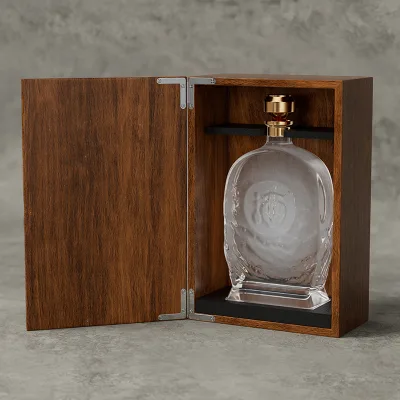


Comprehensive Sourcing Guide
Luxury Handmade Wine Gift Box Sourcing Guide
Sourcing high-end packaging for premium beverages requires a meticulous approach to material selection and artisanal craftsmanship. Buyers must prioritize suppliers who specialize in rigid structures, as these provide the necessary durability and premium feel associated with luxury branding. The market offers various configurations, from simple cardboard boxes to complex PU leather designs, each serving different brand positioning strategies. Understanding the distinction between mass-produced items and truly handmade pieces is critical for maintaining brand integrity and ensuring the unboxing experience aligns with the product's value proposition.
Procurement teams should evaluate suppliers based on their ability to handle complex customization requests, including logo printing and specific finishing techniques. The availability of OEM and ODM services indicates a supplier's flexibility in adapting to unique design requirements. However, buyers must verify that the "handmade" claim is substantiated by actual production processes rather than mere marketing terminology. This involves assessing the supplier's facility capabilities, their history with similar luxury clients, and their capacity to maintain consistent quality across large production runs without compromising the artisanal details that define the product.
Product Scope and Observed Listing Signals
The observed product landscape reveals a diverse range of packaging solutions, primarily centered around rigid cardboard and PU leather materials. Listings indicate a strong emphasis on aesthetic features such as hot stamping, lamination, and foil stamping, which are essential for creating a luxurious visual appeal. The presence of transparent covers and rayon silk cloth linings suggests a focus on protecting the bottle while enhancing the perceived value through tactile and visual richness. These elements collectively define the scope of luxury wine packaging, where functionality meets high-end design to create a memorable customer experience.
Market signals also highlight the importance of structural integrity and specific dimensions, with standard sizes like 262x205x90mm catering to single-bottle capacities. Buyers should note the variation in wood types, such as pine, which may be used for specific aesthetic or structural purposes. The prevalence of "simple" styles alongside "creative design" options indicates that luxury does not always equate to complexity; sometimes, minimalist elegance is preferred. Understanding these observed signals helps buyers align their procurement strategy with current market trends and consumer preferences for premium packaging solutions.
Technical Specifications to Verify
Verifying technical specifications is paramount to ensuring the packaging meets both functional and aesthetic requirements. Buyers must confirm the exact material composition, distinguishing between rigid cardboard, PU leather, and any internal linings like rayon silk cloth. The moisture content of paper-based materials, typically around 12%, is a critical factor in preventing warping or degradation during storage and transit. Additionally, the structural integrity of the box, including the strength of the corners and the fit of the lid, must be assessed to ensure it can withstand handling without compromising the product inside.
Surface handling techniques, such as hot stamping and lamination, require verification to ensure durability and visual consistency. Buyers should request samples to inspect the quality of foil stamping, checking for alignment, adhesion, and resistance to scratching. The presence of a transparent cover must be evaluated for clarity and durability, ensuring it does not yellow or crack over time. Furthermore, the accuracy of dimensions, such as the 262x205x90mm standard, must be confirmed to ensure compatibility with the specific wine bottle being packaged, avoiding issues with tight fits or loose assemblies.
Compliance and Safety Documentation
Compliance with international standards is essential for exporting luxury packaging to global markets. Buyers should verify that suppliers hold relevant certifications such as ISO 9001, SGS, and CE, which indicate adherence to quality management and safety standards. Additionally, certifications like BSCI, Sedex, and Reach demonstrate a commitment to ethical labor practices and environmental responsibility, which are increasingly important to luxury brands. These documents provide assurance that the supplier operates within legal and ethical frameworks, reducing the risk of supply chain disruptions due to compliance failures.
Environmental considerations are also critical, with buyers needing to check for certifications like FSC, which ensures that paper-based materials come from responsibly managed forests. While some listings mention FSC, buyers must verify the current status and scope of this certification for the specific products being sourced. Documentation regarding the safety of inks and adhesives used in printing and assembly should also be requested, ensuring they are non-toxic and suitable for contact with packaging materials. This due diligence helps mitigate risks associated with regulatory non-compliance and supports the brand's sustainability goals.
Cost Drivers and Commercial Terms
Cost drivers for luxury handmade wine boxes include material quality, customization complexity, and production volume. The use of premium materials like PU leather and rigid cardboard, along with intricate finishing techniques such as hot stamping and lamination, significantly impacts the unit price. Buyers should expect higher costs for custom designs, logo printing, and specific structural features like transparent covers or silk linings. Understanding these cost components allows for more accurate budgeting and negotiation, ensuring that the final price reflects the true value and quality of the packaging.
Commercial terms, including MOQ and lead times, vary based on the supplier's capacity and the complexity of the order. Observed MOQs range from 4 to 1000 pieces, with some suppliers requiring 500 or 1000 PCS for custom orders. Sample times typically range from 5 to 7 days, which is crucial for planning production schedules. Buyers should negotiate clear terms regarding payment, shipping, and quality assurance to avoid unexpected costs or delays. Understanding these commercial dynamics helps in selecting suppliers who can meet both budgetary and timeline constraints while maintaining high-quality standards.
Supplier Qualification and Quality Control
Supplier qualification involves assessing the manufacturer's experience, production capabilities, and quality control processes. Buyers should prioritize suppliers with a proven track record in luxury packaging, ideally those with 20 years of experience and a strong export history. Verifying the supplier's ability to handle OEM and ODM requests is essential, as it indicates flexibility and expertise in custom design. Additionally, buyers should inquire about the supplier's quality control measures, including in-process inspections and final product checks, to ensure consistency and defect-free output.
Quality control should extend to the verification of materials and finishes. Buyers must request detailed specifications for all materials used, including paper type, leather quality, and lining fabrics. Inspecting samples for defects such as misaligned stamps, uneven lamination, or structural weaknesses is crucial. Establishing a clear quality agreement with the supplier, including acceptable defect rates and remediation procedures, helps maintain high standards. Regular audits and feedback loops can further enhance quality control, ensuring that the supplier consistently delivers products that meet the brand's luxury expectations.
Long-Term Procurement Checks
Long-term procurement success depends on continuous monitoring of supplier performance and market trends. Buyers should establish key performance indicators (KPIs) for quality, delivery, and responsiveness, reviewing these metrics regularly to identify areas for improvement. Building a strong relationship with the supplier through open communication and collaborative problem-solving can lead to better service and innovation. Additionally, staying informed about emerging materials and design trends ensures that the packaging remains relevant and competitive in the luxury market.
Risk management is also vital for long-term procurement. Buyers should diversify their supplier base to mitigate risks associated with supply chain disruptions or quality issues. Regularly reviewing contracts and commercial terms ensures they remain favorable and aligned with business objectives. Furthermore, staying updated on regulatory changes and sustainability standards helps in adapting procurement strategies to meet evolving compliance requirements. By proactively managing these aspects, buyers can secure a reliable supply of high-quality luxury wine boxes that support their brand's growth and reputation.
FAQs
Can I get a Luxury Handmade Wine Gift Box with logo printing?
Yes, logo printing is available on these luxury handmade wine gift boxes. The products feature hot stamping and foil stamping finishes to ensure high-quality branding. You can choose from creative designs and simple styles to match your specific branding needs effectively.
What is the minimum order quantity for these wine boxes?
The minimum order quantity varies between 500 and 1000 pieces depending on the specific model selected. Some options require 500 pieces while others start at 1000 pieces. Buyers should verify the exact MOQ for their chosen design before placing an order.
How long does it take to receive samples for these boxes?
Sample preparation typically takes between 5 to 7 days for these luxury handmade wine gift boxes. This timeframe applies to both OEM and ODM design requests. Buyers can expect a quick turnaround to review the quality and finish before committing to a larger production run.
Which certifications do the manufacturers hold for these boxes?
Manufacturers hold several key certifications including ISO 9001, BSCI, Sedex, and Reach. These standards ensure quality management and ethical sourcing practices. The products also meet specific safety and environmental requirements to support international trade and compliance needs.
What materials are used to construct these luxury wine boxes?
These boxes are constructed from rigid cardboard and PU leather with a rayon silk cloth lining. Some variants feature a transparent cover and pine wood elements. The combination of materials ensures durability and a premium feel suitable for high-end gift packaging applications.
Can I customize the size and design of these wine boxes?
Yes, customization is available for size, design, and artwork on these luxury handmade wine gift boxes. The standard dimensions are 262x205x90mm but custom specifications can be arranged. Buyers can request creative designs and specific finishes to meet unique packaging requirements.
Where are these luxury wine gift boxes manufactured?
These boxes are manufactured in Dongguan, China, by experienced exporters. The production facilities have over 20 years of experience in the industry. This location allows for efficient logistics and access to a wide range of raw materials for high-quality box production.