Source Luxury Recycled Shopping Paper Bag with String Handle for Apparel, Shoes, and Promotion
Explore 30 listings for the Luxury Recycled Shopping Paper Bag with String Handle, featuring options in Kraft and Cardboard with custom logos and eco-friendly inks. Buyers can compare specifications like weight limits, thickness, and surface treatments to find the right packaging for apparel, shoes, and promotional events.
Key considerations
Products List


Custom Luxury Recycled Blue Paper Shopping Bag for Packaging with Handle
$0.04 - $0.09
MOQ: 30000 Pieces


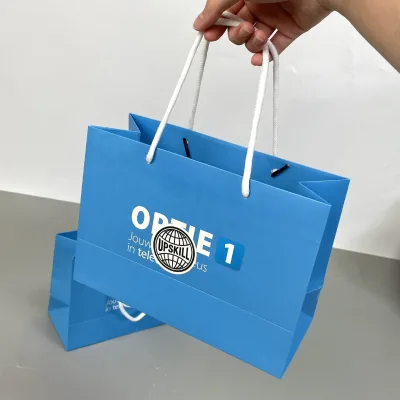


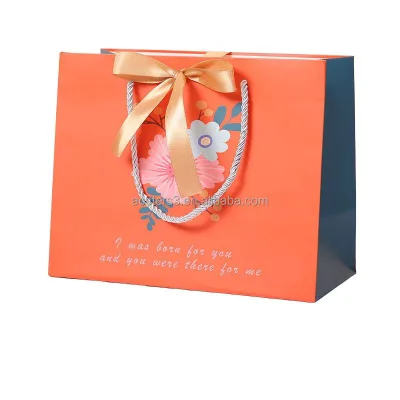


Recyclable Kraft Paper Bag with Twisted Handle Reusable Shopping Paper Bags
$0.50 - $0.70
MOQ: 500 Pieces


Comprehensive Sourcing Guide
Strategic Sourcing Guide for Luxury Recycled Shopping Paper Bags with String Handles
Defining Technical Specifications and Material Integrity
When sourcing luxury recycled shopping paper bags with string handles, the primary objective is to balance aesthetic appeal with structural reliability. The product category encompasses a diverse range of specifications, necessitating a rigorous definition of requirements before engaging with potential suppliers. The core material foundation typically involves Kraft Paper or Cardboard, each offering distinct characteristics regarding durability and visual texture. Kraft Paper is frequently cited for its natural brown appearance and high tear resistance, making it ideal for heavy-duty applications, while Cardboard variants often provide a smoother surface suitable for high-fidelity printing.
The structural integrity of the bag is heavily influenced by the paper thickness, which can range from 40GSM to 150GSM or be fully customized to meet specific load-bearing needs. Buyers must verify the hardness rating of the selected material; options generally fall into "Soft" or "Medium Soft" categories, which directly impact the bag's ability to maintain its shape when loaded. For luxury applications, the shape is often a Square Bottom Bag, providing a stable base that prevents tipping and enhances the premium presentation of the contents. The weight limit is a critical safety parameter, with observed specifications ranging from under 5 kg to a maximum capacity of 5-10 kg. Selecting a bag with a weight limit exceeding the intended product load is essential to prevent handle failure or bottom rupture during transport.
The handle mechanism is a defining feature of this product category. The "String Handle" configuration is preferred for its elegant, minimalist aesthetic and ease of carrying. These handles are typically twisted or attached with reinforced grommets to ensure they do not tear through the paper body under stress. The presence of a string handle is a mandatory attribute for this specific keyword, distinguishing it from flat or die-cut handle variants. Furthermore, the surface treatment plays a significant role in the luxury feel. Options such as Glossy or Matt Lamination, along with UV coating, are available to enhance the visual depth and tactile experience of the bag. These finishes not only protect the printed design but also add a layer of sophistication that aligns with high-end retail expectations.
Compliance, Certification, and Environmental Standards
In the realm of luxury packaging, compliance with environmental and safety standards is not merely a regulatory requirement but a brand value proposition. Buyers must prioritize suppliers who can provide verifiable documentation regarding the sustainability of their materials. The "Recycled" aspect of the core keyword implies a need for traceability in the supply chain. While specific certification statuses vary by supplier, the industry standard often includes FSC (Forest Stewardship Council) certification, which ensures that the paper originates from responsibly managed forests. Other critical certifications to verify include SGS, BRC, ISO9001:2015, and QS, which attest to quality management systems and product safety.
The ink used in the printing process is another vital compliance factor. To maintain the "eco-friendly" narrative essential for luxury and sustainable brands, the ink type should be Eco-Friendly Water-Based Soy Ink. This contrasts with traditional solvent-based inks that may contain volatile organic compounds (VOCs). The printing process itself, whether Flexo Printing or Full Color, must be compatible with these eco-friendly inks to ensure the final product meets environmental claims. The bag's feature set should explicitly include Bio-Degradable and Recyclable properties, confirming that the product can be processed through standard waste management streams after its lifecycle.
Buyers should also scrutinize the "Standard" attribute of the product. While some listings indicate a "customized" standard, others may adhere to specific international norms. It is imperative to request the specific standard documentation for the paper grade and the printing inks used. The absence of a specific standard in a product listing does not imply non-compliance, but it does require the buyer to request a declaration of conformity. For luxury goods, the packaging often serves as the first point of contact with the consumer; therefore, any failure in environmental claims can lead to significant reputational damage. Ensuring that the supplier can provide a Certificate of Analysis (CoA) for the recycled content percentage and the non-toxic nature of the inks is a non-negotiable step in the vetting process.
Cost Drivers and Pricing Dynamics
Understanding the cost structure of luxury recycled shopping paper bags is essential for accurate budgeting and negotiation. The observed price range in the market can be highly variable, often appearing as low as 0 to 0.9 USD per unit, but this figure is heavily dependent on volume and customization levels. The Minimum Order Quantity (MOQ) is a primary driver of unit cost, with observed ranges spanning from 1,000 to 50,000 pieces. Suppliers typically offer tiered pricing, where the unit cost decreases significantly as the order volume increases. For a luxury product, an MOQ of 10,000 to 20,000 pieces is common, reflecting the setup costs for custom molds, dies, and specialized printing plates.
Customization is a major cost factor. Attributes such as "Customized" logo, "Custom" design, and "Custom" thickness allow for brand differentiation but incur additional charges. The complexity of the printing process also influences cost; Full Color printing is generally more expensive than 8 Colors Flexo Printing due to the number of plates and ink layers required. Surface treatments like lamination and UV coating add to the production cost but are often necessary for the luxury finish. The origin of the product, typically the China Mainland or specific hubs like Shanghai, affects logistics costs and lead times, which indirectly impact the total landed cost.
The production process, whether Machine Molding or Handwork, also plays a role in pricing. Handwork processes, often used for intricate details or high-end finishes, command a premium over fully automated machine production. Buyers should be aware that the "Customized" standard and "Custom size available" options may require longer lead times, typically around 15 days after payment, which can affect inventory planning. Additionally, the packing method, such as Cartons and Pallets or Standard Shipping Cartons, adds to the overall cost but is necessary for safe transit. It is crucial to request a detailed breakdown of costs, separating material, printing, finishing, and packaging fees, to identify areas where savings can be achieved without compromising quality.
Typical Applications and Usage Scenarios
The versatility of luxury recycled shopping paper bags with string handles makes them suitable for a wide array of applications. The primary usage categories include Shopping, Promotion, Packing, Gift, and Household. In the retail sector, these bags are frequently used for Apparel, Shoes, and Accessories, where the aesthetic appeal of the bag complements the product's premium nature. The Square Bottom Bag shape is particularly advantageous for displaying items like cosmetics, jewelry, and high-end fashion, as it allows the bag to stand upright and showcase the branding effectively.
Promotional campaigns also benefit from these bags, as they serve as mobile advertising when customers carry them in public. The ability to apply a "Customized" logo and "Custom" design ensures that the bag reinforces brand identity. The "Eco-Friendly" and "Recyclable" features make them an excellent choice for brands aiming to communicate their commitment to sustainability. In the food and household sectors, the bags can be used for packaging gourmet items, gifts, or general household goods, provided the weight limit and material strength are appropriate for the contents.
The specific application dictates the required specifications. For heavy items like shoes or apparel, a bag with a higher weight limit (5-10 kg) and a "Medium Soft" hardness rating is preferable to ensure durability. For lighter items like cosmetics or gifts, a "Soft" hardness and lower weight limit (<5 kg) may suffice, allowing for a more delicate and elegant appearance. The choice of paper type, whether Kraft or Cardboard, should align with the brand's visual identity; Kraft Paper offers a rustic, natural look, while Cardboard provides a clean, modern canvas for full-color graphics. Understanding these application nuances helps buyers select the right product variant to meet their specific market needs.
Supplier Evaluation and Quality Control Protocols
Selecting the right supplier is critical for ensuring consistent quality and adherence to timelines. Buyers should evaluate suppliers based on their ability to meet the specific technical and compliance requirements outlined earlier. Key evaluation criteria include the supplier's experience with luxury packaging, their capacity for customization, and their track record with certifications like FSC, SGS, and ISO9001:2015. It is important to verify that the supplier has the necessary machinery for both machine molding and handwork processes, as this flexibility allows for the production of high-quality, detailed bags.
Quality control should be integrated into the procurement process from the design phase to final delivery. Buyers must establish clear acceptance criteria for paper thickness, color consistency, and print quality. The "Customized" nature of the product means that samples are essential before mass production. A rigorous sampling process should include testing the weight limit, handle strength, and surface finish to ensure they meet the specified standards. For instance, the twisted handles should be tested for tensile strength to prevent breakage under load. The surface treatment, such as lamination or UV coating, should be checked for adhesion and resistance to scratching.
Communication with the supplier is also a key factor in quality control. Buyers should maintain open lines of communication to address any issues that arise during production. Regular updates on the production status, including progress reports and quality inspection results, can help mitigate risks. It is advisable to request a pre-shipment inspection report from a third-party agency to ensure that the final products meet all agreed-upon specifications. This step is particularly important for large orders where the cost of defects is high. By implementing a robust quality control protocol, buyers can ensure that the luxury recycled shopping paper bags with string handles they receive are of the highest standard.
Long-Term Procurement Considerations and Strategic Planning
Sourcing luxury recycled shopping paper bags with string handles is not just a transactional activity but a strategic decision that impacts long-term brand value. Buyers should consider the scalability of their supply chain to accommodate future growth. As the brand expands, the demand for packaging will likely increase, requiring suppliers who can handle larger volumes without compromising quality or lead times. The observed lead time of about 15 days after payment is a benchmark that buyers should aim to maintain or improve through negotiation.
Sustainability is a long-term trend that will continue to influence consumer preferences. Buyers should plan for a future where environmental compliance becomes even more stringent. This involves building relationships with suppliers who are committed to continuous improvement in their sustainability practices. Investing in suppliers who can provide higher levels of recycled content or more advanced eco-friendly inks can future-proof the supply chain. Additionally, the customization capabilities of the supplier should be evaluated for their ability to adapt to changing design trends and brand requirements.
Inventory management is another critical consideration. Given the variability in MOQs, buyers must balance the cost benefits of larger orders with the risk of overstocking. A just-in-time (JIT) approach may be suitable for brands with fluctuating demand, while a more conservative stockpiling strategy might be necessary for those with predictable sales cycles. The packing method, such as Cartons and Pallets, should be optimized to maximize storage efficiency and minimize damage during transit. By taking a holistic view of procurement, buyers can ensure a reliable, sustainable, and cost-effective supply of luxury recycled shopping paper bags with string handles that support their brand's long-term success.
FAQs
What paper types are available for these bags?
Kraft Paper and Cardboard are the primary options available. Kraft Paper offers a natural brown appearance with high tear resistance, while Cardboard provides a smoother surface suitable for high-fidelity printing and luxury finishes.
Can I customize the logo and design on the bag?
Yes, both the logo and design can be fully customized to meet your brand requirements. Suppliers offer options for customized logos, custom designs, and specific thicknesses ranging from 40GSM to 150GSM or fully customized values.
What certifications do the eco-friendly bags hold?
Products often carry certifications such as FSC, SGS, BRC, ISO9001:2015, and QS. These documents verify that the paper originates from responsibly managed forests and that the manufacturing processes meet international quality and safety standards.
How much weight can the bag support safely?
The weight limit typically ranges from under 5 kg to a maximum capacity of 5-10 kg depending on the model. Selecting a bag with a weight limit exceeding your intended product load is essential to prevent handle failure.
What is the minimum order quantity for production?
Minimum order quantities vary significantly, with observed ranges spanning from 1,000 to 50,000 pieces. Specific listings indicate MOQs of 1,000, 10,000, or 20,000 pieces, often influencing the unit cost through tiered pricing structures.
How long does it take to receive the order?
The delivery date is typically about 15 days after payment is received. This lead time may vary based on the complexity of customization, the specific production process used, and the shipping method selected for the cartons and pallets.