Source Luxury Slate Food Display Stand for Hotels, Buffets, and Catering
Find 30 Luxury Slate Food Display Stand options from Guangdong suppliers. Compare stainless steel and slate materials, round and square shapes, and gold or silver finishes for hotel, buffet, and catering applications; compare the available evidence and request quotations based on your requirements.
Updated
Key considerations
Products List

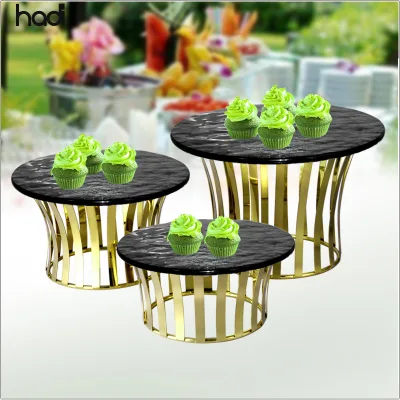
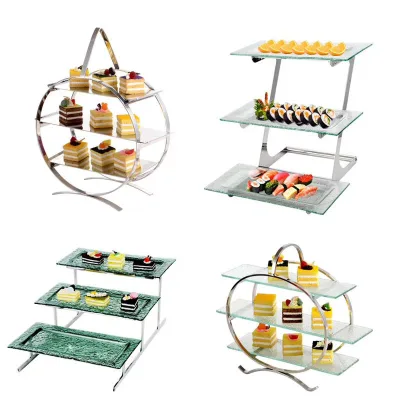
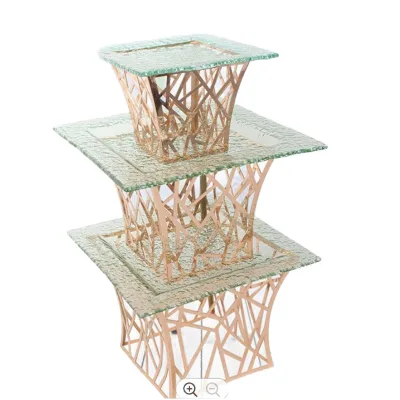
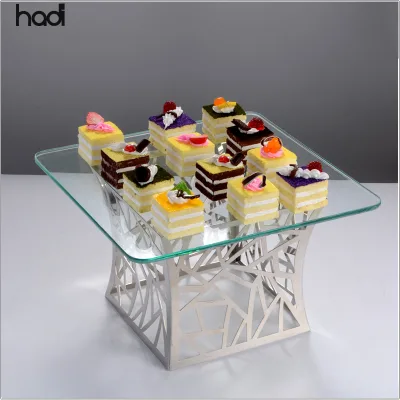
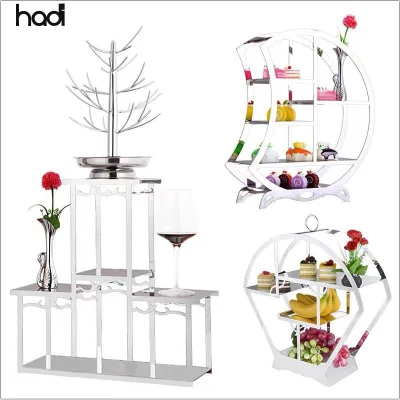
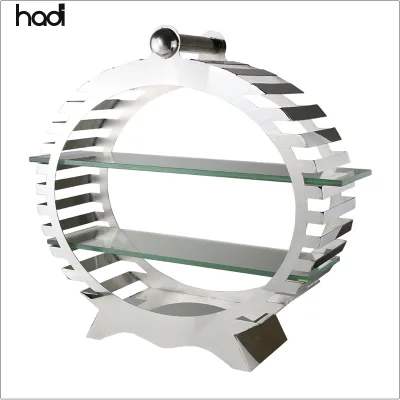


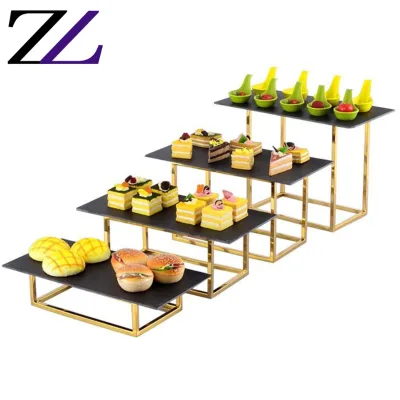
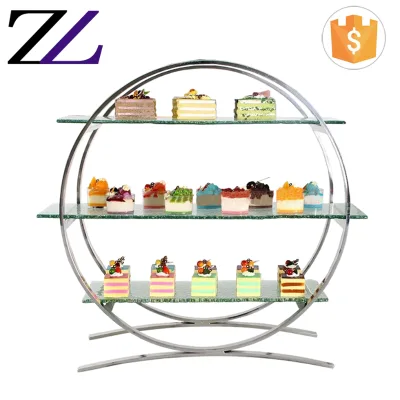
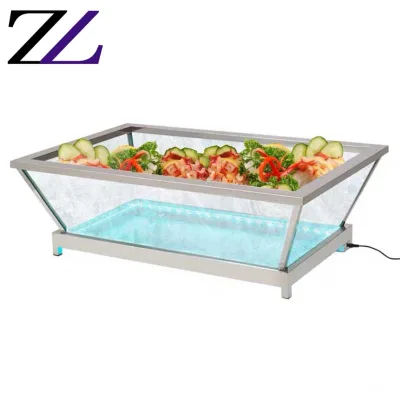

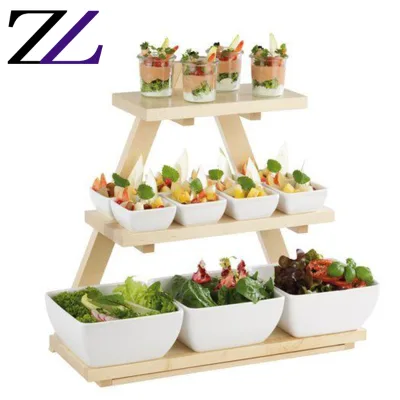
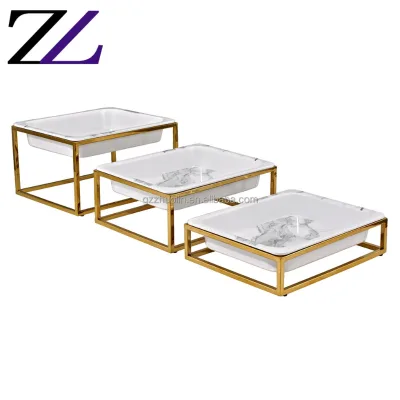
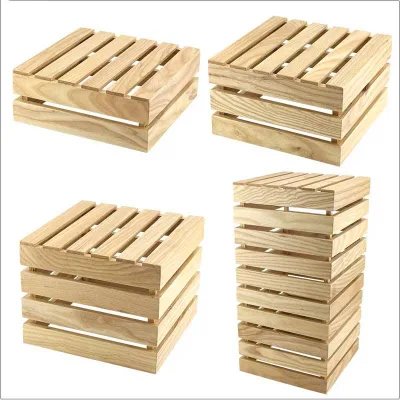
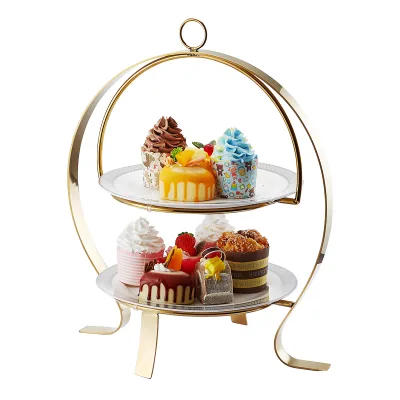
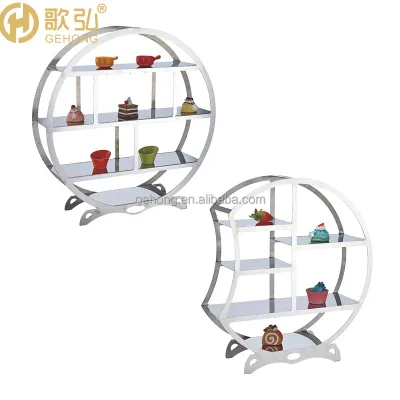

Simple Style Luxury Gold Rim Ceramic Cake Display Stand Porcelain Dessert Stand Wedding Cake Stand
$4.1798 - $7.8525
MOQ: 3000 Minimum
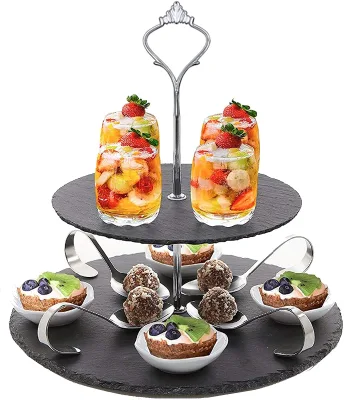


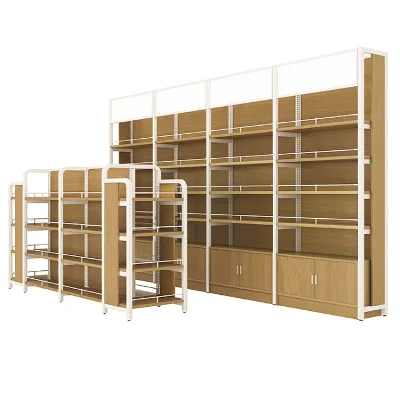
Comprehensive Sourcing Guide
Luxury Slate Food Display Stand Sourcing Guide
Procuring luxury slate food display stands requires a nuanced understanding of material integration and aesthetic versatility. These units typically combine high-grade stainless steel frameworks with natural slate accents, offering a sophisticated look suitable for high-end catering, hotel buffets, and restaurant presentations. Buyers must recognize that "luxury" is a stylistic descriptor rather than a technical specification, meaning visual appeal varies significantly across suppliers. The core appeal lies in the contrast between polished metal surfaces and the rustic texture of slate, which enhances the visual presentation of cakes, appetizers, and plated dishes.
When sourcing these items, buyers should prioritize suppliers who offer customization options to align with specific brand identities. The observed market includes variations in shape, such as round, square, and rectangular designs, as well as color finishes like gold, silver, rose gold, and black. This diversity allows for tailored procurement strategies where the display stand complements existing tableware or interior decor. Understanding these aesthetic variables is crucial for maintaining consistency in large-scale events or permanent hotel installations, where uniformity in design language impacts the overall guest experience.
Product Scope and Observed Listing Signals
The current market landscape for luxury slate food display stands reveals a wide range of product configurations and material compositions. Listings frequently highlight materials such as 18/10 stainless steel and SS201, indicating a spectrum from premium corrosion-resistant alloys to more cost-effective alternatives. Buyers must carefully verify the specific steel grade, as this directly impacts durability and maintenance requirements. The inclusion of slate elements adds weight and fragility considerations, requiring robust packaging solutions to prevent damage during transit. Observed models often feature multi-tiered structures, such as five-layer export cartons, designed to maximize space efficiency while protecting delicate components.
Commercial signals in the market suggest a high degree of flexibility in minimum order quantities, with some suppliers offering MOQs as low as one piece. This accessibility benefits small-scale buyers or those testing new concepts, while larger enterprises can leverage supply abilities of up to 2,000 pieces per month for bulk orders. The presence of keywords like "party table food display stand" and "buffet equipment" indicates that these products serve dual purposes in both temporary event setups and permanent hospitality infrastructure. Buyers should analyze these listing signals to determine whether a supplier specializes in high-volume production or bespoke, low-volume customization.
Technical Specifications to Verify
Technical verification begins with dimensional accuracy and load-bearing capacity, which are critical for safety and functionality. Standard dimensions observed in the market include models measuring approximately 570mm in length, 370mm in width, and 233mm in height, though variations exist based on design complexity. Buyers must confirm the load capacity, with some specifications citing up to 500kg per square meter, ensuring the stand can support heavy platters or multiple tiers of food without structural failure. The surface treatment, often described as a polished finish, contributes to both aesthetic appeal and ease of cleaning, which is essential for food service environments.
Material composition and structural integrity require close scrutiny, particularly regarding the connection points between stainless steel frames and slate inserts. The use of 18/10 stainless steel suggests a higher resistance to rust and staining compared to lower-grade alloys, making it preferable for humid or high-traffic areas. Additionally, the shape of the display, whether round, square, or rectangular, influences stability and space utilization. Buyers should request detailed technical drawings or 3D models to verify that the design accommodates specific plate sizes and that the slate is securely fastened to prevent shifting during transport or service.
Compliance and Safety Documentation
Compliance with food safety standards is non-negotiable when sourcing materials that come into direct or indirect contact with food. Certifications such as CE, LFGB, and CO are frequently cited, indicating adherence to European and international safety regulations. Buyers must verify the validity of these certificates and ensure they cover the specific materials used, particularly the slate, which must be free from harmful contaminants. The LFGB certification, in particular, is stringent regarding food contact materials, providing assurance that the slate and metal components will not leach harmful substances into food items.
Documentation should also include material safety data sheets and proof of origin for the slate and stainless steel. This is crucial for verifying that the materials are sourced from reputable suppliers and meet environmental and health standards. Buyers should inquire about the testing procedures used to validate these certifications, ensuring that the products have undergone rigorous evaluation for durability and safety. Proper documentation not only mitigates legal risks but also enhances the brand reputation of the end-user, demonstrating a commitment to quality and consumer safety in their food service operations.
Cost Drivers and Commercial Terms
Cost structures for luxury slate food display stands are influenced by material quality, customization complexity, and order volume. The use of 18/10 stainless steel and high-quality slate increases production costs compared to standard stainless steel or plastic alternatives. Customization options, such as specific color finishes or unique shapes, further impact pricing due to the additional labor and tooling required. Buyers should anticipate a price range that reflects these variables, with higher costs associated with bespoke designs and premium materials. Understanding these cost drivers allows for more accurate budgeting and negotiation strategies.
Commercial terms, including payment methods, shipping arrangements, and warranty provisions, play a significant role in the total cost of ownership. Suppliers often offer warranties of one year, providing some protection against manufacturing defects. However, buyers should clarify the scope of this warranty, particularly regarding damage to slate components, which are prone to chipping. Shipping costs can be substantial due to the weight and fragility of the products, necessitating careful planning of logistics and packaging. Negotiating favorable terms, such as bulk discounts or extended payment periods, can help mitigate these additional expenses and improve overall procurement efficiency.
Supplier Qualification and Quality Control
Supplier qualification involves assessing manufacturing capabilities, quality control processes, and past performance. Buyers should prioritize suppliers with established production lines and a track record of delivering consistent quality. The ability to produce up to 2,000 pieces per month indicates a certain level of operational capacity, but buyers must also evaluate the supplier's flexibility in handling smaller, customized orders. Requesting samples is a critical step in verifying quality, allowing buyers to inspect the finish, stability, and material integrity firsthand before committing to larger orders.
Quality control measures should include rigorous inspection protocols for both raw materials and finished products. Buyers should inquire about the supplier's defect rate and their process for addressing quality issues. Effective quality control ensures that each unit meets the specified standards for dimensions, load capacity, and aesthetic finish. Additionally, suppliers should provide clear packaging instructions and protective measures to minimize damage during transit. Establishing a strong relationship with a reliable supplier through regular communication and feedback loops can lead to continuous improvement and better alignment with the buyer's evolving needs.
Long-Term Procurement Checks
Long-term procurement success depends on ongoing supplier performance monitoring and adaptability to market changes. Buyers should establish key performance indicators (KPIs) to track delivery times, product quality, and responsiveness to issues. Regular audits or site visits can provide insights into the supplier's operational practices and ensure continued compliance with agreed-upon standards. Maintaining open lines of communication allows for timely resolution of problems and fosters a collaborative partnership that benefits both parties.
As trends in hospitality and catering evolve, buyers must remain vigilant about changes in design preferences and material availability. The luxury market is dynamic, with new styles and technologies emerging regularly. Buyers should stay informed about industry developments and be prepared to adjust their procurement strategies accordingly. This might involve exploring new suppliers, negotiating updated contracts, or integrating new product features into their offerings. By proactively managing these long-term factors, buyers can ensure a sustainable and competitive supply chain for luxury slate food display stands.
FAQs
What materials are used for the Luxury Slate Food Display Stand?
The display stands are constructed from stainless steel and slate. Specific models utilize SS201 or 18/10 stainless steel to ensure durability and hygiene. The combination of metal and stone provides a robust structure suitable for heavy food items while maintaining a premium aesthetic for high-end catering environments.
Can the Luxury Slate Food Display Stand be customized?
Yes, customization is available for these products. Buyers can select from various colors including gold, silver, rose gold, red, and black. The stands are designed to meet specific branding needs, allowing for tailored appearances that align with the visual identity of luxury hotels, restaurants, and catering services.
What certifications do the luxury slate food display stands have?
The products hold CE, LFGB, and CO certifications. These credentials verify that the materials and manufacturing processes comply with international safety and quality standards. This ensures the stands are safe for direct food contact and suitable for use in regulated food preparation areas and professional hospitality settings.
What is the minimum order quantity for these stands?
The minimum order quantity is one piece. This low MOQ allows buyers to test product quality or order small batches for specific events. It supports flexible procurement strategies for businesses that require unique display solutions without committing to large inventory volumes, making it ideal for diverse catering needs.
How much weight can the Luxury Slate Food Display Stand hold?
The stands are engineered to support a load capacity of 500kg per square meter. This high strength ensures stability when displaying heavy buffet items or multiple tiers of food. The robust stainless steel construction prevents bending or collapse, providing a secure and reliable surface for extensive food presentation setups.
What packaging methods are used for shipping these display stands?
Packaging options include single cartons, carton plus plywood, plywood cases, or wooden cases. The standard export carton contains one piece per unit. These varied methods protect the polished finish during transit, ensuring the products arrive in pristine condition regardless of the shipping distance or handling requirements involved in international logistics.