Source Luxury Silver Airless Pump Bottle for Cosmetics, Personal Care, and Skincare
Find 30 verified options for the Luxury Silver Airless Pump Bottle designed for cosmetics, personal care products, and skincare applications. Buyers can compare capacities ranging from 10ml to 120ml, sealing types like snap-on and pump sprayers, and customization services including logo printing and OEM/ODM support.
Key considerations
Products List


Somewang Wholesale 120ml Resistant Luxury Airless Pump Bottle with Pump
$0.34 - $0.35
MOQ: 10000 Pieces


Luxury Empty Rose Gold Airless Pump Bottle Customized for Person Skin Care
$0.35 - $0.50
MOQ: 10000 Pieces


Empty Round Luxury Cosmetic Plastic Airless Acrylic Bottle with Silver Cap
$0.70 - $1.10
MOQ: 5000 Pieces

High Quality Aluminum Silver Airless Pump Bottle Cosmetic Airless Bottle
$0.53 - $0.55
MOQ: 5000 Pieces


Eco Friendly Luxury Aluminum Black Gold 100ml Airless Lotion Pump Bottle
$0.56 - $0.60
MOQ: 5000 Pieces

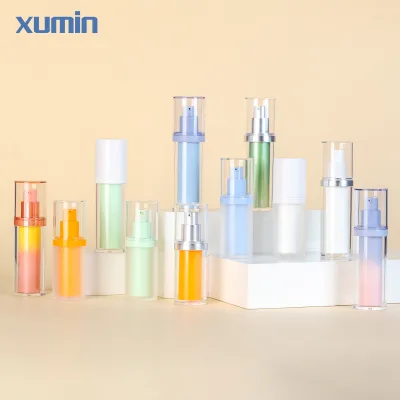


Luxury Custom Black Twist Airless Pump Bottle 15ml 30ml 50ml Plastic Pump Bottle
$0.40 - $0.80
MOQ: 10000 Pieces
Comprehensive Sourcing Guide
Luxury Silver Airless Pump Bottle Sourcing Guide
Sourcing high-end packaging requires balancing aesthetic precision with functional reliability. Buyers must prioritize suppliers who demonstrate consistent quality in both the pump mechanism and the bottle body. The visual appeal of silver finishes often dictates the perceived value of the cosmetic product, making surface treatment quality a critical evaluation point. Procurement teams should verify that the chosen supplier can maintain color consistency across large production runs without compromising the integrity of the airless system.
Technical performance is equally vital for maintaining product stability. Airless pumps protect sensitive formulations from oxidation and contamination, extending shelf life and preserving efficacy. Buyers need to ensure that the selected pump provides a smooth, consistent dispensing action that meets brand standards for user experience. Evaluating the seal integrity and the pump’s ability to evacuate the product efficiently are essential steps in the selection process to avoid waste and ensure customer satisfaction.
Product Scope and Observed Listing Signals
The current market offers a diverse range of airless packaging solutions, primarily constructed from plastic materials such as PP. Listings indicate a strong focus on customization, with suppliers offering various item codes like SWC-BAA20TC and NB 445 to accommodate different volume requirements. These products are typically designed for cosmetics and personal care applications, featuring round bottle shapes that provide a classic and elegant aesthetic. The availability of customization options allows brands to tailor the packaging to their specific identity and functional needs.
Observed specifications reveal a wide spectrum of capacities, ranging from small 10ml samples to larger 120ml containers. Common models include SWC-BTA50KH and K-33-7, which cater to different dispensing preferences such as snap-on closures or screw caps. The presence of multiple item codes suggests that suppliers maintain extensive inventories to support various client demands. Buyers should carefully review these codes to ensure compatibility with their existing filling lines and to identify the most suitable option for their specific product viscosity and volume requirements.
Technical Specifications to Verify
Verifying the material composition is the first step in ensuring packaging durability and chemical compatibility. Most listed products utilize PP plastic, which offers good resistance to various cosmetic ingredients. Buyers must confirm that the specific plastic type aligns with the formulation’s chemical profile to prevent degradation or leaching. Additionally, the sealing type, whether snap-on, pump sprayer, or screw cap, must be evaluated for its ability to maintain an airtight environment, which is crucial for preserving product freshness and preventing leakage during transit.
The manufacturing process and finishing techniques significantly impact the final product quality. Suppliers often offer silk screen printing, hot stamping, and labeling services to enhance the visual appeal of the silver finish. Buyers should request samples to assess the adhesion and durability of these finishes, ensuring they do not peel or fade under normal handling conditions. Furthermore, verifying the pump’s dispensing mechanism ensures that it operates smoothly and consistently, providing a premium user experience that aligns with luxury brand expectations.
Compliance and Safety Documentation
Ensuring regulatory compliance is non-negotiable for global cosmetic distribution. Buyers should request documentation confirming that the packaging materials meet relevant safety standards, such as ISO9001 and CE certification. These certifications indicate that the supplier adheres to established quality management systems and safety requirements. It is essential to verify that the specific materials used in the bottle and pump are food-grade or cosmetic-grade, ensuring they do not interact negatively with the product contents.
Transparency in sourcing and manufacturing processes is also critical for maintaining brand integrity. Buyers should inquire about the origin of the raw materials and the manufacturing facilities to ensure ethical and sustainable practices. While specific test results may not be publicly listed, requesting third-party lab reports for migration testing and heavy metal analysis can provide additional assurance. This due diligence helps mitigate risks associated with regulatory non-compliance and protects the brand from potential recalls or reputational damage.
Cost Drivers and Commercial Terms
Several factors influence the final cost of luxury airless packaging, including material quality, customization complexity, and order volume. The observed MOQ ranges from 5,000 to 30,000 pieces, with some suppliers offering lower thresholds for specific items. Buyers should consider the trade-off between unit price and minimum order quantity, as larger orders often yield better economies of scale. Additionally, the cost of custom printing, hot stamping, and color matching can significantly impact the overall budget, so these elements should be factored into the initial cost analysis.
Commercial terms such as payment methods, shipping arrangements, and lead times also play a crucial role in procurement planning. Suppliers typically offer standard carton packaging, which helps protect the products during transit but may require additional handling considerations. Buyers should negotiate clear terms regarding sample availability, as many suppliers provide free samples to facilitate decision-making. Understanding the full scope of commercial terms helps in budgeting accurately and avoiding unexpected costs that could erode profit margins.
Supplier Qualification and Quality Control
Evaluating supplier capabilities is essential for ensuring long-term partnership success. Buyers should assess the supplier’s production capacity, quality control processes, and ability to meet customization requests. Suppliers located in Zhejiang, China, often have established infrastructure for plastic manufacturing and finishing services. Verifying their experience with luxury brands and their ability to handle complex designs can provide insight into their reliability and professionalism. A robust quality control system ensures that every batch meets the specified standards for appearance and functionality.
Implementing a rigorous quality control protocol is vital for maintaining product consistency. Buyers should define clear acceptance criteria for visual defects, pump performance, and dimensional accuracy. Conducting pre-shipment inspections or hiring third-party inspection services can help identify potential issues before the goods are dispatched. Establishing a feedback loop with the supplier allows for continuous improvement and ensures that any deviations from the agreed specifications are addressed promptly. This proactive approach minimizes the risk of receiving substandard products and maintains brand reputation.
Long-Term Procurement Checks
Building a sustainable supply chain requires ongoing monitoring and relationship management. Buyers should regularly review supplier performance metrics, including on-time delivery rates, defect rates, and responsiveness to issues. Maintaining open communication channels facilitates quick resolution of any problems that may arise during production or distribution. Additionally, staying informed about industry trends and technological advancements can help buyers identify opportunities for innovation and cost savings in their packaging strategy.
Adapting to market changes is crucial for maintaining competitiveness. Buyers should periodically reassess their packaging requirements to ensure they align with evolving consumer preferences and regulatory landscapes. Exploring new materials or finishing techniques can offer unique value propositions for luxury brands. By fostering a collaborative relationship with suppliers, buyers can leverage their expertise to develop innovative solutions that enhance product appeal and functionality. This strategic approach ensures that the procurement process remains agile and responsive to market dynamics.
FAQs
What materials are used for luxury silver airless pump bottles?
These bottles are primarily constructed from plastic, specifically utilizing PP (polypropylene) for durability and chemical resistance. The silver finish is achieved through customization options such as silk screen printing, hot stamping, or labeling. This material choice ensures the container remains lightweight while providing a premium aesthetic suitable for high-end cosmetic and personal care product packaging applications.
Can I customize the logo on these airless pump bottles?
Yes, logo customization is available for these packaging solutions. Suppliers offer various printing methods including silk screen printing, hot stamping, and labeling to apply your brand identity. This OEM/ODM service allows for tailored branding, ensuring the final product aligns with your specific marketing requirements and visual identity standards for your cosmetic or personal care line.
What are the standard volume specifications for these bottles?
The standard volume specifications range from 10ml to 150ml, with common models including 20ml, 30ml, 50ml, 80ml, 100ml, and 120ml. Specific item codes correspond to these capacities, such as SWC-BAA20TC for 20ml or NB 445 for 15-50ml options. This variety allows buyers to select the precise size that matches their product formulation and target market needs.
What is the typical MOQ for ordering these cosmetic bottles?
The typical Minimum Order Quantity varies by supplier and specific model, generally ranging from 3,000 to 30,000 pieces. Some manufacturers set an MOQ of 10,000 pieces per item, while others may accept orders as low as 3,000 or 5,000 pieces. Buyers should verify the specific MOQ requirements with their chosen supplier to ensure alignment with their production volume and budget.
Are these bottles suitable for cosmetics and personal care products?
Yes, these bottles are explicitly designed for use in cosmetics and personal care products. The airless pump mechanism protects sensitive formulations from contamination and oxidation, preserving product efficacy. The available sealing types, including snap-on and pump sprayer options, ensure secure containment and controlled dispensing, making them ideal for lotions, serums, and other high-value beauty applications.
Where are these plastic cosmetic bottles manufactured?
These bottles are manufactured in Zhejiang, China. This region is a known hub for packaging production, offering established supply chains and manufacturing capabilities. Buyers sourcing from this location can benefit from the region's industrial infrastructure, which supports the production of standardized and customized plastic packaging solutions for the global cosmetics and personal care industries.
What certifications do these packaging suppliers typically hold?
Many suppliers for these bottles hold ISO9001 and CE certifications, indicating adherence to quality management and safety standards. These certifications provide assurance regarding the manufacturing processes and product consistency. Buyers should request current certification documents to verify compliance, ensuring that the packaging materials meet the regulatory and quality expectations required for their specific market and product safety standards.