Source Machined Guitar Bridge for Les Paul, Electric, and Acoustic Guitars
Compare 30 listings for the Machined Guitar Bridge with options in zinc, brass, and steel. Buyers can review specifications like string spacing and material to find suitable parts for Les Paul style, electric, and other guitar types.
Key considerations
Products List
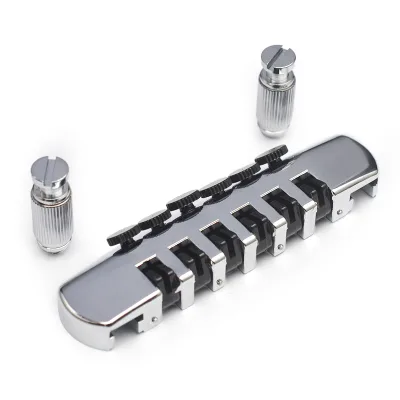
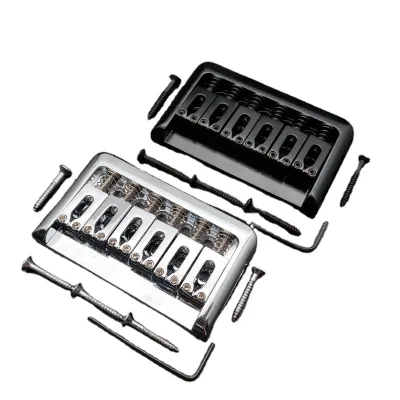
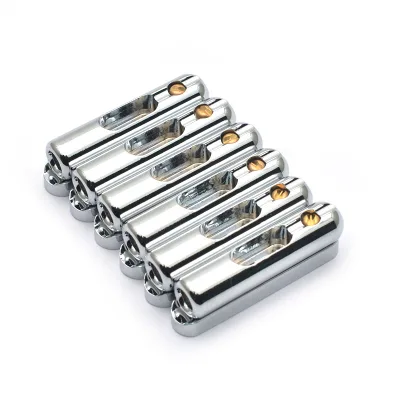

$900.00 - $1500.00
MOQ: 10 Pieces
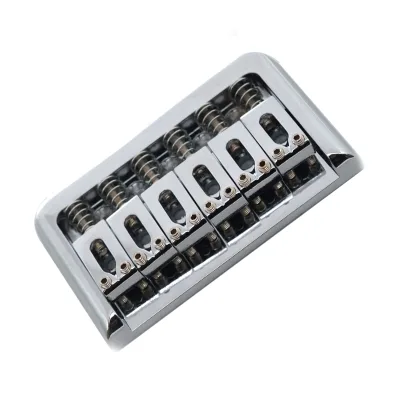
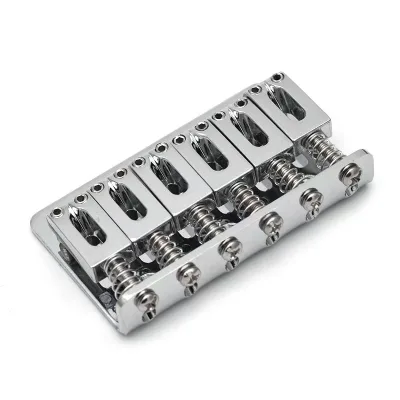


China Customized CNC Machining Black Nickel Brass Electric Guitar Bridge
$6.00 - $30.00
MOQ: 10 Pieces
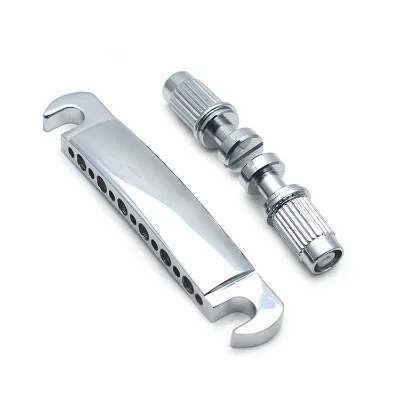
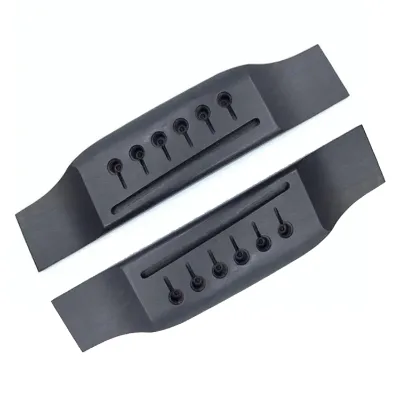
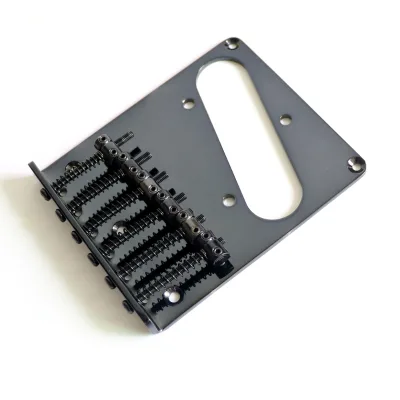
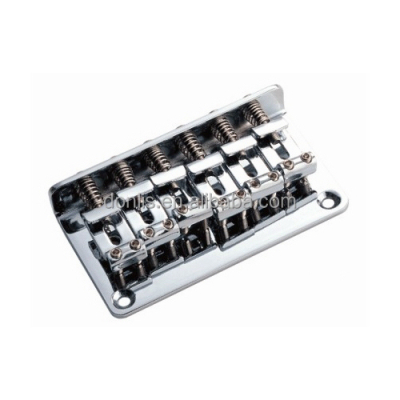
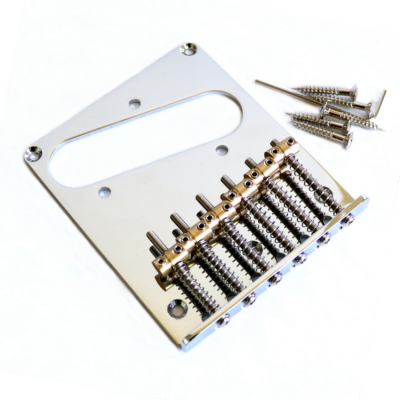
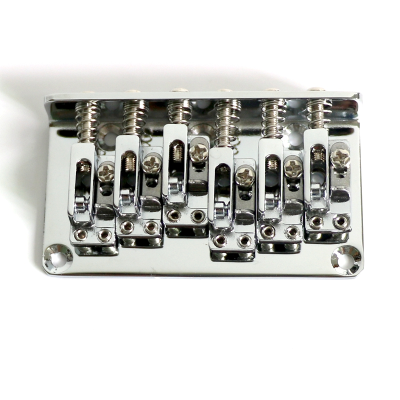
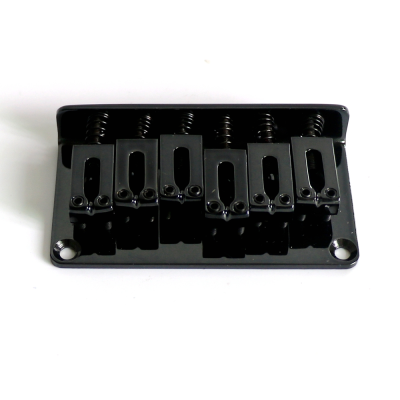
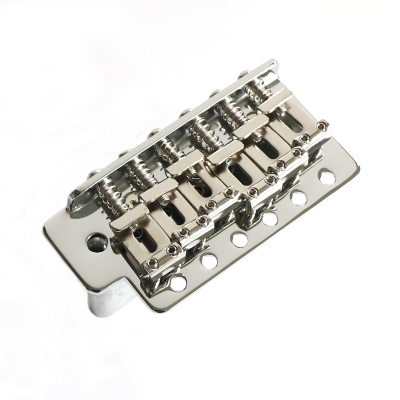


High quality Violin Bridge, Stringed Instruments Part & Accessories (703V)
$1.30 - $1.80
MOQ: 300 Pieces
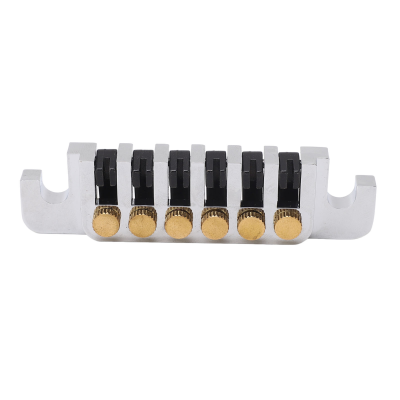
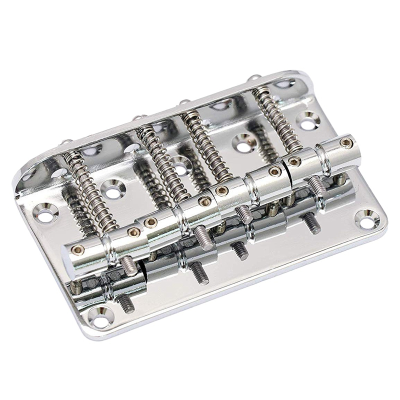
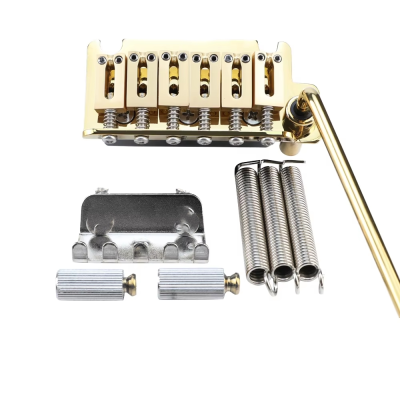


Comprehensive Sourcing Guide
Strategic Sourcing Guide for Machined Guitar Bridges
Understanding Product Variants and Technical Specifications
The term "Machined Guitar Bridge" encompasses a diverse range of components designed to transfer string vibration to the guitar body, yet the specific technical requirements vary significantly based on the instrument type and desired tonal characteristics. In the current market, buyers encounter distinct product categories that serve different musical styles. One prominent variant is engineered specifically for Les Paul style guitars, featuring a precise package configuration that includes one bridge unit and two mounting studs. These units typically adhere to a standardized size of 103x24mm, ensuring compatibility with the specific mounting holes found on this popular electric guitar platform. The material composition for this specific variant is often zinc, selected for its balance of machinability and density, which influences the sustain and resonance of the instrument.
In contrast, other machined bridges are designed for broader applications or different electric guitar models. These units may be constructed from a composite of zinc and brass, offering a different acoustic profile compared to pure zinc or steel alternatives. The dimensions for these variants can differ substantially, with some measuring as compact as 8.5x41.5mm, while others are designed as individual guitar bridges with specific string spacing requirements, such as 10.2mm, to accommodate various playing styles. The color finishes available in the market are not merely aesthetic; they often indicate the underlying plating or coating process used to protect the base metal. Common finishes observed include gold, chrome, and black, which must be matched to the guitar's hardware aesthetic.
The structural design also varies between open bridge configurations and scale-specific models. Some products are marketed as "middle bridges" or "beam bridges," terms that may refer to their mechanical stress characteristics or their intended position within a larger assembly, although in the context of guitar hardware, these terms often describe the specific geometry of the saddle or base plate. Buyers must distinguish between these technical descriptors and unrelated infrastructure terminology. For instance, while some data sources might list "highway bridge" or "tractor bridge" under usage categories, these are clearly misclassified entries when discussing guitar hardware and should be disregarded in favor of verified musical instrument specifications. The correct focus remains on attributes like "Individual Guitar Bridge" or "Open Bridge" configurations that directly impact string action and intonation.
Compliance, Certification, and Material Standards
When sourcing machined guitar bridges, verifying material integrity and adherence to international standards is critical for ensuring product longevity and safety. The supply chain for these components often originates from manufacturing hubs in Guangdong, China, where a significant portion of global guitar hardware is produced. In this region, suppliers frequently cite compliance with a wide array of international material standards, including AISI, ASTM, BS, GB, JIS, and DIN. These acronyms represent rigorous testing protocols for steel, zinc, and brass alloys, ensuring that the metal used meets specific tensile strength and chemical composition requirements.
However, buyers must exercise caution when interpreting certification claims. While some product listings explicitly state compliance with these standards, others may list them as general capabilities rather than specific certifications for the finished bridge unit. It is essential to verify whether the certification applies to the raw material (such as the zinc alloy or steel) or the final machined product. For example, a bridge made from zinc alloy must meet specific ASTM standards for corrosion resistance to prevent degradation from sweat and humidity. Similarly, steel bridges require verification against JIS or DIN standards to ensure they can withstand the high tension of guitar strings without deformation.
The distinction between OEM and branded products also plays a role in compliance. Some suppliers operate under an OEM model, producing generic hardware that can be branded by various manufacturers. These products may carry a "Customization: Available" attribute, allowing buyers to request specific material grades or finishing processes. In contrast, branded products like those under the "GET" or "HW" labels may have more consistent quality control protocols. Regardless of the brand, the presence of certifications like AISI or ASTM should be treated as a baseline requirement for industrial-grade hardware. Buyers should request specific test reports or mill certificates for the raw materials to confirm that the claimed standards are actually met by the specific batch of goods being purchased.
Cost Drivers and Pricing Dynamics
The pricing of machined guitar bridges is influenced by a complex interplay of material costs, manufacturing complexity, and order volume. The observed price range in the market is exceptionally broad, spanning from $0.26 to $1500 USD. This wide variance indicates that the market includes both low-cost, mass-produced components and high-end, precision-machined units that may incorporate premium materials or complex engineering. The lower end of the spectrum typically corresponds to basic zinc or steel bridges produced in high volumes with minimal finishing. These units often rely on automated stamping or basic machining processes to keep costs down.
Conversely, the higher price points are associated with bridges that utilize brass-zinc composites, feature intricate machining for improved sustain, or include specialized plating and finishing processes. The material cost is a primary driver; zinc is generally more affordable than brass or high-grade steel, but the addition of brass can significantly increase the unit cost. Furthermore, the packaging and logistics contribute to the final price. Products packaged in individual plastic boxes or specialized containers may carry a higher price tag compared to those shipped in simple plastic bags. The single gross weight of the product, ranging from 0.150 kg to 0.520 kg, also impacts shipping costs, which are often factored into the total landed cost for international buyers.
Order volume is another critical factor in determining the unit price. The Minimum Order Quantity (MOQ) varies significantly across suppliers, ranging from as low as 1 piece to 300 pieces. Suppliers offering an MOQ of 10 pieces or even a single item allow for smaller procurement cycles, which is beneficial for prototyping or small boutique manufacturers. However, these smaller orders typically command a higher per-unit price. Larger orders, such as those requiring 1000 pieces per week, may benefit from economies of scale, though the total capital outlay is higher. Buyers must balance the need for inventory flexibility against the cost benefits of bulk purchasing. It is important to note that the "Supply Ability" of a supplier, often cited as 10000 pieces per week, does not guarantee immediate availability of custom orders, and lead times must be negotiated separately.
Typical Applications and Usage Scenarios
Machined guitar bridges are primarily designed for use in electric guitars, with specific variants optimized for particular body styles. The most common application is for Les Paul style guitars, where the bridge must accommodate the specific mounting geometry of the instrument. These bridges are designed to hold the strings at a precise height and angle, ensuring proper intonation and action. The string spacing of 10.2mm is a standard dimension that allows for comfortable finger placement and prevents string interference during playing.
Beyond the Les Paul style, machined bridges are used in various other electric guitar configurations. Some models are designed as "individual guitar bridges," offering a modular approach that allows for easier replacement or customization. These units are often used in guitars where the bridge is a separate component from the tailpiece, allowing for independent adjustment of string height and intonation. The "Open Bridge" design is another variation, which may be preferred for specific tonal characteristics or aesthetic preferences.
It is crucial to distinguish guitar bridge applications from unrelated infrastructure terminology. While some data sources may list "highway bridge," "public iron dual purpose bridge," or "tractor bridge" under usage categories, these are clearly errors in data classification and do not apply to musical instruments. The correct usage for guitar bridges is strictly limited to musical instruments, specifically electric guitars, where they serve as the critical interface between the strings and the body. The "Life" of these bridges is often described as "semi-permanent," indicating that while they are durable, they may require adjustment or replacement over time due to wear or changes in playing style. The "Scale" attribute, sometimes listed as "Middle Bridge," likely refers to the position of the bridge on the guitar body or its role in the overall string length calculation, rather than a structural classification.
Supplier Evaluation and Sourcing Channels
Evaluating suppliers for machined guitar bridges requires a thorough assessment of their manufacturing capabilities, quality control processes, and logistical reliability. The primary sourcing hub for these products is Guangdong, China, a region known for its extensive manufacturing infrastructure. Buyers should verify the "Place of Origin" and "Port of Dispatch" to ensure that the supplier is located in a region with a proven track record in guitar hardware production. The "Port of dispatch" being Guangdong is a strong indicator of proximity to major shipping routes, which can reduce lead times and shipping costs.
When evaluating potential suppliers, buyers should look for evidence of consistent production capabilities. The "Supply Ability" of 10000 pieces per week suggests a high-volume manufacturer, but this metric should be cross-referenced with the supplier's actual capacity to handle custom orders or small batches. Suppliers that offer "Customization: Available" are particularly valuable for buyers seeking unique specifications, such as specific string spacing or custom finishes. However, customization often comes with higher MOQs and longer lead times, which must be factored into the procurement plan.
The packaging details are another important factor in supplier evaluation. Some suppliers use "Plastic Box" packaging, which offers better protection during transit and presents a more professional image for the final product. Others may use "plastic bag" packaging, which is more cost-effective but offers less protection. The "Single package size" and "Single gross weight" are critical for calculating shipping costs and storage requirements. Buyers should ensure that the supplier's packaging aligns with their logistical needs and that the product is protected against damage during international shipping.
Quality Control and Long-Term Procurement Considerations
Ensuring the quality of machined guitar bridges is essential for maintaining the performance and reliability of the final instrument. Buyers should implement a robust quality control process that includes visual inspections, dimensional checks, and material verification. The "Size" and "String Spacing" of the bridge must be verified against the specified dimensions, such as 103x24mm or 8.5x41.5mm, to ensure compatibility with the guitar body. Any deviation from these specifications can lead to installation issues or poor intonation.
Material verification is also critical. Buyers should request documentation confirming that the material used is indeed zinc, brass, or steel, as claimed. The presence of certifications like AISI, ASTM, or DIN provides a baseline assurance of material quality, but buyers should not rely solely on these claims. Instead, they should conduct independent testing or request third-party inspection reports to verify the material composition and mechanical properties. This is particularly important for bridges that are subjected to high tension and frequent adjustments.
Long-term procurement considerations include the availability of replacement parts and the consistency of product quality over time. Suppliers that offer "Customization: Available" may be more flexible in adapting to changing requirements, but buyers should ensure that the customization process is stable and repeatable. The "Selling Units" of "Single item" suggest that the market supports small-scale procurement, which is beneficial for buyers who need to test new designs or maintain a small inventory. However, for large-scale production, buyers should negotiate long-term contracts that guarantee consistent quality and pricing.
The "Life" of the bridge, described as "semi-permanent," indicates that these components are designed for long-term use but may eventually require replacement. Buyers should factor in the cost of replacement and the availability of spare parts when planning their procurement strategy. Additionally, the "Packaging Details" and "Single gross weight" should be considered in the context of storage and handling costs. A supplier that offers robust packaging and efficient logistics can reduce the overall cost of ownership and minimize the risk of damage during transit.
Comparison of Key Product Attributes
To facilitate informed decision-making, the following table summarizes the key attributes of the machined guitar bridges observed in the market. This comparison highlights the variations in material, dimensions, and packaging that buyers should consider when selecting a supplier.
| Attribute | Variant A (Les Paul Style) | Variant B (General Electric) | Variant C (High-Volume) |
|---|---|---|---|
| Model Number | MU2481 | MU2502 | EG-100C |
| Material | Zinc | Zinc, Brass | Zinc alloy |
| Size | 103x24mm | 8.5x41.5mm | 76.5mm (Length) |
| Color | Gold, Chrome | Gold, Black, Chrome | Black |
| String Spacing | 10.2MM | Not Specified | Not Specified |
| Package Size | 11x3x3 cm | 5x1x1 cm | 8x5x3 cm |
| Gross Weight | 0.230 kg | 0.520 kg | 0.150 kg |
| Packaging | Plastic Box | Plastic Bag | Plastic Bag |
| Brand | GET | OEM | HW |
| MOQ | 1-300 | 1-300 | 10 pcs |
This table illustrates the diversity of options available in the market. Buyers must carefully match these attributes to their specific needs, considering factors such as the guitar model, desired finish, and order volume. The variation in material and dimensions underscores the importance of precise specification when sourcing these components. By understanding these differences, buyers can make more informed decisions and ensure that the selected bridges meet the technical and aesthetic requirements of their instruments.
FAQs
What materials are used for machined guitar bridges?
Machined guitar bridges are typically constructed from zinc, brass, or steel alloys. Some specific models use a combination of zinc and brass to achieve distinct acoustic profiles, while others rely on pure zinc or steel for durability and cost efficiency.
Which guitar styles are compatible with these bridges?
These bridges are primarily designed for Les Paul style electric guitars. Specific dimensions like 103x24mm ensure compatibility with the mounting holes found on this popular instrument platform, though other electric guitar models may also utilize similar individual bridge designs.
Can I find bridges with specific string spacing requirements?
Yes, available models offer precise string spacing such as 10.2mm to accommodate various playing styles. This dimension is critical for ensuring comfortable finger placement and preventing string interference during performance on electric guitars.
What certifications do these metal components meet?
Products often comply with international material standards including AISI, ASTM, BS, GB, JIS, and DIN. These certifications verify the tensile strength and chemical composition of the raw zinc, brass, or steel used in the manufacturing process.
How does the minimum order quantity vary for these parts?
Minimum order quantities range from as low as 1 piece to 300 pieces depending on the supplier. Some vendors offer an MOQ of 10 pieces per packet, while others may require larger bulk orders to access specific pricing tiers.
Where are these guitar hardware components manufactured?
The primary manufacturing hub for these bridges is located in Guangdong, China. This region is a known center for guitar hardware production, with suppliers often dispatching goods directly from ports in this location.
What packaging options are available for these bridges?
Bridges are typically packaged in individual plastic boxes or simple plastic bags. The choice of packaging affects protection during transit, with plastic boxes offering better protection and a more professional presentation for the final product.