Source Magnesia Wool Cleaning Board for Walls, Ceilings, Floors
Compare 30 Magnesia Wool Cleaning Board options from verified suppliers. Buyers can evaluate fire ratings, thickness, and customization features for wall, ceiling, and flooring applications.
Key considerations
Products List


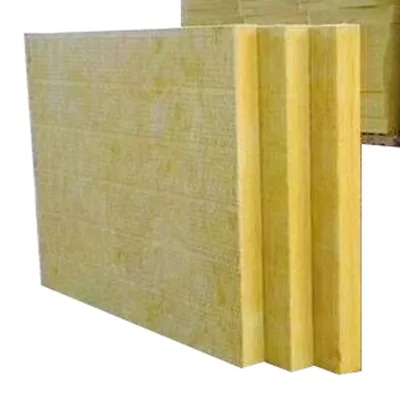

Cleanroom Equipment Dust-Free Workshop Rock Wool Purification Board
$11.00 - $25.00
MOQ: 100 Square Meters


Low Particle Emission Clean Room Equipment Magnesium Rock Wool Board
$14.60 - $20.00
MOQ: 100 Square Meters

Rock Wool Board Building Mineral Wool Large Board for Purification Board
$1.82 - $11.32
MOQ: 1000 Square Meters

Top Seller Rockwool Board for Purification Board Customize Available
$2.21 - $2.78
MOQ: 1000 Square Meters


Comprehensive Sourcing Guide
Strategic Sourcing Guide for Magnesia Wool Cleaning Boards
The global construction and industrial sectors increasingly demand materials that balance fire safety, structural integrity, and ease of installation. Among the specialized offerings in this domain, the Magnesia Wool Cleaning Board represents a critical component for facilities requiring high-performance wall, ceiling, and flooring solutions. Sourcing this specific material requires a disciplined approach that distinguishes between the raw material composition, the final board specifications, and the rigorous compliance standards necessary for commercial and industrial projects. This guide provides a comprehensive framework for buyers to evaluate suppliers, verify technical attributes, and mitigate procurement risks associated with Magnesium Oxide-based panels.
Technical Specifications and Material Composition
Understanding the fundamental composition of the board is the first step in any sourcing strategy. The core material for these panels is often identified as Magnesium Oxychloride, derived from raw materials such as Fiber Glass Cloth. This combination creates a composite that offers unique advantages over traditional gypsum or cement-based boards. The density of these products varies significantly depending on the specific grade and intended application, with observed ranges spanning from 0.95-1.2 kg/M3 for lighter variants to 48kg/m3~120kg/m3 for heavier, more structural applications. Buyers must verify the exact density requirement for their specific project, as this directly impacts the board's load-bearing capacity and thermal insulation properties.
The physical dimensions of the board are equally critical for logistics and installation planning. Standard specifications often include lengths ranging from 2400 mm to 3050 mm, with customizable options available to meet specific architectural needs. The thickness is a primary differentiator, with common offerings falling between 3 mm and 40 mm, and specific industrial grades available at 25 mm or 50 mm. Some specialized variants may even offer wall thicknesses of 50, 75, or 100 mm for heavy-duty partitioning. The surface finish is typically described as smooth or rough, with some high-end variants featuring a glossy finish to facilitate cleaning in hygienic environments. The edge profiles are equally diverse, offering square, tapered, tongue-and-groove (T&G), and L-shiplap options to ensure seamless joints and structural stability during installation.
Fire Safety and Performance Standards
Fire resistance is arguably the most critical performance metric for Magnesia Oxide boards. These materials are engineered to meet stringent fire safety requirements, with many products boasting a Class A1 fireproof rating, the highest classification for non-combustibility. The raw material composition, specifically Magnesium Oxychloride, contributes to a refractory temperature capability that can exceed 2000 ℃, ensuring the board remains stable under extreme thermal stress. For applications requiring specific fire resistance limits, such as 1.0 hour ratings, buyers must request test reports that align with international standards.
Verification of fire performance should not rely solely on marketing claims. Buyers must insist on documentation referencing specific test standards such as ASTM E136 and ASTM E84. These tests evaluate the material's behavior when exposed to flame and its contribution to fire spread. The observed data indicates that these boards possess fracture resistance and hardness characteristics that allow them to be easily cut while maintaining structural integrity. However, the "Easy Cut" attribute should be balanced against the need for durability in high-traffic areas. The board's ability to resist fracture is a key indicator of its longevity in demanding environments, such as industrial facilities or high-rise commercial buildings.
Compliance, Certification, and Quality Assurance
Navigating the certification landscape is essential for ensuring that sourced materials meet local and international regulatory requirements. The supply chain for these boards often includes certifications such as ISO9001, which validates the manufacturer's quality management systems. Additionally, specific product certifications like ISOROHS and CCC (China Compulsory Certification) may be present, indicating compliance with environmental and safety regulations. For projects in the European Union or other regions with strict chemical regulations, verifying RoHS compliance is mandatory to ensure the absence of hazardous substances.
When evaluating a supplier, buyers should look for a comprehensive suite of certifications rather than a single document. The presence of a Grade A designation suggests a high standard of raw material quality, but this should be corroborated by third-party testing. The manufacturing process, including surface finishing techniques like glossy treatments, must be consistent to ensure uniform performance across the entire batch. Buyers should also verify the origin of the product, with many high-quality boards originating from established industrial hubs in Shandong, China. While the location itself does not guarantee quality, it indicates access to a mature supply chain with established logistics capabilities.
Cost Drivers and Procurement Economics
The pricing of Magnesia Wool Cleaning Boards is influenced by a complex interplay of factors, including raw material costs, thickness, surface finishing, and customization requirements. The observed price range in the market spans from approximately $0.53 to $32.2 per unit, a wide variance that reflects differences in density, thickness, and feature sets. Thicker boards with higher fire ratings and specialized surface finishes will naturally command a premium price. The Minimum Order Quantity (MOQ) is another significant cost driver, with ranges observed from 10 units up to 1,000,000 units.
Buyers must align their order volume with their project timeline and storage capacity. High-volume orders often benefit from economies of scale but require careful planning regarding lead times and storage. The packaging standard, typically utilizing strong wooden pallets, adds to the overall cost but is essential for preventing damage during transit. Additionally, the availability of customization—such as specific lengths, thicknesses, or edge profiles—can impact the unit price. While standard sizes like 1.22m x 2.44m are generally more cost-effective, custom dimensions may incur additional setup and production costs. Buyers should request detailed quotes that break down the cost of raw materials, processing, and logistics to ensure transparency.
Supplier Evaluation and Quality Control
Selecting the right supplier requires a rigorous evaluation process that goes beyond price comparison. Buyers should assess the supplier's production capacity, quality control protocols, and ability to meet customization requests. The ability to satisfy customer requirements for specific dimensions and finishes is a key indicator of a supplier's flexibility and technical capability. A robust quality control system should include checks for dimensional accuracy, with acceptable deviations (such as a Dlegonel Error of ≤3mm) clearly defined and monitored.
Quality control should also extend to the physical properties of the board. Buyers must verify that the density, hardness, and fire resistance ratings match the specifications provided in the product data sheets. The presence of a warranty, such as a 1-year guarantee, can provide additional assurance of product reliability, though the terms of such warranties should be carefully reviewed. It is also crucial to evaluate the supplier's track record in delivering products that meet the ASTM E136 and E84 standards consistently. Regular third-party audits and sample testing should be part of the ongoing supplier relationship to ensure continued compliance.
Typical Applications and Long-Term Considerations
The versatility of Magnesia Oxide boards makes them suitable for a wide range of applications, including walls, ceilings, and flooring in both residential and industrial settings. Their lightweight nature and fracture resistance make them ideal for retrofitting existing structures or constructing new partitions where weight is a concern. The fireproof and environmental features of these boards are particularly valuable in commercial buildings, hospitals, and industrial facilities where safety and hygiene are paramount. The smooth or rough texture options allow for customization based on aesthetic requirements and functional needs, such as slip resistance in flooring applications.
Long-term procurement considerations involve assessing the lifecycle cost of the material. While the initial purchase price is important, the durability and low maintenance requirements of Magnesia Oxide boards often result in a lower total cost of ownership. The board's resistance to moisture, fire, and physical damage ensures a longer service life compared to traditional materials. Buyers should also consider the environmental impact of the product, looking for boards that are made from sustainable raw materials and are recyclable at the end of their lifecycle. The availability of a 1-year warranty and the potential for customization to meet specific project needs further enhance the long-term value proposition of these materials.
Comparison of Key Product Attributes
To assist in the decision-making process, the following table summarizes the key attributes observed in the market for Magnesia Wool Cleaning Boards. This comparison highlights the variability in specifications and helps buyers identify the features most relevant to their specific project requirements.
| Attribute Category | Observed Range / Options | Key Verification Points |
|---|---|---|
| Raw Material | Magnesium Oxychloride, Fiber Glass Cloth | Verify Grade A status and purity. |
| Fire Rating | Class A1, Refractory >2000 ℃ | Request ASTM E136/E84 test reports. |
| Thickness | 3-40 mm (Common: 25, 50 mm) | Confirm exact thickness for load calculations. |
| Density | 0.95-1.2 kg/M3 to 48-120 kg/m3 | Match density to structural requirements. |
| Dimensions | 1.22m x 2.44m, 0.61m x 1.22m, Custom | Check for tolerance limits (e.g., ≤3mm error). |
| Surface Finish | Smooth, Rough, Glossy | Ensure finish meets aesthetic/cleaning needs. |
| Edge Profile | Square, Tapered, T&G, L-Shiplap | Verify compatibility with installation system. |
| Certifications | ISO9001, ISOROHS, CCC | Confirm validity and scope of certifications. |
| MOQ | 10 to 1,000,000 units | Align order volume with budget and storage. |
| Origin | Shandong, China | Verify logistics and lead time from origin. |
By adhering to these guidelines and maintaining a rigorous focus on verified data, buyers can successfully navigate the complex landscape of Magnesia Wool Cleaning Board procurement. The goal is to secure materials that not only meet immediate project specifications but also provide long-term value through superior performance, safety, and durability.
FAQs
What is the fire rating of Magnesia Wool Cleaning Board?
The board typically achieves a Class A1 fireproof rating, indicating non-combustibility. This performance is verified through ASTM E136 and E84 test standards, ensuring stability under extreme thermal stress up to 2000 degrees Celsius.
Which certifications do Magnesia Wool Cleaning Board manufacturers hold?
Manufacturers often hold ISO9001 for quality management and ISOROHS or CCC for environmental compliance. These certifications validate the absence of hazardous substances and adherence to strict safety regulations for commercial and industrial projects.
How thick can Magnesia Wool Cleaning Board be customized?
Thickness can be customized ranging from 3 mm to 40 mm, with specific industrial grades available at 25 mm or 50 mm. Wall thickness options may also extend to 75 mm or 100 mm for heavy-duty partitioning needs.
Can Magnesia Wool Cleaning Board be sourced from Shandong China?
Yes, many high-quality boards originate from established industrial hubs in Shandong, China. This location provides access to a mature supply chain with reliable logistics capabilities for international procurement and delivery.
What is the minimum order quantity for Magnesia Wool Cleaning Board?
The minimum order quantity varies significantly, ranging from 10 units up to 1,000,000 units depending on the supplier. Buyers must align their order volume with project timelines and storage capacity to optimize costs.
How is the density of Magnesia Wool Cleaning Board determined?
Density varies by grade, ranging from 0.95 to 1.2 kg per cubic meter for lighter variants or 48 to 120 kg per cubic meter for structural applications. Buyers must verify the exact density to match specific load-bearing requirements.