Source Manual Tile Cutters for Ceramics, Glass, and Stone
Find 23 Manual Tile Cutter options for ceramics, glass, and stone. Compare models like TW-CZ-T7 and MT6K, noting features such as 220V voltage, aluminum construction, and CE certification. Source reliable tools from China and Zhejiang suppliers; compare the available evidence and request quotations based on your requirements.
Key considerations
Products List


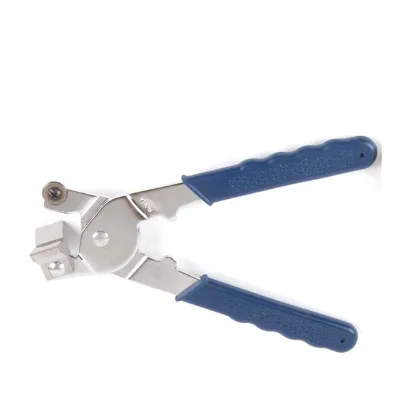
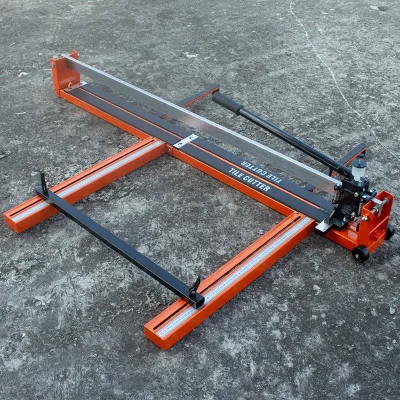

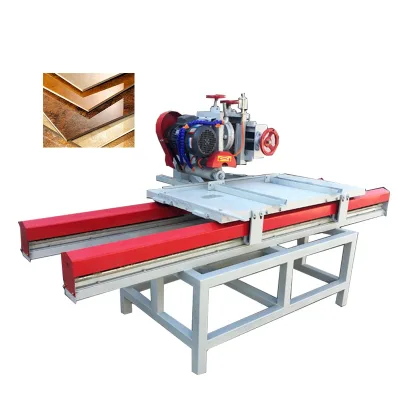


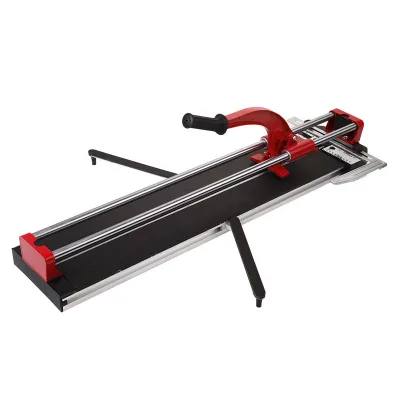
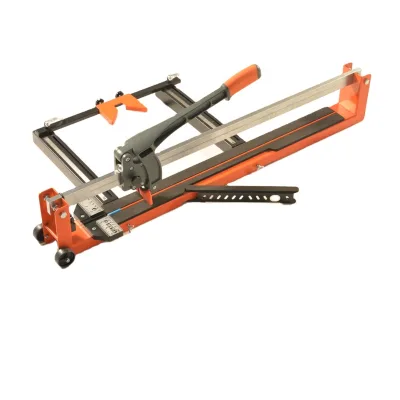
Comprehensive Sourcing Guide
Manual Tile Cutter Sourcing Guide
Procuring manual tile cutters requires distinguishing between basic hand tools and advanced CNC-assisted units designed for heavy industrial use. The market offers a diverse range of models, from simple manual guillotines to sophisticated machines capable of cutting ceramics, glass, marble, and jadestone. Buyers must first identify whether their workflow demands a purely manual operation or a system with CNC control capabilities, as the latter significantly alters the procurement strategy and budget requirements.
The observed product landscape includes specific model numbers such as TW-CZ-T7 and TWCO-CZ-J6001, which indicate specialized configurations for different cutting tasks. While some units are explicitly labeled as manual with artificial control, others in the same catalog may feature CNC automation, creating a potential confusion point for buyers. It is essential to verify the specific automation level and control mechanism for each listing to ensure the equipment matches the intended application in machinery and hardware sectors.
Product Scope and Observed Listing Signals
Buyers should scrutinize the listed product attributes to confirm the intended usage environment, as manual cutters are frequently marketed for both small-scale renovation and large-scale industrial production. The available data highlights applications in ceramics, glass, and stone processing, suggesting that the scope extends beyond simple residential tiling to include professional fabrication of marble and jadestone components. Understanding this breadth helps in selecting a machine that can handle the specific material hardness and thickness required for the project.
Listing signals such as the "Folded" attribute and specific packing types like "Carton" or "Box" provide critical logistical insights for international procurement. These details indicate the physical dimensions and portability of the units, which is vital for facilities with limited floor space or those requiring frequent relocation of equipment. Additionally, the presence of OEM customization support suggests that buyers can request tailored configurations, though this must be confirmed against the specific model number and standard requirements before placing an order.
Technical Specifications to Verify
Technical verification must begin with the cutting length and standard dimensions, as these parameters directly dictate the maximum tile size the machine can process. Observed specifications include ranges such as 600mm, 425mm, and 1250mm-1500mm, indicating that different models serve vastly different production scales. Buyers must match these cutting lengths to their inventory of materials to avoid purchasing a unit that is either too small for large slabs or unnecessarily large for standard tiles.
The source voltage and control type are equally critical technical factors that determine compatibility with existing facility infrastructure. Most observed units operate on a 220V source voltage, but the distinction between manual and CNC control systems remains a primary differentiator in performance. A manual unit with artificial control offers simplicity and lower maintenance, whereas a CNC-controlled system provides precision for complex cuts but requires a different skill set for operation and programming.
Compliance and Safety Documentation
Safety compliance is non-negotiable when sourcing industrial cutting machinery, particularly for equipment used in high-volume environments. The presence of certifications such as CE, CCC, and RoHS in the product data signals adherence to international safety and environmental standards, which is essential for importing goods into regulated markets. Buyers should request valid certification documents for the specific model number to ensure that the unit meets the legal requirements of the destination country before finalizing the purchase.
Beyond electrical safety, the quality grade and material construction of the cutter must align with professional-level usage standards. The observed use of stainless steel handles and aluminum components suggests a focus on durability and resistance to corrosion, which are vital for longevity in wet or dusty workshop environments. Procurement teams should verify that the quality grade matches the "Professional Level" designation to ensure the machine can withstand the rigors of continuous daily operation without premature failure.
Cost Drivers and Commercial Terms
Commercial terms are heavily influenced by the minimum order quantity (MOQ) and the customization options available for the selected model. The observed MOQ range spans from 1 to 500 pieces, indicating that buyers can source single units for testing or small projects, while larger orders may require bulk commitments. Understanding these thresholds is crucial for budgeting, as the unit price often fluctuates based on the volume purchased and the level of OEM customization requested.
Pricing structures are further complicated by the variety of product models and their associated specifications, such as cutting length and automation level. While specific prices are not universally fixed, the range of observed values suggests a significant variance between basic manual tools and advanced CNC systems. Buyers should negotiate based on the total cost of ownership, including shipping, packaging, and potential customization fees, rather than focusing solely on the initial unit price listed in the catalog.
Supplier Qualification and Quality Control
Supplier qualification requires a thorough review of the product origin and the specific manufacturing standards applied to each unit. The data indicates origins in Shanghai and Zhejiang, China, regions known for machinery production, but buyers must verify that the specific factory adheres to the claimed standards like DIN, ANSI, and JIS. Confirming the supplier's ability to meet these international standards ensures that the machinery will perform reliably and safely in a global market context.
Quality control processes should be validated through the supplier's ability to provide configuration confirmation before the order is finalized. This step is particularly important for custom orders where specific dimensions or material requirements must be met. Buyers should insist on a pre-production review of the configuration to ensure that the final product matches the agreed-upon specifications, thereby minimizing the risk of receiving equipment that does not meet the operational needs of the facility.
Long-Term Procurement Checks
Long-term procurement success depends on establishing a clear maintenance and support framework for the acquired machinery. Buyers should verify the availability of spare parts and the supplier's capacity to provide technical support for both manual and CNC models over the lifespan of the equipment. A robust support network is essential for minimizing downtime and ensuring that the cutting machine remains operational throughout its intended service life.
Finally, buyers must monitor the consistency of product standards and quality grades across future orders to maintain operational reliability. The observed variation in standards, such as 600mm versus 1800mm configurations, highlights the need for strict quality assurance protocols when reordering or expanding the fleet. Regular audits of the supplier's output and adherence to the initial quality grade promises will help sustain the efficiency and safety of the tile cutting operations over time.
FAQs
What cutting lengths are available for a Manual Tile Cutter?
Manual tile cutters are listed with cutting lengths ranging from 400mm to 1800mm, including models specified at 1250mm to 1500mm. Choose a machine whose maximum cutting length exceeds your largest tile size. Confirm the exact rail length and cutting capacity with the supplier before ordering, since configuration is confirmed prior to order placement.
Which materials can a Manual Tile Cutter handle?
Listed machines are suited to ceramics and glass, with some models also rated for marble and jadestone. Material compatibility depends on the cutting wheel, rail rigidity, and breaking mechanism of the specific model. For harder porcelain or stone tiles, verify the stated usage and professional quality grade with the supplier before committing to an order.
Can a Manual Tile Cutter be customized for specific requirements?
Yes, customization is available on listed products, and OEM support is offered by some suppliers. Typical customization covers specification adjustments and configuration details, which are confirmed with the buyer before the order is finalized. Provide your required cutting length, tile thickness, and usage scenario early so the supplier can confirm feasibility and any cost impact.
How is a Manual Tile Cutter packed for shipping?
Packing methods on listed products include carton, carton box, and box packing, with some units sold as a single item. Carton packaging protects the rail and cutting head during transit, while boxed units suit smaller models. Confirm packing format, unit dimensions, and gross weight with the supplier, since these affect freight cost and handling on arrival.
What voltage do electrically assisted cutting machines use?
Some listed cutting machines operate on a 220V source voltage, so buyers should match their site supply before ordering. Manual tile cutters themselves need no electricity, which suits dusty jobsites without reliable power. If you select a CNC or powered variant, confirm voltage, plug type, and local electrical compliance with the supplier in advance.
Which certifications and quality grades matter when buying?
Relevant certifications on listed products include CE, CCC, and RoHS, alongside standards such as DIN, ANSI, and JIS. These indicate electrical safety, materials compliance, and dimensional quality expectations. For professional-level use, check the stated quality grade, stainless steel handle material, and aluminum construction details, and request documentation before placing a bulk order.
What is the typical minimum order quantity for these cutters?
Listed MOQs range from 1 to 500 pieces, with one product specifying a 50-piece minimum. Sample or single-unit purchases are possible at the low end, while volume pricing applies at higher quantities. Negotiate MOQ alongside pricing and packing terms, since suppliers often adjust minimums for customized configurations or repeat orders.
Where are manual tile cutters sourced from?
Listed products originate from Shanghai and Zhejiang in China, which are established machinery and hardware production regions. Origin affects logistics cost, lead time, and access to component suppliers. Ask each supplier to confirm the actual place of origin, packing arrangements, and delivery schedule, because product pages list origins that may differ per model.