Source Manual Transfer Fuel Diesel Pump for Automotive, Farming, and Construction
Compare 30 verified suppliers offering Manual Transfer Fuel Diesel Pump options with customizable features like variable flow rates and electric drive capabilities. Buyers can evaluate specifications including pressure ratings, material composition, and packaging standards to find the right solution for their needs.
Updated
Key considerations
Products List


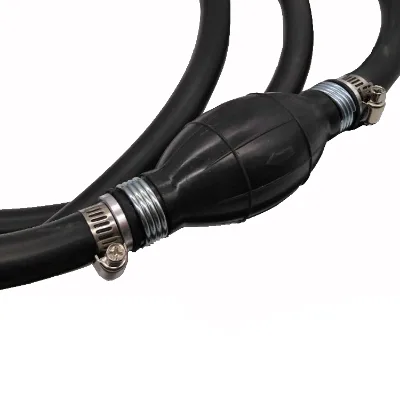
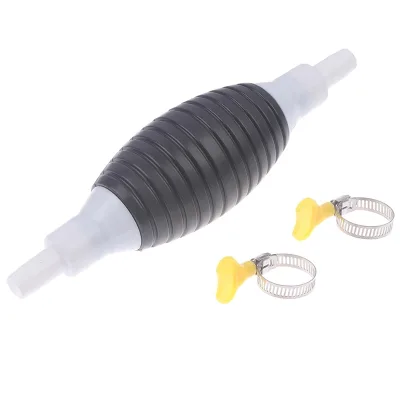
Fuel Pump Rubber Manual Oil Transfer Pump Petrol Diesel Liquid Manual Pump Fuel Saver
$0.9249 - $1.5575
MOQ: 100 pieces
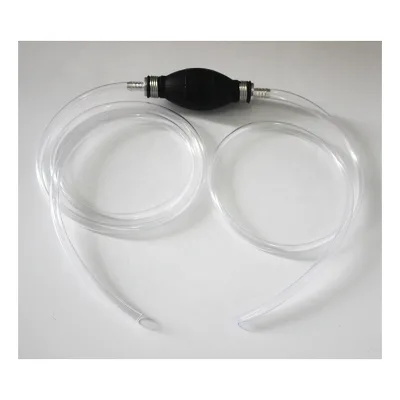

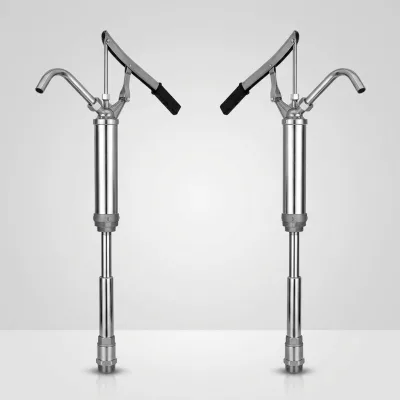
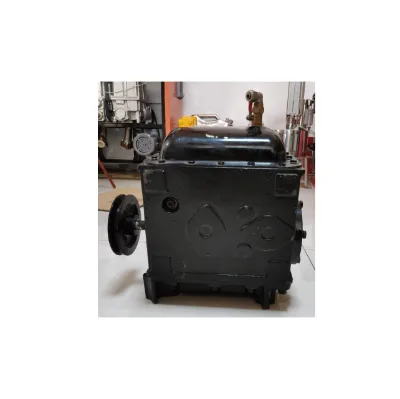
Fuel Transfer Pump Unit Ex-Proof Pump Diesel Gasoline Fuel Transfer Pump
$75.00 - $80.00
MOQ: 5 Pieces


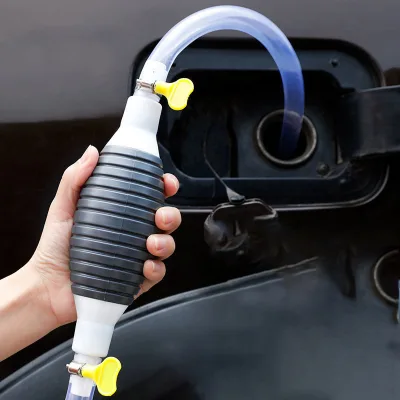


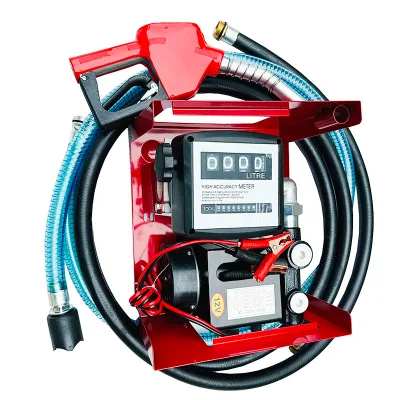
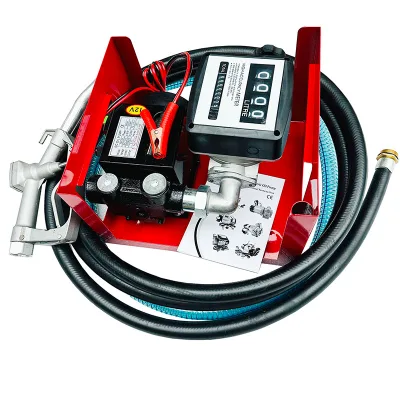
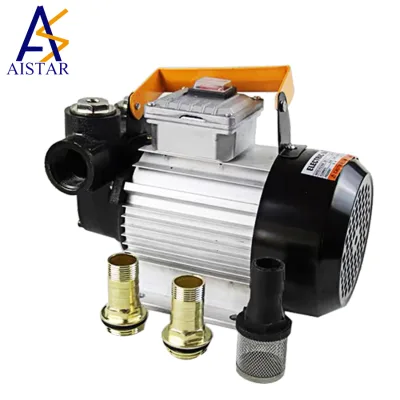
Electric Transfer Pump Oil diesel Pump With Automatic or Manual Handle Nozzle
$52.1937 - $104.3874
MOQ: 1 sets
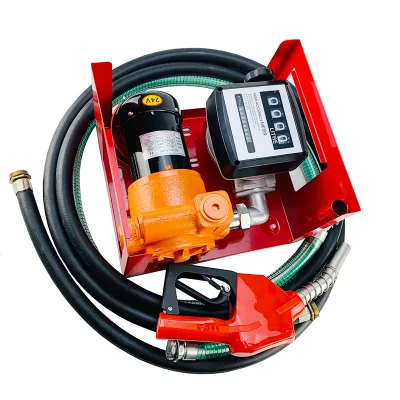
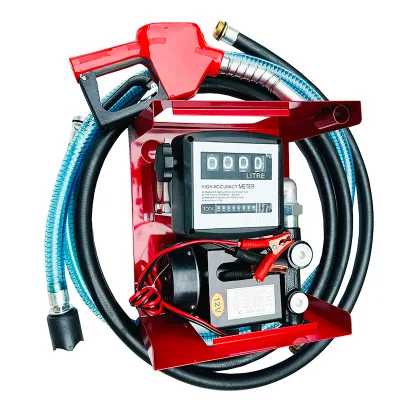
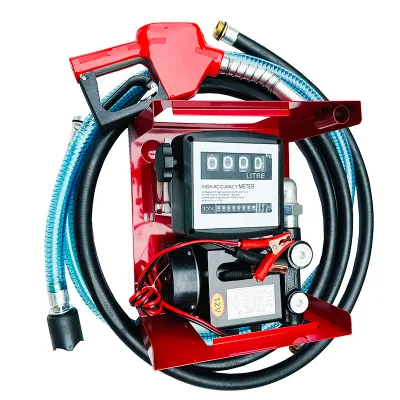


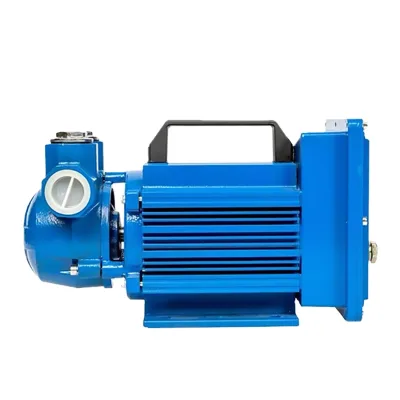
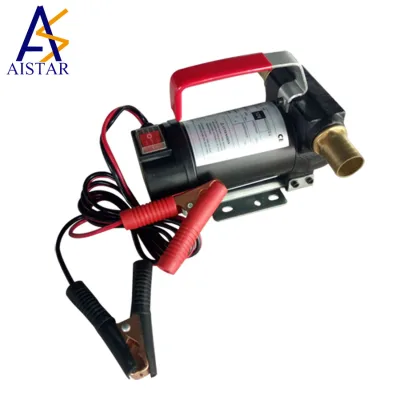
Diesel Transfer Pump 12V DC Electric Fuel Pump for Diesel Fuel Transfer
$35.00 - $50.00
MOQ: 100 Pieces

Comprehensive Sourcing Guide
Manual Transfer Fuel Diesel Pump Sourcing Guide
Procuring manual transfer fuel diesel pumps requires a careful distinction between true hand-operated mechanisms and electrically assisted units often mislabeled in global marketplaces. Buyers must first clarify whether the operational requirement is purely mechanical, relying on lever or piston action, or if an electric motor is acceptable for higher throughput. The observed market data indicates a significant presence of electric oil pumps with variable flow rates and specific voltage requirements, such as 12V kits, which may not meet the strict definition of a manual device. Therefore, initial supplier inquiries should explicitly define the power source as zero or manual to filter out electric alternatives that do not align with safety or operational constraints for non-electrified environments.
Once the power source is confirmed, the focus shifts to material compatibility and structural integrity under pressure. Diesel fuel is a solvent that can degrade certain plastics and rubbers, making material selection critical for long-term durability. Suppliers often list materials such as rubber and aluminum alloy, or pure rubber components, which must be verified for chemical resistance against specific diesel grades. Additionally, the internal structure, whether described as a vacuum pump or self-priming mechanism, dictates the pump’s ability to handle air pockets and maintain consistent flow. Buyers should request detailed material specifications and performance claims regarding pressure handling to ensure the selected unit will not fail under the specific viscosity and chemical properties of the fuel being transferred.
Product Scope and Observed Listing Signals
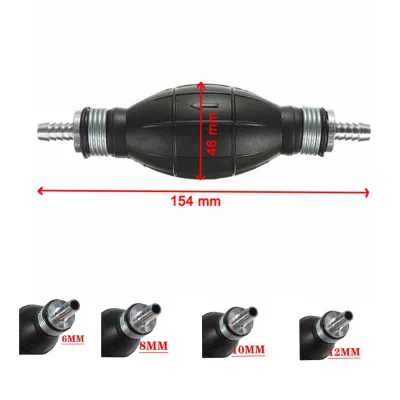
The current marketplace for fuel transfer equipment displays a wide variance in product categorization, ranging from simple hand pumps to complex electric kits. Observed listings include products labeled as "hand pump" or "oil hand pump" with specific model numbers like HKHP-01 and HK11-28, suggesting a standardized industrial design for manual operations. These items often feature customizable inner diameters, such as 4mm to 12mm, allowing for adaptation to various hose sizes and tank inlet configurations. The presence of customization options, including OEM and ODM support, indicates that many manufacturers are equipped to tailor these manual units to specific brand or operational requirements, providing flexibility for large-scale procurement projects.
Conversely, the market also contains numerous electric oil pumps with specifications like 100W power, 3000rpm speed, and 12V operation, which are frequently grouped with manual pumps in search results. These electric units often come with cable lengths of 2m and are packaged in cartons or wooden boxes, indicating a different logistical profile than simple manual tools. Buyers must carefully scrutinize product titles and attributes to avoid purchasing electrically driven devices when a manual solution is required. The distinction is crucial because manual pumps offer reliability in environments without power access, whereas electric pumps provide higher flow rates but introduce electrical safety considerations and dependency on power sources.
Technical Specifications to Verify
When evaluating technical specifications, the physical dimensions and weight of the pump are primary indicators of portability and ease of use. Observed data shows weights ranging from 78g to 85g for certain hand pump models, suggesting lightweight designs suitable for frequent handling and transport. However, other products may have significantly larger packaging dimensions, such as standard carton boxes measuring 34.00cm by 26.00cm by 18.00cm, which implies a more substantial assembly or inclusion of accessories. Buyers should verify the single package size and overall weight to ensure the pump fits within their logistical constraints and can be easily stored or transported to the point of use.
Flow rate and pressure capabilities are equally critical technical parameters that define the pump’s efficiency. While some listings mention variable pump flow rates for electric models, manual pumps typically rely on the operator’s speed and stroke length to determine output. It is essential to confirm whether the pump is self-priming, as this feature significantly enhances usability by eliminating the need to manually prime the line before each use. Additionally, the operating temperature range, observed as -10°C to +40°C for some units, must be checked against the environmental conditions where the pump will be deployed to prevent material brittleness or performance degradation in extreme climates.
Compliance and Safety Documentation
Safety documentation for fuel transfer equipment must address both material safety and operational hazards. Diesel fuel is flammable, and any transfer device must be constructed from materials that do not generate static electricity or spark, although specific anti-static certifications were not explicitly listed in the observed data. Buyers should request material safety data sheets (MSDS) for all wetted parts, particularly the rubber and aluminum alloy components, to ensure they are compatible with diesel and do not leach harmful substances. Verifying that the materials meet relevant chemical resistance standards is a critical step in preventing leaks, degradation, and potential environmental contamination during transfer operations.
Operational safety also involves clear labeling and user instructions, which are often part of the product packaging. The observed use of standard carton boxes and plastic bags for packing suggests that basic protective packaging is provided, but buyers should confirm if instructional manuals or safety warnings are included in the package. For products claiming ISO9001 certification, this indicates a quality management system that may indirectly support consistent manufacturing safety practices, but it does not replace the need for product-specific safety verification. Buyers should ensure that the supplier provides comprehensive documentation on proper usage, maintenance, and storage to minimize the risk of accidents during fuel handling.
Cost Drivers and Commercial Terms
The cost of manual transfer fuel diesel pumps is influenced by material quality, customization levels, and order volume. Observed minimum order quantities (MOQs) range from 1 to 300 pieces, with some suppliers requiring a minimum of 100 pieces for certain models. This variability allows buyers to test samples with low MOQs before committing to larger orders, which is a prudent strategy for verifying product quality and performance. The availability of free samples further reduces the initial risk for buyers, enabling them to assess the pump’s build quality, ease of use, and material integrity before finalizing a purchase agreement.
Pricing structures also depend on the level of customization requested, such as OEM branding or specific color options like black, white, or red. Customization typically incurs additional tooling or setup costs, which may be reflected in the unit price or as a separate fee. Buyers should clarify whether the quoted price includes packaging, such as wooden boxes or standard cartons, as these can add to the total landed cost. Additionally, warranty terms, observed as 1 year for some products, should be explicitly stated in the commercial contract to ensure coverage for manufacturing defects, providing an additional layer of financial protection for the buyer.
Supplier Qualification and Quality Control
Supplier qualification begins with verifying the manufacturer’s location and production capabilities. Observed origins include Jiangsu, Shandong, and Zhejiang in China, regions known for their manufacturing infrastructure. Buyers should assess the supplier’s ability to provide consistent quality across batches, particularly when dealing with rubber and metal components that may vary in quality. The presence of processing services like molding and cutting suggests that the supplier has in-house manufacturing capabilities, which can be advantageous for maintaining quality control and reducing lead times compared to trading companies.
Quality control processes should be explicitly discussed, including inspection protocols for finished goods. Buyers should inquire about the testing procedures used to verify the pump’s performance, such as pressure testing or flow rate verification, even if specific test results were not provided in the initial data. Requesting third-party inspection reports or factory audit results can provide additional assurance of the supplier’s reliability. Furthermore, verifying the supplier’s ability to handle customization requests, such as specific inner diameters or branding, ensures that they have the technical expertise to meet the buyer’s specific requirements without compromising product integrity.
Long-Term Procurement Checks
Long-term procurement success depends on establishing a reliable supply chain for replacement parts and future orders. Buyers should confirm the availability of spare parts, such as seals or valves, which are subject to wear and tear during regular use. Ensuring that the supplier can provide these components separately or as part of a maintenance kit extends the lifespan of the initial investment and reduces downtime during fuel transfer operations. Additionally, verifying the supplier’s ability to maintain consistent product specifications over time is crucial, especially if the pump is integrated into a larger fuel management system that requires specific dimensional or performance standards.
Regular performance reviews of the supplied pumps should be conducted to identify any recurring issues or degradation in quality. Buyers should track metrics such as failure rates, customer feedback, and maintenance frequency to assess the overall value of the procurement. Establishing a clear communication channel with the supplier for addressing quality concerns and requesting improvements ensures that any issues are resolved promptly. By maintaining a proactive approach to supplier management and quality monitoring, buyers can secure a stable supply of reliable manual transfer fuel diesel pumps that meet their operational needs over the long term.
FAQs
What materials are used for manual transfer fuel diesel pumps?
Manual transfer fuel diesel pumps are typically constructed from durable rubber and aluminium alloy to ensure longevity and resistance to corrosion. Some models utilize high-grade rubber for seals and hoses, providing flexibility and leak-proof performance during operation. These material choices support reliable fluid handling in various industrial and automotive applications without compromising structural integrity.
Can I customize the inner diameter of the pump tubing?
Yes, customization is available for the inner diameter of the pump tubing. Options include 4mm, 6mm, 8mm, 10mm, or 12mm, or fully customizable sizes to meet specific operational requirements. This flexibility allows buyers to select the precise flow rate and compatibility needed for their specific fuel transfer systems and equipment interfaces.
What is the typical weight of a hand-operated oil pump?
The typical weight of a hand-operated oil pump ranges from 78g to 85g. This lightweight design facilitates easy handling and portability for operators during manual transfer tasks. The compact and light construction ensures that users can operate the device efficiently without fatigue, making it suitable for frequent use in automotive and industrial maintenance settings.
Which certifications do these pumps usually carry?
These pumps often carry ISO9001 certification, indicating adherence to international quality management standards. This certification ensures that the manufacturing processes meet rigorous quality control requirements, providing buyers with confidence in the product's consistency and reliability. Buyers should verify specific certification documents with suppliers to ensure compliance with their organizational quality standards.
What is the minimum order quantity for these pumps?
The minimum order quantity for these pumps is typically 100 pieces. This MOQ allows for efficient production runs while accommodating small to medium-sized procurement needs. Buyers requiring smaller quantities should consult suppliers directly, as some may offer flexible terms or sample orders, though standard bulk pricing applies to orders meeting the minimum threshold.
Where are these pumps primarily manufactured?
These pumps are primarily manufactured in regions such as Jiangsu, Shandong, and Zhejiang in China. These locations are known for their robust manufacturing infrastructure and expertise in producing automotive and industrial components. Buyers can source products from these origins, ensuring access to established supply chains and competitive pricing structures for bulk procurement.