Source Marine Diesel Engine Seat Packing for boats, buses, and ships
Find 30 listings for Marine Diesel Engine Seat Packing options including PE film warp, marine grade carton, and wooden case. Buyers can compare models like SKL NVD48A-2U and Lt-PS-V02 with varying MOQs and specifications for boat, bus, and ship applications.
Key considerations
Products List


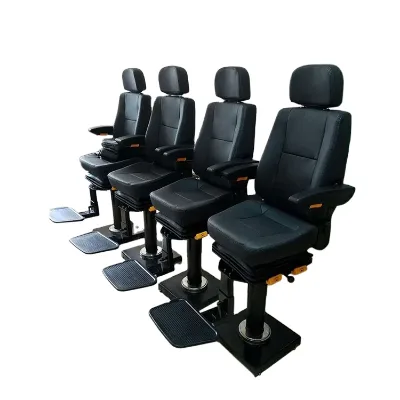
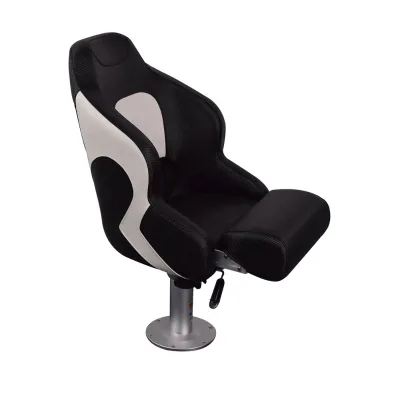
Marine Folding pilot Seat for Boat Ferry Bus Boat Seat with Competitive Price
$610.68 - $2035.61
MOQ: 1 Minimum




Comprehensive Sourcing Guide
Strategic Sourcing Guide for Marine Diesel Engine Seat Packing
Procuring specialized seating solutions for marine diesel engine environments requires a rigorous approach that balances structural integrity, safety compliance, and logistical precision. The core keyword "Marine Diesel Engine Seat Packing" encompasses not merely the physical cushioning but the entire assembly, including the frame, upholstery, and the protective packaging required to transport these components across international supply chains. Buyers must navigate a complex landscape where the "New" condition of the product, the specific "High-Density, High Rebound Flame Retant Sponge" used in cushions, and the "6061 Aluminum Alloy" frame material are critical variables. This guide outlines the essential factors for sourcing these components, focusing on the observed data points regarding packing standards, model specifications, and customization capabilities to ensure a procurement strategy that mitigates risk and ensures operational readiness.
Technical Specifications and Material Composition
The foundation of any successful procurement for marine seating lies in understanding the precise technical specifications of the product. The market data indicates a diverse range of models, from the "SKL NVD48A-2U" and "SKL VD26/20" to specific valve spindle seats for "MAN B&W" engines. When sourcing a "Product Name: Ship Passenger Seat with 6061 Aluminum Structure," buyers must verify that the frame material matches the "6061 Aluminum Alloy" designation, which offers a high strength-to-weight ratio essential for marine applications. The seat back construction often utilizes a "Steel Inner and PU" combination, providing the necessary rigidity while maintaining comfort.
Crucially, the cushioning material is a primary differentiator. The observed specifications highlight "High-Density, High Rebound Flame Retant Sponge" as a standard attribute. In a marine diesel engine environment, where heat and potential fire hazards are concerns, the flame-retardant property is not optional but a critical safety requirement. The "A Class" leatheriness mentioned in the data suggests a high-grade finish, though buyers should confirm the specific leather type and its resistance to salt spray and UV degradation. The surface treatment is noted as "Polished," which aids in cleaning and corrosion resistance. Furthermore, the "Optional Configuration" list includes "Beam and Rail Decoration," "Lifejacket Bag," "Magazine Bag," "Cup Bag," and "Table Board," indicating that the final product is often a modular system rather than a single unit. Buyers must define these optional configurations early to ensure the supplier can deliver a complete assembly that meets the vessel's specific layout requirements.
Packaging Standards and Logistics Protection
The term "packing" in the context of marine diesel engine seats refers to the protective measures taken to prevent damage during transit. The supply chain data reveals a variety of packaging methods, ranging from "PE Film Warp + Marine Grade Carton" to "Carton+Pallet" and "Wooden Case." The selection of the packaging method is directly tied to the product's fragility and the shipping route. For high-value items like the "Ship Passenger Seat," the "Wooden Case" provides superior protection against the harsh conditions of ocean freight, while "Exported Package" is a general term that may imply standard compliance but requires specific verification.
The dimensions of the packaging are equally critical for logistics planning. Observed standards include specific measurements such as "600510520mm," "540610510mm," and "10668106cm." These figures dictate the container loading efficiency and the storage space required on the vessel. A buyer must ensure that the "prod_packing" description matches the physical dimensions of the seat to avoid discrepancies in shipping costs or storage capacity. The "Container" package type mentioned in the data suggests that these items are often shipped in bulk, requiring careful stacking and securing to prevent shifting during rough seas. The "Beams and Rail Head" being made of "PVC Plastic Resin" also influences the packing strategy, as this material may require specific cushioning to prevent scratching or deformation.
Compliance, Certification, and Safety Standards
Navigating the regulatory landscape is a non-negotiable aspect of sourcing marine equipment. The data references "ECE R44" as a standard for baby seats, which, while specific to child restraints, highlights the existence of rigorous safety benchmarks in the marine sector. For marine diesel engine seats, the primary concern is often fire safety and structural integrity under load. The "High-Density, High Rebound Flame Retant Sponge" must comply with international maritime fire safety regulations, such as those set by the International Maritime Organization (IMO).
The certification landscape includes "TSCE" and "ISOStandard Component" mentions in the data. While "ISO9001" is noted as a background standard, buyers should verify if the supplier holds specific certifications for marine components. The "Non-Standard Component" designation for certain parts implies that custom engineering is involved, which necessitates a thorough review of the engineering drawings and material certificates. The "Condition: New" attribute is a baseline expectation, but buyers must ensure that "New" implies factory-fresh, unused components with valid warranty coverage. The "Quality: High" attribute is a qualitative claim that must be substantiated through third-party inspection reports or factory audits.
Cost Drivers and Pricing Dynamics
The pricing for marine diesel engine seats is influenced by a complex interplay of factors, including material costs, customization levels, and packaging requirements. The observed price range of "0.5-3000" USD reflects the vast difference between a simple valve spindle seat and a fully equipped passenger seat with aluminum frames and optional configurations. The "MOQ: 200PCS" and "MOQ: 500PCS" ranges indicate that economies of scale play a significant role in unit pricing. Buyers ordering smaller quantities may face higher per-unit costs, while those meeting the higher MOQ thresholds can negotiate better rates.
Customization is a major cost driver. The "Customized" attribute and "Customization: Available" status suggest that buyers can tailor the seat to specific vessel requirements, such as the "Beam and Rail Decoration" or specific bag configurations. However, these customizations often incur additional tooling and engineering fees. The "Payment Term: T/T" is a standard industry practice, but buyers should be aware that the timing of payments can affect cash flow and supplier prioritization. The "Service: OEM" capability indicates that the supplier can manufacture to the buyer's specifications, which adds value but also complexity to the cost structure.
Supplier Evaluation and Capability Assessment
Selecting the right supplier requires a deep dive into their capabilities and track record. The data indicates that suppliers are located in "Fujian," China, a region known for its manufacturing prowess in marine components. The "prod_origin: China" confirms the geographic source, but buyers should verify the specific factory's experience with marine diesel engine applications. The "Technics: Forging" attribute suggests that the supplier has the capability to produce high-strength metal components, which is essential for the structural integrity of the seats.
The "Customization Service: OEM / ODM Available" is a key indicator of a supplier's flexibility. Buyers should assess whether the supplier can handle both Original Equipment Manufacturer (OEM) orders, where they produce to the buyer's exact design, and Original Design Manufacturer (ODM) orders, where they provide their own designs. The "Item: Seat" and "Item: Bus Seat" distinctions highlight the need to ensure the supplier specializes in marine applications rather than general automotive or bus seating. The "Usage: Overhaul, Repair, Replacement" suggests that the supplier may also serve the maintenance market, which requires a different level of service and parts availability compared to new construction projects.
Quality Control and Long-Term Procurement
Quality control is paramount in marine applications, where failure can lead to catastrophic consequences. The "Quality: High" attribute must be validated through a robust quality assurance plan. This includes verifying the "Surface Treatment: Polished" process to ensure uniformity and corrosion resistance. The "Cushion" material must be tested for flame retardancy and durability under high-humidity conditions. The "Standard: STD" and "Standard: Custom" designations indicate that buyers must clearly define the acceptance criteria before production begins.
Long-term procurement considerations involve the availability of spare parts and the durability of the product. The "Model No.: Lt-PS-V02" and "L T-PS-V02" references suggest that specific models have a lifecycle that buyers must plan for. The "Optional Configuration" list implies that future upgrades or modifications may be necessary, so the supplier should be capable of providing compatible parts. The "Packaging" method should also be evaluated for its ability to protect the product during long-term storage if the vessel is not immediately commissioned. Buyers should establish a clear communication channel with the supplier for after-sales support and warranty claims.
Comparison of Packaging and Specification Profiles
To facilitate decision-making, the following table summarizes the key variations in packaging and specifications observed in the market data. This comparison helps buyers identify the specific requirements for their project.
| Feature Category | Observation A | Observation B | Observation C |
|---|---|---|---|
| Packaging Type | PE Film Warp + Marine Grade Carton | Carton + Pallet | Wooden Case |
| Standard Dimensions | 600510520mm | 540610510mm | 10668106cm |
| Material Focus | 6061 Aluminum Alloy Frame | Steel Inner + PU Back | PVC Plastic Resin Beams |
| Cushion Type | High-Density Flame Retant Sponge | High Rebound Sponge | Standard Sponge |
| MOQ Requirement | 200 PCS | 500 PCS | Variable |
| Customization | OEM / ODM Available | Customized | Standard |
| Application | Marine Diesel Engine | Bus Seat | Ship Passenger |
| Certification | TSCE, ISOStandard | ECE R44 | Non-Standard Component |
This table illustrates the diversity in the market. Buyers must align their specific needs with the correct profile. For instance, a project requiring a "Wooden Case" for long-distance ocean freight will differ significantly from one using "Carton + Pallet" for regional distribution. Similarly, the choice between "6061 Aluminum Alloy" and "Steel Inner" frames will impact the weight and corrosion resistance of the final product.
Final Procurement Considerations
In conclusion, sourcing Marine Diesel Engine Seat Packing involves a meticulous evaluation of technical specifications, packaging standards, and supplier capabilities. The data points regarding "Fujian" as the province, "China" as the origin, and the specific model numbers provide a clear starting point for supplier identification. However, the buyer must go beyond these basic facts to verify the "High" quality claims and the specific "Flame Retant" properties of the cushions. The "Customization" options offer significant flexibility, but they also introduce complexity that must be managed through clear communication and detailed contracts. By adhering to the observed standards and verifying the certification status, buyers can ensure that their procurement strategy delivers reliable, safe, and durable seating solutions for their marine operations. The "T/T" payment terms and the "New" condition of the products are standard expectations, but the true value lies in the supplier's ability to meet the specific "Overhaul, Repair, Replacement" needs of the marine industry.
FAQs
What packaging methods are available for marine diesel engine seats?
Available packaging includes PE Film Warp with Marine Grade Carton, Carton plus Pallet, and Wooden Case. Buyers should select based on shipping distance and product fragility to ensure safe transit across international supply chains.
Which material is used for the seat frame in marine applications?
The seat frame is constructed from 6061 Aluminum Alloy for high strength-to-weight ratio. This material ensures durability and corrosion resistance essential for marine diesel engine environments and passenger safety.
Can suppliers offer customized seating solutions for specific vessels?
Yes, customization services including OEM and ODM are available for these seats. Buyers can request specific configurations like beam decorations or bag additions to meet unique vessel layout requirements.
What is the minimum order quantity for purchasing these seats?
The minimum order quantity ranges from 200 to 500 pieces depending on the specific model. Buyers ordering smaller quantities may face higher per-unit costs compared to those meeting the higher thresholds.
How are the seat cushions treated for fire safety in marine settings?
Cushions utilize High-Density, High Rebound Flame Retant Sponge to meet safety standards. This material is critical for preventing fire hazards in marine diesel engine environments where heat and potential ignition sources exist.
Where are the manufacturers of these marine seats located?
Manufacturers are located in Fujian, China, a region known for marine component production. Buyers should verify specific factory capabilities and experience with marine diesel engine applications when selecting a supplier.