Find Medium Speed Pelton Turbine for hydro plants, irrigation, and mining
Source 30 verified listings for the Medium Speed Pelton Turbine designed for hydroelectric generation, irrigation systems, and mining operations. Compare technical specs including voltage, flow rate, and head height from suppliers in China.
Key considerations
Products List
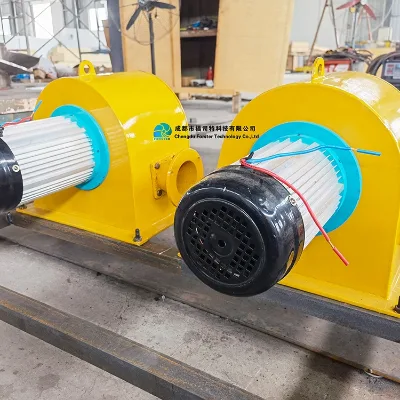


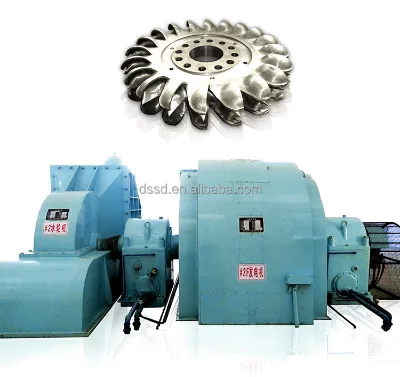


2000kw 2MW Pelton Turbine, Kaplan Turbine Permanent Magnet Generator
$380.00 - $45000.00
MOQ: 1 Pieces

1500kw 1.5MW Pelton Turbine, Kaplan Turbine Permanent Magnet Generator
$380.00 - $45000.00
MOQ: 1 Pieces


Vertical Hydraulic Turbine Wind Hydro Turbine Generator Hydro Generator Pelton Turbine for Sale
$380000.00 - $9000000.00
MOQ: 1 Sets
Comprehensive Sourcing Guide
Strategic Sourcing Guide for Medium Speed Pelton Turbines
Understanding Technical Specifications and Performance Parameters
When sourcing a Medium Speed Pelton Turbine, buyers must first establish a clear understanding of the specific technical parameters that define the equipment's operational envelope. The core of the pelton turbine design lies in its ability to convert high-head water flow into mechanical energy. Based on available product data, these units are engineered to operate within a significant range of water heads, specifically observed between 18 meters and 110 meters, with some configurations targeting approximately 1000 meters of water head. This variability indicates that the "medium speed" classification is context-dependent and must be matched precisely to the site's hydraulic conditions.
The electrical and mechanical output specifications are equally critical for integration. The rated power for these units typically falls within the 3kW to 5kW range for smaller applications, though larger industrial configurations may extend up to 5000kW or even 20MW. The rated speed is a fixed parameter in many designs, often observed at 1000 revolutions per minute (r/min). This speed must align with the generator's requirements. Furthermore, the voltage compatibility is a primary consideration for grid connection or off-grid systems. The observed voltage options include 110V, 220V, 380V, and 400V, with higher voltage outputs available at 800V, 6.3kV, and 10.5kV for larger power ranges. The frequency of operation is generally standardized at 50Hz or 60Hz, requiring buyers to verify local grid standards before procurement.
The flow rate is another defining characteristic, with observed ranges between 0.01 and 0.035 cubic meters per second for specific models. The excitation system, which is vital for maintaining stable voltage output, can be either brushless or static, a feature that impacts long-term maintenance requirements. The blade material is typically constructed from stainless steel or carbon steel, offering a choice between corrosion resistance and cost efficiency depending on the water quality. Understanding these parameters is the first step in filtering the market to find a turbine that matches the specific hydraulic head and flow rate of the intended installation site.
Compliance, Certification, and Regulatory Standards
Navigating the compliance landscape is essential for ensuring that a pelton turbine meets international safety and quality benchmarks. The supply chain for these industrial components often references a variety of certifications and standards. Buyers should verify that the supplier possesses valid documentation for ISO 9001, which indicates a certified quality management system. Additionally, specific product certifications such as CE, TUV, and ASTM are frequently cited in product listings. For electrical components, compliance with IEC standards is often required to ensure safe integration with power generation systems.
The manufacturing process itself is subject to specific standards that affect the final product's integrity. The data indicates that processing methods include CNC machining and constant temperature annealing, which are critical for achieving the necessary metallurgical properties. The casting method employed is often thermal gravity casting, utilizing oil sand cores and clay dry sand types. These processes must adhere to specific standards, such as GB (Chinese National Standards) or other international equivalents like CE/IEC/ISO. It is important to note that while "FDA Approved" is listed in some product attributes, this is generally applicable to food-grade or medical components and may not be relevant for heavy industrial hydropower equipment; buyers should clarify the applicability of such claims to their specific use case.
When evaluating a supplier, the buyer must request proof of these certifications rather than relying on marketing claims. The presence of a certificate does not automatically guarantee that every unit in a batch meets the standard, but it indicates that the manufacturer has a system in place to maintain consistency. The standard for the sprocket and other mechanical components may also be referenced as "sprocket-200" or similar internal codes, which should be cross-referenced with the buyer's engineering requirements. Ensuring that the turbine and its auxiliary components, such as the excitation system and transmission chains, meet the relevant safety and performance standards is a non-negotiable aspect of the procurement process.
Cost Drivers and Pricing Structures
The pricing of a Medium Speed Pelton Turbine is influenced by a complex interplay of factors, including power output, material composition, and customization requirements. The observed price range in the market is extremely broad, spanning from approximately $2.80 to $9,000,000. This vast disparity reflects the difference between small-scale micro-hydro units and large industrial power generation systems. For a buyer focusing on the 3kW to 5kW range, the cost will be significantly lower than for a unit capable of 5000kW or 20MW.
Material costs are a primary driver of the final price. The choice between stainless steel and carbon steel for the blades directly impacts the manufacturing cost and the lifespan of the turbine. Stainless steel offers superior resistance to corrosion and erosion, which is beneficial for water with high sediment content, but it comes at a premium. Similarly, the complexity of the casting process, such as the use of thermal gravity casting with specific sand core types, adds to the production cost. Customization is a significant factor; the ability to tailor the model number, voltage, and head specifications to the site's unique conditions often incurs additional engineering and tooling fees.
Other cost drivers include the packaging and logistics. The standard packaging for these heavy industrial items is a fumigated wooden box, often with a bracket for stability during transit. This specialized packaging is necessary to protect the turbine from damage during shipping and adds to the overall cost. The lead time, typically ranging from 15 to 25 days, also influences the pricing structure, as expedited production or rush orders may carry a premium. Buyers should be aware that the "Selling Units" are often listed as single items, meaning the price quoted is for the complete unit rather than a per-component rate. Understanding these variables allows buyers to budget effectively and negotiate based on the specific configuration required for their project.
Typical Applications and Operational Environments
Medium speed pelton turbines are designed for a diverse range of applications, primarily driven by the availability of high-head water resources. The observed head range of 18m to 110m, and up to 1000m in some configurations, makes these turbines ideal for mountainous regions where elevation changes are significant. In such environments, the potential energy of the water is high, making the pelton turbine the most efficient choice for energy conversion. These units are commonly deployed in remote hydropower projects where grid connection is not feasible, serving as a reliable source of electricity for rural electrification or industrial off-grid operations.
The specific applications also depend on the power output and voltage requirements. Smaller units with a rated power of 3kW to 5kW are suitable for powering individual facilities, small communities, or remote research stations. Larger units, capable of generating up to 20MW, are utilized in commercial power generation plants that feed into the local grid. The versatility of the excitation system, whether brushless or static, allows these turbines to adapt to different load conditions and grid stability requirements. The color options, ranging from white, gray, and blue to natural finishes, are often selected based on aesthetic requirements or environmental blending, though they do not affect performance.
The operational environment must be carefully considered regarding the material selection. The use of stainless steel blades is particularly advantageous in areas with aggressive water chemistry or high sediment loads, which can cause rapid wear on carbon steel components. The transmission chain and sprocket types, such as the dedicated chain type or steel sand cast sprockets, must be robust enough to handle the mechanical stresses of continuous operation. Whether the application is for a small-scale hydro project in a developing region or a large-scale industrial facility, the Medium Speed Pelton Turbine offers a proven solution for harnessing hydraulic energy efficiently.
Supplier Evaluation and Supply Chain Reliability
Evaluating suppliers for medium speed pelton turbines requires a rigorous assessment of their manufacturing capabilities, geographic location, and supply chain reliability. The origin of these products is often cited as Sichuan, China, with other locations including Ningbo and Ganzhou. These regions are known for their industrial manufacturing bases, but buyers should verify the specific factory location to ensure it aligns with their logistical and quality expectations. The supply ability is a critical metric, with some suppliers offering a capacity of 50 pieces per month. This capacity must be sufficient to meet the buyer's project timeline, especially if multiple units are required.
The customization capability of the supplier is another key evaluation criterion. The ability to provide customized models, such as specific model numbers like CJ22-W-15 or tailored specifications for voltage and head, indicates a flexible manufacturing process. Buyers should inquire about the supplier's experience with similar projects and their ability to adapt the design to unique site conditions. The port of dispatch, often Shanghai, is a standard logistics hub, but the lead time of 15 to 25 days must be factored into the project schedule. Delays in production or shipping can have significant impacts on the overall project timeline, so a reliable track record is essential.
When assessing a supplier, buyers should also look for evidence of quality control processes. The use of CNC machining and constant temperature annealing suggests a high level of precision in manufacturing. However, buyers should request detailed quality assurance reports and inspection records to verify that the products meet the specified standards. The packaging details, such as the fumigated wooden box, are also an indicator of the supplier's attention to detail and commitment to protecting the product during transit. By thoroughly evaluating these factors, buyers can identify suppliers who are capable of delivering high-quality, reliable pelton turbines that meet their specific project requirements.
Quality Control and Long-Term Procurement Considerations
Ensuring the long-term reliability of a Medium Speed Pelton Turbine requires a robust quality control strategy and a focus on long-term procurement considerations. The manufacturing process, which includes thermal gravity casting and specific sand core types, must be monitored to prevent defects that could compromise the turbine's performance. Buyers should insist on pre-shipment inspections that verify the dimensions, material composition, and surface finish of the turbine components. The use of standardized testing protocols, aligned with the mentioned certifications like ISO 9001, helps ensure consistency across production batches.
Long-term procurement considerations extend beyond the initial purchase to include maintenance, spare parts availability, and technical support. The choice of materials, such as stainless steel versus carbon steel, will influence the maintenance schedule and the lifespan of the turbine. Buyers should negotiate for a comprehensive spare parts package, including sprockets, transmission chains, and excitation system components, to minimize downtime in the event of wear or failure. The packaging, which includes a wooden box with a bracket, should be designed to facilitate easy installation and future maintenance access.
Furthermore, the customization options available from the supplier can play a crucial role in long-term performance. Tailoring the turbine to the specific site conditions, such as the exact water head and flow rate, ensures optimal efficiency and reduces the risk of premature failure. Buyers should also consider the scalability of the solution; if the project requires expansion in the future, the supplier should be able to provide additional units that are compatible with the existing infrastructure. By prioritizing quality control and planning for long-term needs, buyers can secure a reliable and efficient power generation solution that delivers value over the lifespan of the project.
Final Procurement Strategy and Verification Checklist
To conclude the sourcing process, buyers should adopt a structured verification checklist to ensure all critical aspects of the Medium Speed Pelton Turbine procurement are addressed. This checklist should include verification of the technical specifications, such as the rated power, voltage, and head range, against the site requirements. Buyers must confirm the presence of valid certifications, including ISO 9001, CE, and TUV, and verify the specific standards applied to the manufacturing process. The supply chain reliability, including the supplier's location, lead time, and supply ability, should be assessed to ensure timely delivery.
The cost analysis should be comprehensive, taking into account the base price, customization fees, packaging costs, and logistics expenses. Buyers should also evaluate the long-term maintenance requirements and the availability of spare parts. Finally, the supplier's track record and ability to provide technical support should be thoroughly investigated. By following this structured approach, buyers can mitigate risks and secure a high-quality Medium Speed Pelton Turbine that meets their specific operational needs. The integration of these factors ensures a successful procurement outcome, delivering a reliable and efficient power generation solution for the intended application.
FAQs
What is the typical water head range for these turbines?
The typical water head range spans from 18 meters to 110 meters, with some configurations reaching approximately 1000 meters. This variability allows the turbine to adapt to different site conditions, requiring buyers to match the specific head to their hydraulic environment.
Which certifications should I verify for quality assurance?
Buyers should verify ISO 9001, CE, TUV, and ASTM certifications to ensure quality and safety standards. These documents indicate that the manufacturer maintains a certified quality management system and adheres to international benchmarks for industrial equipment manufacturing.
How long is the standard delivery time for these units?
The standard delivery time typically ranges from 15 to 25 days after order confirmation. This lead time accounts for manufacturing processes like CNC machining and packaging, though expedited options may incur additional costs or require specific supplier agreements.
Can I customize the voltage and power output specifications?
Yes, customization is available for voltage, power output, and other specifications to match site requirements. Buyers can request specific voltage options like 110V, 220V, or 380V, and power ratings ranging from 3kW up to 20MW depending on the model.
What materials are used for the turbine blades?
Blades are typically constructed from stainless steel or carbon steel to balance corrosion resistance and cost. Stainless steel offers superior durability in aggressive water conditions, while carbon steel provides a cost-effective solution for less demanding environments.
How is the product packaged for international shipping?
The product is packaged in fumigated wooden boxes, often with brackets for stability during transit. This specialized packaging protects the heavy industrial equipment from damage and meets mandatory export treatment requirements for safe global transportation.
What is the rated speed of the medium speed turbine?
The rated speed is often fixed at 1000 revolutions per minute for many designs. This speed must align with the generator's requirements to ensure efficient energy conversion and stable operation within the intended power generation system.