Source Medium Tension Camshaft Dephaser Pulley for Renault Megane, Clio, Dacia
Compare 30 listings for the Medium Tension Camshaft Dephaser Pulley compatible with Renault Megane, Clio, and Dacia models. Buyers can review specifications, OE numbers, and pricing to find suitable replacement parts for engine repair.
Key considerations
Products List
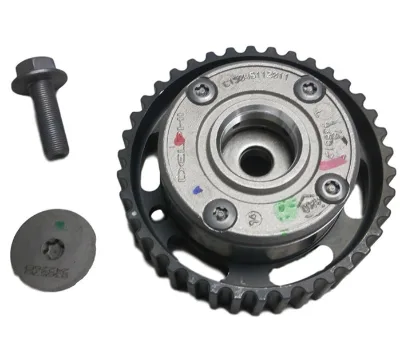
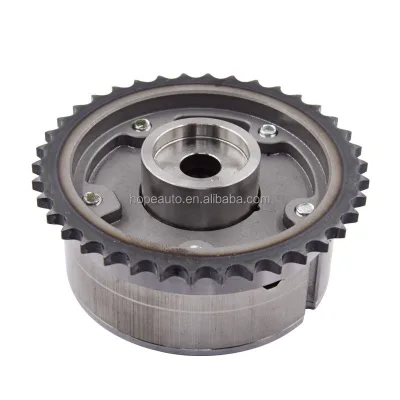
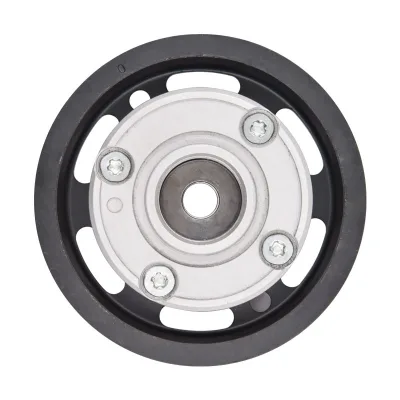
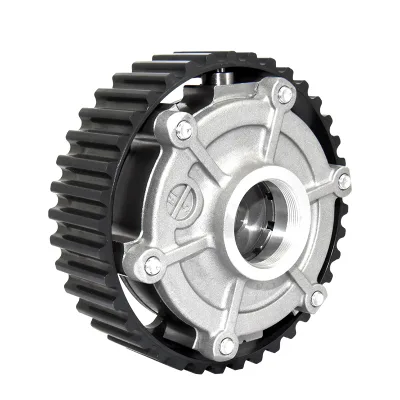
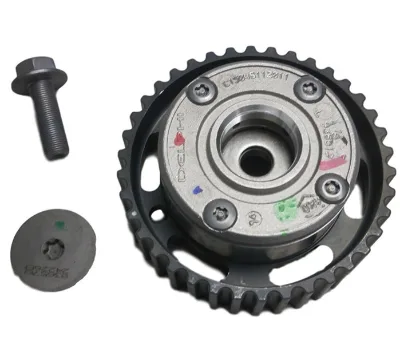


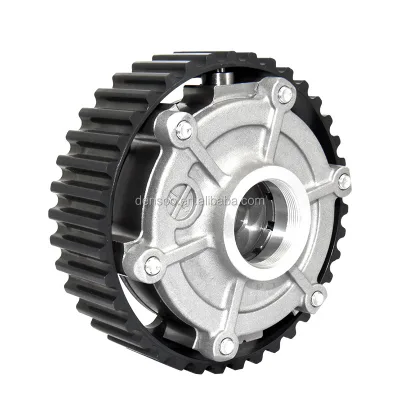

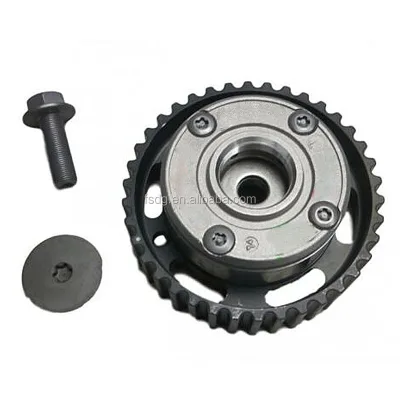
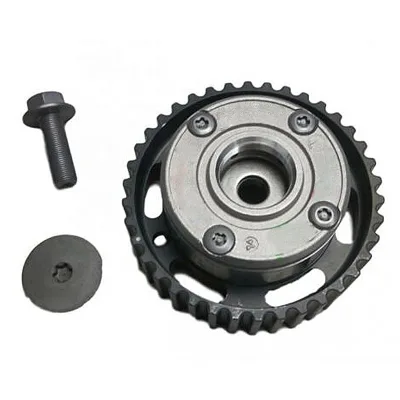
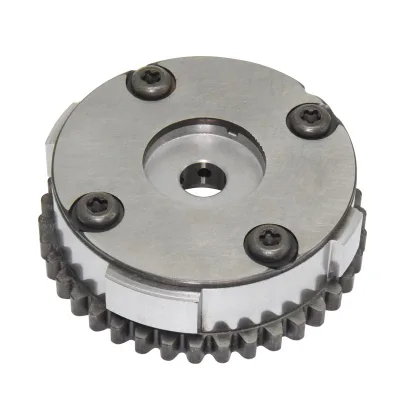
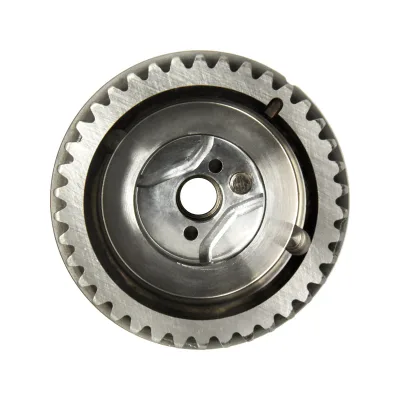


High Performance Auto Engine Parts 1345A065 Drive Belt Tensioner Pulley
$16.00 - $18.00
MOQ: 10 Pieces

Comprehensive Sourcing Guide
Strategic Sourcing Guide for Medium Tension Camshaft Dephaser Pulleys
Understanding Technical Specifications and Compatibility
When sourcing a Medium Tension Camshaft Dephaser Pulley, the primary objective is to identify components that precisely match the mechanical requirements of the target engine architecture. These components, often referred to as camshaft adjusters or variable valve timing (VVT) pulleys, are critical for optimizing engine performance, fuel efficiency, and emissions control. The technical landscape for these parts is defined by specific model numbers, OE references, and material compositions that vary significantly between manufacturers and engine families.
In the context of Renault and Dacia applications, the market presents distinct variations in part specifications. For instance, specific listings identify the product as a "DEPHASER PULLEY" with the model number 7701478459, designed explicitly for the Renault Clio III Sport 2.0 16V. Conversely, other inventory entries point to a "Camshaft Adjuster" with model number 130250457R, intended for Renault Dacia 1.0 engines. A third variant, model number 7701474362, serves a broader application for Renault vehicles, while model number 5996390 is associated with the 1.6 16V engine type found in Renault Clio and Megane models.
The compatibility matrix is further complicated by the presence of multiple OE part numbers for single functional units. A single dephaser pulley might be cross-referenced under OE numbers such as 7701478459, 7701477313, 7701478505, 7701478079, 7700108671, 8200539619, 8200782671, and 5996390. Buyers must verify that the specific OE number on their existing component matches the supplier's listing exactly, as even minor deviations in the number sequence can indicate different internal gear ratios or tensioning mechanisms. The physical dimensions also play a crucial role in compatibility; observed single package sizes range from 15x15x6 cm to 17x17x8 cm, suggesting variations in the pulley's outer diameter or the inclusion of specific mounting hardware.
Furthermore, the material composition is a definitive technical attribute. The supplied data indicates that these components are manufactured using powder metallurgy. This manufacturing process is essential for achieving the high density and precise tolerances required for the internal gears and bearings within the dephaser pulley. The material choice directly influences the part's durability under the high thermal and mechanical stresses of a running engine.
Compliance, Certification, and Quality Verification
While the procurement of automotive engine parts is heavily regulated, the specific compliance landscape for aftermarket dephaser pulleys requires careful verification. The supplied product information highlights a "High Level" and "High-Quality" designation, but these are qualitative observations rather than certified standards. Buyers must understand that "High Level" quality does not automatically equate to ISO certification or specific automotive industry standards like IATF 16949 unless explicitly documented by the supplier.
In the absence of explicit certification data in the product listings, the buyer's responsibility shifts to verifying the supplier's quality management systems. The term "100% Brand-new" or "100% -new" is frequently used to describe the condition of the parts, distinguishing them from remanufactured or used components. However, the condition of the product does not guarantee the integrity of the manufacturing process. The packaging is described as "Natural" or "Neutral Package," which implies the absence of proprietary branding on the outer box. This is common in B2B transactions where the end-user may be a repair shop or a fleet manager who does not require retail packaging, but it necessitates rigorous incoming quality control to ensure the parts have not been compromised during transit.
Quality verification should also extend to the warranty terms provided. The observed warranty period for these components is consistently listed as "1 year" or "12 months." This standard warranty period serves as a baseline for buyer confidence but should be viewed as a minimum commitment rather than a guarantee of long-term performance. Buyers should inquire about the specific terms of this warranty, including whether it covers labor costs for installation or is limited to the replacement of the defective part only. Additionally, the "STD" (Standard) specification noted in the product data suggests that these parts are designed to meet original equipment specifications rather than performance-enhanced or modified versions.
Cost Drivers and Pricing Dynamics
The pricing structure for medium tension camshaft dephaser pulleys is influenced by a complex interplay of factors, including material costs, manufacturing complexity, and order volume. The observed price range in the market spans from 0.99 USD to 999 USD. This vast disparity indicates that the market includes both low-cost generic replacements and high-end, OEM-equivalent components. The lower end of the spectrum likely represents basic powder metallurgy parts with minimal packaging, while the higher end may include components with advanced coatings, stricter tolerance controls, or bundled packaging solutions.
A significant driver of cost in this category is the Minimum Order Quantity (MOQ). The data reveals an MOQ range from 1 to 10,000,000 units. Specific listings show MOQs of 24 pieces, 20 sets, or even higher volumes. For buyers seeking small quantities for single-vehicle repairs, the unit cost will naturally be higher due to the lack of economies of scale. Conversely, buyers purchasing in bulk can negotiate lower per-unit prices, but they must manage the inventory risk associated with holding large stock levels. The "Selling Units" are often listed as "Single item," which allows for flexibility in purchasing but may result in higher shipping costs per unit if not consolidated.
Shipping methods also impact the final landed cost. The availability of "AIR SEA Express Delivery" suggests that logistics options vary based on urgency and volume. Air freight will significantly increase the cost per unit but reduces lead time, whereas sea freight is more economical for large orders but requires longer planning horizons. Payment terms, such as "T/T" (Telegraphic Transfer), are standard in this sector and may influence cash flow considerations for the buyer.
Typical Applications and Engine Compatibility
The application of medium tension camshaft dephaser pulleys is highly specific to the engine architecture and vehicle model. The supplied data confirms that these parts are primarily designed for Renault and Dacia vehicles, with a strong focus on the Megane III, Clio III, and Dacia 1.0 engine families. The "Type" is explicitly identified as "Camshaft Dephaser Pulley" or "Engine Part," and the "Purpose" is clearly stated as "for replace/repair."
The compatibility matrix is extensive, covering various engine displacements and configurations. For example, the part with model number 7701478459 is tailored for the Renault Clio III Sport 2.0 16V, a high-performance variant. Another model, 130250457R, is specified for the Renault Dacia 1.0, indicating a different tensioning requirement suitable for smaller displacement engines. The model 5996390 is associated with the 1.6 16V engine type, which is a common configuration in the Renault Clio and Megane lineup.
Buyers must exercise caution when matching parts to vehicles, as the "Car Model" field often lists a range of compatible vehicles rather than a single specific model. For instance, one listing specifies "For Renault Clio Megane," while another lists "For Renault Megane III 2.0 TCe, RS Clio III Sport 2.0." This suggests that the same part number may be used across different trim levels or engine variants within the same vehicle generation. The "Application" is broadly categorized as "Auto Engine Parts," reinforcing the need for precise verification against the vehicle's VIN or existing part number before purchase.
Supplier Evaluation and Sourcing Channels
Evaluating suppliers for camshaft dephaser pulleys requires a focus on reliability, transparency, and logistical capability. The "Place of Origin" for the observed products is consistently listed as "Guangdong, China," a major hub for automotive component manufacturing. While this location offers competitive pricing and manufacturing capacity, it necessitates a thorough vetting process to ensure the supplier adheres to international quality standards.
Buyers should prioritize suppliers who provide clear and detailed product attributes, such as the specific model numbers, OE references, and material compositions found in the supplied data. A supplier that lists "High-Quality" and "High Level" attributes without providing supporting documentation may be less reliable than one that offers detailed technical specifications. The "Package" type, described as "Natural" or "Neutral," should be confirmed to ensure it meets the buyer's storage and branding requirements.
Logistical capabilities are another critical factor. The mention of "AIR SEA Express Delivery" indicates that the supplier has experience with international shipping, but buyers should verify the actual lead times and reliability of these services. Payment terms like "T/T" are standard, but buyers should negotiate terms that protect their interests, such as partial payments upon shipment or inspection. The "Warranty" of 1 year is a key differentiator; suppliers offering longer warranties or more comprehensive coverage may be more confident in their product quality.
Quality Control and Long-Term Procurement Considerations
Implementing a robust quality control (QC) protocol is essential when sourcing camshaft dephaser pulleys. Given the critical nature of these components in engine timing, any failure can lead to severe engine damage. The "Single gross weight" of the products varies from 1.120 kg to 1.500 kg, which can be used as a baseline for incoming inspection. Buyers should verify that the received weight matches the specification to ensure that no components are missing or substituted with inferior materials.
Long-term procurement strategies should focus on building relationships with suppliers who demonstrate consistency in quality and delivery. The "Condition" of the parts, described as "100% Brand-new" or "New," should be verified upon receipt to prevent the receipt of refurbished or damaged goods. Buyers should also consider the "Specification" of the part, noting that "STD" implies a standard fitment. If the application requires a non-standard or performance-enhanced part, the buyer must explicitly request and verify these specifications before placing an order.
Finally, buyers should maintain a detailed record of the OE part numbers and model numbers for each batch of parts purchased. This documentation will facilitate future reordering and help in troubleshooting any recurring issues. By adhering to a disciplined approach to specification verification, quality control, and supplier evaluation, buyers can secure a reliable supply of medium tension camshaft dephaser pulleys that meet the rigorous demands of automotive repair and maintenance.
Comparative Analysis of Product Attributes
To assist buyers in distinguishing between the various available options, the following table summarizes the key attributes observed in the product listings. This comparison highlights the variations in model numbers, OE references, and physical specifications that are critical for accurate sourcing.
| Attribute | Product Variant A | Product Variant B | Product Variant C | Product Variant D |
|---|---|---|---|---|
| Product Name | DEPHASER PULLEY | Camshaft Adjuster | Engine Part | Camshaft Adjuster |
| Model Number | 7701478459 | 130250457R | 7701474362 | 5996390 |
| Primary OE NO. | 7701478459 | 130250457R | 7701478505 | 5996390 |
| Compatible Car | Renault Clio III Sport | Renault Dacia 1.0 | For Renault | Renault Clio Megane |
| Engine Type | 2.0 16V | 1.0 | STD | 1.6 16V |
| Material | Powder Metallurgy | Powder Metallurgy | Powder Metallurgy | Powder Metallurgy |
| Package Size | 15x15x6 cm | 17x17x8 cm | 17x17x8 cm | 17x17x8 cm |
| Gross Weight | 1.300 kg | 1.500 kg | 1.120 kg | 1.350 kg |
| MOQ | 24 pcs | 24 pcs | 20 sets | 24 pcs |
| Warranty | 1 Year | 1 Year | 12 Months | 1 Year |
This table underscores the importance of cross-referencing multiple data points. A buyer looking for a part for a Renault Clio III Sport 2.0 16V must select Variant A, while a buyer for a Renault Dacia 1.0 engine must choose Variant B. The consistency in material (powder metallurgy) and warranty (1 year) across all variants suggests a standardized manufacturing process, but the variations in model numbers and OE references are the primary determinants of compatibility. Buyers should use this matrix as a starting point for their sourcing decisions, always verifying the specific part number against their vehicle's requirements before finalizing a purchase.
FAQs
What is the material used for these camshaft dephaser pulleys?
These components are manufactured using powder metallurgy to ensure high density and precise tolerances. This material choice is critical for durability under the high thermal and mechanical stresses found in running engines.
Which vehicle models are compatible with these dephaser pulleys?
The parts are designed for specific Renault and Dacia models including the Clio III Sport, Megane III, and Dacia 1.0 engines. Buyers must verify the exact OE part number to ensure compatibility with their specific vehicle variant.
How does the minimum order quantity affect the purchasing process?
The minimum order quantity varies significantly, with specific listings showing requirements of 20 sets or 24 pieces. Buyers seeking small quantities for single repairs may face higher unit costs compared to bulk purchasers who benefit from economies of scale.
What warranty terms are typically provided for these engine parts?
The standard warranty period for these components is consistently listed as one year or 12 months. This serves as a baseline commitment, though buyers should confirm if the warranty covers labor costs or is limited to part replacement only.
Can I find these parts shipped via air or sea freight?
Yes, suppliers offer shipping options including air and sea express delivery to accommodate different urgency and volume needs. Air freight reduces lead time but increases cost, while sea freight is more economical for large orders requiring longer planning horizons.
What is the condition of the products listed for purchase?
The products are described as 100% brand-new or new, distinguishing them from remanufactured or used components. Buyers should verify the condition upon receipt to ensure the parts have not been compromised during transit or storage.