Source Men Sandals for Beach, Outdoor, and Home Use
Explore 30 listings for Men Sandals designed for beach, outdoor, and home environments. Compare features like breathable jersey linings, PVC or rubber outsoles, and customizable OEM options to find suitable wholesale suppliers.
Key considerations
Products List
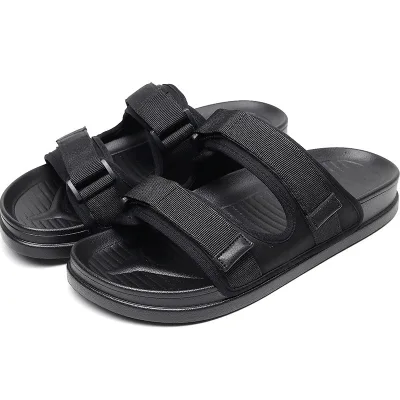


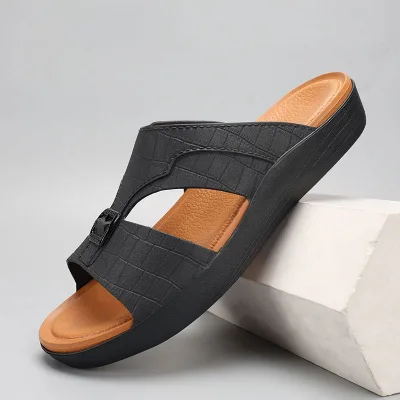


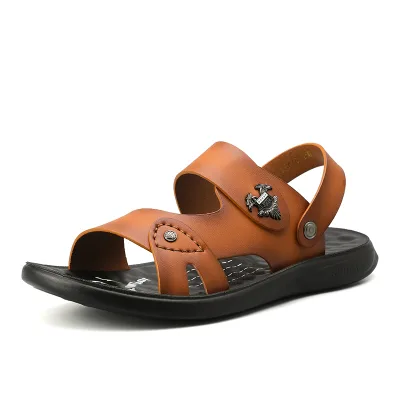


Comprehensive Sourcing Guide
Men Sandals Sourcing Guide
Sourcing men’s sandals requires a nuanced understanding of material performance, seasonal demand cycles, and the specific functional requirements of the end-user. Unlike closed-toe footwear, sandals prioritize breathability, weight reduction, and sole traction, making them highly sensitive to material composition and construction quality. Buyers must navigate a market that ranges from basic indoor slippers to rugged outdoor footwear, each demanding distinct verification protocols. The following guide outlines the critical steps for evaluating suppliers, verifying technical specifications, and managing commercial risks associated with this product category.
The procurement process begins with defining the precise use case, whether for leisure, beach activities, or outdoor exploration. This definition dictates the necessary material properties, such as water resistance for beach use or durability for outdoor trails. Buyers should align their sourcing strategy with the observed market signals, noting that products often blend materials like PVC, jersey, and rubber to balance cost and performance. Understanding these material intersections is essential for preventing quality disputes and ensuring the final product meets the intended functional standards.
Product Scope and Observed Listing Signals
The current market landscape for men’s sandals exhibits a wide variance in product positioning, ranging from fashion-forward designer styles to utilitarian outdoor gear. Observed listings indicate a strong emphasis on versatility, with many products marketed for indoor, home, outdoor, and beach usage simultaneously. This broad positioning suggests a trend toward hybrid footwear that can transition between casual social settings and active environments. Buyers should recognize that such versatility often comes with trade-offs in specialized performance, requiring careful evaluation of the primary intended use for their target market.
Material composition is a key differentiator in the observed listings, with common combinations including jersey uppers paired with PVC or rubber outsoles. The presence of jersey lining highlights a focus on comfort and breathability, particularly for summer seasons, while PVC and rubber components address durability and slip resistance. Some listings also mention PU uppers and EVA insoles, indicating a tiered approach to comfort and cost. Buyers must verify these material claims against physical samples, as visual representations on product pages may not accurately reflect the texture, thickness, or actual composition of the materials used in mass production.
Technical Specifications to Verify
Size consistency and fit are critical technical parameters that often lead to returns if not properly managed. Observed data indicates size ranges typically spanning from EUR 38 to 45, with some listings specifying 39-45 or 40-45. Buyers must confirm whether the supplier uses standard last molds or custom lasts, as deviations can significantly impact fit across different regions. Additionally, the single package dimensions and gross weight, such as 30x25x7 cm and 1.000 kg respectively, are vital for calculating landed costs and optimizing logistics. These physical attributes directly influence shipping efficiency and storage requirements, making them essential data points for supply chain planning.
Feature verification is another crucial technical step, with common claims including anti-slippery, quick-drying, and breathable properties. The outsole material, whether PVC or rubber, plays a pivotal role in traction performance, especially on wet surfaces like beaches or pool decks. Buyers should request specific test data or certification reports for slip resistance, particularly if the sandals are marketed for outdoor or wet-environment use. Furthermore, the heel height, often listed as flat, and the toe cap design should be evaluated for comfort and safety, ensuring they meet the ergonomic expectations of the target demographic.
Compliance and Safety Documentation
Regulatory compliance varies significantly depending on the destination market, with different regions enforcing distinct safety and chemical standards. Buyers must ensure that the materials used, such as PVC, rubber, and jersey, comply with local regulations regarding restricted substances, including phthalates, heavy metals, and formaldehyde. While some listings mention ISO standards, buyers should verify the specific ISO certification scope and validity, as generic references do not guarantee compliance with regional requirements like REACH in Europe or CPSIA in the United States.
Safety documentation should also include test reports for physical performance, such as sole adhesion strength, flex durability, and slip resistance. These tests are essential for mitigating liability risks associated with product failures, such as sole separation or excessive slipping. Buyers should require suppliers to provide third-party laboratory test results for key safety parameters, ensuring that the products meet the minimum safety thresholds for the intended use. Additionally, labeling requirements, including material composition and care instructions, must be verified to ensure compliance with consumer protection laws in the target market.
Cost Drivers and Commercial Terms
Pricing in the men’s sandals market is influenced by material costs, production complexity, and order volume. Observed price ranges vary widely, reflecting differences in material quality, branding, and customization levels. Buyers should analyze the cost structure to understand the impact of material choices, such as the difference between jersey and PU uppers, on the final unit price. Customization options, including logo printing and packaging design, often incur additional setup fees and minimum order quantity (MOQ) requirements, which can affect the overall cost efficiency of the order.
Commercial terms, including MOQ and lead times, are critical factors in supply chain planning. Observed MOQs range from low quantities for sampling to high volumes for mass production, with some listings specifying MOQs of 2 pairs or 600 pairs. Buyers must align their order quantities with the supplier’s production capabilities and their own inventory management strategies. Lead times, which can vary based on customization and production volume, should be clearly defined in the contract to ensure timely delivery. Additionally, payment terms and shipping methods, such as sea freight, should be negotiated to optimize cash flow and logistics costs.
Supplier Qualification and Quality Control
Supplier qualification is a foundational step in mitigating procurement risks, requiring a thorough assessment of the supplier’s manufacturing capabilities and quality management systems. Buyers should verify the supplier’s location, such as Fujian, China, and their experience in producing men’s sandals, to ensure they have the necessary expertise and infrastructure. Factory audits, either on-site or through third-party agencies, can provide insights into production processes, labor practices, and quality control measures, helping buyers identify potential risks before committing to large orders.
Quality control protocols must be established to ensure consistency across production batches. Buyers should define clear quality standards, including acceptable defect rates, material specifications, and packaging requirements, and communicate these to the supplier. Pre-production samples should be approved before mass production begins, and in-line inspections should be conducted during production to catch any deviations early. Final random inspections, based on statistical sampling methods, should be performed before shipment to verify that the products meet the agreed-upon quality standards.
Long-Term Procurement Checks
Continuous monitoring of supplier performance is essential for maintaining a reliable supply chain and ensuring product quality over time. Buyers should track key performance indicators, such as on-time delivery rates, defect rates, and responsiveness to issues, to evaluate the supplier’s reliability. Regular communication and feedback loops can help address any emerging issues promptly and foster a collaborative relationship with the supplier. Additionally, buyers should stay informed about market trends and regulatory changes that may impact product requirements, allowing them to adapt their sourcing strategies accordingly.
Strategic sourcing decisions should be reviewed periodically to ensure they align with the company’s long-term goals and market demands. Buyers should consider diversifying their supplier base to mitigate risks associated with single-source dependencies, while also exploring opportunities for cost optimization and innovation. By maintaining a proactive approach to supplier management and quality assurance, buyers can build a resilient supply chain that supports their business growth and customer satisfaction.
FAQs
What materials are used for Men Sandals?
The Men Sandals are constructed using a combination of Jersey and PVC materials. The upper part utilizes PU leather, while the outsole is made from either PVC or rubber depending on the specific model. The insole features EVA for comfort, and the lining is made of Jersey fabric to ensure breathability and softness against the skin during summer wear.
Can I customize the logo on these sandals?
Yes, customized logos are accepted for these Men Sandals. The supplier offers OEM and ODM services, allowing buyers to provide their own design or request specific branding. This customization is available for various product models, enabling businesses to brand the footwear according to their specific market requirements and design preferences.
What is the minimum order quantity for these sandals?
The minimum order quantity varies by product model. Some items have an MOQ of just 2 pairs, while others require a minimum of 600 pairs. Buyers should check the specific model number to determine the exact MOQ, as requirements differ significantly between different styles and specifications offered by the supplier.
Where are these Men Sandals manufactured?
These Men Sandals are manufactured in Fujian, China. The production origin is consistently listed as China across the product listings. This location serves as the primary source for the footwear, supporting the supply chain for international buyers seeking these specific styles and specifications.
What features do these sandals offer?
These sandals feature fashion trends, breathability, and anti-slippery properties. They are designed to be quick-drying and suitable for outdoor, beach, and indoor home use. The style is categorized as outdoor slippers with a flat heel, making them practical for leisure activities while providing comfort and safety on various surfaces.
What sizes are available for Men Sandals?
Available sizes typically range from EUR 38 to 44 or 45, depending on the specific model. Some listings indicate a size range of 39-45, while others specify 40-45. Buyers should verify the exact size chart for the chosen model number to ensure proper fit, as dimensions can vary slightly between different product designs.