Source Menopause Day Patches for Health, Relaxation, and Relief
Find 30 verified suppliers offering Menopause Day Patches designed for daily relief and emotional balance. Compare OEM options, ingredient profiles, and customization features to select the right product for your business needs.
Key considerations
Products List
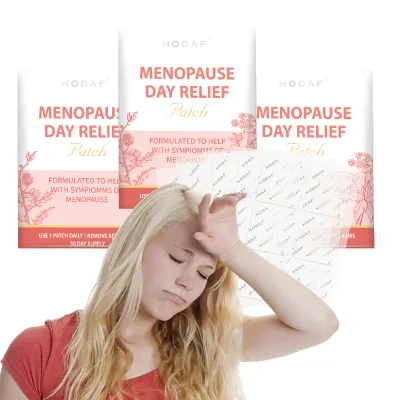
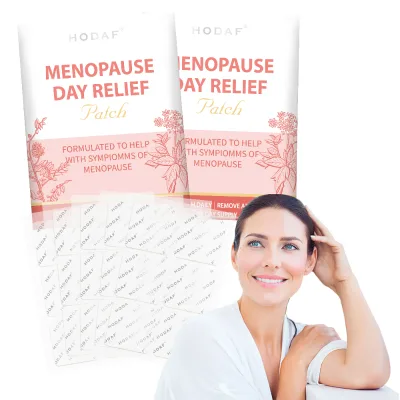
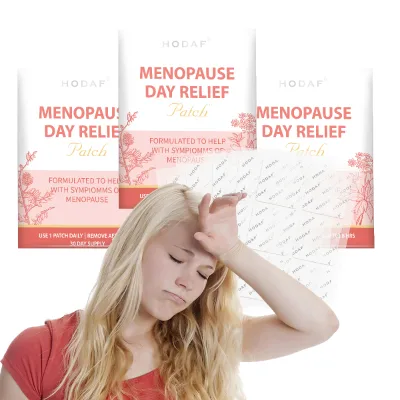

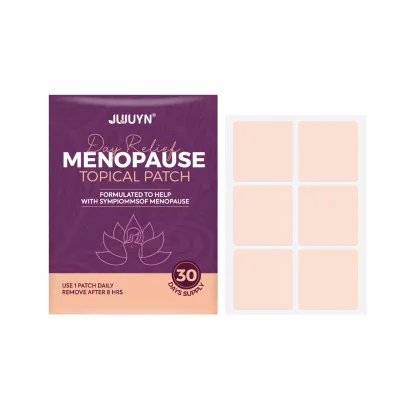

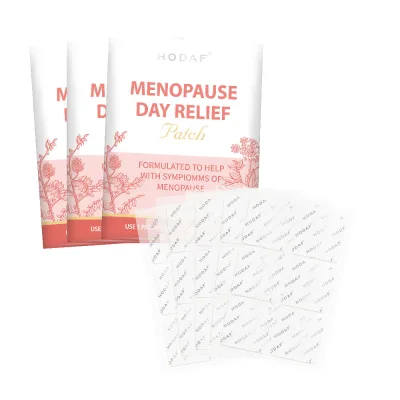
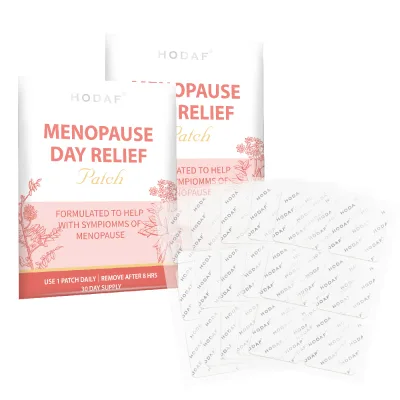
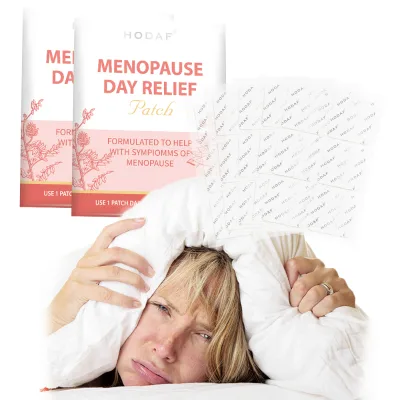
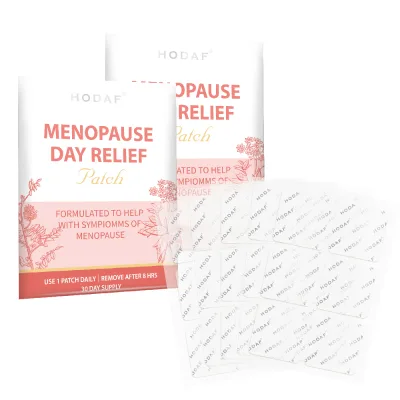
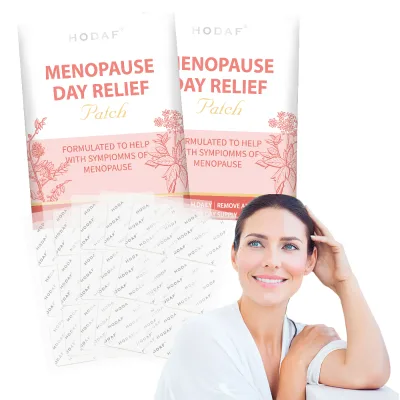
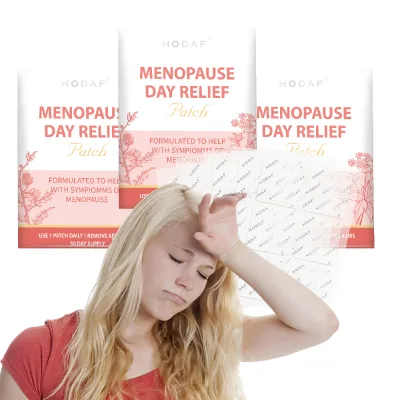


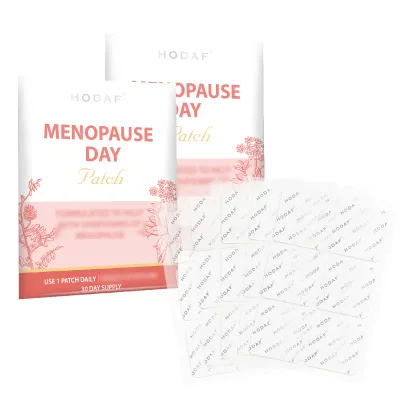
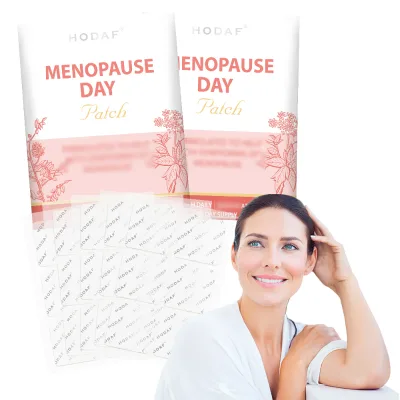
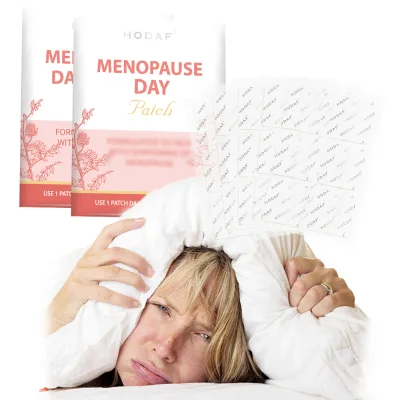
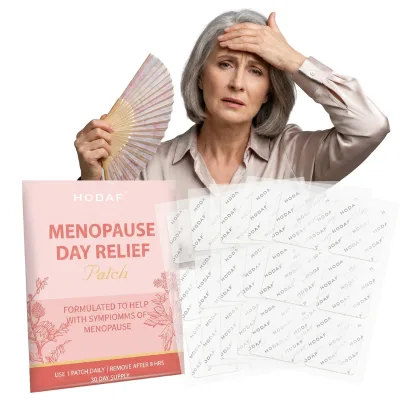
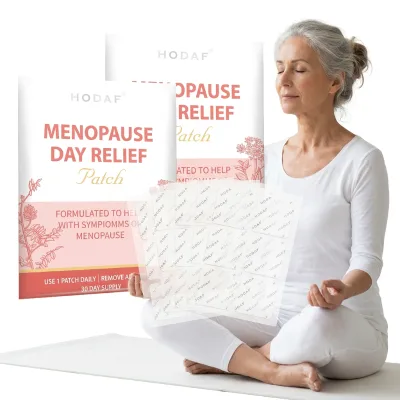
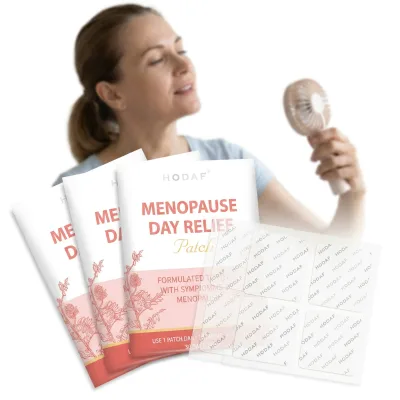
Comprehensive Sourcing Guide
Strategic Sourcing Guide for Menopause Day Relief Patches
Understanding Product Specifications and Form Factors
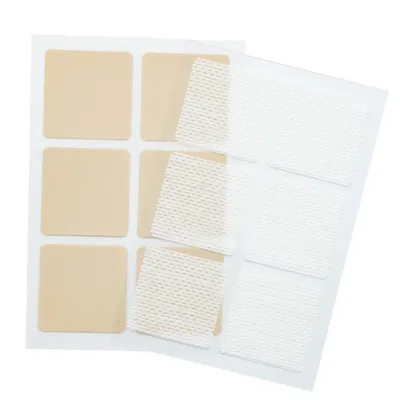
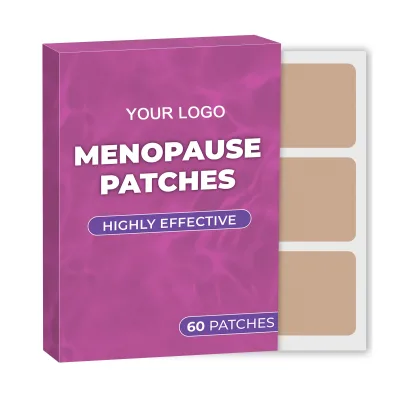
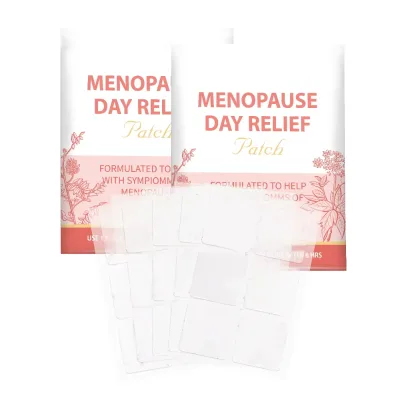
When sourcing menopause day relief patches, buyers must first establish a clear understanding of the physical and functional specifications that define the product category. Based on current market observations, these transdermal delivery systems are primarily constructed as adhesive patches designed for direct application to the body. The core form factor is consistently identified as a patch, utilizing materials such as non-woven fabric, which provides breathability and skin compatibility. In some variations, the material composition extends to include polyethylene (PE), polyurethane (PU), and foam layers, suggesting a multi-layered construction intended to enhance adhesion and controlled release of active ingredients.
The physical dimensions of these patches vary significantly depending on the specific model and intended application area. Observed data indicates a standard patch size of approximately 3x3 cm, which is suitable for targeted application on specific body zones. However, the overall sheet size, which may contain multiple patches or serve as a backing for larger application areas, is frequently listed at 7.5x11 cm. Packaging dimensions also play a critical role in logistics planning; single package sizes have been observed ranging from 10x13x1 cm to 11x14x1 cm, indicating that individual units are compact but require specific handling to prevent damage during transit.
The functional positioning of these products is distinct, with primary applications centered on menopause relief and general relaxation. Some product listings explicitly categorize the function as "Menopause Day Relief" or "Menopause Health Supplement," while others highlight benefits such as immune support and emotional soothing. The active ingredients reported in the supply chain include herbal extracts, natural ingredients, and specific vitamins such as Vitamin B. One notable observation is the mention of "celenium" as a main ingredient in certain listings, though buyers should verify the specific formulation and concentration of active components in any prospective supplier's catalog. The shelf life for these products is typically standardized at two years, although some entries list "Other" or "2 Yeras" (likely a typographical variance for 2 Years), necessitating a direct confirmation of expiration dating protocols with the manufacturer.
Compliance, Certification, and Regulatory Verification
Navigating the regulatory landscape is a critical component of sourcing health-related transdermal patches. Buyers must rigorously verify the quality certifications held by potential suppliers to ensure compliance with international standards. The supply data indicates that many manufacturers in this category possess CE certification, which is essential for products entering the European market. Additionally, MSDS (Material Safety Data Sheet) documentation is frequently cited, providing vital information regarding the safety, handling, and storage of the chemical components within the patch.
Beyond CE and MSDS, ISO certification is another standard observed in the market, often appearing alongside CE and MSDS in supplier profiles. This suggests a commitment to quality management systems, though the specific ISO standard (e.g., ISO 9001) should be confirmed. It is important to note that while these certifications are listed as attributes of the supply, they represent the capabilities of specific suppliers rather than a universal guarantee for every product listed. Buyers must request valid, up-to-date copies of these certificates and verify their authenticity through the issuing bodies.
The regulatory status of the product itself is equally complex. These items are often categorized under personal care or daily life usage, but their claims regarding menopause relief and health supplementation place them in a gray area between cosmetics and medical devices depending on the jurisdiction. The presence of herbal extracts and vitamins suggests a reliance on natural ingredient claims, which are subject to varying degrees of scrutiny globally. Buyers should not assume that a product with "100% Natural Ingredients" or "Herbal Extract" labeling automatically meets all local regulatory requirements for health claims. Verification of the "Main Ingredient" list against local pharmacopoeia or cosmetic regulations is mandatory. Furthermore, the "Quality Certification" field often lists multiple standards, but the specific scope of these certifications must be aligned with the intended market of the buyer.
Cost Drivers and Pricing Dynamics
The pricing structure for menopause day relief patches is influenced by several dynamic factors, including material composition, customization requirements, and order volume. The observed price range in the market spans from $0.04 to $3.09 per unit, a wide variance that reflects differences in product complexity, ingredient quality, and branding strategies. The lower end of this spectrum likely corresponds to basic non-woven fabric patches with standard formulations, while the higher end may involve advanced multi-layer materials, proprietary herbal blends, or premium branding.
Material costs are a primary driver of price variation. Patches constructed with simple non-woven fabric are generally more cost-effective than those incorporating PE, PU, or foam layers, which add to the manufacturing complexity and material expense. The inclusion of specific active ingredients, such as herbal extracts or vitamins, also impacts the final cost. Suppliers offering "100% Natural Ingredients" or specialized formulations like those containing Vitamin B may command a premium price due to the sourcing and processing costs associated with these components.
Order volume plays a significant role in determining the unit price. The Minimum Order Quantity (MOQ) observed in the market ranges from 1 to 5,000 units. This flexibility allows buyers to test the market with small quantities or secure bulk pricing for large-scale distribution. However, the specific MOQ is often tied to the customization level. Suppliers that offer "Customized Logo Accepted" or "Customized Logo" services may have higher MOQ thresholds for branded orders compared to generic, unbranded stock. Additionally, the "Sample Provided" attribute indicates that buyers can procure small quantities for testing before committing to larger orders, which is a crucial strategy for managing financial risk during the sourcing process.
Typical Applications and Usage Scenarios
The application of menopause day relief patches is versatile, catering to both personal care and daily life needs. The primary usage is defined as "Personal Care," with the specific application area being the body. These patches are designed for transdermal delivery, allowing active ingredients to be absorbed through the skin to provide systemic relief. The product benefits are multifaceted, targeting emotional regulation ("Soothe emotions"), physical comfort ("RELAX"), and general health support ("Immune Support," "Menopause Relief").
The ease of use is a highlighted advantage in the market, with product descriptions emphasizing that the patches are "Easy to use." This suggests a user-friendly design that requires minimal preparation or technical skill to apply. The adhesive nature of the non-woven fabric ensures that the patch stays in place during daily activities, making it suitable for continuous wear. The "Single item" selling unit format indicates that these products are often marketed as individual solutions or part of a regimen rather than bulk medical kits.
In terms of usage scenarios, these patches are positioned for individuals seeking non-invasive support for menopause symptoms. The "Day Relief" aspect of the product name implies a focus on daytime functionality, potentially offering relief without the drowsiness associated with some oral medications. The "Daily Life" usage classification further reinforces their role as a convenient, over-the-counter style solution for managing hormonal fluctuations. Buyers should consider the target demographic when selecting products; those emphasizing "Soothe emotions" may appeal to a different segment than those focusing strictly on physical symptom relief.
Supplier Evaluation and Customization Capabilities
Evaluating suppliers for menopause day relief patches requires a focus on their manufacturing capabilities, particularly regarding OEM (Original Equipment Manufacturer) and ODM (Original Design Manufacturer) services. The supply data confirms that OEM/ODM is a standard offering, allowing buyers to leverage existing formulations or develop custom products. This flexibility is essential for brands looking to differentiate themselves in a competitive market. The "Logo: Customized Logo Accepted" attribute confirms that suppliers are equipped to handle branding requirements, from simple logo placement to full packaging customization.
When evaluating suppliers, buyers should verify the "Place of Origin," which is consistently listed as Hebei, China. This region is known for its manufacturing infrastructure, but buyers must conduct due diligence to ensure that the specific factory meets their quality and ethical standards. The "Brand Name" field shows a mix of established names like "HODAF" and "JUJUYN," as well as potential private label opportunities. Buyers should assess whether the supplier offers white-label solutions or if they require the buyer to have an existing brand identity.
The "Model Number" field reveals a variety of SKUs, such as "HODAFCY0000," "HX-20230608," and "S2406-p," indicating a diverse product portfolio. This variety suggests that suppliers can offer different formulations or sizes to meet specific market needs. However, the "Size: Can be customized" attribute is a critical differentiator. Buyers seeking unique dimensions or specialized patch sizes should prioritize suppliers who explicitly offer customization options. Additionally, the "Sample: Sample Provided" feature is a key indicator of a supplier's willingness to engage in the development process, allowing buyers to physically test the product before scaling production.
Quality Control and Long-Term Procurement Considerations
Maintaining consistent quality is paramount when sourcing transdermal patches, given the direct contact with the skin and the potential health implications. The "Single gross weight" of the products varies, with observations ranging from 0.010 kg to 0.500 kg. This variance may reflect differences in packaging density or the inclusion of additional accessories. Buyers must establish clear quality control protocols to ensure that the weight and dimensions of the final product match the agreed specifications. Inconsistencies in weight could indicate issues with material thickness or adhesive application, which could affect the efficacy of the patch.
Long-term procurement considerations involve building a sustainable supply chain. The "Shelf life" of two years provides a reasonable window for inventory management, but buyers must implement a First-In-First-Out (FIFO) system to prevent product expiration. The "Color: As photos" and "Color: skin" attributes suggest that color consistency is a quality metric. Buyers should request color standards or physical samples to ensure that the final product matches the visual expectations of their target market.
Furthermore, the "Advantage: Easy to use" claim should be validated through user testing. A patch that is difficult to apply or remove can lead to negative customer experiences and returns. Buyers should also consider the environmental impact of the materials used. While non-woven fabric is common, the inclusion of PE and PU layers raises questions about recyclability and disposal. Suppliers who can provide information on the sustainability of their materials may offer a competitive advantage in markets where eco-consciousness is a purchasing driver.
Finally, the "Max. Capacity" attribute, listed as 1L or 100mL in some contexts, seems inconsistent with the patch format and may refer to a related liquid product or a packaging capacity metric. Buyers must clarify this data point to avoid confusion in their procurement planning. By focusing on these technical and operational details, buyers can mitigate risks and ensure a reliable supply of high-quality menopause day relief patches.
| Feature | Observation | Verification Requirement |
|---|---|---|
| Material | Non-Woven Fabric, PE, PU, Foam | Confirm specific layer composition and skin safety. |
| Certifications | CE, ISO, MSDS | Request valid, current certificates for target markets. |
| MOQ | 1 - 5,000 units | Negotiate based on customization and volume. |
| Shelf Life | 2 Years | Verify expiration dating and storage conditions. |
| Customization | Logo, Size, Formulation | Confirm lead times and costs for custom orders. |
| Origin | Hebei, China | Conduct factory audits or third-party inspections. |
FAQs
What certifications do Menopause Day Patches typically hold?
These patches often carry CE, ISO, and MSDS certifications to ensure safety and quality. Buyers must verify specific certificates with the supplier, as not every listed product automatically satisfies all standards without direct confirmation.
How is the patch size defined in product specifications?
The patch size is commonly listed as 3x3 cm, while the sheet size may be 7.5x11 cm. Some models allow for customized sizes, so buyers should request exact dimensions before placing bulk orders.
Can buyers request customized logos on these patches?
Yes, suppliers accept customized logo requests for branding purposes. This service is available alongside OEM and ODM capabilities, though specific minimum order quantities may apply for branded production runs.
What materials are used to construct these relief patches?
Materials typically include non-woven fabric, PE, PU, and foam layers. Some formulations also incorporate herbal extracts, vitamins, or natural ingredients depending on the specific product model and intended function.
What is the standard shelf life for these products?
The standard shelf life is generally two years, though some listings may vary. Buyers should confirm expiration dates directly with the manufacturer to ensure inventory management aligns with product stability.
Which suppliers offer samples for testing before bulk orders?
Many suppliers provide samples to allow buyers to test product quality and efficacy. This option helps mitigate risk before committing to larger quantities, which often have minimum order requirements ranging from one to five thousand units.
How does the price range vary for these patches?
Prices typically range from 0.04 to 3.09 USD per unit depending on materials and customization. Basic non-woven models cost less, while those with complex layers or premium ingredients command higher prices.
Where are these menopause patches primarily manufactured?
The place of origin is consistently listed as Hebei, China for these products. Buyers should verify the specific factory location and capabilities to ensure compliance with their regional import and quality standards.