Source Handheld Rotary Cheese Grater with Two Interchangeable Blades for kitchens, bakeries, and food service
Explore 30 listings for the Handheld Rotary Cheese Grater with Two Interchangeable Blades from verified Chinese manufacturers. Buyers can compare specifications, materials, and pricing to find the right tool for commercial kitchens, bakeries, and food service operations.
Key considerations
Products List
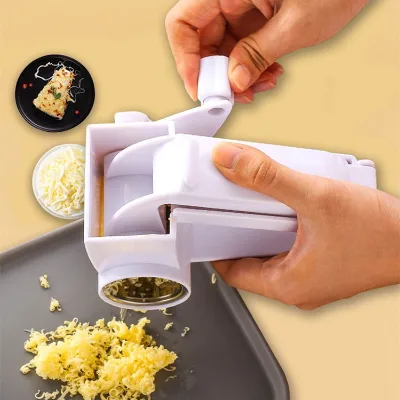
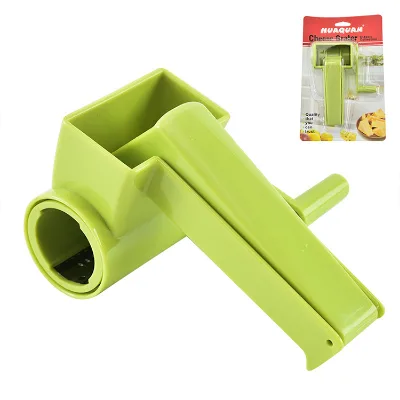
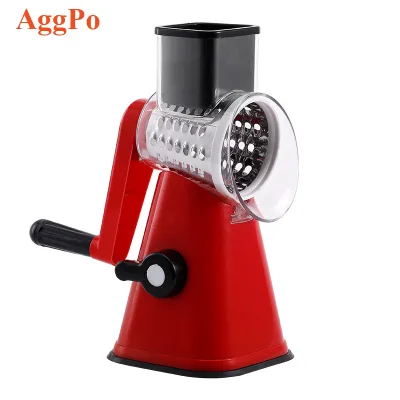
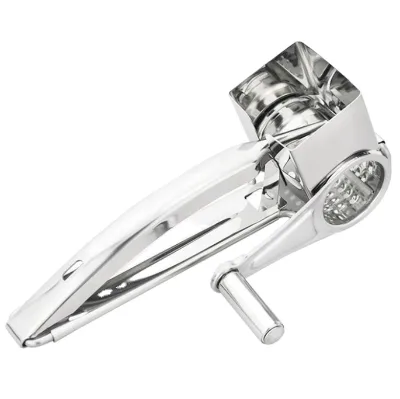







Comprehensive Sourcing Guide
Strategic Sourcing Guide for Handheld Rotary Cheese Graters
The global market for handheld kitchen tools has seen a steady increase in demand for specialized equipment that enhances efficiency in both commercial and domestic settings. Among these tools, the Handheld Rotary Cheese Grater with Two Interchangeable Blades stands out as a versatile solution for food preparation. This guide provides a comprehensive, evidence-based framework for buyers researching this specific product category. It focuses on technical specifications, material integrity, supplier evaluation, and procurement strategies derived from verified product attributes and industry standards.
Technical Specifications and Functional Design
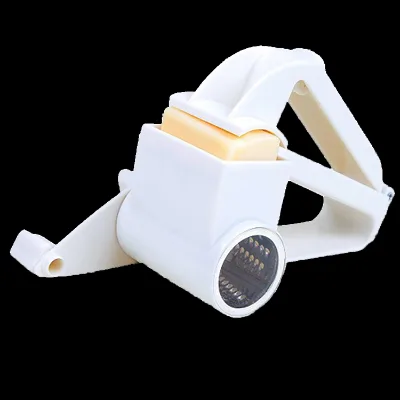
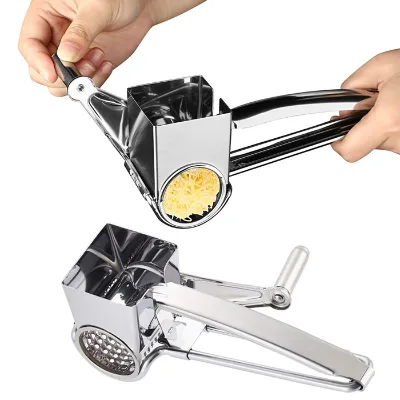
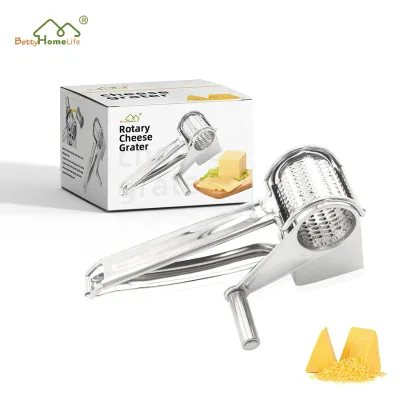
When evaluating a handheld rotary cheese grater, the primary focus must be on the mechanical design and the specific attributes that define its performance. The core functionality relies on a rotary mechanism that allows the user to turn a handle, driving the blades to grate cheese, vegetables, or other hard foods with minimal physical effort. A critical feature for this specific keyword is the inclusion of two interchangeable blades. This dual-blade configuration typically offers varying levels of coarseness, allowing for different textures ranging from fine powder to coarse shreds.
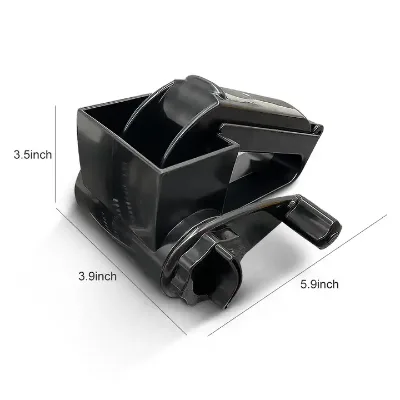
Based on observed product data, the physical dimensions of these tools vary, with common sizes ranging from approximately 12.8 cm to 14.5 cm in length, and widths between 9.3 cm and 10 cm. The single package size often measures around 12x16x10 cm, indicating a compact design suitable for retail display and storage. The weight of the unit is a significant factor in user comfort; observed weights range from 137g to 150g, suggesting a lightweight yet durable construction.
The material composition is paramount for food safety and durability. High-quality units are constructed from a combination of plastic and stainless steel. The blades themselves are consistently identified as stainless steel, ensuring sharpness and resistance to corrosion. The housing and handle components are typically made from ABS, PP, AS, or general plastic materials, providing a sturdy grip and structural integrity. Some specifications also note the presence of metal components in the overall assembly. The color options observed include white, green, red, orange, and silver, allowing buyers to align product aesthetics with brand identity or market preferences.
Material Integrity and Food Safety Compliance
In the procurement of kitchen tools, material safety is non-negotiable. The products listed in the market often carry attributes such as "food grade" and "eco-friendly." These claims indicate that the materials used in the plastic housing and the stainless steel blades meet specific safety standards for contact with food. Buyers must verify that the stainless steel used for the blades is of a grade suitable for food processing, typically 304 or 316, although specific grades should be confirmed with the supplier rather than assumed.
The "food grade" designation implies that the plastic components do not leach harmful substances into food under normal usage conditions. Additionally, the "eco-friendly" attribute suggests that the manufacturing process or the materials themselves may adhere to environmental standards, though the specific nature of this claim requires supplier documentation. For commercial buyers, particularly those supplying food and beverage stores, ensuring that the product meets local food safety regulations is essential. This involves checking for compliance with relevant national or international standards regarding food contact materials.
Cost Drivers and Pricing Dynamics
Understanding the cost structure of handheld rotary cheese graters is vital for effective budgeting. The observed price range in the market spans from $0.45 to $248 USD. This wide variance is not indicative of a single product tier but rather reflects differences in material quality, brand positioning, packaging, and order volume. The lower end of the spectrum likely represents basic models with standard plastic and steel components, while the higher end may include premium materials, complex packaging, or specialized branding.
The Minimum Order Quantity (MOQ) is another significant cost driver. Data indicates that MOQs can range from 1 to 3000 units, with a common threshold observed at 50 units or 50 pieces. This flexibility allows buyers to test the market with small orders or commit to larger volumes for better unit economics. The "Small Orders: Accepted" attribute confirms that many suppliers are willing to accommodate lower initial volumes, which is beneficial for startups or those testing new product lines.
Other factors influencing cost include the complexity of the interchangeable blade system. A mechanism that allows for easy swapping of two distinct blades without tools adds to the manufacturing complexity and cost. Furthermore, packaging plays a role; products often come in color boxes, which add to the unit cost but enhance retail appeal. The "Single item" selling unit and "Single gross weight" of 0.300 kg are standard metrics that help in calculating shipping costs, which can be a substantial portion of the total landed cost for lightweight items.
Typical Applications and Market Segmentation
The versatility of the Handheld Rotary Cheese Grater with Two Interchangeable Blades makes it suitable for a wide range of applications. The primary usage is identified as a "cheese zester tool" and a "fruit & vegetable tool." This dual functionality allows it to be used in professional kitchens, baking stores, and home environments. The "sharp, easy to control, protect hand" attributes highlight its ergonomic design, which is crucial for users who need to process large quantities of food without fatigue or injury.
The target market segments include commercial buyers such as food and beverage stores, as well as individual consumers. The "All-Season" attribute suggests that the product is not seasonal but has year-round demand. The "Stocked" feature indicates that some suppliers maintain inventory, which can reduce lead times for urgent orders. The product is also marketed for specific tasks like "Mutifuction Cutting Slicer," implying that while designed for cheese, it can handle other hard vegetables and fruits effectively.
Supplier Evaluation and Origin Analysis
When selecting a supplier, buyers should prioritize transparency regarding the origin of the product. The observed data points to China as the primary place of origin, with specific manufacturing hubs in Guangdong and Zhejiang provinces. These regions are known for their robust manufacturing capabilities in plastic and metal goods. The "Customized" brand name attribute suggests that many suppliers offer OEM (Original Equipment Manufacturer) services, allowing buyers to brand the product with their own logo or name.
Supplier evaluation should focus on their ability to meet the specific requirements of the buyer, such as the MOQ, packaging, and material specifications. The "No" brand name attribute indicates that some suppliers offer unbranded or generic products, which can be a cost-effective option for buyers looking to create their own brand. It is essential to verify the supplier's capacity to handle the "Small Orders" requirement if the buyer is not ready for large-scale production.
Quality Control and Performance Verification
Quality control is a critical step in the procurement process to ensure that the received goods meet the agreed-upon specifications. Buyers should verify the sharpness and durability of the stainless steel blades, as well as the structural integrity of the plastic housing. The "protect hand" feature suggests that the design includes safety mechanisms, such as finger guards or ergonomic handles, which should be physically inspected.
Performance verification should include testing the interchangeability of the blades. The mechanism must allow for easy switching between the two blades without compromising the safety or stability of the unit. Additionally, the "food grade" and "eco-friendly" claims should be backed by documentation or test results from the supplier. Buyers should request samples to test the product in real-world conditions, ensuring that the grating efficiency is consistent and that the tool is easy to clean.
Long-Term Procurement Considerations
For long-term success, buyers must consider the scalability of their supply chain. The ability to order in varying quantities, from 50 pieces to 3000, provides flexibility for growth. The "Stocked" attribute is beneficial for maintaining a steady supply without long lead times. However, buyers should also consider the potential for supply chain disruptions and the need for backup suppliers.
Sustainability is another long-term consideration. The "eco-friendly" attribute aligns with growing consumer demand for sustainable products. Buyers should inquire about the recyclability of the materials and the environmental impact of the manufacturing process. Finally, the customization options allow for brand differentiation, which can be a key competitive advantage in the crowded kitchenware market. By focusing on these strategic elements, buyers can build a resilient and profitable supply chain for handheld rotary cheese graters.
Comparative Analysis of Product Attributes
To facilitate decision-making, the following table summarizes the key attributes observed in the market for handheld rotary cheese graters. This comparison helps buyers identify the specific features that align with their procurement needs.
| Attribute Category | Observed Variations | Key Considerations for Buyers |
|---|---|---|
| Material Composition | Plastic + Stainless Steel; ABS+PP+AS+SS | Verify food-grade certification for plastics; check steel grade for corrosion resistance. |
| Dimensions | 12.8x270mm to 14.5x9.3x9cm | Ensure size fits retail packaging and user hand ergonomics. |
| Weight | 137g to 150g (Single Gross Weight 0.300 kg) | Lighter units improve user comfort; verify weight consistency across batches. |
| Blade Configuration | Two interchangeable blades | Test ease of swapping; ensure blades are secure during operation. |
| Color Options | White, Green, Red, Orange, Silver | Align with brand identity or seasonal marketing campaigns. |
| MOQ Range | 1 to 3000 (Commonly 50 pcs) | Negotiate based on volume; check if small orders incur higher unit costs. |
| Origin | Guangdong, Zhejiang, China | Assess logistics costs and lead times based on specific province. |
| Packaging | Color Box | Evaluate packaging durability and retail appeal. |
| Functionality | Cheese Zester, Grater, Slicer | Confirm specific use cases match target customer needs. |
By adhering to these guidelines and utilizing the provided data, buyers can make informed decisions when sourcing handheld rotary cheese graters with two interchangeable blades. The focus on verified attributes, material safety, and supplier flexibility ensures a robust procurement strategy that mitigates risk and maximizes value.
FAQs
What materials are used in the handheld rotary cheese grater?
The product is constructed from a combination of plastic and stainless steel. Specific materials include ABS, PP, AS, and SS, ensuring durability and food safety for kitchen use.
Can I order small quantities of this cheese grater tool?
Yes, small orders are accepted with a minimum order quantity of 50 pieces. Some suppliers may allow orders as low as one unit, while others require up to 3000 units.
How much does the handheld rotary cheese grater weigh?
The unit typically weighs between 137 grams and 150 grams. The single gross weight is often recorded as 0.300 kg, making it lightweight for comfortable handling.
Where are these cheese grater manufacturers located?
The primary place of origin is China, specifically in the Guangdong and Zhejiang provinces. These regions host factories capable of producing customized kitchen tools.
What is the price range for this rotary cheese grater?
The observed price range spans from 0.45 to 248 USD. Costs vary based on material quality, packaging, brand customization, and the specific order volume selected.
Does the product come with a specific packaging type?
The product is typically packaged in a color box. This packaging design supports retail display and protects the item during shipping and handling.