Source Herbal Patch for Pain Relief, Smoking Cessation, and Skin Care
Find 30 verified Herbal Patch options for pain relief, smoking cessation, and skin care. Compare specifications, certifications, and prices from multiple suppliers to find the right solution for your needs.
Key considerations
Products List


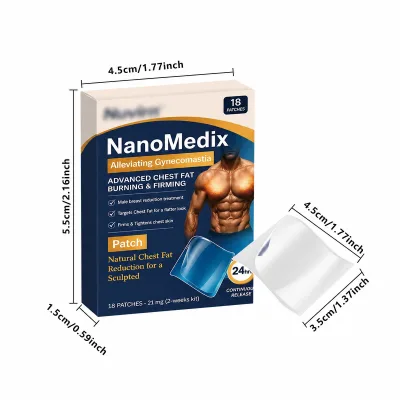
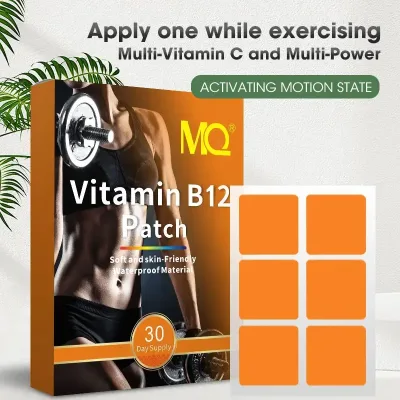
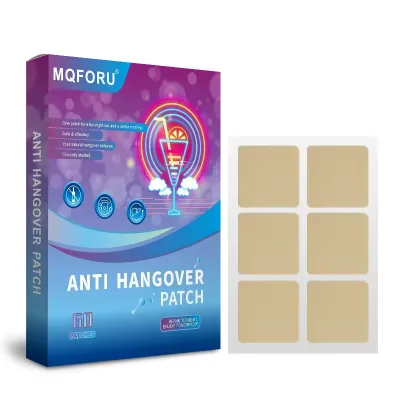


Comprehensive Sourcing Guide
Strategic Sourcing Guide for Herbal Patch Products
The global market for transdermal delivery systems has expanded significantly, with herbal patches emerging as a dominant category for both consumer wellness and clinical adjunct therapies. For B2B procurement professionals, sourcing these products requires a nuanced understanding of the intersection between traditional herbal formulations and modern regulatory compliance. The following guide outlines the critical dimensions of sourcing herbal patches, grounded in observed market data and technical specifications. Buyers must navigate a landscape where product attributes vary widely, from pain relief applications to smoking cessation aids, necessitating a rigorous due diligence process before committing to supply chain agreements.
Technical Specifications and Product Variability
The technical architecture of herbal patches is defined by their formulation, dimensions, and packaging standards. Observed market data indicates a high degree of customization in physical specifications. Common dimensions include 7x10 cm, 10x15 cm, and 12x18 cm, though buyers should verify if these measurements apply to the specific SKU they are evaluating, as some listings indicate "customize as your need" as a primary standard. The physical form is consistently identified as a patch, typically utilizing a foil bag for individual unit protection. Packaging configurations vary significantly; some products are supplied as 2 pieces per bag with 30 bags per box, while others utilize a 4-plaster foil bag configuration.
The core functional ingredients are a critical differentiator. The primary active components observed in the market include herbal extracts, menthol, and natural herbs. Specific applications dictate the formulation; for instance, patches targeting muscle strain, sprains, or cervical spondylitis often rely on a blend of herbal menthol. Conversely, products marketed for smoking cessation or chest care may utilize different proprietary blends, though the overarching material classification remains herbal. Buyers must explicitly confirm the ingredient list, as the distinction between "Herbal Menthol" and "Natural Herb" can impact both efficacy claims and regulatory classification in different jurisdictions. The shelf life for these products is typically observed at three years, a standard that should be verified against the specific batch being procured to ensure inventory turnover aligns with product stability.
Regulatory Compliance and Certification Verification
Navigating the regulatory landscape is perhaps the most complex aspect of sourcing herbal patches. The market displays a fragmented certification profile, with products holding various combinations of MSDS, CE, FDA, GMP, and COA. It is imperative for buyers to treat these certifications as product-specific attributes rather than universal guarantees for the entire category. For example, one product line may list FDA and GMP certifications alongside MSDS and CE, while another may only list CE or FDA. The presence of ISO standards, such as ISO 13485, is often mentioned in broader industry contexts, but specific product listings may only reference CE and ISO generally without specifying the standard number.
Buyers must verify the exact scope of each certification. A product claiming "CE" certification must be evaluated against the specific directives applicable in the target market, as the mere presence of the label does not guarantee compliance with all local safety requirements. Similarly, the "FDA" designation requires clarification on whether the product is registered, cleared, or exempt, as the regulatory pathway differs significantly for medical devices versus dietary supplements. The "MSDS" (Material Safety Data Sheet) is a consistent requirement, providing essential data on the chemical composition and safety handling of the herbal ingredients. Procurement teams should request the full documentation for every SKU, ensuring that the Certificate of Analysis (COA) matches the batch number and that the GMP (Good Manufacturing Practice) certification is current and issued by a recognized authority.
Cost Drivers and Minimum Order Quantities
The economic structure of Herbal Patch procurement is influenced by material costs, customization levels, and order volume. The observed price range in the market spans from $0.06 to $2.80 per unit, a variance that reflects differences in ingredient quality, patch size, and packaging complexity. Smaller patches or those with simpler herbal formulations tend to occupy the lower end of this spectrum, while larger sizes or those with specialized packaging (such as individual foil bags) command higher prices.
Minimum Order Quantities (MOQ) are a significant factor in supply chain planning. Data indicates a wide MOQ range, typically starting from 20 units for sample or trial orders and extending up to 50,000 units for bulk manufacturing. Specific product models may have fixed MOQs, such as 1,000 pieces for certain smoking cessation or chest care patches. Buyers must align their inventory strategy with these thresholds; ordering below the MOQ may result in higher per-unit costs or refusal of the order, while ordering significantly above the MOQ without a clear sales channel can lead to inventory stagnation. The "Customization" attribute is a major cost driver; while many suppliers offer OEM/ODM services and accept customized logos, the setup costs and MOQs for custom formulations or packaging designs will be higher than for standard off-the-shelf products.
Typical Applications and Target Demographics
Herbal patches serve a diverse range of therapeutic and wellness applications, which dictates the target demographic and marketing strategy. The primary functional categories observed include pain relief for muscles, joints, neck, and back, as well as specific treatments for conditions like arthritis, rheumatism, dysmenorrhea, and sciatica. These products are often marketed toward middle-aged and older demographics, given the prevalence of chronic pain and mobility issues in this group.
Beyond pain management, the market includes patches for smoking cessation, chest care, and skin tightening. The application mode is predominantly "For External Use," though some listings also mention "Home Use" as a primary setting. The versatility of the product is evident in the "Cold Hot Dressing Application" attribute, which covers a broad spectrum of conditions from traumatic bleeding to upset stomach. Buyers must ensure that the product's intended use aligns with local advertising regulations; for instance, claims regarding "pain relief" or "treatment" of specific medical conditions may require different regulatory clearance than general wellness claims like "muscle relaxation." Understanding the specific application is crucial for selecting the right supplier, as manufacturers often specialize in specific therapeutic niches rather than offering a one-size-fits-all portfolio.
Supplier Evaluation and Sourcing Strategy
When evaluating potential suppliers, buyers should prioritize those who demonstrate transparency in their product attributes and certifications. The "Made in China" origin is a common attribute, with specific regions like Henan noted as places of origin for certain herbal formulations. While the location itself is not a quality indicator, it provides context for logistics and supply chain lead times. A robust supplier evaluation should include a review of their customization capabilities, as the market data confirms that "Customized" and "Customization Available" are standard offerings.
Suppliers should be assessed on their ability to provide samples, as the market data explicitly notes that samples are provided. This allows buyers to verify the physical quality, adhesive strength, and herbal scent before committing to a bulk order. The "OEM/ODM" acceptance is a key indicator of a supplier's flexibility; however, buyers must clarify the extent of this service, including whether they can modify the herbal blend, packaging design, or labeling to meet specific brand requirements. It is also essential to verify the "Feature" attributes, such as "Eco-Friendly" claims, by requesting supporting documentation, as these terms are often used loosely in marketing materials.
Quality Control and Long-Term Procurement Considerations
Ensuring consistent quality in Herbal Patch procurement requires a multi-layered approach to quality control. The "Nature" attribute, often listed as "Yes," suggests a focus on natural ingredients, but this must be backed by rigorous testing. Buyers should implement a quality assurance protocol that includes batch testing for active ingredient concentration, microbial limits, and adhesive performance. The "Single gross weight" and "Single package size" data points are useful for logistics planning but do not substitute for quality verification.
Long-term procurement considerations involve establishing a relationship with a supplier capable of scaling production while maintaining quality. The "Shelf Life" of three years is a critical metric for inventory management; buyers must ensure that their order quantities do not exceed the time horizon before product expiration. Furthermore, the "Logo" customization option allows for brand building, but it requires strict quality control during the printing and packaging phase to avoid defects. As the market evolves, buyers should remain vigilant regarding changes in certification requirements, particularly as regulatory bodies in the US, EU, and Asia update their standards for transdermal delivery systems.
Comparative Analysis of Product Attributes
To facilitate decision-making, the following table summarizes the key attributes observed across different product models, highlighting the variability buyers must navigate.
| Attribute Category | Observation 1 (Pain Relief) | Observation 2 (Smoking/Chest Care) | Observation 3 (General Herbal) |
|---|---|---|---|
| Product Name | Pain Relief Patch Plaster | Stop Smoking Patch / Chest Care Patch | Herbal Patch |
| Main Ingredient | Herbal Menthol | Natural Herb | Herbal |
| Certifications | MSDS, CE, FDA, GMP, COA | FDA, CE | MSDS, ISO, CE |
| Standard Size | 7x10cm, 10x15cm, 12x18cm | 5x5cm | Varies (Customizable) |
| Packaging | 2PCS/Bag, 30bags/Box | 5 PCS/Bag, 6 Bags/Box | 4plasters in One Foil Bag |
| Target Group | Middle-aged and Old | General / Specific Condition | Home Use |
| MOQ Range | 20 - 50,000 | 1,000 pcs | 20 - 50,000 |
This comparison underscores the necessity of detailed specification sheets for each product line. A buyer sourcing for a pharmacy chain may prioritize the pain relief patches with specific medical certifications, while a wellness retailer might focus on the smoking cessation patches with different packaging and ingredient profiles. The variability in MOQs and certifications means that a single supplier may not be able to fulfill all procurement needs under the same terms, necessitating a diversified supplier base or a clear selection of specialized partners.
Conclusion
Sourcing herbal patches effectively requires a balance of technical scrutiny, regulatory diligence, and strategic supply chain planning. The market offers a wide array of products with distinct formulations, certifications, and applications. Buyers must avoid generalizations and instead focus on the specific attributes of each product model, verifying certifications like FDA, CE, and MSDS on a case-by-case basis. By understanding the cost drivers, MOQ constraints, and quality control requirements outlined in this guide, procurement professionals can build a resilient supply chain that delivers high-quality herbal patches to their end consumers while mitigating the risks associated with regulatory non-compliance and product inconsistency.
FAQs
What certifications do herbal patches typically hold?
Herbal patches commonly hold certifications such as MSDS, CE, FDA, and GMP. Buyers must verify the specific certificate for each product model, as listings vary between FDA-only or combined FDA and GMP profiles rather than universal compliance.
How are herbal patches packaged for bulk orders?
Packaging configurations vary significantly, with options like 2 pieces per bag or 4 plasters in one foil bag. Bulk orders often follow a standard of 30 bags per box, though some models use 6 bags per box depending on the specific product line.
Can buyers customize the size and logo of patches?
Yes, customization is available for both dimensions and branding. Standard sizes include 7x10 cm or 10x15 cm, but suppliers accept custom dimensions and logos, provided the order meets the minimum quantity requirements for the specific model.
What is the typical shelf life for herbal patches?
The observed shelf life for these herbal patches is typically three years. Buyers should verify this against specific batches to ensure inventory turnover aligns with product stability before committing to large stock orders.
Which materials are used in the main ingredients?
Main ingredients generally include herbal extracts, menthol, and natural herbs. Specific formulations depend on the function, such as herbal menthol for pain relief or natural herbs for chest care, requiring explicit confirmation of the ingredient list.
What is the minimum order quantity for herbal patches?
Minimum order quantities range widely from 20 units to 50,000 units depending on the product. Specific models like smoking cessation patches may have a fixed MOQ of 1,000 pieces, while others allow smaller trial orders.
Where are these herbal patches manufactured?
Products are primarily made in China, with specific origins noted in regions like Henan. This location context helps in planning logistics, though it does not inherently guarantee quality without verifying supplier certifications and production standards.