Source Herbal Detox Foot Pad for Foot, Back, and Knees
Compare 30 listings of Herbal Detox Foot Pad from verified manufacturers. Buyers can evaluate specifications, certifications, and pricing for applications on feet, backs, knees, and elbows.
Key considerations
Products List
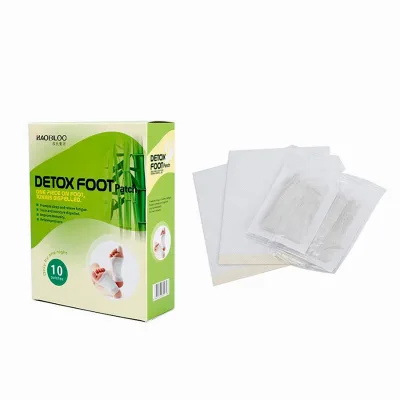


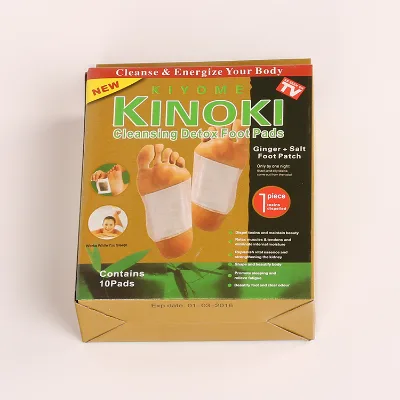
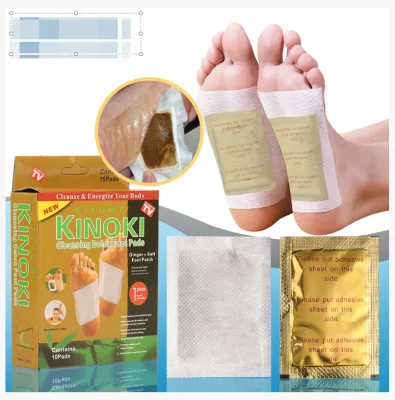
Best Chinese Herb Foot Detox Pad Bamboo Slim Detox Foot Patch with Adhesive
$1.40 - $1.50
MOQ: 1000 Box

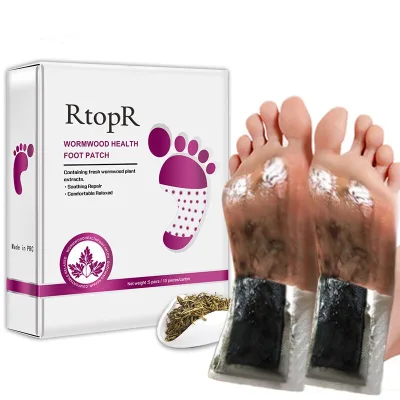
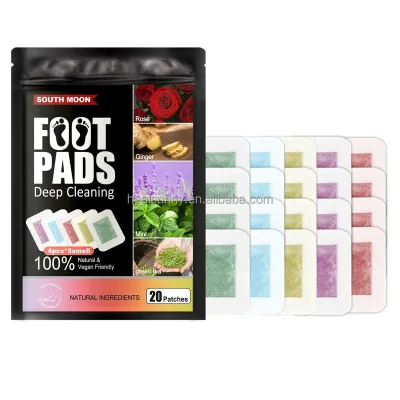


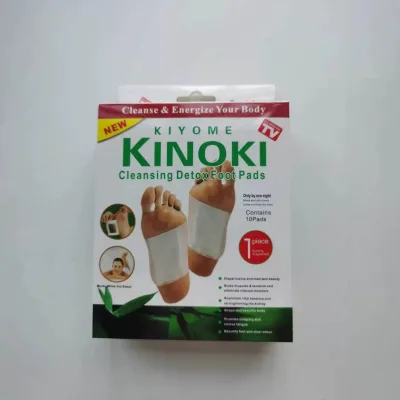
Comprehensive Sourcing Guide
Strategic Sourcing Guide for Herbal Detox Foot Pads
Understanding Product Specifications and Variability
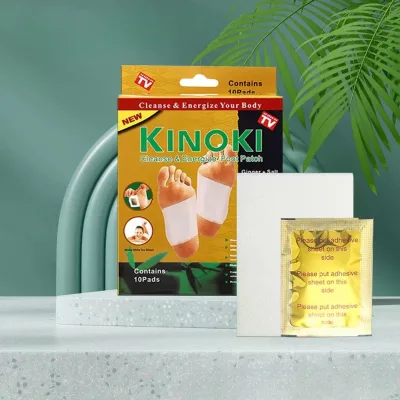
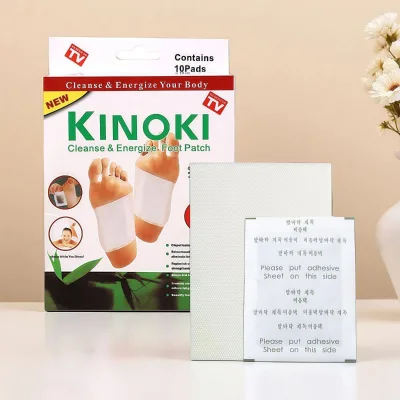
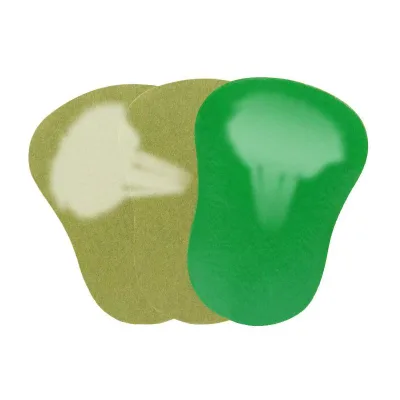
The market for herbal detox foot pads presents a complex landscape where buyers must distinguish between generic descriptions and specific technical realities. Based on available product data, the core item is defined as a patch designed for external application, typically measuring 6x8 cm or 6*8cm. The physical form is consistently described as a patch, constructed primarily from non-woven fabric. However, significant variability exists in the listed specifications across different listings, which is a critical observation for procurement professionals. While one data point indicates a single package size of 16x13x3 cm, another lists a single gross weight of 0.5 kg, suggesting that packaging configurations vary widely between suppliers.
The composition of these patches is a primary differentiator. The main ingredients frequently cited include bamboo vinegar, loquat leaves, wood vinegar, and tourmaline. These materials are marketed to provide benefits such as detoxification and soothing effects. It is essential to treat these ingredient lists as observations of specific product formulations rather than universal standards for all "herbal detox foot pads." Some listings mention a "Nature" attribute of "Yes," while others focus on the specific chemical or mineral components. The color of the product is generally white, though packaging colors may vary to include green, gold, or silver.
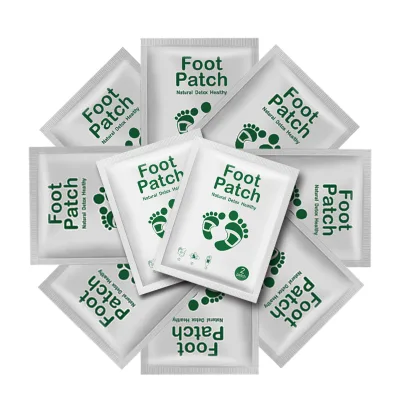
Packaging configurations also show a lack of standardization. One common configuration involves 2 patches per bag, with 5 bags per box, and 60 boxes per carton. In contrast, other listings specify 1 patch in a foil bag or 10 pieces in a box. This inconsistency directly impacts logistics planning and inventory management. Buyers must verify the exact "Selling Units" and "Packing" details for each supplier, as the transition from a single item to a bulk carton can involve substantial differences in volume and weight. The shelf life is typically noted as 2 years, provided the product is stored in a dry and cool place.
Compliance, Certification, and Regulatory Verification
Navigating the regulatory landscape for health-related personal care products requires rigorous verification of certifications. The supplied data indicates a wide range of claimed certifications, including ISO, CE, FDA, GMP, MSDS, EEC, and ISO13485. It is imperative for buyers to understand that the presence of these labels in a product description does not guarantee universal compliance for every unit or supplier. For instance, while one entry lists "CE. ISO." as a standard, another specifies "CE, ISO13485, GMP," and a third mentions "FDA, GMP, MSDS, EEC, CE."
Buyers must approach these certifications with a verification mindset. The "ISO" certification mentioned likely refers to general quality management systems, whereas "ISO13485" is specific to medical device quality management. If the product is marketed as a medical device or a therapeutic aid, the distinction is legally significant. Similarly, "FDA" and "GMP" (Good Manufacturing Practice) are critical for products entering regulated markets like the United States. However, without independent audit reports, these claims remain unverified assertions. The "MSDS" (Material Safety Data Sheet) is crucial for understanding the chemical safety of ingredients like bamboo vinegar and wood vinegar, particularly regarding flammability and toxicity.
The "Standard" field in the data also varies, with some entries listing "10 pcs in a box" as a standard, which is a packaging specification rather than a technical standard. Buyers should prioritize suppliers who can provide valid, up-to-date certificates from recognized third-party bodies. The "Nature" attribute being listed as "Yes" suggests a natural product claim, which often triggers additional regulatory scrutiny regarding organic certification or specific botanical sourcing standards. In the absence of explicit standard numbers in the provided text, procurement teams must request the specific standard numbers (e.g., ISO 9001:2015) and verify their validity through the issuing body's database.
Cost Drivers and Pricing Structures
The pricing structure for herbal detox foot pads is influenced by several dynamic factors, including raw material costs, certification complexity, and packaging requirements. The observed price range in the market spans from $0.05 to $2.49 USD. This wide variance suggests that the final cost is not solely determined by the patch itself but heavily by the level of customization, the volume of the order, and the inclusion of value-added services like OEM branding.
The Minimum Order Quantity (MOQ) is a significant cost driver. Data points indicate an MOQ range from 1 to 1000 units, with specific instances showing 180 boxes or 10 bags as thresholds. A lower MOQ allows for smaller initial investments but often results in a higher unit cost due to the lack of economies of scale. Conversely, higher volume orders typically secure lower per-unit prices but require greater capital commitment. The "Selling Units" being listed as "Single item" in some contexts implies that the base price might be for a single package, while bulk pricing applies to cartons.
Customization is another major factor affecting cost. The data confirms that "Customized" options are available, including "Customized Logo" and OEM services. Suppliers offering these services will likely charge a setup fee or a premium on the unit price. The choice of packaging material also impacts cost; foil bags are generally more expensive than simple polybags, and custom-printed boxes add to the overall expense. Furthermore, the "Max. Capacity" of 500 mL mentioned in the data seems unusual for a patch product and may refer to a liquid component or a specific packaging line, which would significantly alter the cost structure if applicable. Buyers should request detailed breakdowns of costs for raw materials, labor, packaging, and certification to understand the true cost drivers.
Typical Applications and Target Demographics
Herbal detox foot pads are primarily designed for external use on specific body parts. The data explicitly lists "foot" as the primary application, but also extends to "back, knees, and elbows." This versatility allows suppliers to market the product for various therapeutic or comfort-related needs. The "Usage Mode" is strictly defined as "For External Use," which is a critical safety distinction that buyers must communicate to end-users to prevent misuse.
The target demographic is identified as "Middle-aged and Old," suggesting that the marketing strategy often focuses on health concerns prevalent in these age groups, such as joint pain, fatigue, or circulation issues. The "Function" is consistently described as "Detoxifying" or "Detox," appealing to consumers interested in wellness and natural remedies. The claim of "No Side Effect" is a common marketing point, but buyers should treat this as a product claim that requires validation through clinical data or safety assessments, rather than an absolute fact.
The "Group" classification and the "Nature" attribute indicate a focus on natural, holistic health solutions. The inclusion of ingredients like tourmaline and bamboo vinegar suggests a positioning towards traditional medicine practices or alternative therapies. While the primary use is on the feet, the ability to apply the patch to other areas like knees and elbows expands the potential market. Buyers should ensure that the supplier's marketing materials align with the actual product capabilities to avoid regulatory issues regarding off-label claims.
Supplier Evaluation and Quality Control Protocols
Evaluating suppliers for herbal detox foot pads requires a multi-faceted approach that goes beyond surface-level product descriptions. The "Place of Origin" is consistently listed as China, specifically Anhui, which is a known manufacturing hub for such products. However, the presence of a location does not guarantee quality. Buyers must assess the supplier's production capacity, which is hinted at by the "Max. Capacity" of 500 mL, though this metric needs clarification in the context of patch manufacturing.
Quality control should be a central part of the supplier evaluation. The "Shelf Life" of 2 years implies a need for stable packaging and effective preservation of the herbal ingredients. Buyers should request evidence of stability testing to ensure the product remains effective throughout its stated lifespan. The "Sample" availability is a positive indicator, allowing buyers to physically inspect the product quality, packaging integrity, and ingredient distribution before committing to a large order.
The "OEM" and "Logo" customization capabilities are also key evaluation criteria. A supplier that offers robust OEM services is likely to have a more flexible and mature production line. However, buyers must verify the supplier's ability to maintain quality consistency during customization. The "Certificate" and "Certification" fields show a high level of claimed compliance, but buyers should verify these through independent audits. The "Standard" of "10 pcs in a box" in some entries highlights the need for clear quality control protocols regarding packaging consistency.
Long-Term Procurement and Strategic Considerations
Long-term procurement of herbal detox foot pads involves strategic planning around supply chain resilience and market adaptability. The "Customized" nature of the product means that buyers can differentiate their offerings, but this also introduces complexity in managing multiple SKUs. The variability in "Packing" configurations, such as "2patch/bag" versus "1patch in One Foil Bag," requires careful inventory management to avoid stockouts or overstocking.
The "Storage" requirement of a "Dry and Cool Place" is a logistical constraint that must be factored into the supply chain design. Warehousing conditions must be strictly controlled to maintain product integrity over the 2-year shelf life. Any deviation in storage conditions could lead to product degradation, resulting in customer complaints and potential liability issues.
Furthermore, the "Side Effect" claim of "No Side Effect" necessitates a proactive approach to customer education and post-market surveillance. Buyers should establish clear communication channels with suppliers to stay updated on any changes in ingredient sourcing or manufacturing processes that could impact product safety. The "Group" targeting middle-aged and older consumers suggests a stable demand, but market trends can shift. Buyers should maintain flexibility in their ordering strategies to adapt to changing consumer preferences.
In conclusion, sourcing herbal detox foot pads requires a disciplined approach that balances the observed product attributes with rigorous verification of claims. By focusing on technical specifications, verifying certifications, understanding cost drivers, and implementing robust quality control measures, buyers can navigate the complexities of this market effectively. The variability in product data underscores the importance of direct communication with suppliers to ensure that the final product meets the specific needs and regulatory requirements of the target market.
FAQs
What are the main ingredients in herbal detox foot pads?
The main ingredients typically include bamboo vinegar, loquat leaves, wood vinegar, and tourmaline. These components are selected to provide detoxifying and soothing benefits for external application on the feet.
Which certifications do these foot pads usually hold?
Products often carry certifications such as ISO, CE, FDA, GMP, and MSDS. Buyers should verify specific certificates like ISO13485 for medical device standards or FDA approval for regulated markets before purchasing.
How is the product typically packaged for bulk orders?
Packaging varies, with common configurations being two patches per bag and five bags per box. Some suppliers offer one patch in a foil bag or ten pieces in a box, affecting logistics planning.
Can buyers request customized logos and OEM services?
Yes, suppliers provide customized logo options and OEM services for branding. This customization allows buyers to differentiate their products but may involve additional setup fees or minimum order quantity requirements.
What is the shelf life and storage requirement for these pads?
The shelf life is generally two years if stored in a dry and cool place. Proper storage conditions are essential to maintain the integrity of the herbal ingredients and ensure product safety.
Where are these herbal detox foot pads typically manufactured?
The primary place of origin is Anhui, China. This region is a known manufacturing hub, but buyers must verify specific factory details and production capacity for each supplier they consider.
What is the minimum order quantity for these foot patches?
Minimum order quantities range from one unit to one thousand, with specific instances requiring 180 boxes or ten bags. Lower MOQs allow smaller investments but may result in higher per-unit costs.