Source Transparent Vacuum Cupping Cup Set for pain relief, body contouring, and immune support
Compare 30 Transparent Vacuum Cupping Cup Set options from verified Chinese manufacturers. These sets feature AS or ABS plastic construction, varying cup quantities, and CE certification for therapeutic applications including pain relief and full-body massage.
Key considerations
Products List


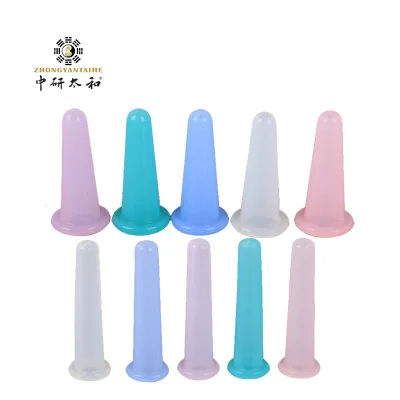
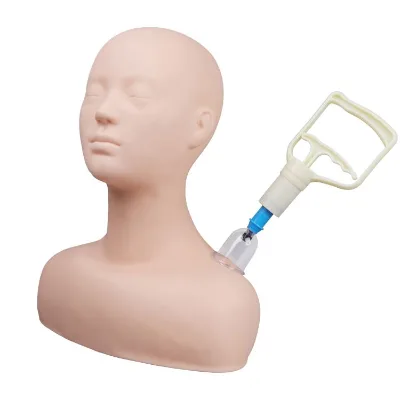




Comprehensive Sourcing Guide
Strategic Sourcing Guide for Transparent Vacuum Cupping Cup Sets
Procuring transparent vacuum cupping cup sets requires a disciplined approach that balances clinical efficacy, regulatory compliance, and supply chain reliability. For B2B buyers in the medical, wellness, and therapeutic sectors, the distinction between a generic plastic container and a certified Class I medical device is critical. The market offers a diverse array of options, ranging from simple AS plastic units to complex ABS systems with integrated pump mechanisms. This guide synthesizes observed product attributes, certification data, and technical specifications to provide a framework for evaluating potential suppliers without relying on unverified marketing claims.
Technical Specifications and Material Composition
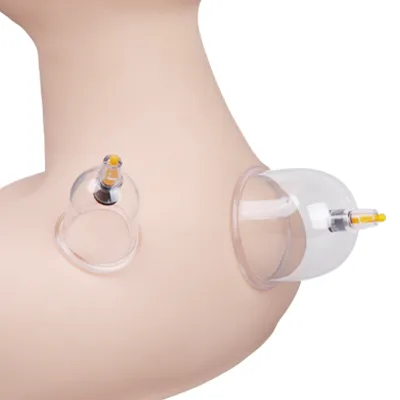
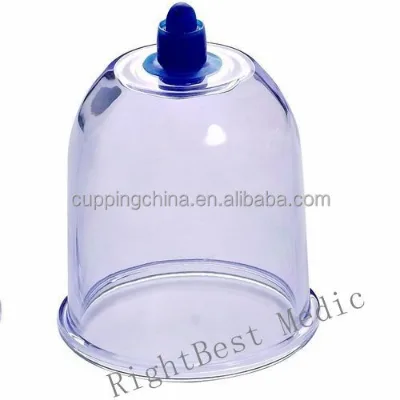
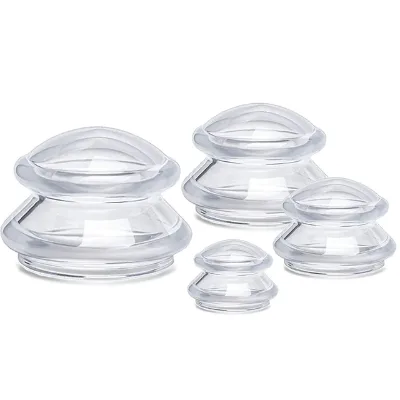
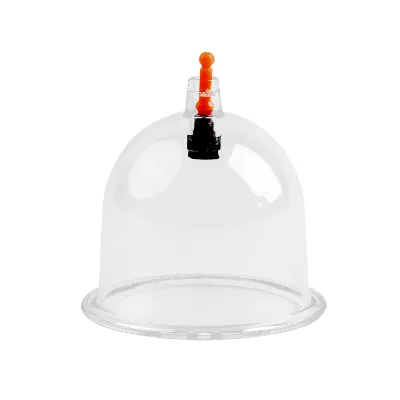
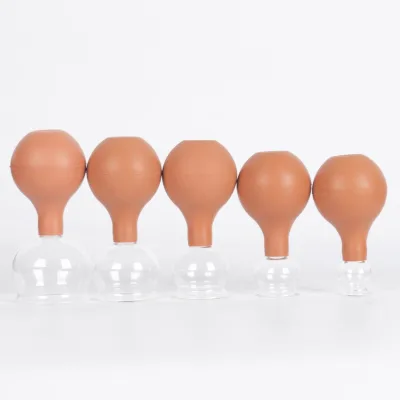
The foundation of a reliable vacuum cupping set lies in its material composition and dimensional consistency. In the current market, the primary material observed for these devices is plastic, specifically categorized as AS Plastic, ABS Plastic, or generic Plastic. The transparency of the cups is a key functional attribute, allowing practitioners to monitor skin reaction and blood flow during treatment. Listings indicate that the color is often described as "Transparent" or "Other," with specific dimensions varying significantly between models.
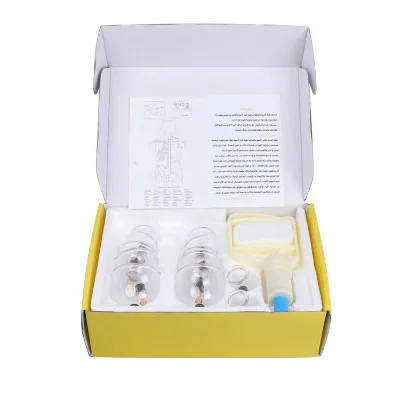
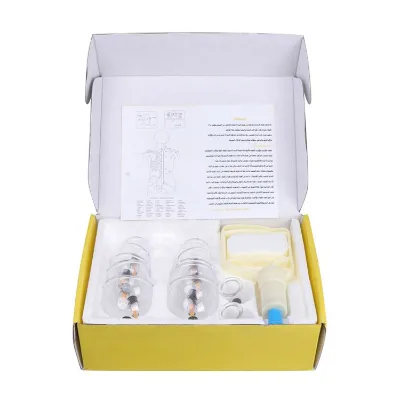
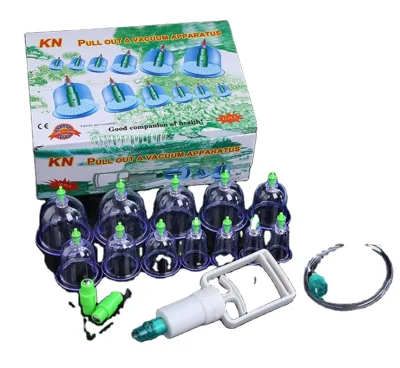
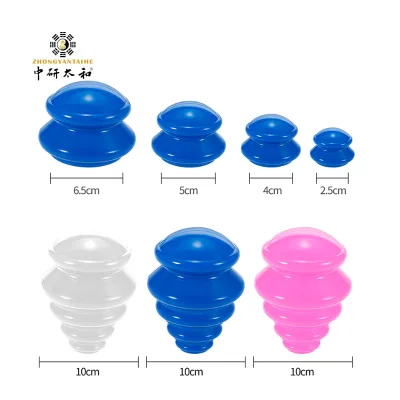
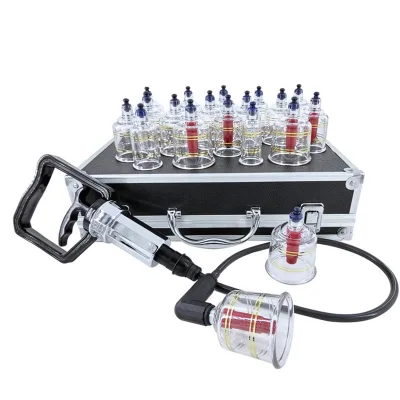
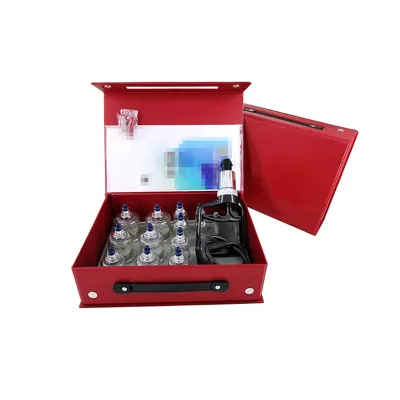
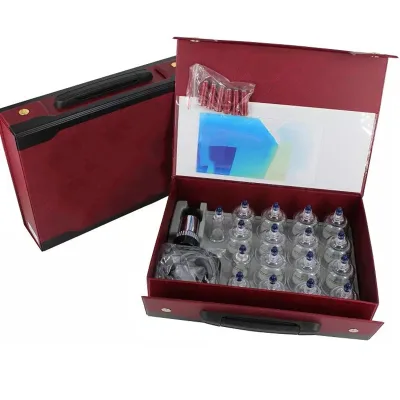
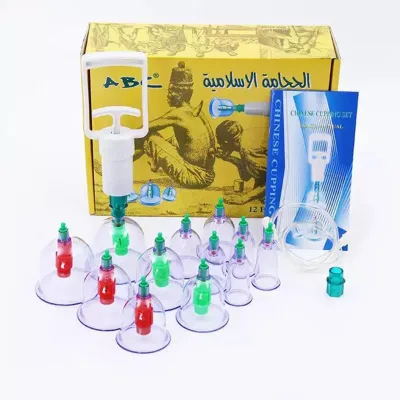
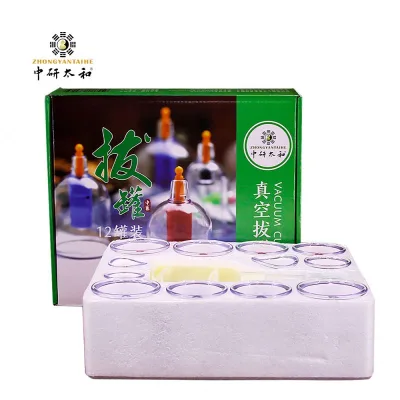
Buyers must scrutinize the model numbers and size specifications to ensure compatibility with their intended applications. For instance, one observed configuration lists a model number of "Vacuum Cupping" with a set size of 29cm20cm8.2cm, containing six cups. In contrast, another specification, identified by model number "RBRCBL-G24," details a single package size of 30X10X20 cm and includes a quantity of 24 pieces. The physical dimensions of the cups themselves are equally vital; data shows cup sizes ranging from a diameter/height of 4.7 x 3.5 cm up to 10 x 7.5 cm. This variance suggests that suppliers offer sets tailored for different body areas, from facial treatments to full-body therapy.
The functional classification of these devices is consistently listed as "Class I" under instrument classification standards. This classification implies a lower risk profile, typically involving non-invasive use. The primary function is identified as "Cupping Massage Therapy" or "Cupping Treatment," with secondary attributes including "Health Care" and "Aromatic For Resolving Dampness." The usage time is generally recommended between 5 to 15 minutes. When sourcing, buyers should verify that the material listed (e.g., ABS vs. AS) aligns with the durability requirements for their specific volume of use, as ABS Plastic often offers higher impact resistance compared to standard AS Plastic.
Regulatory Compliance and Certification Verification
Navigating the regulatory landscape is perhaps the most critical step in the procurement process. The supplied data highlights specific certifications that serve as indicators of quality and safety. The most frequently observed certification is "CE," appearing under both "Certification" and "Quality Certification" fields. Additionally, the "Safety standard" is explicitly cited as "ce" in some listings and "GB2626-2006" in others. The presence of "ISO" in the product properties suggests a broader adherence to quality management, though specific ISO standards like ISO 9001 are noted in background contexts rather than as direct product attributes.
Buyers must distinguish between the product's specific safety standards and general corporate certifications. For example, one listing explicitly mentions "SGS" as a quality certification, while another references "CE ISO." It is essential to verify that the CE marking corresponds to the specific medical device directive applicable in the target market, rather than a generic label. The "GB2626-2006" standard referenced in the data pertains to respiratory protection equipment, which may indicate a broader safety compliance framework for the manufacturing facility or specific components, but its direct relevance to cupping cups should be confirmed with the supplier.
Furthermore, the "Place of Origin" is listed as both "Guangdong, China" and "Zhejiang, China." While these are major manufacturing hubs, the specific location can influence logistics and regulatory familiarity. Buyers should request current copies of the CE certificates and any SGS reports to ensure they match the specific model numbers being purchased. Relying on the observation that "CE" is a common attribute is insufficient; the documentation must be valid, up-to-date, and issued by a recognized Notified Body for the specific region of import.
Cost Drivers and Pricing Structures
The pricing for transparent vacuum cupping cup sets exhibits a wide range, observed between 0.11 and 100 USD. This significant variance is driven by several factors, including the complexity of the design, the quantity of cups included, and the material quality. A set with 6 cups made of AS Plastic may fall on the lower end of the spectrum, while a comprehensive set of 24 pieces made of ABS Plastic with advanced vacuum mechanisms will command a higher price.
The Minimum Order Quantity (MOQ) is another critical cost driver. The observed MOQ range spans from 1 to 5000 units. Suppliers with lower MOQs, such as those accepting single items or small batches, often have higher per-unit costs due to setup and handling fees. Conversely, suppliers offering bulk pricing typically require orders of 90 sets or more, as seen in packaging details stating "MOQ 90 sets" with a supply ability of 3000 sets per day.
Buyers should analyze the "Selling Units" and "Packaging Details" to understand the true cost per unit. For example, a listing with "13pcs per set, 30 sets per cartons" implies a specific logistical cost structure. The "Single gross weight" of 2.000 kg also impacts shipping costs, which can be substantial for heavy, bulk orders. When evaluating quotes, buyers must look beyond the unit price and consider the total landed cost, including packaging, shipping, and potential duties. The "OEM & ODM" acceptance indicates that custom branding may be available, but this often incurs additional tooling or setup fees that should be factored into the budget.
Typical Applications and Therapeutic Use Cases
The versatility of transparent vacuum cupping sets allows for a broad range of applications, from professional clinical settings to home wellness routines. The primary application is listed as "Body," with specific mentions of "Body Facial" and "Full-body" massage areas. This suggests that the cups are designed to accommodate various anatomical regions, from the broad back muscles to the more delicate facial contours.
The therapeutic benefits observed in the product attributes include "PAIN RELIEF," "Improve Immune System," and "Body Contouring." These claims align with the traditional use of cupping in Chinese Medicine, where the apparatus is classified as a "Chinese Medicine Apparatus." The function of "Aromatic For Resolving Dampness" further points to integration with traditional herbal therapies. For B2B buyers, understanding these applications is crucial for marketing and inventory planning. A supplier offering a set with 24 cups of varying sizes is better suited for clinics treating full-body conditions, whereas a smaller 6-cup set may be ideal for specialized facial treatments or portable kits.
The "Usage Time" of 5-15 minutes provides a standard operating procedure for practitioners. Buyers should ensure that the supplier's instructions align with safety guidelines for this duration, particularly regarding suction levels. The "After-sale Service" of "Free spare parts" is a valuable feature for maintaining equipment longevity, ensuring that broken cups can be replaced without purchasing an entire new set.
Supplier Evaluation and Operational Capabilities
Selecting the right supplier involves assessing their operational capacity and reliability. The data indicates that some suppliers have a "Supply Ability" of 3000 sets per day, which is a strong indicator of manufacturing scale. However, buyers must verify if this capacity is consistent and if the supplier can handle the specific order volume required. The "Port of dispatch" is listed as "Shanghai," which is a major logistics hub, but buyers should confirm if this applies to all their orders or if other ports are available.
The "Brand Name" varies across listings, including "Fitin Medical," "RB," and "RightBest." While these names provide brand identity, the focus should remain on the manufacturing capability and quality control processes rather than brand recognition alone. The acceptance of "OEM & ODM" services suggests that suppliers are willing to customize products, which is essential for buyers looking to build their own brand. However, buyers should verify the lead times associated with custom orders, as these can vary significantly from standard stock items.
Quality control is paramount. The presence of "SGS" and "CE" certifications is a positive signal, but buyers should request third-party test reports to validate these claims. The "Shelf Life" of 1 year is a standard metric that buyers must consider for inventory management. Products with a shorter shelf life may require more frequent restocking, impacting cash flow and storage costs.
Quality Control and Long-Term Procurement Considerations
Long-term procurement success depends on establishing a robust quality control framework. Buyers should implement a system to verify the consistency of the "Transparent" material and the structural integrity of the cups. The "Quantity of Cups" per set must be accurate, as discrepancies can lead to operational delays. For example, a set advertised as 24 pieces must contain exactly 24 functional units.
The "Single package size" and "Single gross weight" are critical for logistics planning. Inaccurate packaging data can lead to unexpected shipping costs and storage issues. Buyers should request physical samples to verify the actual dimensions and weight before committing to large orders. The "After-sale Service" of providing free spare parts is a significant advantage, reducing the total cost of ownership. However, the availability of these parts should be confirmed for the duration of the product's shelf life.
Finally, buyers should consider the "Properties" of the device, such as its classification as a "Chinese Medicine Apparatus." This classification may affect import regulations and insurance requirements in different jurisdictions. By maintaining a focus on verified specifications, certifications, and operational data, buyers can mitigate risks and build a reliable supply chain for transparent vacuum cupping cup sets. The observed data provides a solid baseline, but continuous verification against current regulatory standards and supplier performance is essential for sustained success.
FAQs
What certifications do transparent vacuum cupping cup sets have?
Most sets carry CE certification and are classified as Class I medical instruments. Some listings also include SGS quality certification and reference safety standards like GB2626-2006. Buyers should verify the specific certificate matches the model number before purchasing.
Which materials are used for transparent vacuum cupping cups?
The cups are primarily made from AS Plastic or ABS Plastic to ensure durability and transparency. ABS Plastic often offers higher impact resistance compared to standard AS Plastic. The transparent color allows practitioners to monitor skin reactions during treatment.
How many cups are included in a standard set?
Sets typically contain between 6 and 24 cups depending on the model and intended use. Specific configurations may include 13 pieces per set with bulk packaging options. Buyers should check the quantity of cups listed for each specific model number.
Can suppliers accept OEM and ODM orders for these sets?
Yes, many suppliers accept OEM and ODM requests to customize branding and packaging. This service often involves additional tooling fees and specific lead times. Buyers should confirm the minimum order quantity required for custom production runs.
What is the typical minimum order quantity for these sets?
The minimum order quantity ranges from 1 unit for single items up to 5000 units for bulk orders. Some suppliers require a minimum of 90 sets for standard packaging configurations. Lower MOQs usually result in higher per-unit costs due to setup fees.
Where are these products typically manufactured?
Products originate from major manufacturing hubs in Guangdong and Zhejiang, China. These locations are known for producing medical devices and wellness equipment. Buyers should verify the specific place of origin listed for each supplier to ensure logistics compatibility.
What is the shelf life of these cupping sets?
The standard shelf life for these plastic cupping sets is one year. This duration applies to the material integrity and safety of the device before use. Buyers should plan their inventory turnover to ensure products are used within this timeframe.