Source Body Scrub for Skin Cleansing, Exfoliation, and Moisturizing
Compare 30 Body Scrub options with various fragrances and ingredients. Review specifications like weight and packaging to find the right fit for your retail or private label needs.
Key considerations
Products List


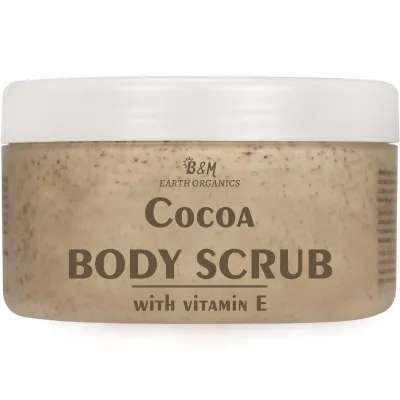
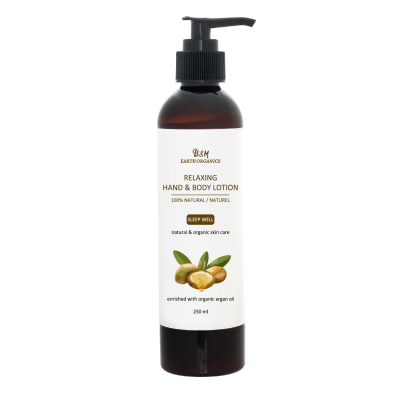
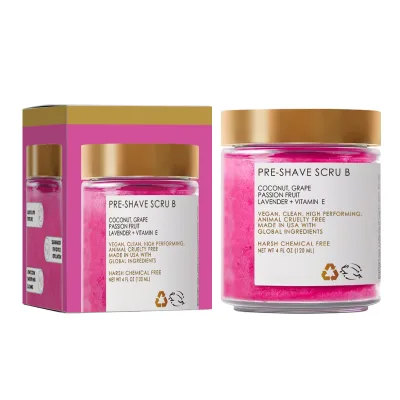


Exfoliating and Multifunctional Nourishing Facial & Skin Green Tea Body Scrub
$2.75 - $3.00
MOQ: 3000 Pieces


Private Custom Moisturizing Skin Exfoliating Brown Sugar Natural Body Scrub
$1.62 - $2.52
MOQ: 3000 Pieces


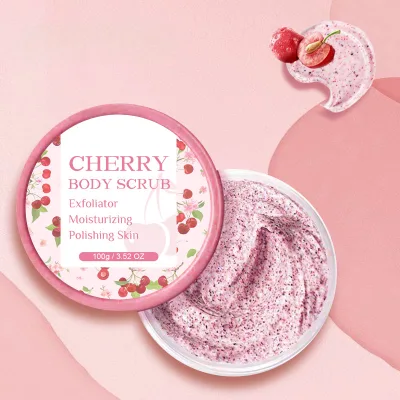
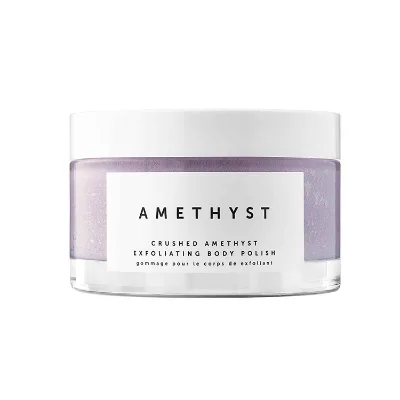
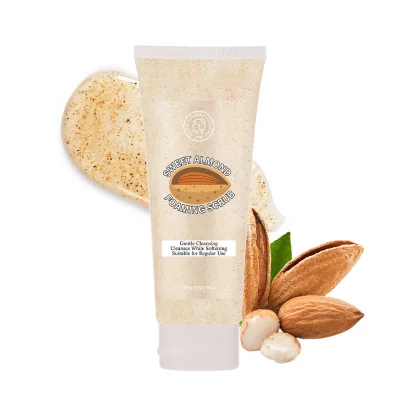
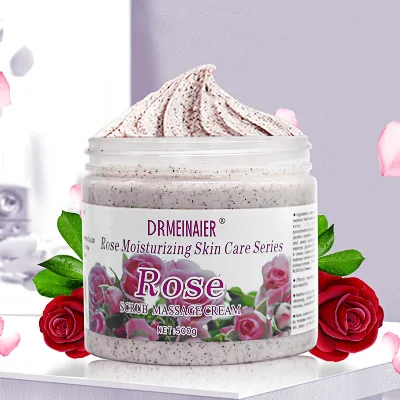
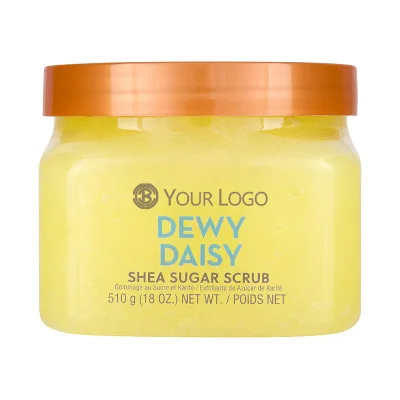
Comprehensive Sourcing Guide
Body Scrub Sourcing Guide
Procuring body scrubs for B2B distribution requires a rigorous approach to verifying product consistency, regulatory compliance, and supply chain reliability. Buyers must move beyond superficial product descriptions to examine the underlying manufacturing capabilities and quality control protocols of potential partners. The primary objective is to secure a stable supply of cosmetic formulations that meet specific market demands for texture, fragrance, and skin benefits while maintaining strict adherence to safety standards. This guide outlines the critical verification steps necessary to mitigate risk and ensure that the final product aligns with your brand’s quality expectations and legal obligations in target markets.
Successful sourcing in this category depends on the ability to distinguish between generic commodity products and customized formulations that offer a competitive edge. By focusing on observable listing signals and technical specifications, buyers can identify suppliers who possess the technical depth required for OEM and ODM services. It is essential to treat product attributes as data points for verification rather than guaranteed outcomes, ensuring that every claim regarding ingredients, efficacy, or packaging is backed by tangible evidence. This disciplined approach helps prevent costly discrepancies between the sample received and the bulk production run, safeguarding your brand reputation and customer satisfaction.
Product Scope and Observed Listing Signals
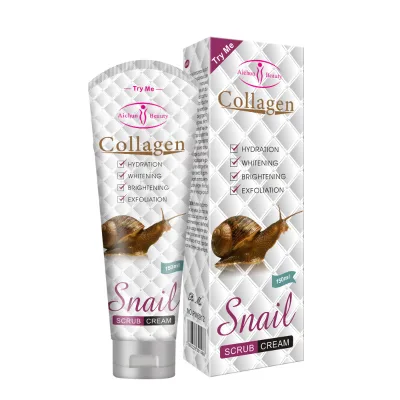
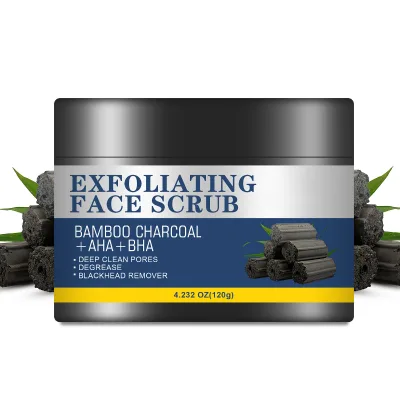
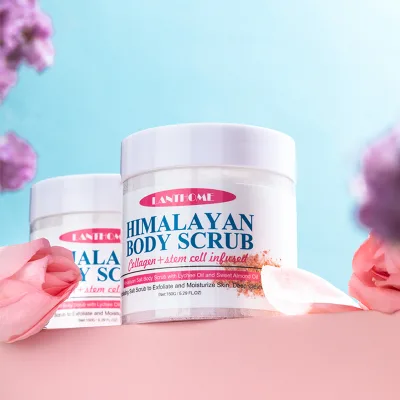
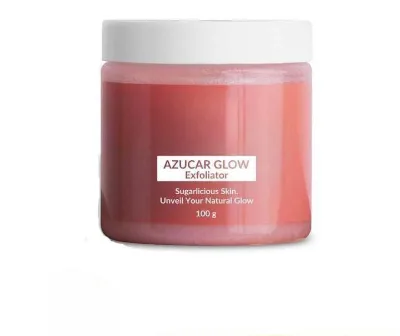
The observed market for body scrubs encompasses a wide range of formulations, primarily targeting adult consumers with specific skin care needs. Listings frequently indicate that these products are designed for body application, with a focus on functions such as skin cleansing, moisturizing, and whitening. The scope includes various forms, with cream-based textures being a common observation, though the category generally refers to exfoliating products. Buyers should note that the target demographic is predominantly adults, with some listings specifying suitability for individuals above three years old, which requires careful labeling and safety review. Understanding this scope helps in aligning the product with the correct regulatory category and marketing channel.
Listing signals provide initial insights into the supplier’s capabilities and the product’s positioning. Common attributes include a variety of fragrances such as lemon, strawberry, lavender, and coconut, as well as ingredients like pearl, rose, vitamin E, and dead sea salt. These signals suggest that suppliers offer customization options for scent and active ingredients, which is crucial for brands looking to differentiate their offerings. However, buyers must verify that these listed attributes are consistent across the entire production batch. The presence of terms like "OEM/ODM" and "Ready To Ship" indicates that suppliers can accommodate both custom development and immediate inventory needs, but the specific terms and conditions for each service model must be clarified during the negotiation phase.
Technical Specifications to Verify
Technical specifications form the backbone of product quality assurance, and buyers must verify key parameters such as weight, volume, and packaging dimensions. Observed standards include weights of 283g and volumes ranging from 30 ml to 200 mL, with specific models like "Body Scrub 05" and "Body Scrub 10" indicating a structured product line. The single package size is often listed as 50x50x50 cm, with a gross weight of 20.000 kg per carton, which impacts logistics planning and storage requirements. Buyers should confirm that the net weight and volume match the label claims, as discrepancies can lead to regulatory non-compliance and customer complaints. Verifying these physical specifications ensures that the product meets the expected value proposition for the end consumer.
Beyond physical dimensions, the formulation details require thorough technical review. The ingredient list may include active components such as salicylic acid, glycerin, and argan oil, which have specific concentration limits and stability requirements. Buyers should request detailed technical data sheets (TDS) to verify the concentration of active ingredients and the compatibility of the formulation with the packaging material. For instance, certain exfoliants may react with specific plastic types over time, leading to degradation or leakage. Additionally, the shelf life is often stated as three years, but this claim must be supported by stability testing data. Confirming these technical aspects ensures that the product remains safe and effective throughout its intended lifespan.
Compliance and Safety Documentation
Compliance with international safety standards is non-negotiable for Body Scrub procurement, particularly when exporting to regulated markets. Suppliers should provide evidence of certifications such as GMPC, ISO22716, and Sedex, which attest to good manufacturing practices and ethical labor standards. These certifications are critical for demonstrating that the production facility adheres to rigorous hygiene and quality control protocols. Buyers must verify the validity and scope of these certificates, ensuring they cover the specific product line and manufacturing site. Relying solely on supplier claims without independent verification can expose the buyer to significant legal and reputational risks.
In addition to facility certifications, product-specific safety documentation is essential. This includes Material Safety Data Sheets (MSDS) and compliance with local cosmetic regulations, such as the EU Cosmetics Regulation or FDA guidelines in the United States. Buyers should request a full ingredient list in INCI nomenclature to check for prohibited or restricted substances. The presence of certifications like MSDS and ISO indicates a commitment to safety, but the buyer must ensure that the documentation is current and specific to the exact formulation being purchased. Failure to obtain and review these documents can result in customs delays, product recalls, or legal action, making this a critical step in the sourcing process.
Cost Drivers and Commercial Terms
Understanding the cost structure of Body Scrub procurement requires analyzing both unit price and total landed cost. The observed price range in USD is between 0.66 and 3.85, which varies significantly based on formulation complexity, packaging quality, and order volume. Buyers should not focus solely on the unit price but also consider the Minimum Order Quantity (MOQ), which ranges from 10 to 5000 pieces. A lower MOQ may offer flexibility for testing new products, but it often comes with a higher unit price. Conversely, larger orders can reduce the per-unit cost but require significant upfront capital and storage space. Negotiating terms that balance cost efficiency with inventory risk is essential for maintaining a healthy cash flow.
Commercial terms also include payment methods, lead times, and shipping conditions. The sample lead time is typically 3-5 days, while the delivery time for bulk orders is 3-5 work days, though this can vary based on production schedules and logistics. Buyers should clarify whether the quoted price includes packaging, labeling, and shipping costs, or if these are additional charges. Incoterms such as FOB, CIF, or EXW define the transfer of risk and responsibility between the buyer and the supplier. Understanding these terms helps in accurately calculating the total cost of ownership and avoiding unexpected expenses. Clear communication on these commercial aspects ensures a smooth transaction and builds a foundation for a long-term partnership.
Supplier Qualification and Quality Control
Qualifying a supplier involves assessing their manufacturing capabilities, quality control processes, and responsiveness to buyer needs. Suppliers offering OEM and ODM services should demonstrate the ability to customize formulations, packaging, and branding to meet specific requirements. Buyers should request samples to evaluate the product’s texture, scent, and efficacy before committing to a bulk order. The availability of free samples and a 24-hour online reply service are positive indicators of a supplier’s commitment to customer service. However, the quality of the sample must be rigorously tested to ensure it matches the bulk production standards.
Quality control protocols should be verified through on-site audits or third-party inspections. Buyers should ask for details on the supplier’s quality control procedures, including raw material testing, in-process checks, and final product inspection. The presence of certifications like GMPC and ISO22716 suggests a structured quality management system, but independent verification is necessary to confirm its effectiveness. Buyers should also assess the supplier’s capacity to handle peak demand and maintain consistent quality over time. A reliable supplier will provide transparent communication about production schedules, potential delays, and quality issues, fostering trust and collaboration.
Long-Term Procurement Checks
Establishing a long-term procurement relationship requires ongoing monitoring of supplier performance and market trends. Buyers should track key performance indicators such as on-time delivery rates, defect rates, and responsiveness to quality issues. Regular audits and feedback loops help in maintaining high standards and addressing any emerging concerns promptly. The supplier’s ability to adapt to changing market demands, such as new ingredient trends or packaging innovations, is also a critical factor in long-term success. Building a strategic partnership with a supplier who shares your values and goals can lead to mutual growth and competitive advantage.
Sustainability and ethical sourcing are increasingly important considerations in long-term procurement. Buyers should verify the supplier’s commitment to environmental responsibility, including waste management, energy efficiency, and sustainable sourcing of raw materials. Certifications like Sedex indicate adherence to ethical labor practices, which is essential for brands that prioritize social responsibility. By integrating these checks into the procurement process, buyers can ensure that their supply chain aligns with their corporate social responsibility objectives. This holistic approach to procurement not only mitigates risk but also enhances brand value and customer loyalty in the long run.
FAQs
What is the standard weight for this Body Scrub product?
The standard weight for this Body Scrub is 283g. This specification is consistent across the listed product models, ensuring uniformity for bulk orders. Buyers should verify this weight against their packaging requirements to ensure compliance with local regulations and shipping constraints.
What certifications are available for this Body Scrub?
The Body Scrub is certified with GMPC, ISO22716, and Sedex. These certifications indicate adherence to good manufacturing practices and ethical supply chain standards. Buyers can request documentation to verify compliance with their specific quality and safety requirements before placing an order.
What is the minimum order quantity for this Body Scrub?
The minimum order quantity is 5000 pieces. This MOQ applies to the standard product configuration. Buyers requiring smaller quantities for testing or initial market entry should inquire about sample availability, which is offered with a lead time of 3 to 5 days.
Can I customize the fragrance of the Body Scrub?
Yes, customization is available for the Body Scrub. The product supports various fragrance options including Lemon, Strawberry, Lavender, and Coconut. Buyers can select from the listed scents or request specific customizations to align with their brand identity and target consumer preferences.
What is the sample lead time for this Body Scrub?
The sample lead time is 3 to 5 days. This timeframe allows buyers to evaluate the product quality, texture, and scent before committing to a larger production run. Samples are available to help verify that the product meets specific quality standards and market expectations.
What is the shelf life of this Body Scrub?
The shelf life of the Body Scrub is 3 years. This duration ensures the product remains effective and safe for use when stored under recommended conditions. Buyers should consider this shelf life when planning inventory levels and distribution schedules to minimize waste.
What packaging options are available for this Body Scrub?
The Body Scrub is packed in cartons with a quantity of 48 units per carton. The single package size is 50x50x50 cm with a gross weight of 20.000 kg. This packaging format is designed for efficient shipping and storage, facilitating easy handling for wholesale distribution.