Source Mildew Proof Pallet Disensper for Warehouse, Logistics, Food
Compare 30 listings for Mildew Proof Pallet Disensper designed for warehouse, logistics, and food industry applications. Buyers can evaluate specifications including steel or PP materials, powder coating finishes, and certifications like ISO9001 and CE to find suitable storage solutions.
Key considerations
Products List




1000X1000X85mm Presswood Pallet Mdi Glue Compresswood Tray Wooden Pallet
$4.50 - $5.50
MOQ: 500 pieces
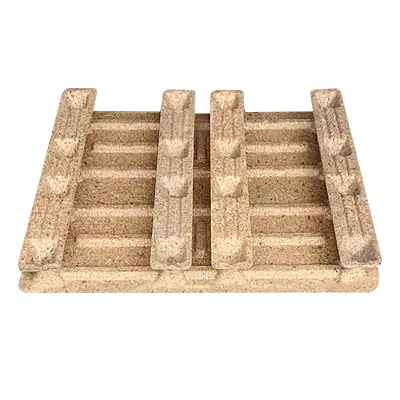
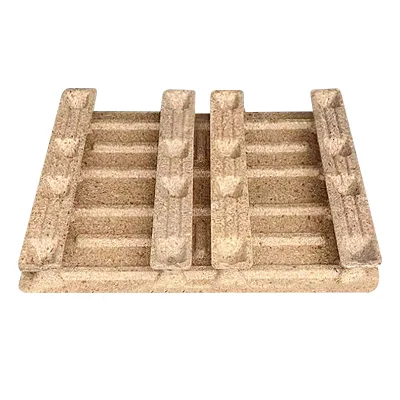


Pallet More Than 5 Years Welltouch Fumigated 200*20 mm PU Waterproof
$63.00 - $72.00
MOQ: 200 Square Meters


Anti-Static E0 Bamtech Fumigated Pallet 200X25mm China Garden Compsote Boards
$88.00 - $106.00
MOQ: 100 Square Meters

Warehouse Equipment Plastic Shelf Board Moisture-Proof Splicing Pad Pallet
$12.00 - $18.00
MOQ: 100 Pieces


Comprehensive Sourcing Guide
Strategic Sourcing Guide for Mildew-Resistant Pallet Racking Systems
Understanding Material Composition and Mildew Resistance
When sourcing equipment described as "Mildew Proof Pallet Disensper," buyers must first clarify that the core requirement is a pallet racking system designed for environments where moisture, humidity, and organic growth are persistent threats. The term "disensper" in this context likely refers to a specialized design or a specific manufacturer's nomenclature for a system engineered to resist degradation. The primary defense against mildew in industrial storage is the selection of appropriate materials and surface treatments. Based on available product data, the market offers solutions constructed from 100% Polypropylene (PP) or High-Density Polyethylene (HDPE), which are inherently non-porous and resistant to biological growth. Alternatively, steel-based systems are widely available, provided they undergo rigorous surface treatments.
For steel racks, the critical factor is the finish. The supply chain data indicates that effective mildew resistance is achieved through Powder Coating or Galvanization. Powder coating creates a seamless barrier that prevents moisture from reaching the metal substrate, while galvanization offers a zinc layer that protects against corrosion, which often precedes structural failure in damp conditions. Buyers should verify that the specific units they procure feature "Powder Coated, Galvanized" finishes as listed in standard specifications. The material choice dictates the lifespan; while some units claim a lifespan of up to 3 to 5 years against proper handling, mildew-resistant coatings can extend this significantly in high-humidity zones like cold storage or food processing facilities. The weight capacity of these systems typically ranges from 150kg to 500kg per unit, a factor that must be balanced against the need for robust, corrosion-resistant construction.
Technical Specifications and Structural Integrity
The technical architecture of a mildew-proof pallet rack system is defined by its dimensions, load-bearing capacity, and modularity. Standard specifications often cite dimensions such as 12001000150 mm or 1000800150 mm, which correspond to standard pallet sizes. However, the "as needed" standard option allows for custom configurations to fit specific warehouse footprints. The height of these racking systems is a significant variable, with observed ranges spanning from 5 meters to 15 meters. This vertical capacity is crucial for maximizing storage density in facilities where floor space is limited but air circulation is poor, increasing the risk of mildew.
Structural stability is paramount. The product attributes confirm a "Structure Strong" advantage, often achieved through a "Rack" type design that supports heavy loads. The stacking capability is noted as "4 High," indicating that these systems are designed to be stacked or configured in multi-level arrangements. For mildew-prone environments, the "Detachable/undetachable" design options are particularly relevant. Detachable racks allow for easier disassembly and cleaning, reducing the accumulation of organic debris that feeds mildew. Conversely, undetachable units may offer superior structural rigidity. The presence or absence of wheels is another technical consideration; the data specifies "No" for wheels in standard configurations, implying a fixed installation that minimizes movement and potential damage to the protective coating. If mobility is required, buyers should look for "Castors" as an available option, ensuring these components are also treated for corrosion resistance.
Compliance, Certification, and Safety Standards
In the industrial sector, compliance is not merely a formality but a critical component of risk management. When sourcing pallet racking, buyers must verify that the supplier adheres to recognized international and regional standards. The provided data highlights several key certifications: AS4084, FEM, ISO9001, and CE. AS4084 is the Australian Standard for storage racking, while FEM (Federation of European Material Handling Equipment) provides guidelines for the design and safety of racking systems. ISO9001 confirms that the manufacturer has a certified quality management system, which is essential for consistent production of mildew-resistant coatings. The CE mark indicates conformity with health, safety, and environmental protection standards for products sold within the European Economic Area.
Buyers should treat these certifications as mandatory verification points rather than optional features. A supplier claiming to provide "mildew proof" equipment must demonstrate that their products meet these rigorous standards. The "Export Package" and specific packing methods, such as "Packed by Wooden Bars, Crates, Metal Stripes, Films," are also part of the compliance picture, ensuring that the protective coatings are not damaged during transit. Furthermore, the origin of the products is listed as China, a major manufacturing hub, but the presence of these specific certifications ensures that the quality control processes meet global expectations. Buyers must request current certification documents to validate that the specific batch of racking they are purchasing is covered under these standards.
Cost Drivers and Procurement Economics
The cost of acquiring mildew-proof pallet racking is influenced by several distinct factors, primarily material composition, surface treatment complexity, and customization levels. The observed price range in the market spans from $0.75 to $106, though this wide variance likely reflects different unit types, from individual components to complete rack sets. The base cost is driven by the choice between 100%PP/HDPE and Steel. While plastic materials are inherently resistant to mildew, steel systems with high-quality galvanization and powder coating often offer higher load capacities, potentially justifying a higher initial investment.
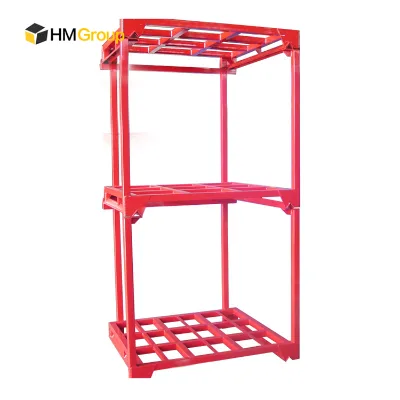
Customization is a significant cost driver. The data indicates that "Customization: Available" and "Colour: Blue or Customized" or "Red, Support Customisation" are standard offerings. Custom colors often require specific paint formulations or additional processing steps, which can increase the unit price. Additionally, the "OEM" (Original Equipment Manufacturer) nature of the production means that buyers may incur costs for custom branding or specific design modifications. The "Single package size" of 160x120x30 cm and the "Single gross weight" of 43.000 kg are critical for logistics planning. The "Loaded in 1x40HQ: 160 sets" metric provides a baseline for shipping efficiency, but custom dimensions or heavier components may alter this density. Buyers should also consider the "MOQ" (Minimum Order Quantity), which ranges from 1 to 3000 units. Small orders may carry a higher per-unit cost due to setup fees, while large orders benefit from economies of scale but require significant capital outlay and storage space for the inventory.
Typical Applications and Operational Environments
The versatility of mildew-proof pallet racking is evident in its wide range of applications. The product attributes list usage in "Warehouse, logistics, recycling, package, food industry, etc." This broad applicability underscores the necessity of mildew resistance in diverse sectors. In the food industry, for instance, the presence of organic matter and moisture creates an ideal environment for mold and mildew. Racking systems in these facilities must not only support the load but also prevent the growth of biological contaminants that could compromise product safety. The "Serviceability: Common Use" attribute suggests that these racks are designed for frequent interaction and high-traffic areas.
Specific applications include "Tool Rack," "Clothing," "Beverage," and "Industrial" storage. In beverage storage, condensation is a common issue, making galvanized or powder-coated steel racks essential. For clothing and textile storage, humidity control is vital to prevent mold damage to the goods. The "Application area" data also mentions "recycling," where materials may be wet or dirty, necessitating a rack that can be easily cleaned and does not harbor bacteria. The "Layer" configuration, available in 1, 2, or 3 layers, allows for flexibility in organizing different types of goods. Whether the application is a high-bay warehouse or a low-ceiling storage room, the ability to customize the height and structure ensures that the racking system can be tailored to the specific environmental challenges of the site.
Supplier Evaluation and Quality Control Protocols
Evaluating a supplier for mildew-proof pallet racking requires a rigorous assessment of their manufacturing capabilities and quality assurance processes. The "Brand Name: HM Group" is mentioned in the data, but buyers should not rely on a single brand name. Instead, the focus should be on the supplier's ability to deliver products that meet the "AS4084, FEM, CE, ISO9001" standards. A robust quality control protocol should include testing for the adhesion of powder coatings and the thickness of galvanization layers. Buyers should request test results that verify the "Corrosion Protection" feature, ensuring that the finish will withstand the specific humidity levels of their facility.
The "Installation: OEM" attribute suggests that the supplier may offer installation services or detailed instructions. However, the "Available design: Detachable/undetachable" feature implies that the buyer must have the technical expertise to assemble the racks correctly. Improper assembly can compromise the structural integrity and the effectiveness of the mildew-resistant coatings. The "Advantages: Structure Strong" claim should be backed by engineering calculations and load tests. Buyers should also verify the "Lifespan" claims, which are stated as "Up to 3 to 5 years against proper handling." This timeframe is contingent on the maintenance of the protective coatings. Regular inspections for scratches or chips in the powder coating are essential to prevent the onset of rust and subsequent mildew growth.
Long-Term Procurement and Maintenance Considerations
Sourcing mildew-proof pallet racking is a long-term investment that requires a proactive maintenance strategy. The "Surface Treatment: Powder Coating& Glvanized" (noting the likely typo for Galvanized) is the first line of defense, but it is not immune to damage. Over time, the "Feature: Corrosion Protection" may degrade due to physical impact or chemical exposure. Buyers should plan for periodic inspections and touch-up procedures to maintain the integrity of the coating. The "Options: Castors, divider, I.D. plates, etc." allow for future adaptability, which is crucial as storage needs evolve.
The "Mobility: Adjustable" attribute suggests that the system can be reconfigured, which is beneficial for changing inventory patterns. However, frequent adjustments may wear down the connection points, potentially exposing the metal to moisture. The "Stacking: 4 High" configuration requires careful attention to load distribution to prevent structural stress that could lead to coating failure. In terms of procurement, the "Selling Units: Single item" flexibility allows for phased purchasing, which can help manage cash flow. However, buyers should ensure that future orders match the specifications of the initial batch to maintain uniformity in the facility. The "Production Origin: China" is a standard detail, but the "Export Package" ensures that the goods arrive in a condition ready for immediate deployment. By focusing on these long-term factors, buyers can ensure that their investment in mildew-proof racking delivers sustained value and safety in demanding industrial environments.
FAQs
What materials are used for Mildew Proof Pallet Disensper?
The system uses 100%PP or HDPE materials which are inherently resistant to biological growth. Alternatively, steel racks are available with powder coating or galvanization to prevent corrosion and mildew in humid environments.
Which certifications ensure safety for Mildew Proof Pallet Disensper?
Products must hold AS4084, FEM, CE, and ISO9001 certifications to guarantee structural integrity and quality management. These standards verify that the racking meets international safety requirements for industrial and food storage applications.
How can I customize the color of Mildew Proof Pallet Disensper?
Customization is available for colors such as blue, orange, yellow, or red to match specific branding needs. Buyers can request tailored color options while maintaining the required surface treatments for corrosion protection.
Can Mildew Proof Pallet Disensper be used in food industries?
Yes, the system is suitable for food industry applications due to its corrosion protection and cleanable design. The materials resist organic growth, making them safe for storing beverages, tools, and other goods in hygienic zones.
What is the typical lifespan of Mildew Proof Pallet Disensper?
The lifespan is up to 3 to 5 years against proper handling and maintenance of the protective coatings. Regular inspections are necessary to ensure the powder coating or galvanization remains intact to prevent rust and mildew.
How are Mildew Proof Pallet Disensper units packed for export?
Units are packed using wooden bars, crates, metal stripes, and films to protect the surface finish during transit. This export package ensures that the powder coating or galvanized layers remain undamaged before installation.