Source Mini Energy Saving Smart Plug for Home, Office, and Commercial Spaces
Compare 30 Mini Energy Saving Smart Plug options featuring Wi-Fi control, energy monitoring, and voice assistant support. Buyers can evaluate models with UK or US standards, varying current ratings, and remote control capabilities for diverse residential and industrial applications.
Key considerations
Products List
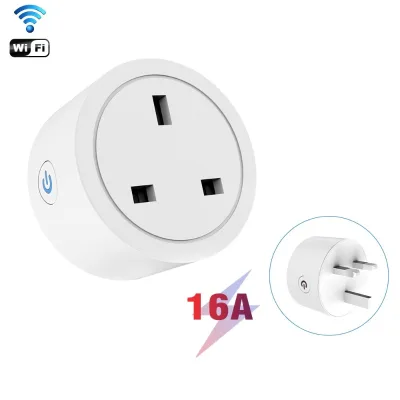
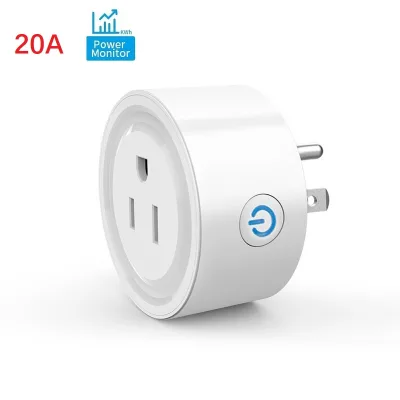


Hot Sales Overload Protection Function Simple Design Style 16A Smart Plug Mini
$4.40 - $4.64
MOQ: 1000 pieces

Multi-Function Standard Outdoor Home Electrical Remote Control Wireless Mini UK Smart Plug
$4.40 - $4.64
MOQ: 1000 pieces

Support OEM Customization Modern Style Smart Home Control Smart Plug 10A
$3.60 - $3.87
MOQ: 1000 pieces


Comprehensive Sourcing Guide
Strategic Sourcing Guide for Mini Energy Saving Smart Plugs
Understanding Technical Specifications and Core Functionality
When sourcing a Mini Energy Saving Smart Plug, buyers must first distinguish between the various technical configurations available in the global market. The core keyword implies a device that combines compact form factors with energy monitoring capabilities and wireless connectivity. Based on current market observations, these devices typically operate within a voltage range of 100 to 240 volts at 50-60 Hz, ensuring compatibility with diverse electrical grids across North America, Europe, and Asia. A critical technical differentiator is the rated current capacity. Some models in the supply chain are rated for 16 Amperes, while others support up to 20 Amperes. This variance directly impacts the maximum power load the device can handle, with specific units capable of managing up to 3680 Watts of maximum power supply.
Connectivity is another paramount specification. The majority of these smart plugs utilize Wi-Fi networks operating on the 2.4 GHz band, often supplemented by Bluetooth Low Energy (BLE) 5.1 for initial setup and local control. This dual-protocol approach ensures reliable communication with smart home ecosystems. Buyers should verify that the device supports voice control integration with major platforms such as Google Home and Amazon Alexa. Furthermore, the "energy saving" aspect is not merely a marketing term but a functional attribute. Devices labeled with this feature typically include built-in energy monitoring, allowing users to track power consumption via a dedicated application like Smart Life. This data is essential for users aiming to optimize energy usage and reduce utility costs.
The physical construction of these units is equally important. Most models are manufactured using high-grade ABS plastic, which provides durability and heat resistance. The mechanical life of the internal relay is a key performance indicator, with many units tested to withstand 100,000 switching cycles. However, the physical design varies significantly regarding grounding. Some variants are designed as non-grounding plugs, while others feature full grounding, which is a critical safety consideration depending on the target market's electrical standards. The cable length is another specification to note, with some compact models featuring a short cable of approximately 0.5 meters, which is ideal for tight spaces but may require extension cords for other setups.
Compliance Standards and Certification Verification
Navigating the regulatory landscape is perhaps the most critical step in the procurement process for smart plugs. Unlike generic electronics, power plugs must adhere to strict regional standards to ensure safety and legal compliance. The market currently features products designed to meet specific regional plug standards, such as the UK 3-pin standard and the US standard. A single product listing might reference multiple standards, indicating that the manufacturer produces variants tailored to different export markets. For instance, a model designated with a UK standard will have a distinct pin configuration and safety requirements compared to a US-standard unit.
Buyers must verify that the supplier provides evidence of compliance with the specific standard required for their destination market. This includes checking for the correct plug standard designation, such as "UK" or "USA," and ensuring the product matches the local electrical codes. The IP rating is another compliance metric to consider. Some units are rated at IP13, which indicates protection against vertically falling water drops, a basic level of protection suitable for indoor use but insufficient for outdoor or wet environments.
Certification status is often a point of confusion in B2B sourcing. While some products may claim compliance with international safety standards, buyers should not assume certification without explicit documentation. The absence of specific certification names in product descriptions does not imply non-compliance, but it does require the buyer to request test reports and certification documents from the supplier. It is vital to confirm that the manufacturer has the necessary approvals for the specific region of sale, as importing non-compliant electrical devices can lead to customs seizures, legal liabilities, and safety hazards. The "Standard" attribute in product data often lists multiple regions, suggesting the manufacturer offers different SKUs for different markets, and the buyer must ensure the ordered SKU matches the intended market's regulatory requirements.
Cost Drivers and Pricing Dynamics
The pricing of mini energy saving smart plugs is influenced by a complex interplay of factors, including technical specifications, volume, and customization requirements. The observed market price range for these devices spans from $0.50 to $45.00 USD. This wide disparity is not arbitrary but reflects differences in build quality, feature sets, and order volumes. Lower-priced units often represent basic models with standard Wi-Fi connectivity and minimal energy monitoring features. In contrast, higher-priced units may include advanced features such as higher current ratings (20A vs. 16A), superior materials, or integrated fast-charging capabilities like PD 30W.
Volume is a significant driver of cost. The Minimum Order Quantity (MOQ) observed in the market ranges from 1 piece to 5,000 pieces. Buyers purchasing small quantities, such as single units or small batches, will naturally face a higher unit cost. Conversely, large-volume orders can leverage economies of scale to reduce the per-unit price significantly. The customization option is another factor that can influence cost. Products marked as "Customization Available" allow buyers to tailor the device to their brand, which typically incurs additional tooling or setup fees, potentially increasing the initial cost but offering long-term branding benefits.
Material costs also play a role. Units constructed with high-quality ABS plastic and robust internal components will generally command a higher price than those using lower-grade materials. Additionally, the inclusion of advanced features like dual-band Wi-Fi/BLE or higher mechanical life ratings (100,000 cycles) adds to the manufacturing complexity and cost. Buyers should analyze the total cost of ownership, considering not just the purchase price but also the potential savings from energy monitoring features and the longevity of the device. A slightly higher upfront cost for a unit with a 2-year warranty and superior mechanical life may result in lower replacement costs and reduced maintenance overhead over time.
Typical Applications and Usage Scenarios
The versatility of mini energy saving smart plugs makes them suitable for a wide array of applications, ranging from residential to industrial settings. In the home environment, these devices are commonly used to control lighting, fans, heaters, and small appliances. The energy monitoring function is particularly valuable in residential settings, allowing homeowners to identify energy-hungry devices and adjust usage patterns to reduce bills. The compact size of these plugs, often described as "mini," makes them ideal for use in tight spaces behind furniture or in crowded power strips where larger smart plugs would not fit.
Commercial use is another significant application area. Offices, retail stores, and hospitality venues can utilize these smart plugs to manage energy consumption across multiple zones. The ability to remotely control devices via a smartphone app or voice command allows facility managers to automate lighting and equipment schedules, ensuring that devices are turned off when not in use. The "Smart Life" application compatibility mentioned in product specifications suggests a user-friendly interface that simplifies management for non-technical staff.
Industrial applications are also feasible, provided the device's current rating and environmental protection level meet the specific requirements of the facility. Units with a 20A rating and robust construction can handle heavier loads in industrial settings. However, the IP13 rating indicates that these devices are primarily designed for indoor use. Buyers intending to use these plugs in harsh industrial environments must verify if additional protection is required or if a different product with a higher IP rating is necessary. The "Usage" attribute often lists "Home Use, Commercial Use, Industrial Use," indicating the manufacturer's intent for broad applicability, but the actual suitability depends on the specific environmental conditions and load requirements of the intended application.
Supplier Evaluation and Quality Assurance
Selecting the right supplier is crucial for ensuring product reliability and long-term partnership success. When evaluating potential suppliers, buyers should focus on several key areas: production capacity, quality control processes, and after-sales support. The "Place of Origin" for many of these devices is Guangdong, China, a major hub for electronics manufacturing. While this region offers access to a robust supply chain, it also necessitates rigorous supplier vetting to ensure consistent quality.
Buyers should request detailed information about the supplier's quality control procedures. This includes in-process inspections, final product testing, and adherence to international quality management standards. The mechanical life of 100,000 cycles mentioned in product data is a specific claim that should be verified through independent testing reports. Additionally, the warranty period, often cited as 2 years, is a strong indicator of the supplier's confidence in their product. A supplier willing to offer a substantial warranty is more likely to have robust quality control measures in place.
Communication and responsiveness are also critical factors. A reliable supplier should be able to provide clear answers to technical queries, offer samples for testing, and maintain transparent communication regarding production timelines. The "Customization Available" attribute suggests that some suppliers are flexible and willing to work with buyers to meet specific requirements. Buyers should assess the supplier's ability to handle customization requests without compromising on quality or delivery schedules.
Long-Term Procurement Considerations and Risk Management
Sourcing smart plugs is not just a one-time transaction but a long-term procurement strategy that requires careful planning and risk management. One of the primary considerations is the compatibility of the devices with existing smart home ecosystems. As technology evolves, the software support for these devices may change. Buyers should verify that the manufacturer has a track record of providing firmware updates and maintaining app compatibility over time. The "Smart Life" application is a common platform, but buyers should ensure that the specific model they are sourcing will continue to receive support.
Supply chain resilience is another critical factor. Given the global nature of the electronics supply chain, disruptions can occur due to various factors, including raw material shortages, logistics issues, or geopolitical tensions. Buyers should assess the supplier's ability to maintain consistent production and delivery schedules. The MOQ range of 1 to 5,000 pieces offers flexibility, but buyers should plan for potential fluctuations in demand and ensure that the supplier can scale production accordingly.
Finally, buyers should consider the end-of-life management of these devices. As regulations regarding electronic waste become stricter, it is important to choose suppliers who adhere to environmental standards and provide guidance on recycling or disposal. The use of materials like ABS plastic is common, but buyers should inquire about the recyclability of the components and the supplier's commitment to sustainability. By addressing these long-term considerations, buyers can build a resilient and sustainable supply chain for mini energy saving smart plugs.
Comparative Analysis of Key Product Attributes
To facilitate informed decision-making, the following table summarizes the key attributes observed in the market for mini energy saving smart plugs. This comparison highlights the variations in specifications that buyers should consider when selecting the right product for their needs.
| Attribute | Variant A (UK Standard) | Variant B (US Standard) | Variant C (High Capacity) |
|---|---|---|---|
| Plug Standard | UK 3Pin | US Standard | US Standard |
| Rated Current | 16 A | 20 A | 20 A |
| Grounding | Non-Grounding | Grounding | Grounding |
| Max Power | 16A (approx. 3680W) | 20A (approx. 3680W) | 3680W Max |
| Energy Monitoring | Yes | Yes | Yes |
| Voice Control | Google Home, Alexa | Google Home, Alexa | Google Home, Alexa |
| Cable Length | 0.5 m | 0.5 m | 0.5 m |
| Warranty | 2 Years | 2 Years | 2 Years |
| Material | Plastic, ABS | Plastic, ABS | Plastic, ABS |
| IP Rating | IP13 | IP13 | IP13 |
| Model Number | UKMS01 | USMS04 | EA9 |
This table illustrates that while the core functionality remains consistent across variants, the electrical specifications and plug standards vary significantly. Buyers must align their selection with the specific requirements of their target market to ensure safety and compliance. The consistent presence of energy monitoring, voice control, and a 2-year warranty across all variants suggests a high baseline of quality in the current market offerings. However, the differences in grounding and current ratings necessitate careful verification before placing an order.
FAQs
What voltage range do these smart plugs support?
These devices support a voltage range of 100 to 240 volts at 50 to 60 Hz. This wide compatibility allows them to function correctly in diverse electrical grids across North America, Europe, and Asia without requiring additional transformers.
Can I control the plug using voice assistants?
Yes, the plug supports voice control via Google Home and Amazon Alexa. This integration allows users to manage connected devices hands-free, provided the device is connected to a compatible Wi-Fi network and linked to the respective voice platform.
Which plug standards are available for this product?
The product is available in both UK 3-pin and US standard configurations. Buyers must select the specific model variant that matches their local electrical outlet requirements to ensure safety and legal compliance in their destination market.
How much power can the 20A model handle?
The 20A rated model can handle a maximum power supply of 3680 Watts. This higher capacity makes it suitable for heavier loads compared to the 16A variant, which is typically used for standard household appliances and lighting.
What is the mechanical life of the internal relay?
The internal relay is tested to withstand 100,000 switching cycles. This high mechanical life rating indicates durability for frequent on-off operations, ensuring long-term reliability for both residential and commercial usage scenarios.
Is energy monitoring included in the standard features?
Yes, energy monitoring is a core function of these smart plugs. Users can track real-time power consumption and historical usage data through the Smart Life application to optimize energy usage and reduce utility costs effectively.
What is the minimum order quantity for customization?
The minimum order quantity is 1 piece for standard items, with customization available upon request. Buyers seeking branded or tailored solutions should verify specific volume requirements and potential setup fees with the manufacturer before placing an order.