Source Mini Electric SUV Car for City Commuting, Delivery, and Tourism
Explore 30 listings for the Mini Electric SUV Car featuring options like 72V systems, 150-170km range, and AWD capabilities. Buyers can compare specifications including power, battery capacity, and body styles to find suitable models for urban transport and commercial use.
Key considerations
Products List


SUV Electric Carelectric Car Electric Car SUV Electric Car Low Speed Cars
$4080.00 - $4300.00
MOQ: 4 Pieces

New Type Close Suitable Style 170km Mileage Long Range Electric Car for Daily Life
$4380.00 - $4700.00
MOQ: 5 Pieces


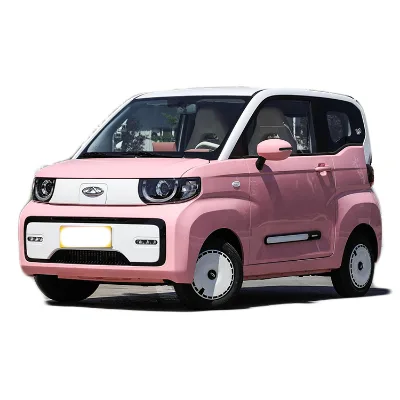


Electric Car Mini New Energy Micro Vehicles Electric Vehicle Electric Car
$1500.00 - $2000.00
MOQ: 1 Pieces


Hot Sale Electric Cars Automatic SUV Electric Mini SUV Low Speed Electric Car
$2288.00 - $2988.00
MOQ: 1 Unit/Units

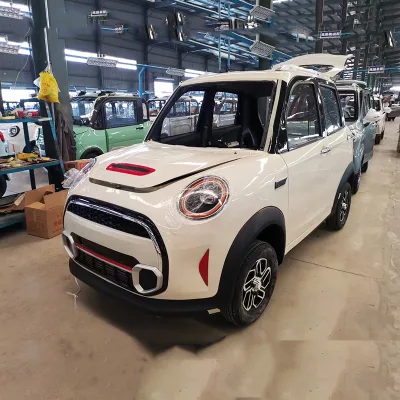
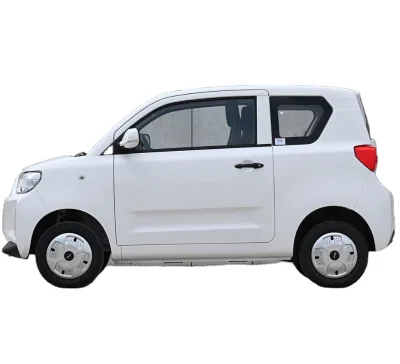


Fast Charge New Energy Vehicle High Speed Electric Auto Mini SUV Car
$8500.00 - $10000.00
MOQ: 1 Pieces


Comprehensive Sourcing Guide
Strategic Sourcing Guide for Mini Electric SUV Vehicles
The global demand for compact urban mobility solutions has driven a significant shift toward mini electric SUVs, a category that blends the practicality of traditional SUVs with the efficiency of electric powertrains. For B2B procurement professionals, navigating this market requires a disciplined approach that prioritizes verified technical data, regulatory compliance, and supply chain reliability over marketing claims. This guide synthesizes observed market data and technical attributes to provide a framework for sourcing these vehicles effectively. Buyers must distinguish between generic observations and verified specifications, ensuring that every procurement decision is grounded in factual evidence rather than assumption.
Technical Specifications and Performance Metrics
Understanding the technical architecture of mini electric SUVs is the first step in defining procurement requirements. The market presents a diverse range of configurations, from low-speed city cars to more robust urban SUVs. A critical observation in the current supply landscape is the variation in voltage systems. Data indicates that many units operate on 72V systems, while others are configured for 60V applications. This variance directly impacts the charging infrastructure requirements and the overall power delivery to the motor. Procurement teams must verify the specific voltage rating of the target model to ensure compatibility with existing depot charging solutions.
Power output is another defining characteristic. Listings show units with power ratings exceeding 800W, which suggests a focus on efficiency and torque for urban stop-and-go traffic. However, some specifications reference displacement figures greater than 4000CC, which may indicate hybrid configurations or a misclassification in the source data that requires immediate clarification with the supplier. The driving range for these vehicles typically falls between 150 and 170 kilometers, making them ideal for short-to-medium distance urban logistics or employee commuting. Maximum speeds are generally capped around 42 km/h, aligning with regulations for low-speed electric vehicles in many jurisdictions.
Dimensions play a crucial role in determining the vehicle's utility. Observed standard dimensions for various models range from approximately 3000mm to 3500mm in length, with widths between 1499mm and 1540mm, and heights spanning 1520mm to 1630mm. These compact footprints allow for high maneuverability in dense city environments. The body types observed include "Closed" and "Mini" styles, with seating capacities typically ranging from 2 to 4 seats. Tire specifications, such as the 155/65 R13 size, are common, indicating a focus on low rolling resistance and cost-effective maintenance.
Compliance and Certification Verification
Navigating the regulatory landscape is paramount for international procurement. The mini electric SUV market is heavily influenced by regional certification requirements. Observed data highlights several key certifications, including CCC (China Compulsory Certification), EEC (European Economic Community), and CE marks. The presence of CCC certification is a strong indicator of compliance with Chinese domestic standards, while EEC and CE marks suggest adherence to European safety and environmental directives. Buyers must verify that the specific unit they are purchasing carries the certification relevant to their destination market.
Beyond general certifications, specific management certifications such as GSV (Global Safety Verification) may be present, indicating a supplier's commitment to safety and quality management systems. It is essential to treat these certifications as observations that require validation rather than automatic guarantees. The product standards, often cited as numerical sequences like 3485 x 1500 x 1550 or 3027 x 1517 x 1620, likely refer to dimensional compliance or specific model standardization codes. Procurement teams should request the full text of the applicable standards to ensure the vehicle meets local safety, lighting, and emission regulations.
Cost Drivers and Pricing Structures
The pricing structure for mini electric SUVs is influenced by a complex interplay of factors, including battery capacity, customization options, and packaging requirements. The observed price range in the market spans from $300 to $21,500, a wide variance that reflects differences in battery technology, build quality, and feature sets. The battery capacity, noted in some listings as 72V 100Ah, is a primary cost driver. Higher capacity batteries increase the upfront cost but offer extended driving ranges, which may justify the investment for commercial fleets.
Packaging methods also impact the final landed cost. Some units are supplied as CBU (Completely Built Unit), which simplifies logistics but may incur higher duties. Others are delivered in a "Naked" state or via container shipping, which allows for more flexible assembly or customization but requires additional logistical planning. The Minimum Order Quantity (MOQ) varies significantly, with observed ranges from 1 to 50 units. This flexibility allows buyers to test the market with small orders or scale up quickly. Customization is widely available, enabling buyers to tailor vehicle colors, branding, and specific features to their operational needs, though this may introduce variable costs and lead times.
Typical Applications and Operational Scenarios
The operational profile of mini electric SUVs is distinct, making them suitable for specific use cases rather than general-purpose transportation. The primary application scenario identified is "City" environments. These vehicles are optimized for short-distance travel, making them ideal for last-mile delivery, campus shuttles, and municipal services. The compact dimensions and low maximum speeds allow for easy navigation through congested urban streets and tight parking spaces.
The driving type, often noted as "Rear Driving" or "AWD" (All-Wheel Drive) in certain listings, influences traction and handling characteristics. For urban delivery, rear-wheel drive may offer sufficient traction, while AWD configurations could be beneficial for areas with varied terrain or inclement weather. The braking systems, ranging from front disc and rear drum setups to electromagnetic braking, offer different maintenance profiles. Electromagnetic systems may reduce wear on mechanical components, potentially lowering long-term maintenance costs. Safety features such as warning lights and UV-resistant sunshade roofs are standard considerations that enhance driver comfort and visibility, particularly in high-traffic urban zones.
Supplier Evaluation and Origin Analysis
Evaluating suppliers requires a focus on origin and production capabilities. The majority of the observed supply originates from China, with specific mentions of Jiangsu as a production hub. This region is known for its robust manufacturing ecosystem, particularly in the electric vehicle sector. However, buyers must verify the specific factory location and capacity to ensure the supplier can meet demand. The condition of the vehicles is consistently listed as "New," but buyers should request proof of manufacturing dates and storage conditions to prevent purchasing aged inventory.
Supplier reliability is often correlated with their ability to provide OEM (Original Equipment Manufacturer) services. The acceptance of OEM orders suggests a level of flexibility and customization capability. Buyers should assess the supplier's track record in delivering customized units, as this indicates a mature supply chain. The presence of specific model identifiers like JC01, JT03, T90, T01, and T02 helps in tracking specific product lines. It is crucial to ensure that the model selected matches the technical specifications required for the intended application.
Quality Control and Long-Term Procurement
Establishing a robust quality control (QC) protocol is essential for mitigating risks in the mini electric SUV market. Given the wide range of observed specifications, a standardized QC checklist is necessary. This should include verification of voltage consistency, battery capacity testing, and brake system functionality. The suspension system, often described as front Macpherson independent suspension, should be inspected for durability and ride quality. Buyers should also verify the condition of the gearbox, which is typically automatic in these models, and ensure smooth shifting performance.
Long-term procurement considerations extend beyond the initial purchase. The availability of spare parts, service support, and battery replacement options are critical factors. The "New" condition of the vehicles suggests a focus on initial quality, but the long-term reliability depends on the durability of the lithium-ion battery and the robustness of the electric motor. Buyers should negotiate service level agreements (SLAs) that cover maintenance and technical support. Additionally, the ability to customize the vehicle for specific branding or operational needs adds value over the lifecycle of the procurement contract.
Comparative Analysis of Key Models
To facilitate decision-making, it is helpful to compare key models based on available data. The following table summarizes the observed specifications for several distinct models, highlighting their unique attributes and potential use cases.
| Model Identifier | Voltage | Dimensions (L x W x H) | Driving Range | Body Style | Certification |
|---|---|---|---|---|---|
| JC01 | 72V | 3485 x 1500 x 1550 | 150-170km | Closed | CCC |
| JT03 | 72V | 3027 x 1517 x 1620 | N/A | Mini | EEC |
| T90 | N/A | 3500 x 1540 x 1520 | N/A | Mini | GSV |
| Mini EV Car | 60V | 3380 x 1499 x 1610 | N/A | Mini | CE, EEC, CCC |
| T01, T02 | N/A | 3000 x 1510 x 1630 | N/A | Mini | N/A |
This comparison underscores the diversity in the market. The JC01 model, for instance, offers a robust closed body style with CCC certification, suitable for markets requiring strict domestic compliance. The Mini EV Car, with its 60V system and triple certification (CE, EEC, CCC), represents a versatile option for international buyers targeting multiple regions. The T90 model, with its GSV management certification, may appeal to buyers prioritizing safety management systems.
Final Procurement Considerations
In conclusion, sourcing mini electric SUVs requires a meticulous approach that balances technical specifications, regulatory compliance, and cost efficiency. Buyers must verify all claims against the provided data, ensuring that voltage, dimensions, and certifications align with their specific operational needs. The wide price range and flexible MOQs offer opportunities for both small-scale pilots and large fleet deployments. By focusing on verified facts and maintaining a disciplined evaluation process, procurement professionals can secure reliable, high-quality vehicles that meet the demands of modern urban mobility. The key to success lies in thorough due diligence, clear communication with suppliers, and a commitment to long-term quality and support.
FAQs
What certifications do mini electric suv cars have?
Many units carry CCC, EEC, and CE certifications. Some listings also show GSV management certification. Buyers must verify the specific certification relevant to their destination market before purchasing.
How much do these electric vehicles cost?
The observed price range spans from 300 to 21500 USD. This variance reflects differences in battery capacity, build quality, and feature sets. Higher capacity batteries typically increase the upfront cost.
Can I customize the vehicle color and features?
Customization is available for these electric vehicles. Buyers can tailor colors, branding, and specific features to operational needs. This may introduce variable costs and lead times depending on the supplier.
What is the driving range of these cars?
The driving range typically falls between 150 and 170 kilometers. This makes them ideal for short-to-medium distance urban logistics or employee commuting. Maximum speeds are generally capped around 42 km/h.
Which voltage systems are used in these models?
Data indicates that many units operate on 72V systems, while others are configured for 60V applications. Procurement teams must verify the specific voltage rating to ensure compatibility with existing depot charging solutions.
What is the minimum order quantity for these cars?
The minimum order quantity varies significantly, with observed ranges from 1 to 50 units. This flexibility allows buyers to test the market with small orders or scale up quickly for fleet deployments.
Where are these electric vehicles manufactured?
The majority of the observed supply originates from China, with specific mentions of Jiangsu as a production hub. Buyers should verify the specific factory location and capacity to ensure the supplier can meet demand.